Evelyn De Simone
Evelyn De Simone, Sergio Martini, Federico Russo and Elif Şeyma Şişman find little evidence that Europeans are abandoning democracy. But democratic support often coexists with openness to authoritarian alternatives. This ambivalence is socially structured, with education emerging as the most consistent dividing line Read more
Aliyu Muhammadsunusi Ubangida
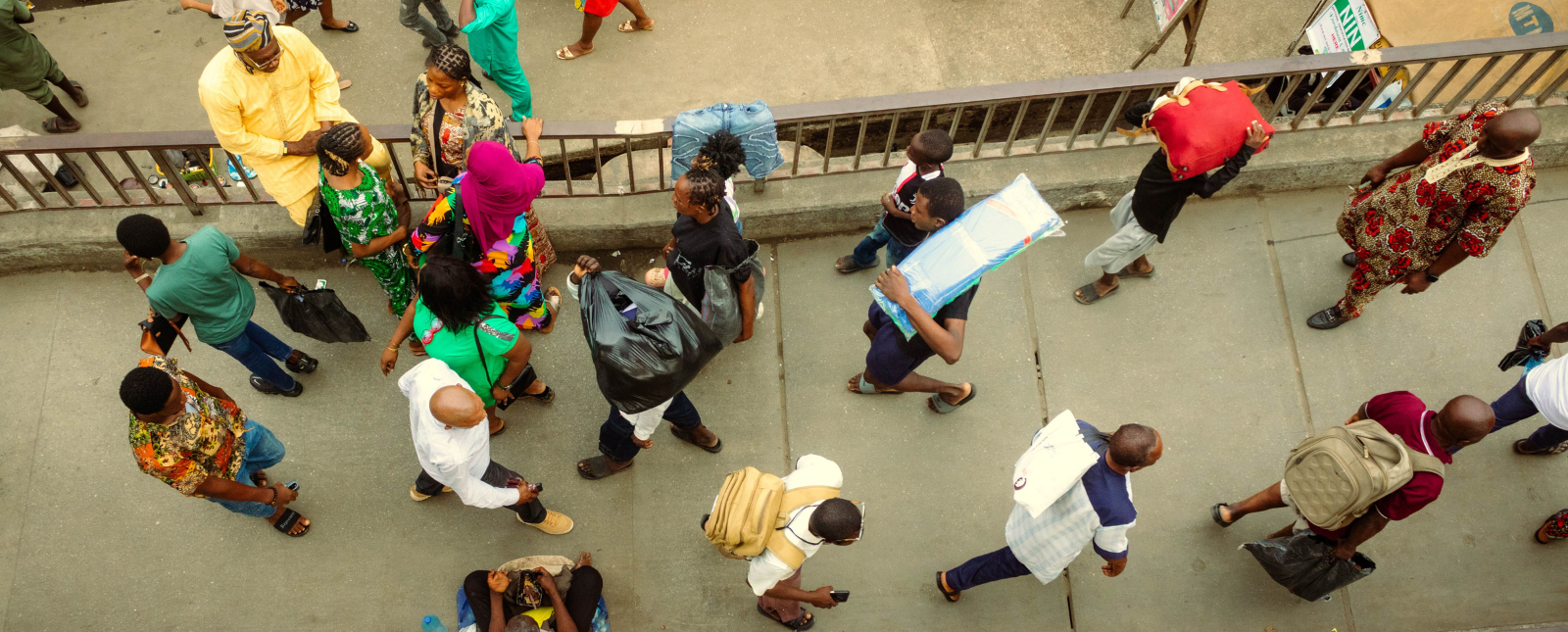
As Nigeria approaches its 2027 general elections, Aliyu Muhammadsunusi Ubangida argues Nigeria's deeper democratic problem appears after voting ends. Trust falls when citizens cannot reach representatives, track complaints, or see institutions respond. Closing this gap requires a clear response chain between citizens and the people elected to serve them Read more
Pierce Leslie
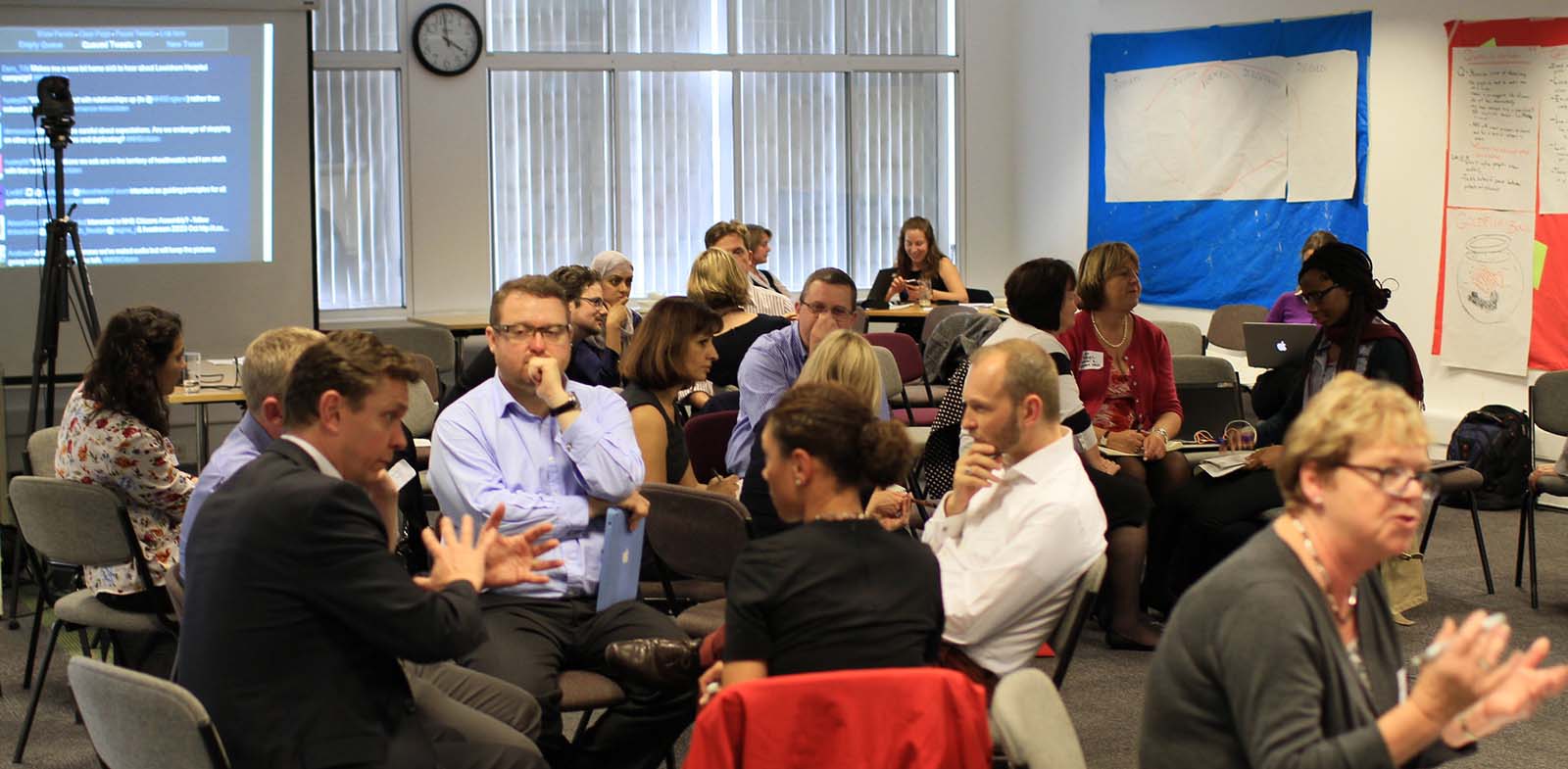
Drawing on developments in candidate selection across British political parties, Pierce Leslie argues that Britain’s representative disconnect begins long before election day. While it is local constituencies who elect MPs, party rules, vetting procedures and emergency panels increasingly decide who becomes a realistic parliamentary choice Read more
Omran Shroufi
We commonly hear EU leaders talk about the need to ‘defend democracy’. Yet, as Omran Shroufi shows, their discourse is often more about identifying and naming geopolitical threats than it is about tackling pervasive, home-grown structural problems of democratic disconnect and disillusionment Read more
Kevin Meyvaert
Young people in Europe and, by extension, the West, are increasingly disengaging from electoral politics. Academic studies are still trying to understand the phenomenon. But Kevin Meyvaert argues that without a moral narrative of justice and fairness, we will never succeed in reconnecting all citizens to democratic life Read more
Annamária Sebestyén
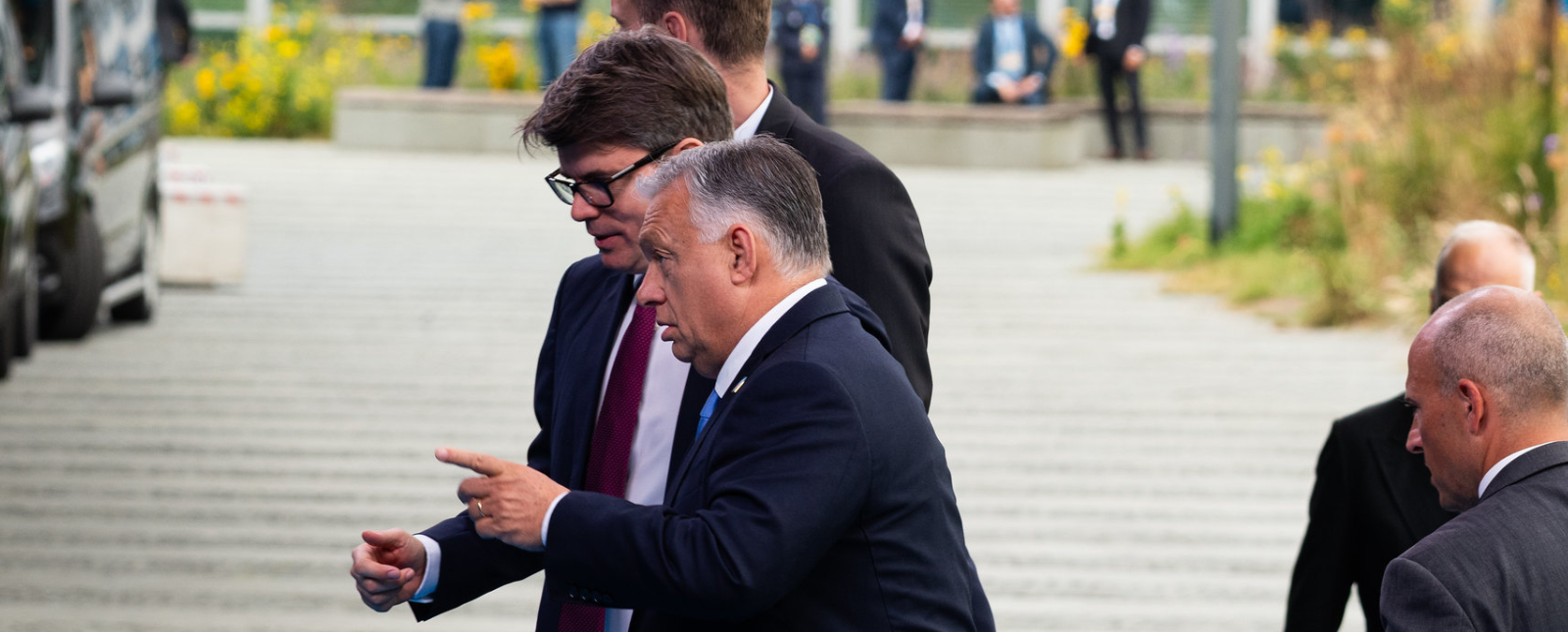
In countries experiencing democratic backsliding, opposition MPs must confront not only the crisis of political representation but also structural constraints that limit their influence. Drawing on research in Hungary, Annamária Sebestyén argues that in such circumstances opposition MPs develop innovative strategies to remain politically relevant, but these have clear limits Read more
Valesca Lima
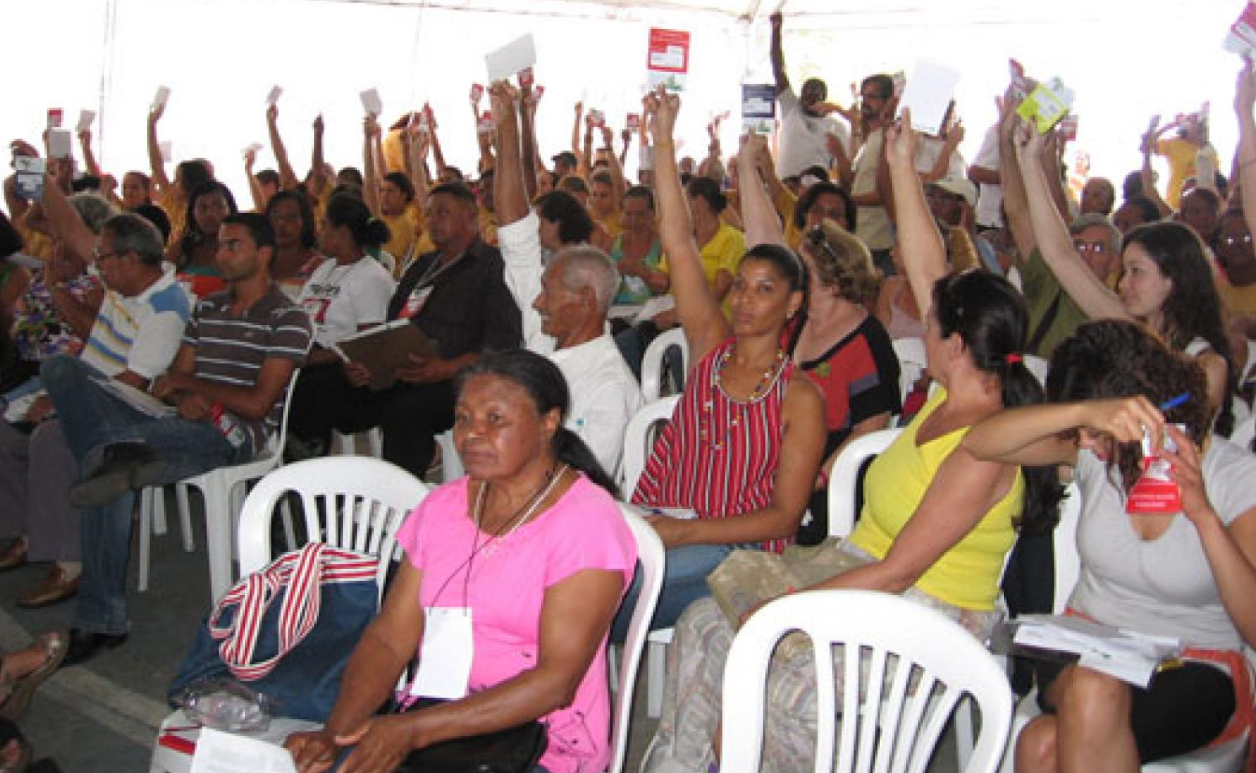
Valesca Lima argues that Irish local authorities tend to treat public participation as a formal administrative requirement. However, by moving beyond performative box-ticking and toward genuine co-design, we can bridge the trust gap. True engagement doesn't just legitimise decisions; it sparks the local innovation our cities desperately need Read more
Şule Yaylacı
Elected politicians face rising mistrust, gridlock, and citizen disengagement. In their research, Şule Yaylaci, Edana Beauvais and Mark E. Warren show how democratic innovations can help elites tackle inclusion gaps, agenda-setting dilemmas, and decision-making deadlocks. The authors also highlight the risks of co-optation and 'democracy washing' Read more
We use necessary cookies to make our site work. We'd also like to set analytics cookies that help us make improvements by measuring how you use the site. These will be set only if you accept.
▼
Strictly Necessary Cookies
Necessary cookies enable core functionality such as security, network management, and accessibility. You may disable these by changing your browser settings, but this may affect how the website functions.
▼
Analytics Cookies
Google Analytics
We'd like to set Google Analytics cookies to help us improve our website by collecting and reporting information on how you use it. The cookies collect information in a way that does not directly identify anyone. For more information on how these cookies work please see our Privacy Notice.