Sam Glasper
The public inquiry into the Grenfell Tower disaster revealed the contempt of multinational corporations, and how the British state neglected the people it was meant to protect. However, argues Sam Glasper, the inquiry’s final report fails to reveal the extent to which 'racial capitalism' affects the lives of Britain's most vulnerable people. Read more
Anukriti Dixit
Many parts of the world, including India, lack institutional accountability for sexual violence. Anukriti Dixit argues for bringing together anti-caste and decolonial frameworks for justice to counter impunity in such crimes. This, she argues, would realise justice for victims in cases where the power differentials involve caste, class, and indigeneity. Read more
Hans Asenbaum
Despite being the first Black woman to run for US President on a major party ticket, Kamala Harris’ identity plays no prominent role in public perception. Hans Asenbaum argues that Trump’s attempts to define Harris are failing because of her intersectionality and fluidity. Read more
Temidayo Eseonu
Many young people are at the forefront of demanding change, such as racial justice. Temidayo Eseonu draws on her research with racially minoritised young people to show how Afrofuturism can help them understand racism and resist its impact on their lives. Tapping into young people’s democratic potential can give us all hope for the future Read more
Eva Fodor
Illiberal Hungary has become famous in recent years for paying families to have, or pledge to have, children. This, writes Eva Fodor, has transformed the criteria and practice for social citizenship and democratic participation Read more
Alexandra Tomaselli
Substate laws and policies may play a key role in promoting or hindering the socioeconomic participation of those who face intersectional discrimination. Alexandra Tomaselli examines how women and LGBTQIA+ individuals cope with their access to work, education, and services in South Tyrol and Catalonia Read more
Dawud Ansari
De-orientalising the scholarship on the Arab Gulf states is crucial, argues Dawud Ansari. Commentaries and datasets generalise them as ‘monarchies’, erasing vital differences between these countries. New terms are a starting point for transforming research on the wider region – an urgent objective given new crises and freshened global interest Read more
Luca Manucci
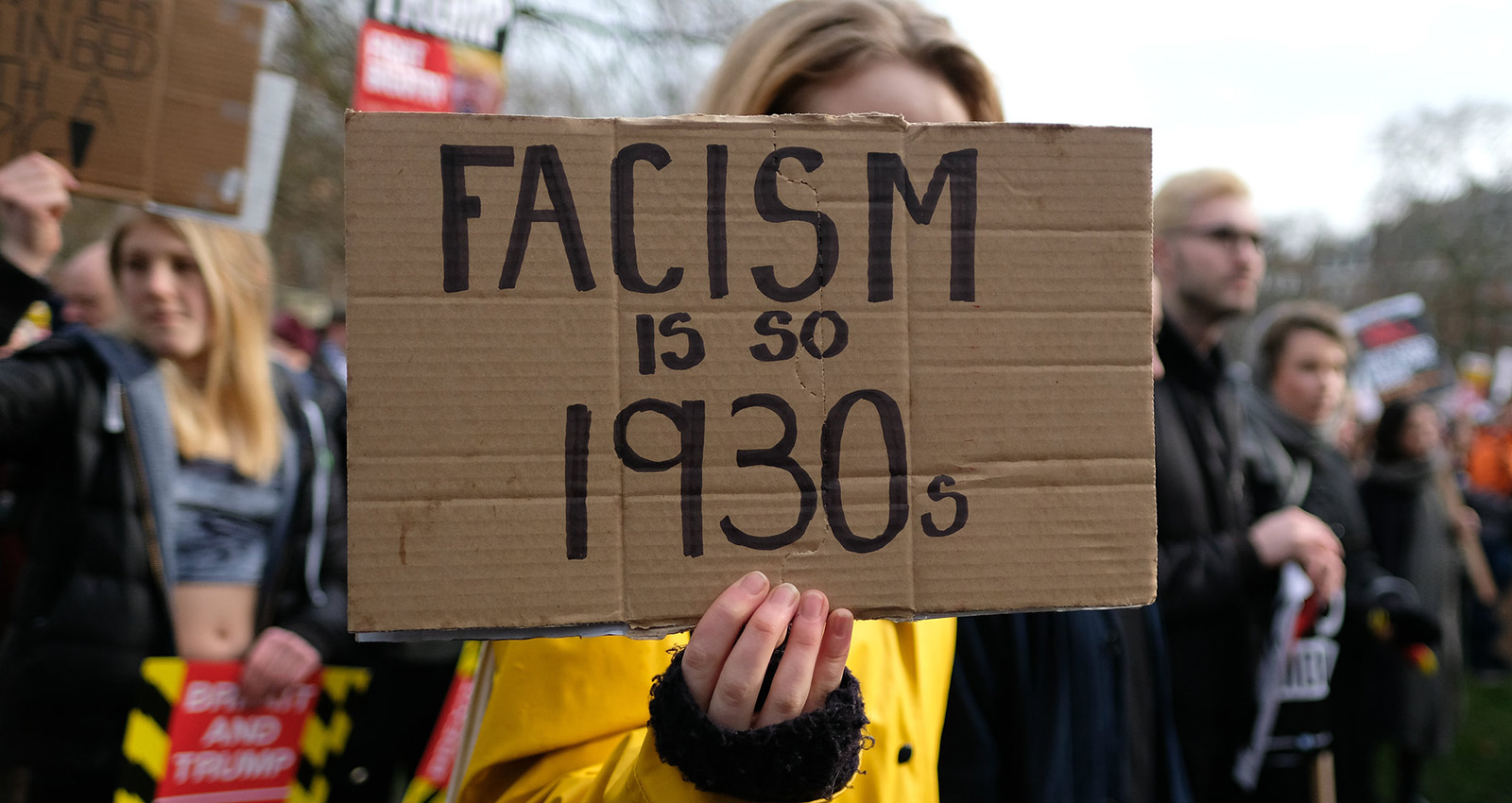
Luca Manucci argues that illiberalism and autocratisation have too readily been labelled as ‘populism’, an all-embracing concept which simply helps to provide cover to the neo-fascist cause. This has led to surprise when a politician like Giorgia Meloni, leading a party with neo-fascist roots, reaches the brink of power Read more
We use necessary cookies to make our site work. We'd also like to set analytics cookies that help us make improvements by measuring how you use the site. These will be set only if you accept.
▼
Strictly Necessary Cookies
Necessary cookies enable core functionality such as security, network management, and accessibility. You may disable these by changing your browser settings, but this may affect how the website functions.
▼
Analytics Cookies
Google Analytics
We'd like to set Google Analytics cookies to help us improve our website by collecting and reporting information on how you use it. The cookies collect information in a way that does not directly identify anyone. For more information on how these cookies work please see our Privacy Notice.