Rebecca Sanders
The reversal of Roe, bans on teaching about gender, and gunmen showing up at drag shows all are part of a trend in US and international politics. Rebecca Sanders and Laura Dudley Jenkins call it 'patriarchal populism'. They explain what patriarchal populism is, and three tactics used to undermine and attack established women’s and LGBTQ+ human rights Read more
Albrecht Rothacher
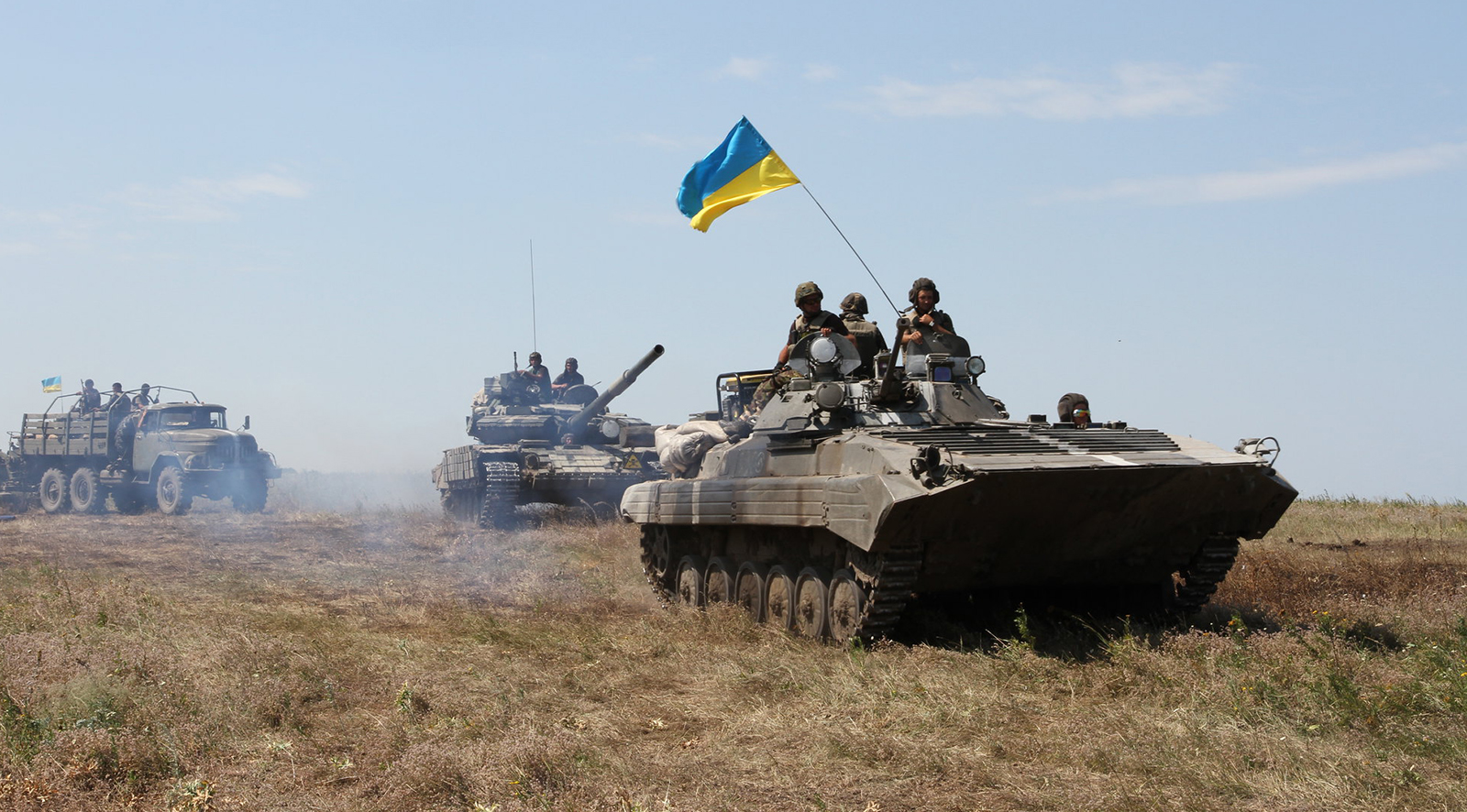
Albrecht Rothacher argues that an end to hostilities in Ukraine in the context of a Peace Plan is not unforeseeable. It is in the interest of all sides. He identifies the steps that need to be taken and the people likely to be involved Read more
Massimo D'Angelo
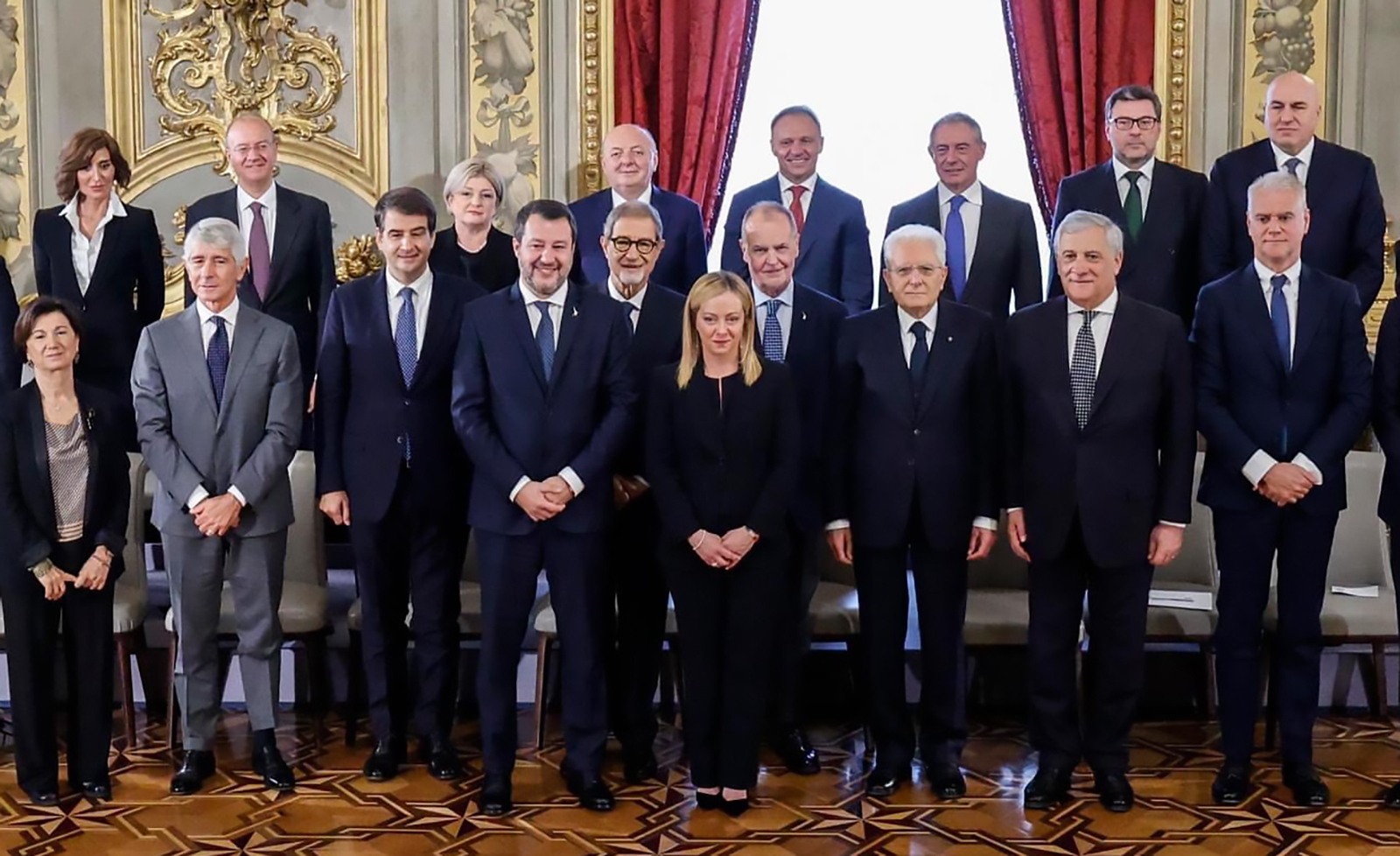
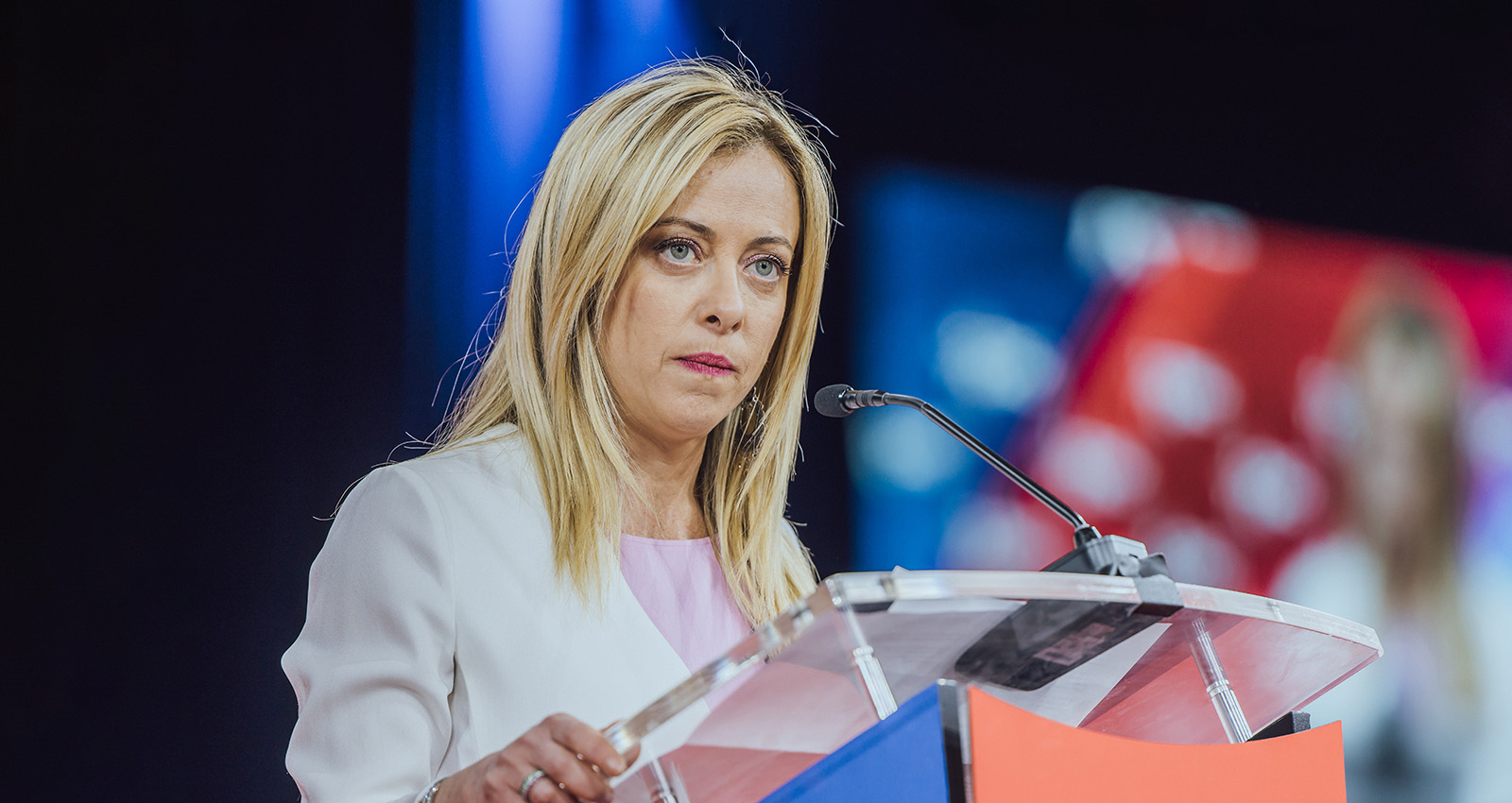
On 21 October 2022, Giorgia Meloni became the first female Italian Prime Minister. She is also the head of the most right-wing government in the history of the Republic. Massimo D’Angelo explores the implications for Italy’s foreign policy and European outlook, as well as the lure of authoritarianism in some European governments Read more
Luca Manucci
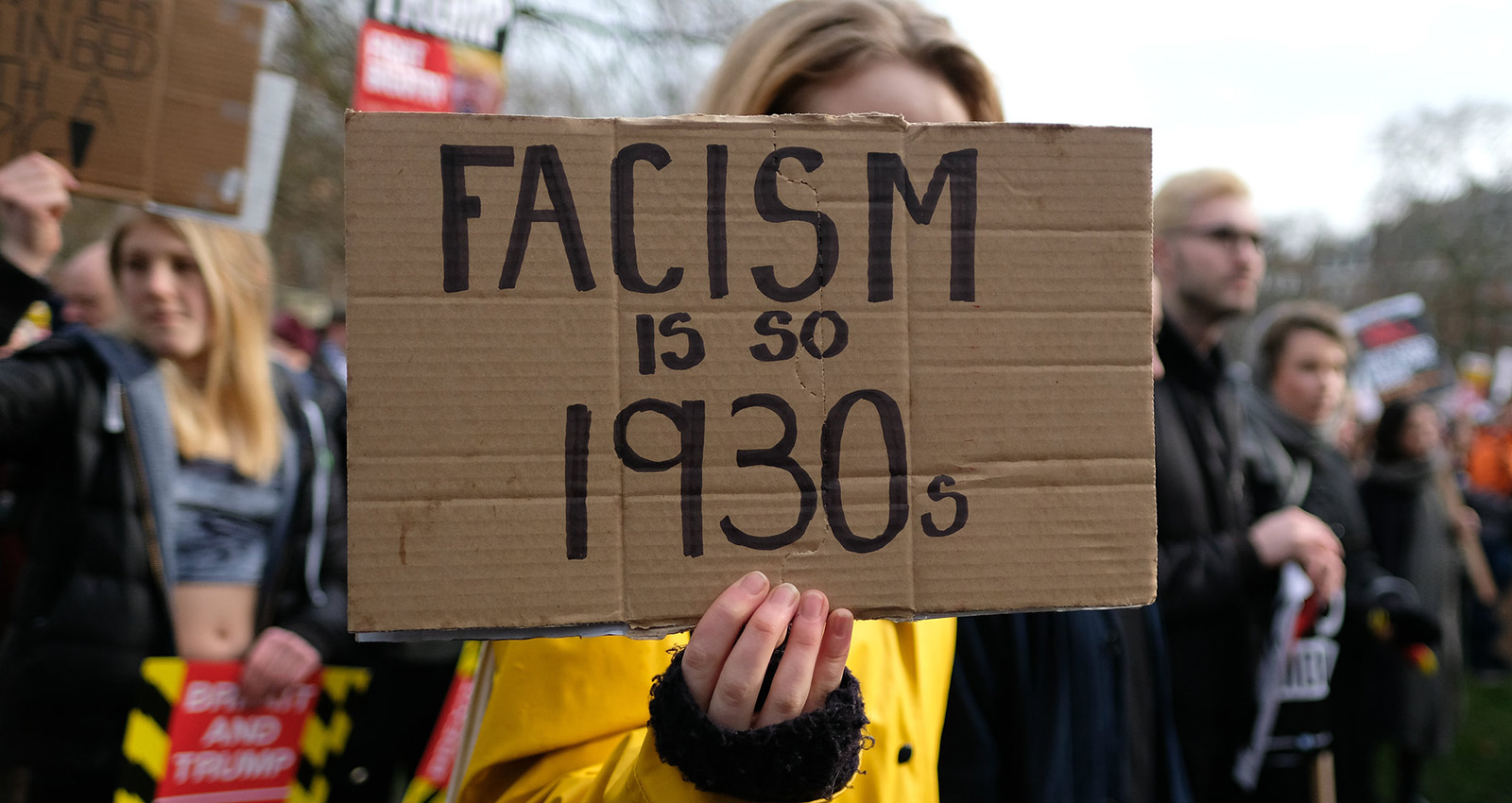
Luca Manucci argues that illiberalism and autocratisation have too readily been labelled as ‘populism’, an all-embracing concept which simply helps to provide cover to the neo-fascist cause. This has led to surprise when a politician like Giorgia Meloni, leading a party with neo-fascist roots, reaches the brink of power Read more
Giovanni Capoccia
The Italian general election produced a clear majority for the right-wing coalition headed by the Brothers of Italy, following a significant shift of votes within the coalition. The parties of the centre-left failed to forge an electoral alliance to stop the right. The political landscape remains volatile, says Giovanni Capoccia Read more
Akudo McGee
All regimes have courts but through so-called ‘autocratic legalism’, autocrats leverage them to consolidate regimes without initially raising red flags. Akudo McGee argues that autocratic legalism easily flies under the radar because early warning signs of autocratisation are subtle. Indicators of autocratisation, therefore, need better taxonomies of authoritarianism to work Read more
Kinga Korányi
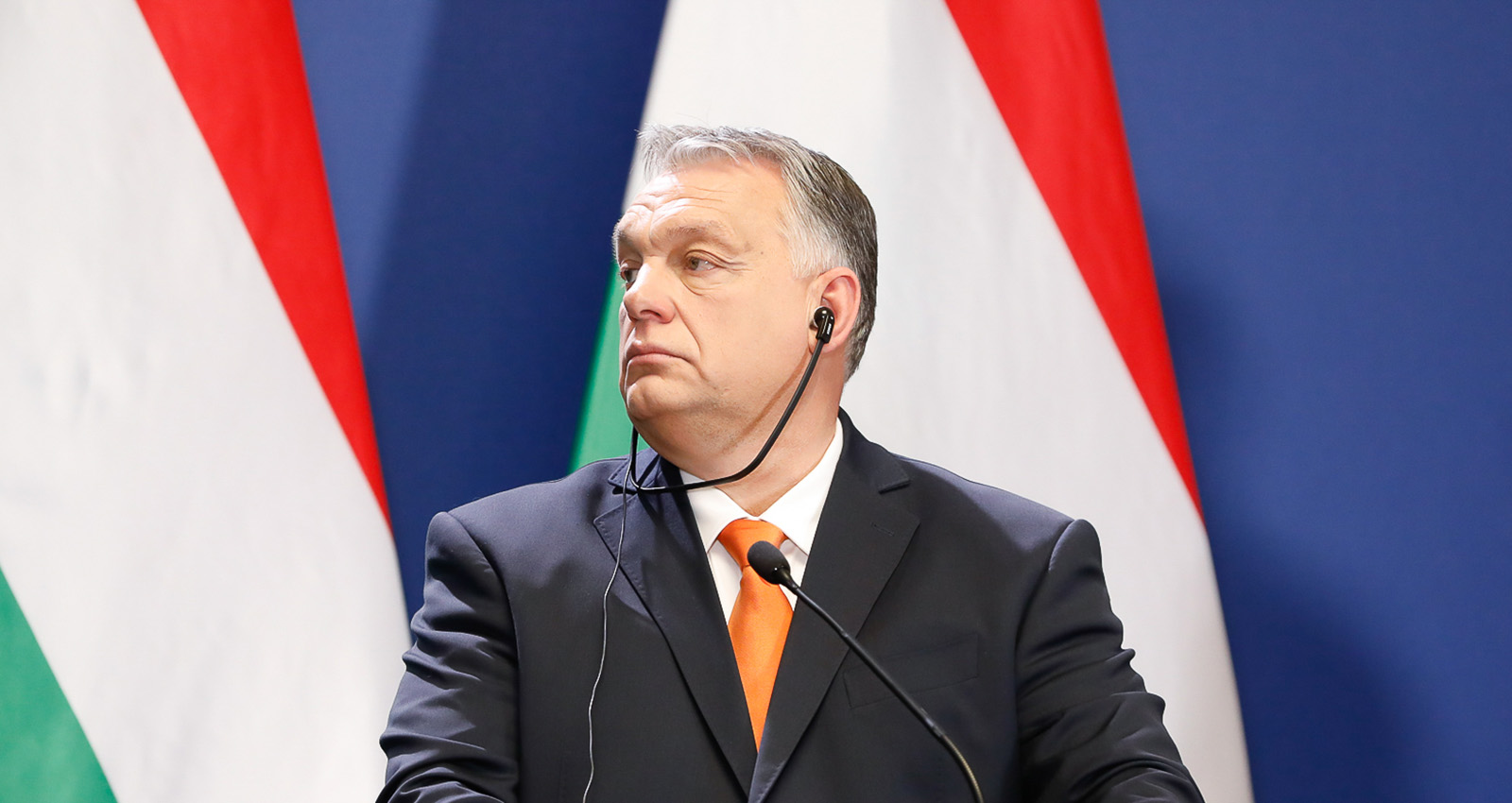
Viktor Orbán’s condemned speech at Băile Tușnad marks a dangerous turn towards fascist rhetoric. But it also reveals a larger narrative overlooked by international observers. Orbán’s party could be undergoing programmatic realignment to attract support from far-right voters in a time when his party faces great insecurity, writes Kinga Koranyi Read more
Kinga Korányi
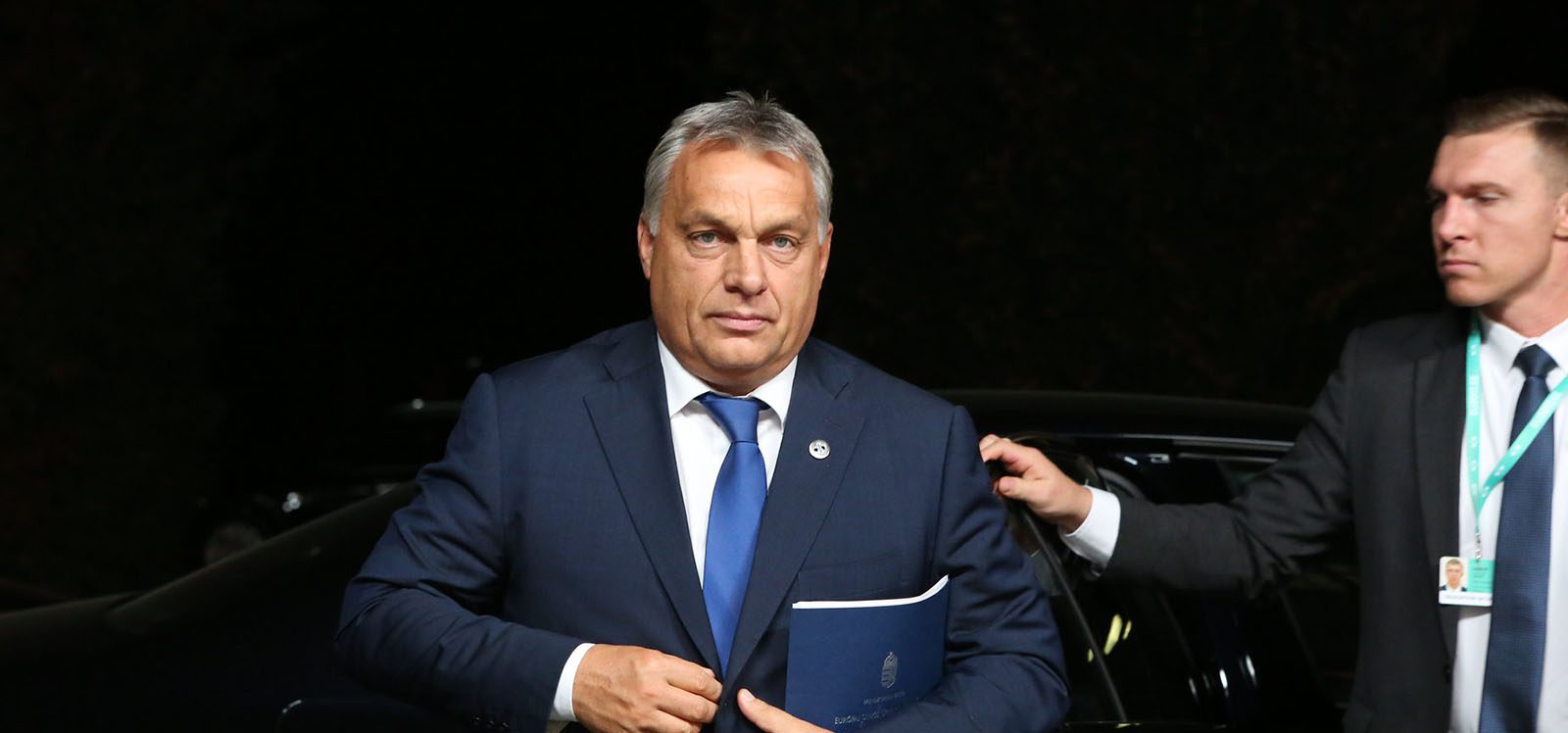
Viktor Orbán has just emerged victorious in the Hungarian national election of 3 April, despite his pro-Russian stance and friendship with Vladimir Putin, which had been expected to tarnish his party Fidesz’s popularity. Kinga Koranyi argues that Fidesz managed to turn its response to the war in Ukraine into a successful campaign tool Read more
We use necessary cookies to make our site work. We'd also like to set analytics cookies that help us make improvements by measuring how you use the site. These will be set only if you accept.
▼
Strictly Necessary Cookies
Necessary cookies enable core functionality such as security, network management, and accessibility. You may disable these by changing your browser settings, but this may affect how the website functions.
▼
Analytics Cookies
Google Analytics
We'd like to set Google Analytics cookies to help us improve our website by collecting and reporting information on how you use it. The cookies collect information in a way that does not directly identify anyone. For more information on how these cookies work please see our Privacy Notice.