Jack Wippell
Increased cooperation between a subset of far-right street-gangs – Active Clubs – has largely passed under the radar. Jack Wippell argues this constitutes a ‘new’ threat, and draws from research on extremist organisations to explore what might follow. He highlights several limitations in what we know, and calls for immediate collaboration between researchers and practitioners Read more
Leonardo Puleo
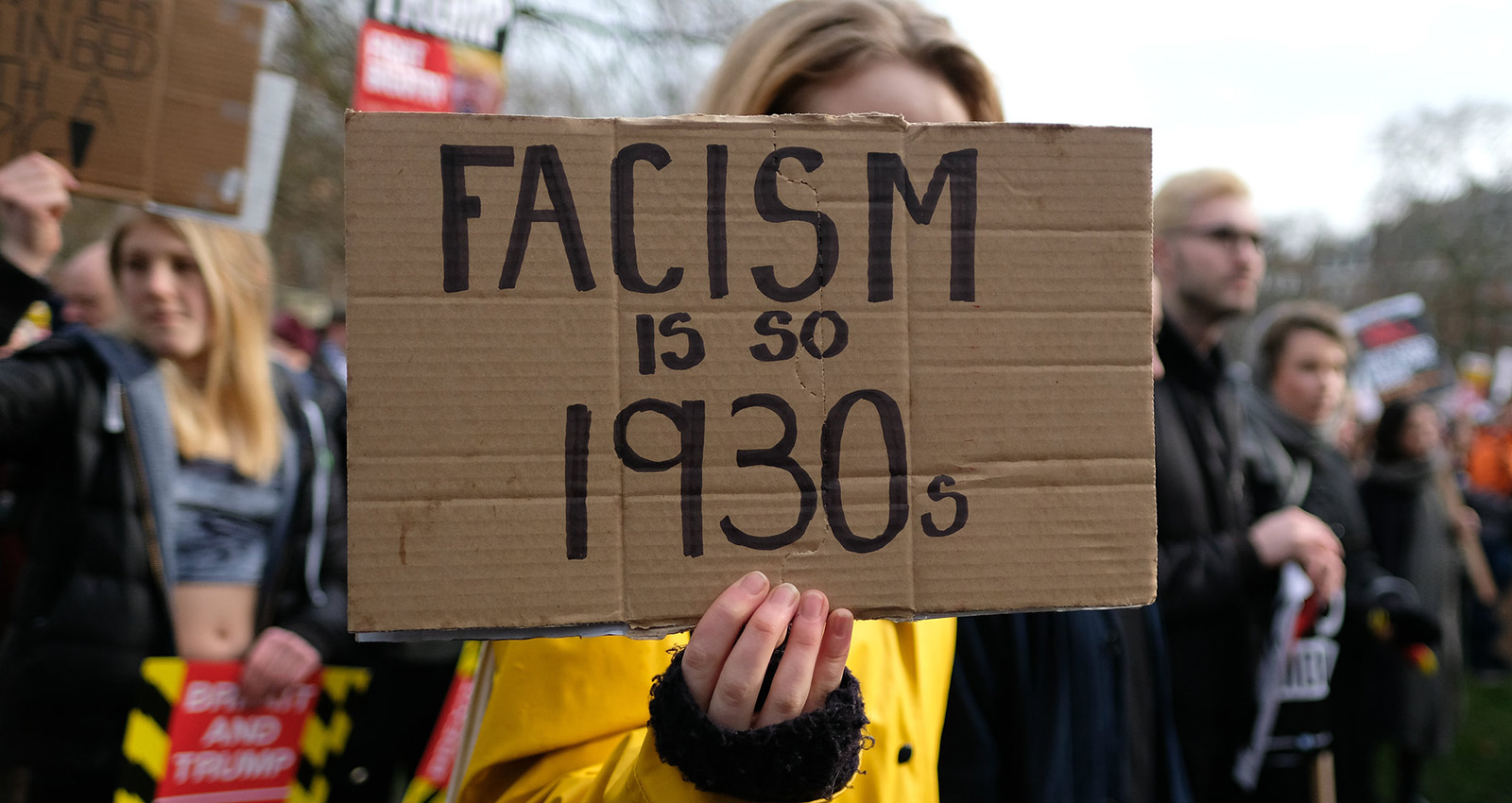
Labelling populist far right parties as fascist is misleading, write Leonardo Puleo and Gianluca Piccolino. Vague accusations of fascism gloss over the genuine threats the radical right poses to democracy Read more
Dario Mazzola
By the time Italians went to the polls in September, the victory of Giorgia Meloni’s Brothers of Italy party was a foregone conclusion. Dario Mazzola articulates the factors that led to the formation of the most right-wing government in the history of the Italian Republic Read more
Massimo D'Angelo
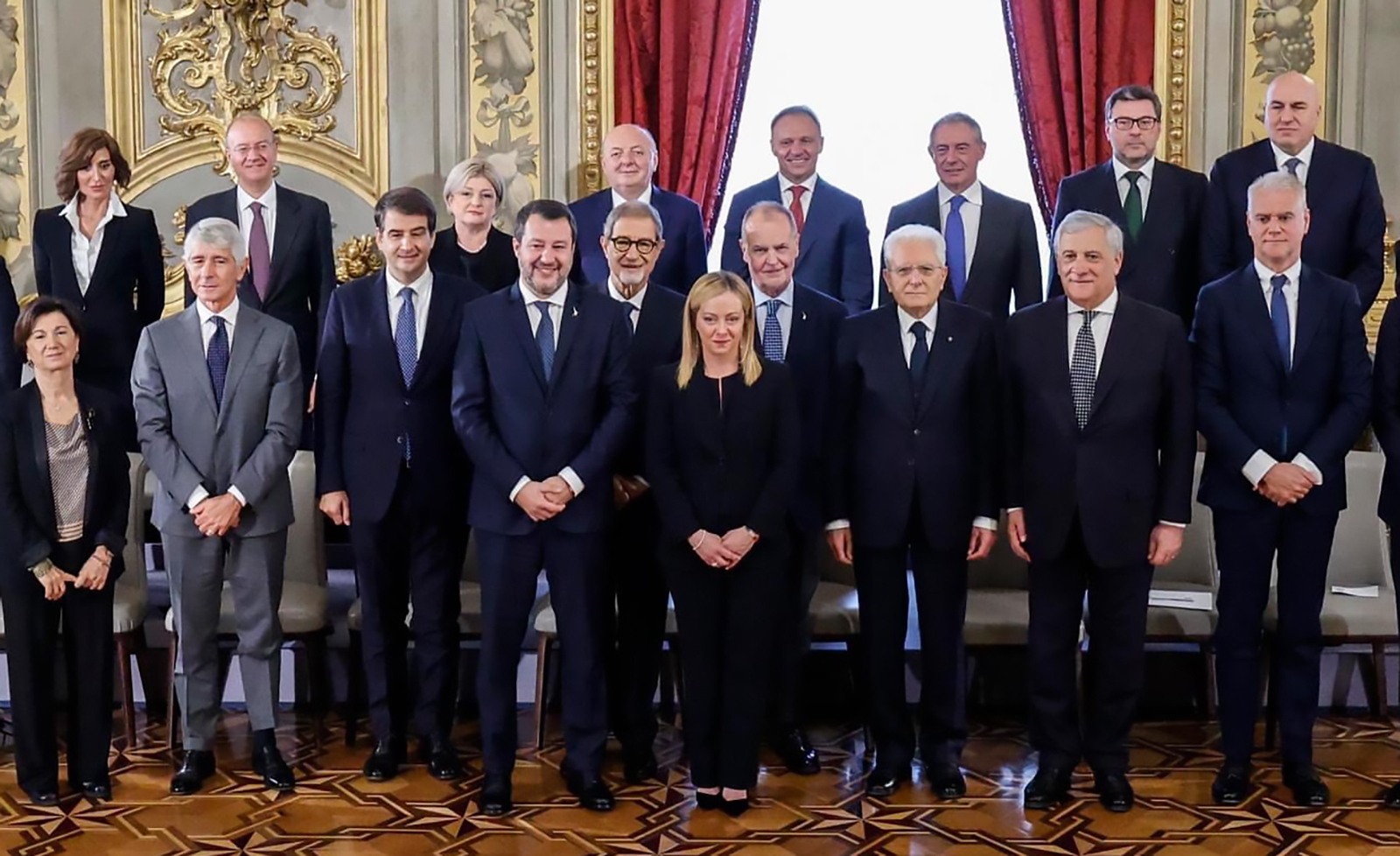
On 21 October 2022, Giorgia Meloni became the first female Italian Prime Minister. She is also the head of the most right-wing government in the history of the Republic. Massimo D’Angelo explores the implications for Italy’s foreign policy and European outlook, as well as the lure of authoritarianism in some European governments Read more
Luca Manucci
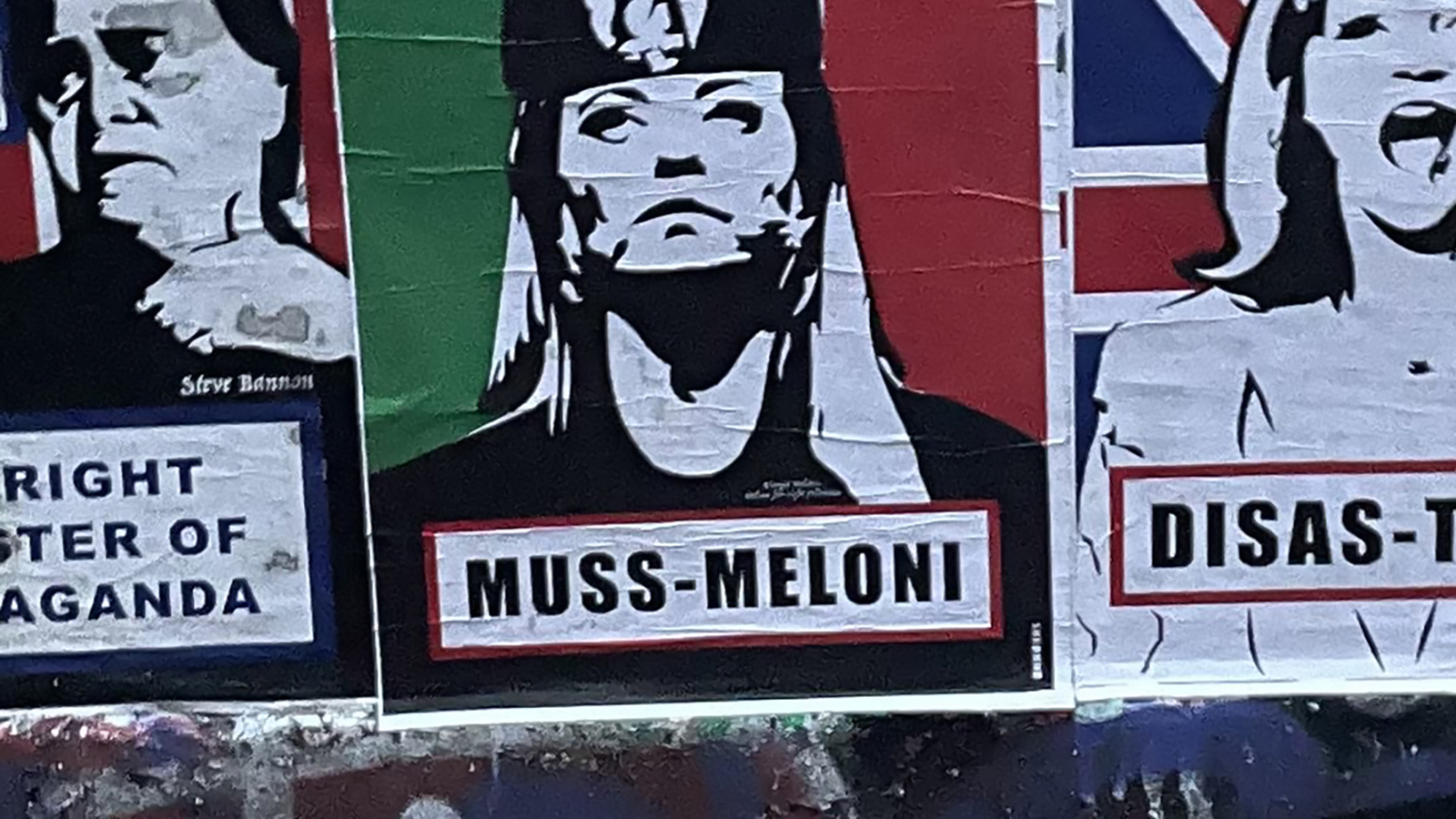
Luca Manucci argues that illiberalism and autocratisation have too readily been labelled as ‘populism’, an all-embracing concept which simply helps to provide cover to the neo-fascist cause. This has led to surprise when a politician like Giorgia Meloni, leading a party with neo-fascist roots, reaches the brink of power Read more
Giovanni Capoccia
The Italian general election produced a clear majority for the right-wing coalition headed by the Brothers of Italy, following a significant shift of votes within the coalition. The parties of the centre-left failed to forge an electoral alliance to stop the right. The political landscape remains volatile, says Giovanni Capoccia Read more
The Loop
Cutting-edge analysis showcasing the work of the political science discipline at its best.
We use necessary cookies to make our site work. We'd also like to set analytics cookies that help us make improvements by measuring how you use the site. These will be set only if you accept.
▼
Strictly Necessary Cookies
Necessary cookies enable core functionality such as security, network management, and accessibility. You may disable these by changing your browser settings, but this may affect how the website functions.
▼
Analytics Cookies
Google Analytics
We'd like to set Google Analytics cookies to help us improve our website by collecting and reporting information on how you use it. The cookies collect information in a way that does not directly identify anyone. For more information on how these cookies work please see our Privacy Notice.