Sanne van Oosten
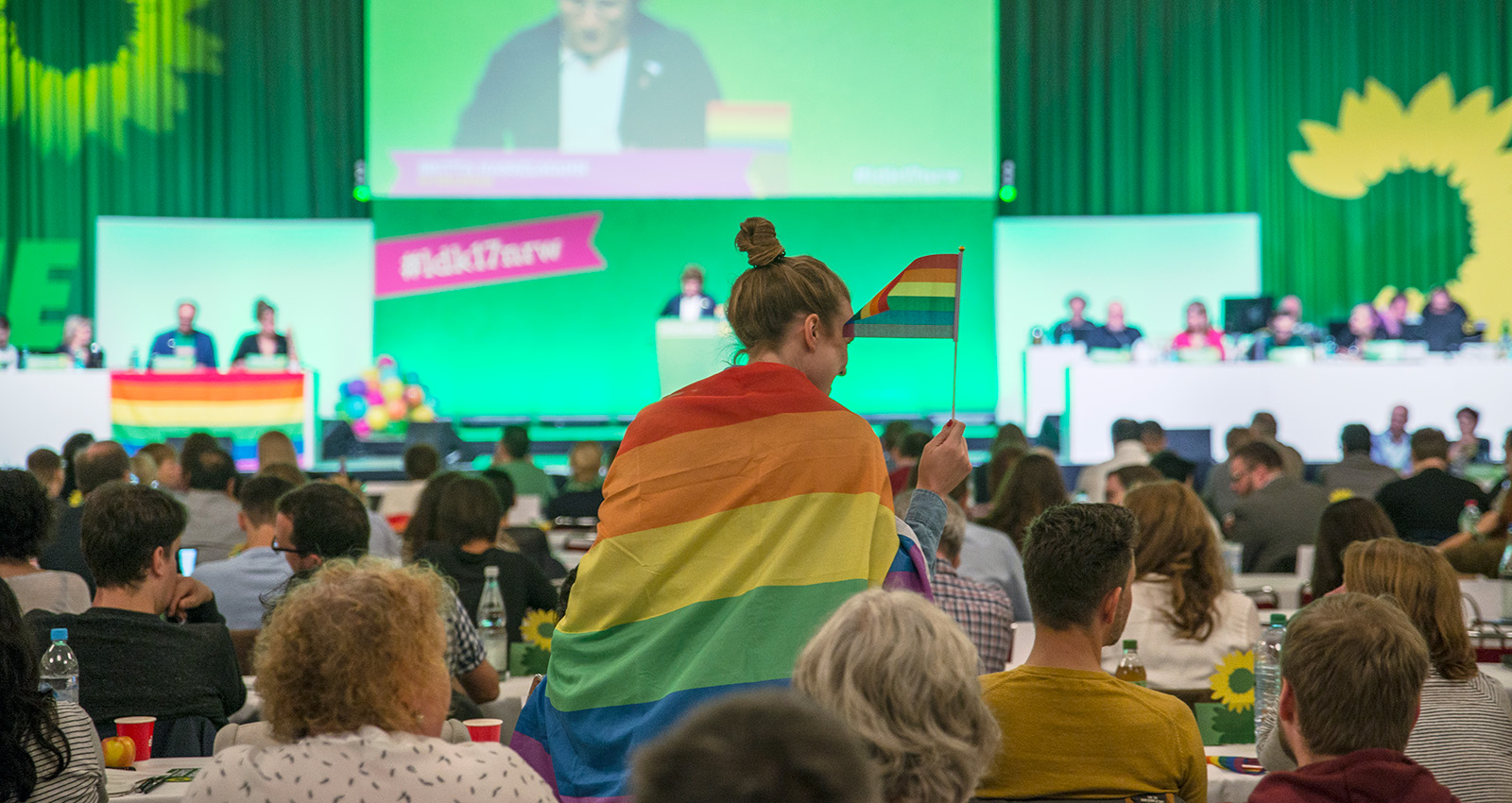
We know that voters stereotype Muslim politicians as homophobic. However, they also project their own ideas about LGBTQ+ rights onto politicians. Sanne van Oosten examines which of these voter tendencies are likely to prevail with which voters, and argues that both strength and type of opinion matter Read more
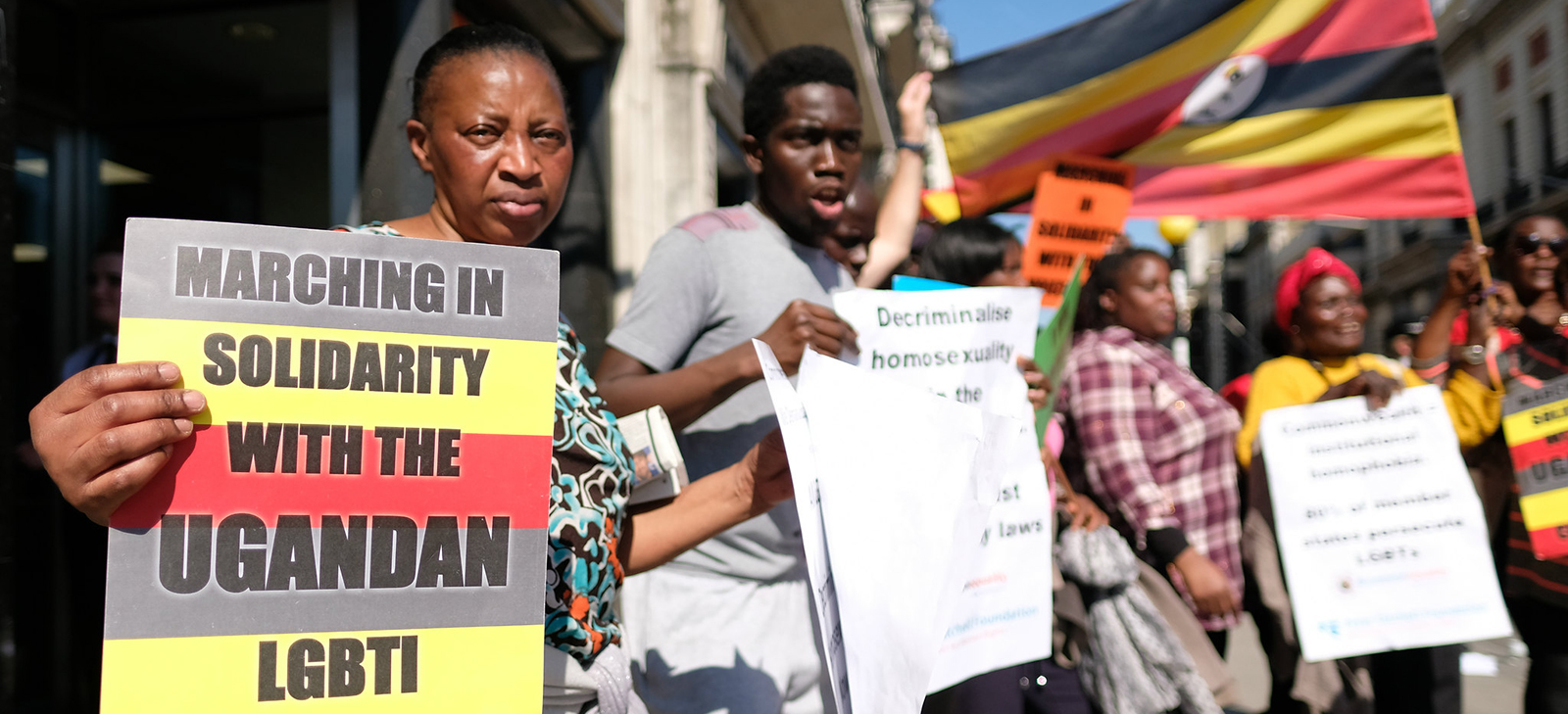
Jacqueline Wilson
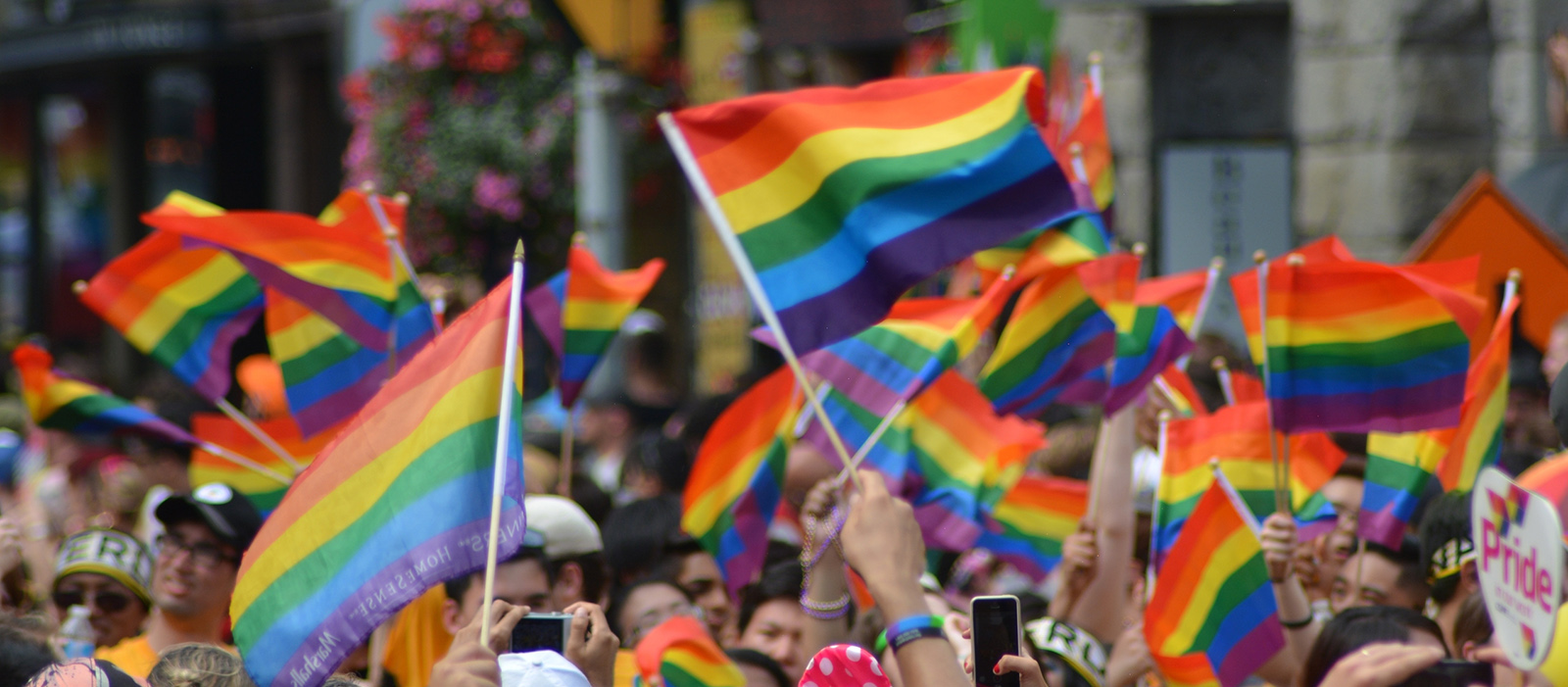
The legacy of European colonialism and Christian missionaries has created challenges for same-sex relationships in the Global South. In former German colonies Namibia, Tanzania, and Cameroon during the 1980s, anti-LGBTQ attitudes still prevailed. Jacqueline Wilson tells the story of a pioneering queer tourism project that challenged the colonial narrative Read more
Elin Bjarnegård
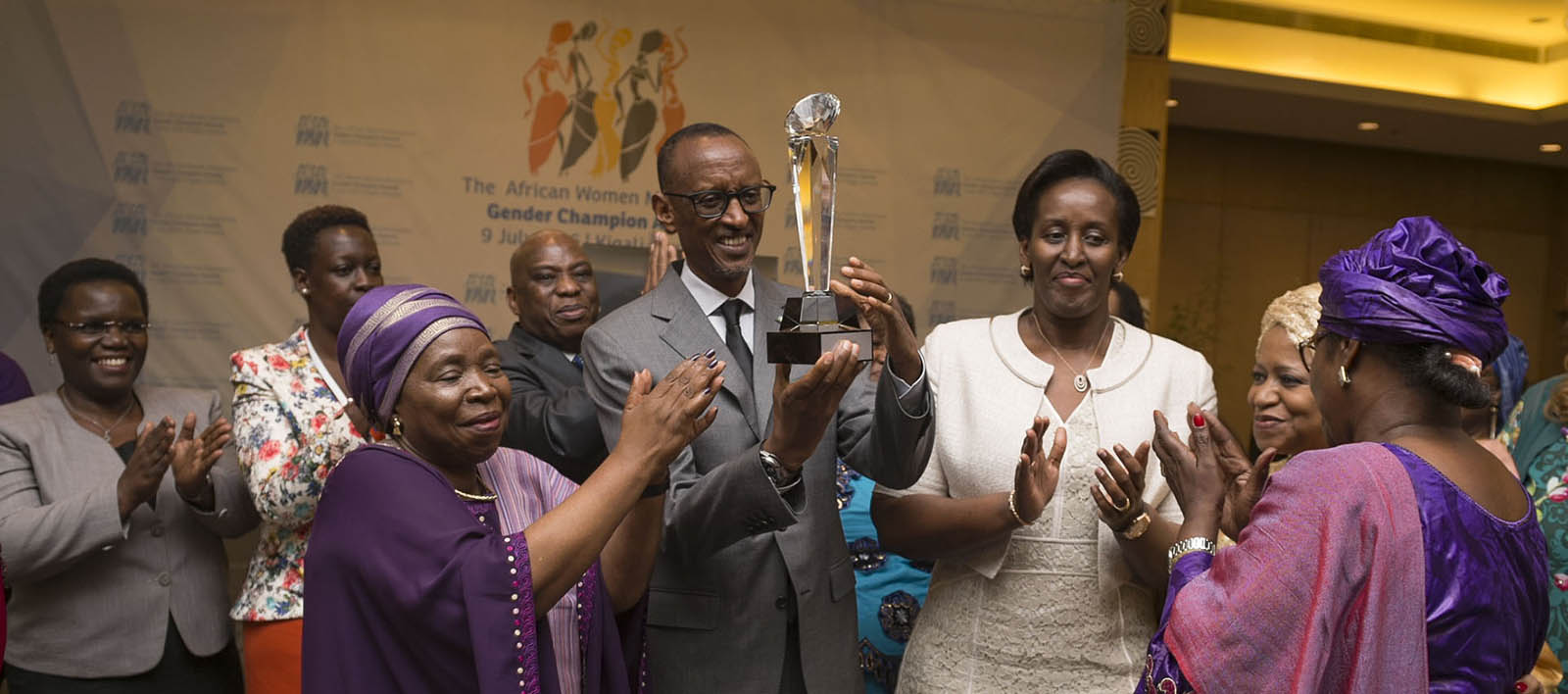
Gender and authoritarianism are interconnected – but in different and unexpected ways. Elin Bjarnegård and Pär Zetterberg think the relationship between them deserves more attention in political science. Here, they expose the relationship in terms of two autocrat strategies: genderwashing and genderbashing Read more
Aili Mari Tripp
Autocratising governments in countries from Hungary to Turkey and Russia are eroding women’s rights. While this is indeed a worrying trend, Aili Mari Tripp argues we must consider that autocratisation looks different depending on a country’s historical legacies and geopolitical situation. This influences the types of women’s rights a regime might seek to undo Read more
Conny Roggeband
Opposition to gender equality, and a crackdown on women’s rights, characterise the wave of autocratisation across many parts of the world. We often regard such misogyny against women as a deviant trait of individual political leaders. But this is a misunderstanding, write Conny Roggeband and Andrea Krizsán Read more
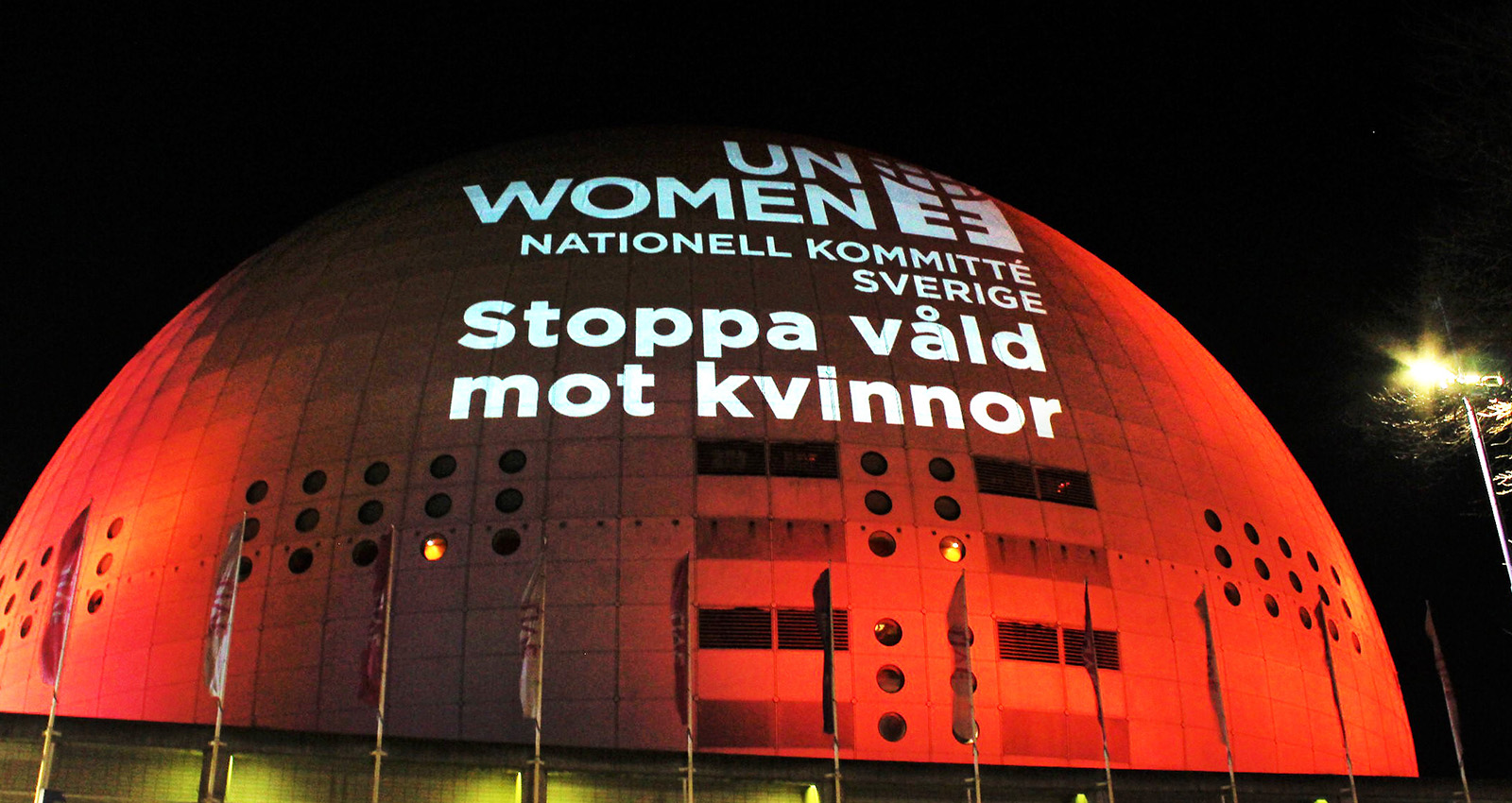
Gefjon Off
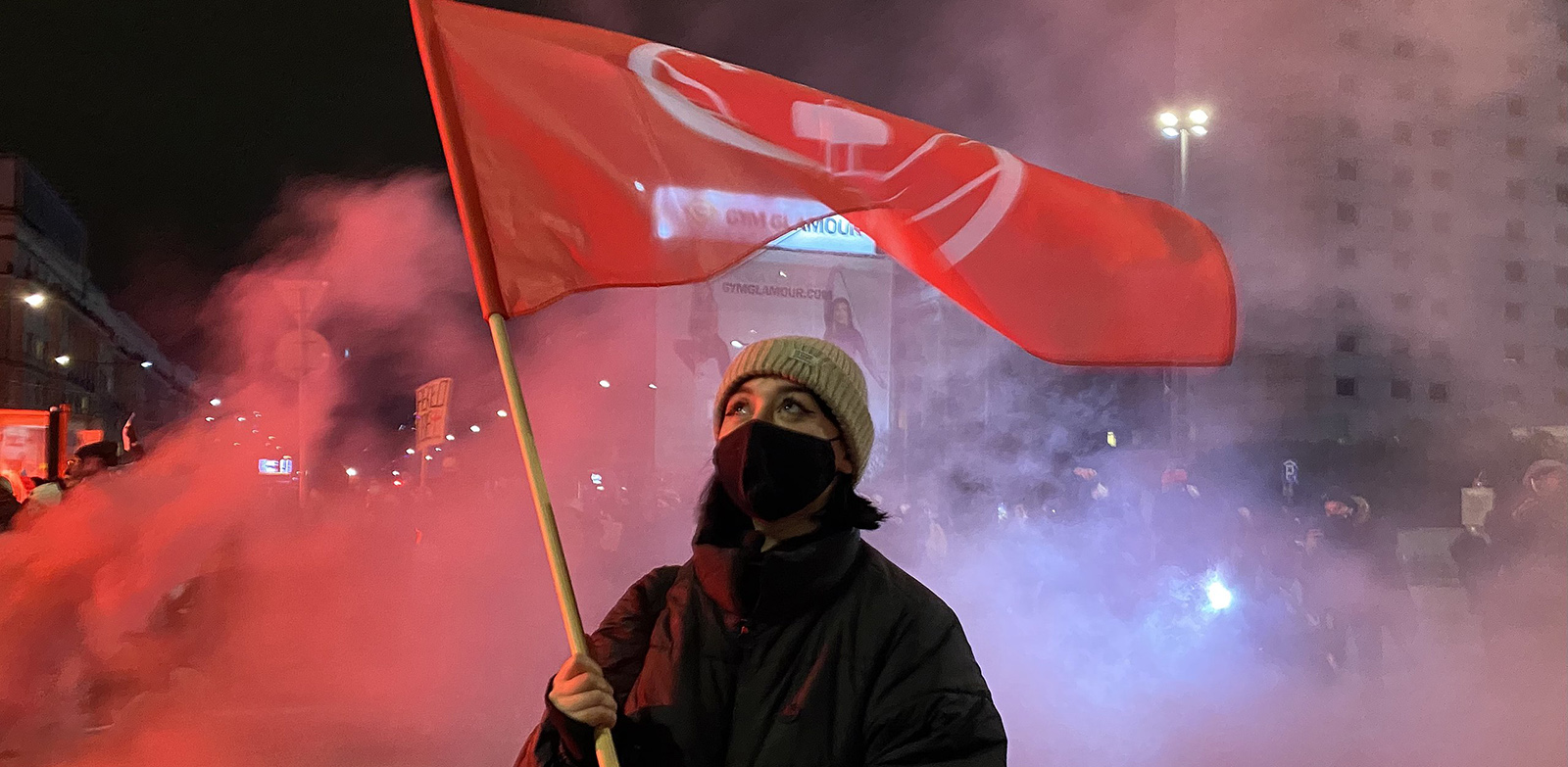
Evidence from Sweden shows that feminist mobilisations, such as #MeToo, can trigger a conservative backlash against gender equality and LGBTQI+ rights. This then fuels support for the radical right, argues Gefjon Off Read more
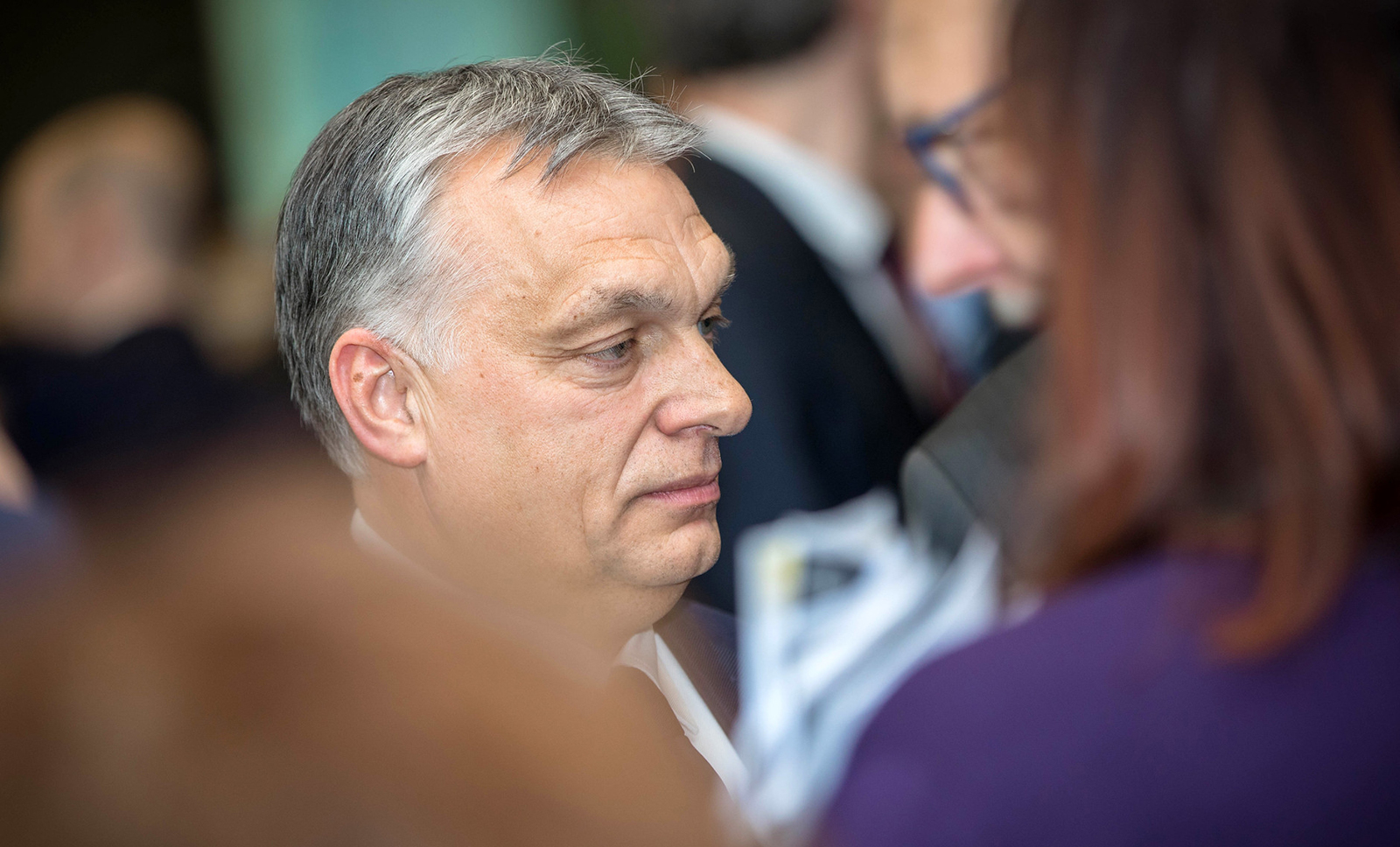
Andrew Richard Ryder
Since 2010, Hungarian Prime Minister Viktor Orbán has carried through measures that have undermined the rule of law, with no prospect for changing this trajectory. However, argues Andrew Richard Ryder, current events present opportunities for a return to democratic values in Hungary Read more
Johanne Døhlie Saltnes
The EU often faces criticism for conducting an inconsistent and arbitrary human rights policy. This critique is misguided and overlooks a more fundamental problem with the policy, argues Johanne Døhlie Saltnes: that it tends to be executive-driven, precluding the participation of individuals and affected groups Read more
We use necessary cookies to make our site work. We'd also like to set analytics cookies that help us make improvements by measuring how you use the site. These will be set only if you accept.
▼
Strictly Necessary Cookies
Necessary cookies enable core functionality such as security, network management, and accessibility. You may disable these by changing your browser settings, but this may affect how the website functions.
▼
Analytics Cookies
Google Analytics
We'd like to set Google Analytics cookies to help us improve our website by collecting and reporting information on how you use it. The cookies collect information in a way that does not directly identify anyone. For more information on how these cookies work please see our Privacy Notice.