Ruairidh Brown
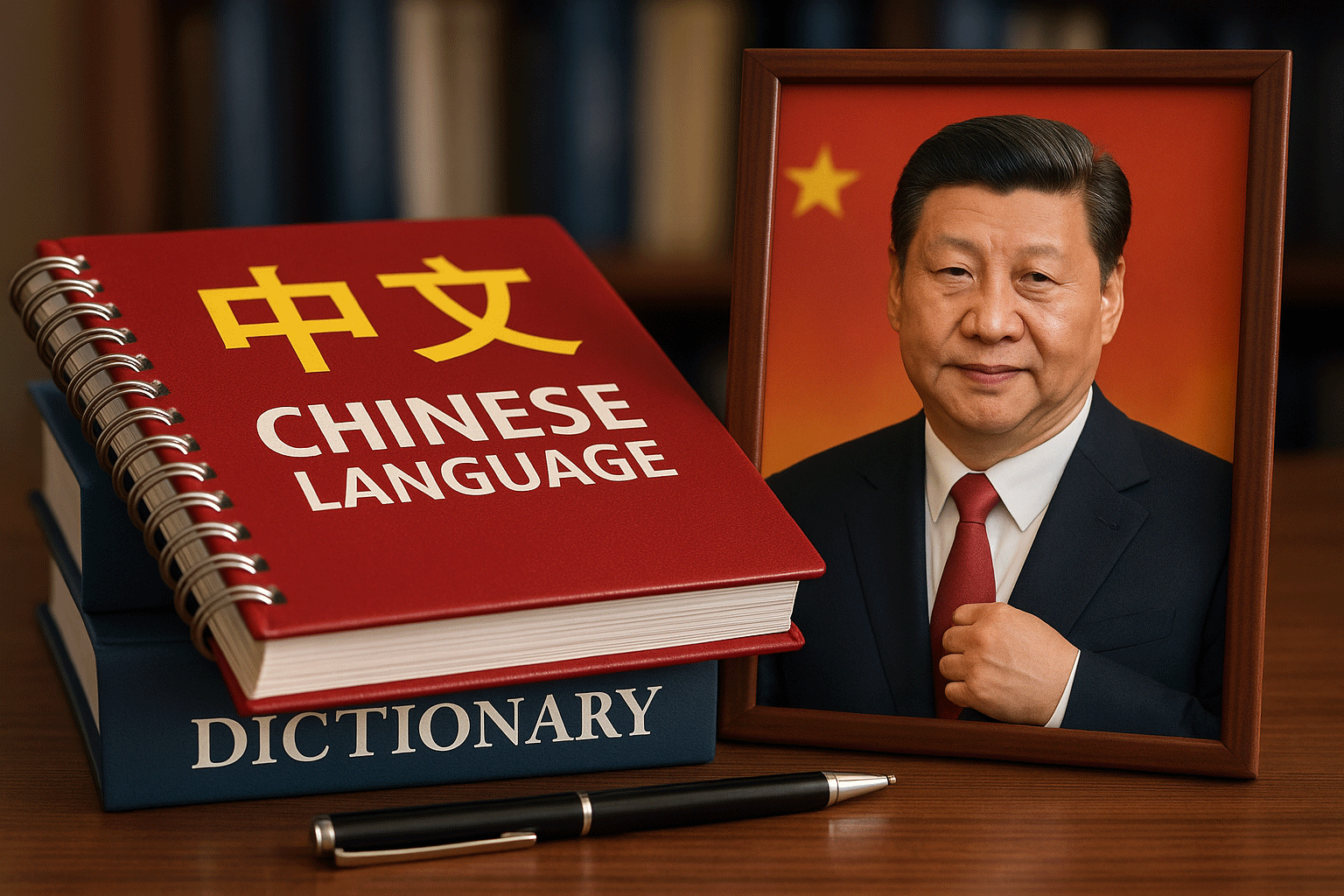
As concerns grow over the global reach of Chinese Communist Party censorship, Ruairidh Brown and Momo clarify how Chinese discourse control functions. Rather than a top-down, process, they argue, censorship is a multidirectional social phenomenon Read more
Ruairidh Brown
The view that DeepSeek is a tool of Chinese censorship is, Ruairidh Brown argues, mistaken. The AI is not censoring but self-censoring, a crucial distinction for understanding its role in shaping political norms Read more
Stefan Messingschlager
Western governments have armies of Mandarin speakers and AI translators, yet they keep misreading Beijing. What’s missing, as Stefan Messingschlager argues, is independent, context-rich expertise – people able to decode China’s history-laden signals and puncture bureaucratic groupthink. This kind of knowledge is strategic insurance every democracy needs before the next crisis hits Read more
Peter Chai
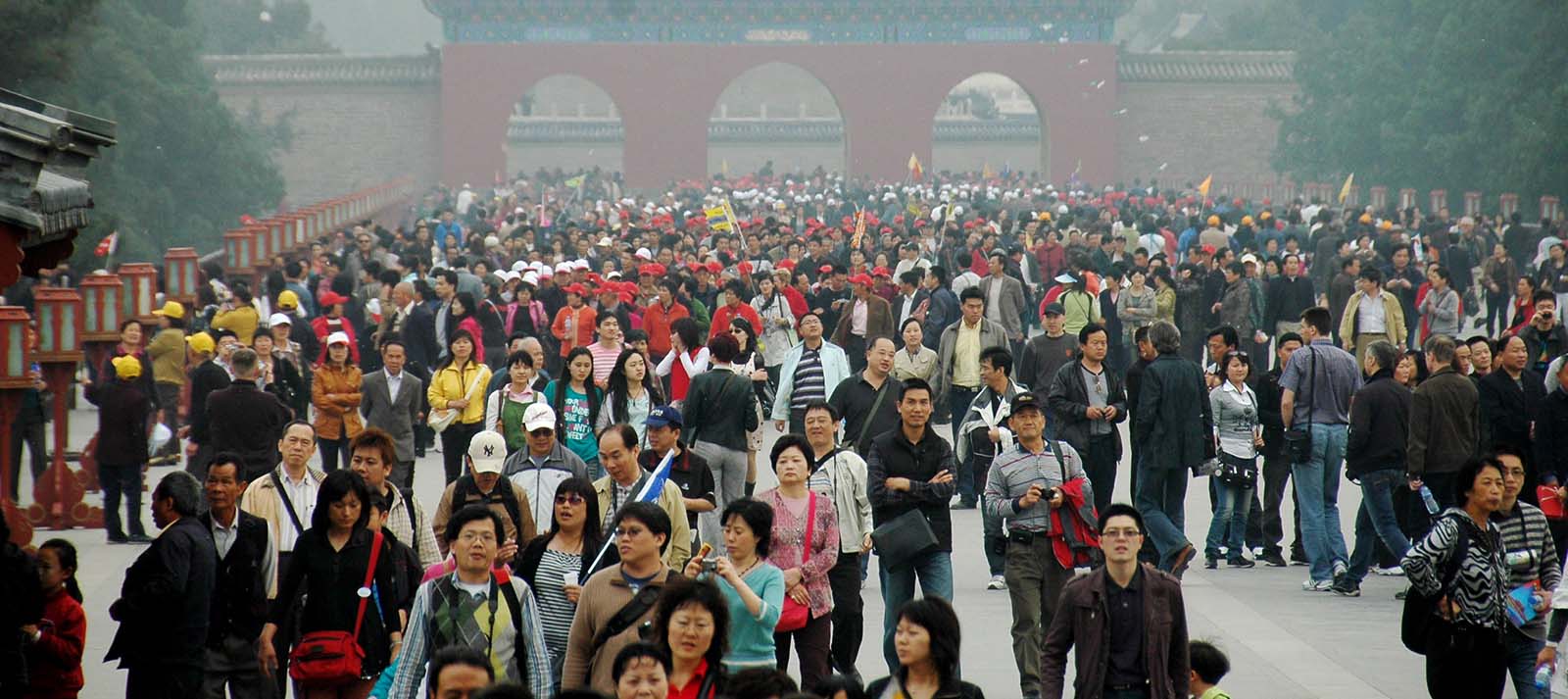
In China do age, education, income, and urbanisation relate to attitudes to environmental protection? To find out, Peter Chai analyses survey data gathered from people on the mainland, between 2005 and 2022. Surprisingly, he finds no clear relationships between socio-demographic variables and concern about the environment Read more
James F. Downes
Political parties frame the UK’s British National (Overseas) visa scheme as historical humanitarian responsibility towards Hong Kong in the context of UK-China relations. But is that really the case? James F. Downes and Kenneth Lai analysed parliamentary speeches from 2019 to 2023. Their findings suggest the UK government uses BNO visas as a geopolitical tool Read more
Joakim Kreutz
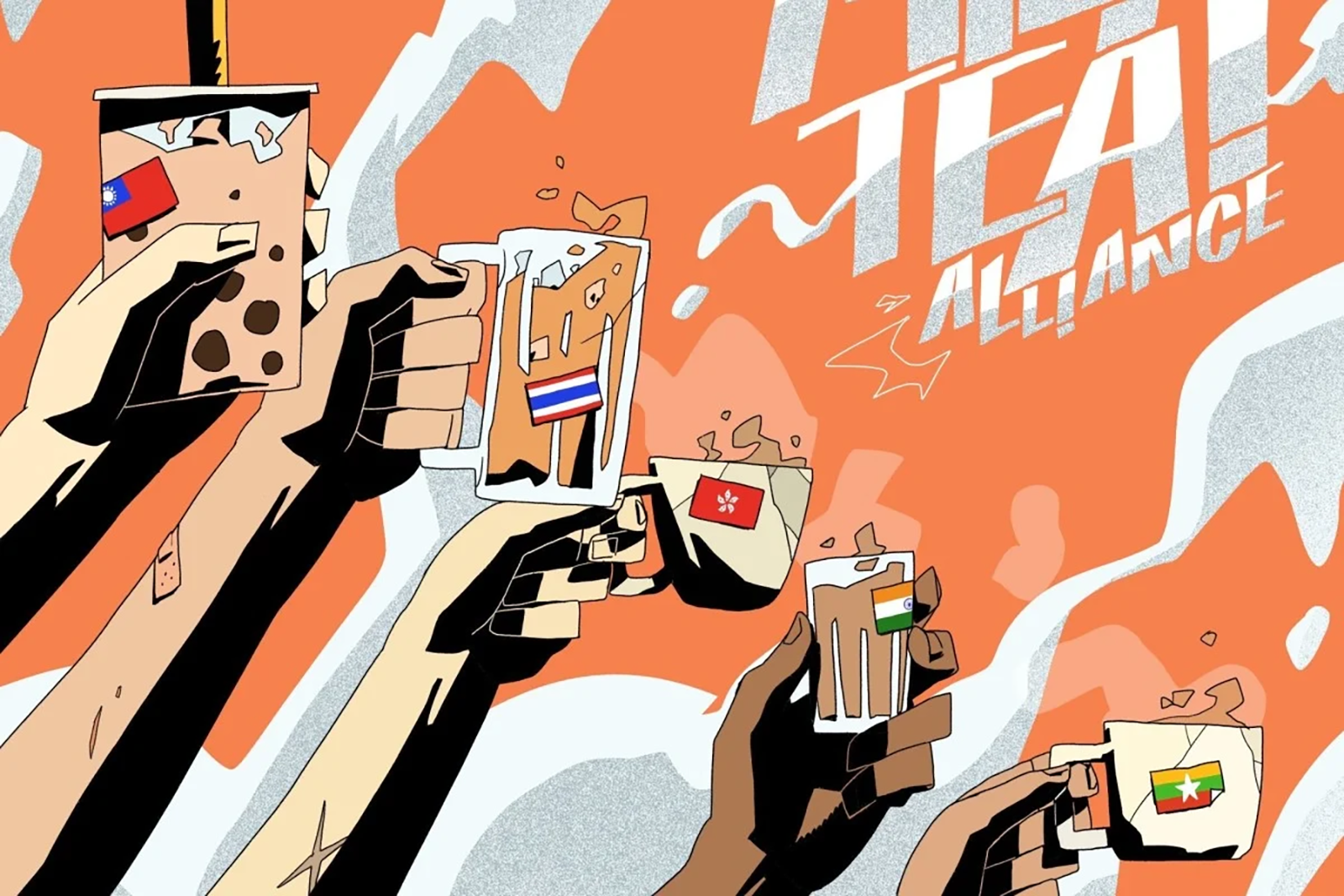
In an increasingly globalised and digital world, national borders are no longer constraints on political mobilisation, argue Joakim Kreutz and Anthi Antonia Makrogianni. Thailand's 2020 #MilkTeaAlliance protests show how shared identities created in online communities can form in reaction to online repression Read more
Stephen Bagwell
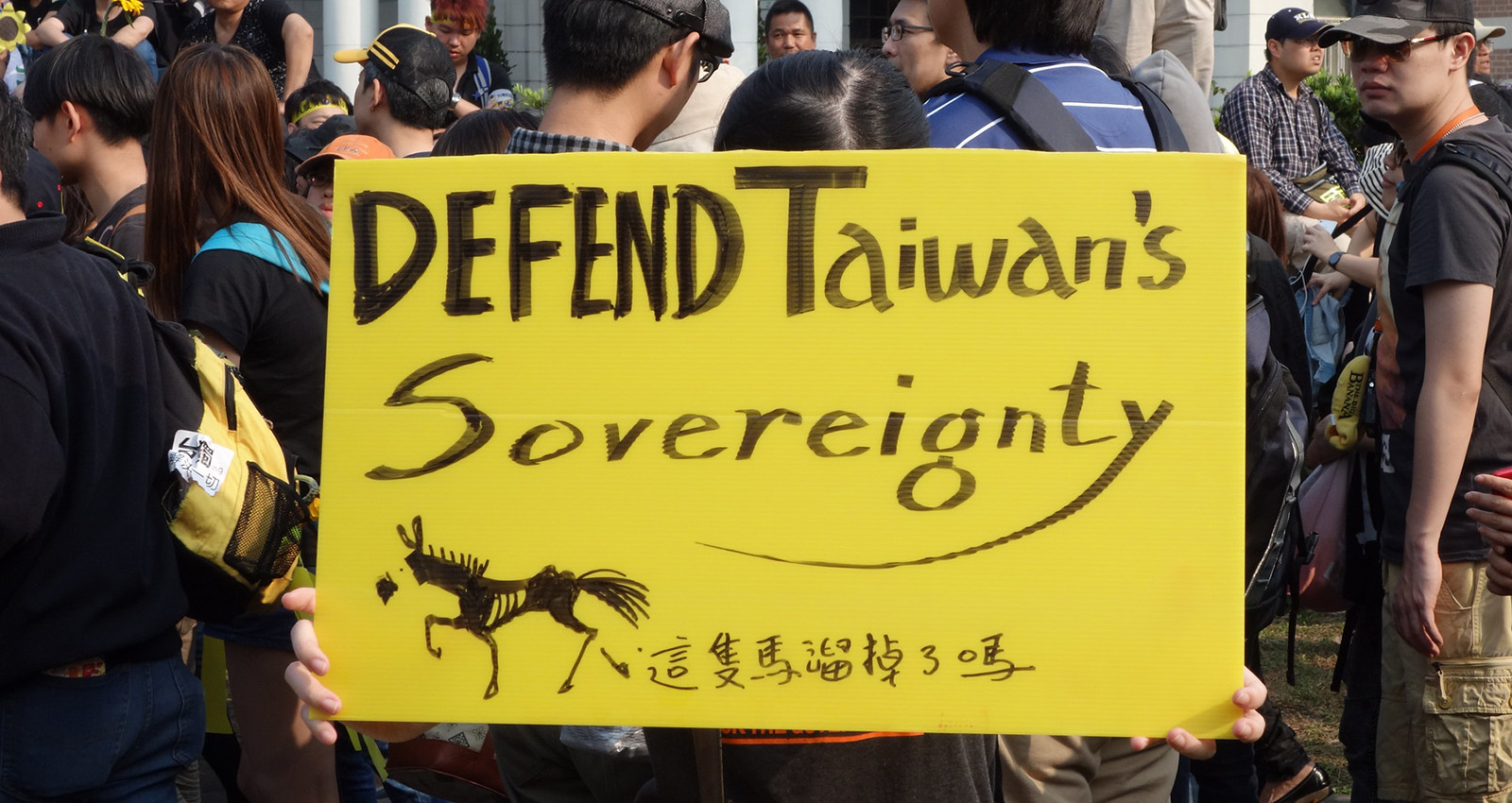
The case of Hong Kong shows that Chinese Communist Party dominance has a negative impact on empowerment rights. For Taiwan, though, it could end up much worse. Stephen Bagwell and Meridith LaVelle explore the potential outcomes of this scenario, using evidence from Hong Kong and data from the Human Rights Measurement Initiative Read more
Sor-hoon Tan
Sor-hoon Tan explores the challenge that ‘Chinese democracy’ represents for Jean-Paul Gagnon’s democracy ‘data mountain’ project. She argues that exploring the Chinese case helps us establish the wide-ranging parameters to the project. It also identifies the theoretical issues we must confront for the project to succeed Read more
We use necessary cookies to make our site work. We'd also like to set analytics cookies that help us make improvements by measuring how you use the site. These will be set only if you accept.
▼
Strictly Necessary Cookies
Necessary cookies enable core functionality such as security, network management, and accessibility. You may disable these by changing your browser settings, but this may affect how the website functions.
▼
Analytics Cookies
Google Analytics
We'd like to set Google Analytics cookies to help us improve our website by collecting and reporting information on how you use it. The cookies collect information in a way that does not directly identify anyone. For more information on how these cookies work please see our Privacy Notice.