Ilan Kapoor
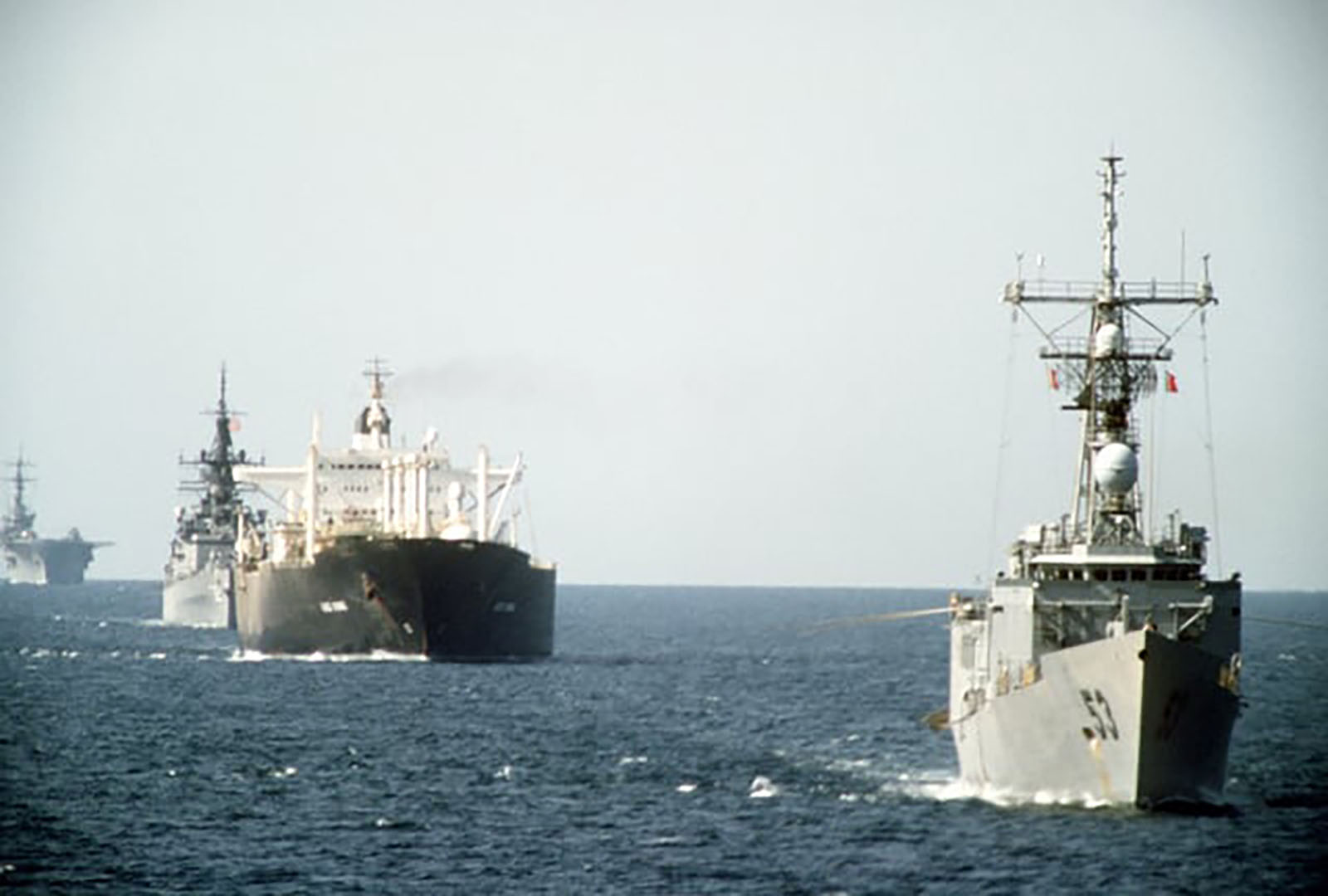
From the Strait of Hormuz to Europe’s gas crisis, energy dependence lets states project power through prices, not troops. This, says Ilan Kapoor, is reshaping geopolitical influence Read more
Hanna Zelma Horányi
What role do sexism, racism, and climate denial play in the regime of Hungarian Prime Minister Viktor Orbán? Hanna Zelma Horányi describes how Orbán is legitimising his power through the concept of ‘petro-masculinity’ Read more
Mehmet Haşim Çevik
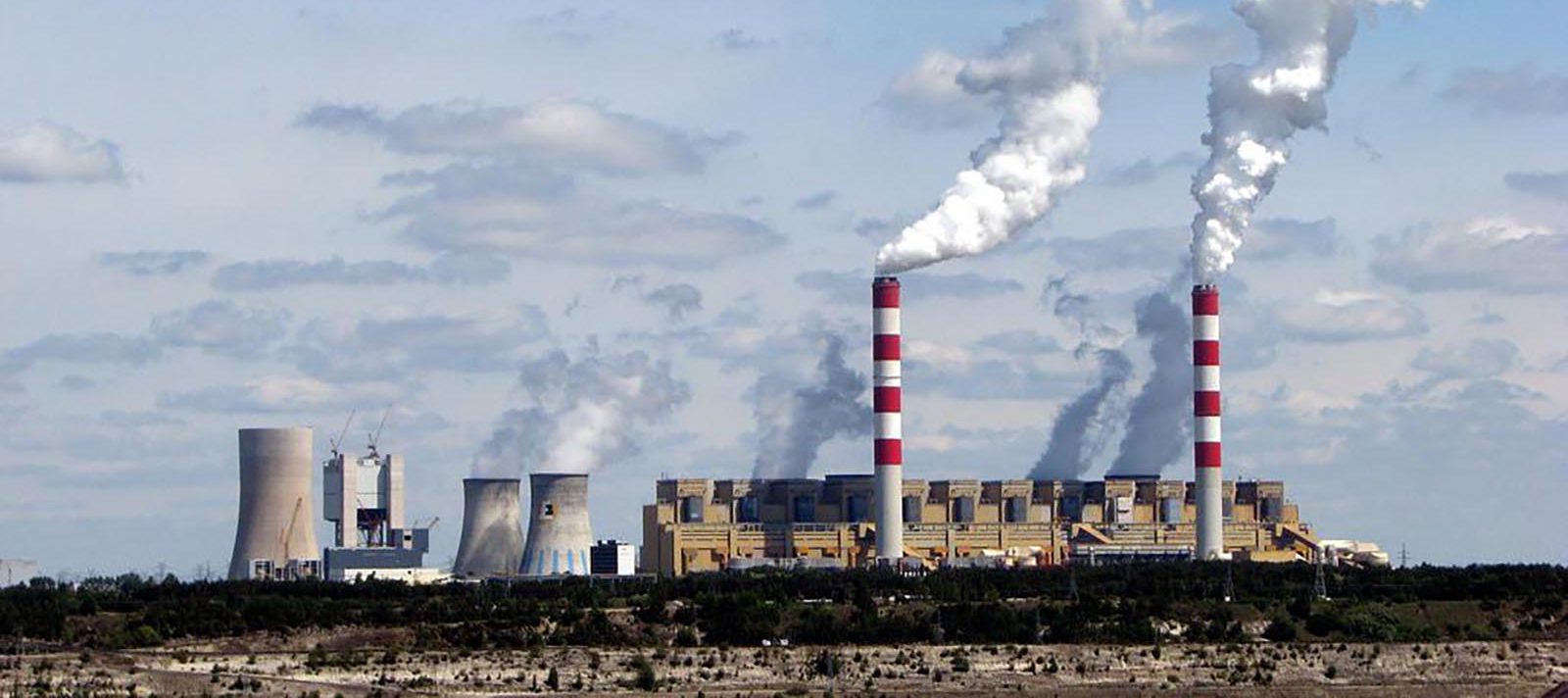
Right-wing populist parties have divergent positions on policies that seek to combat climate change. Key to understanding why, writes Mehmet Haşim Çevik, is whether the country relies on domestic fossil fuels Read more
Paul Whiteley
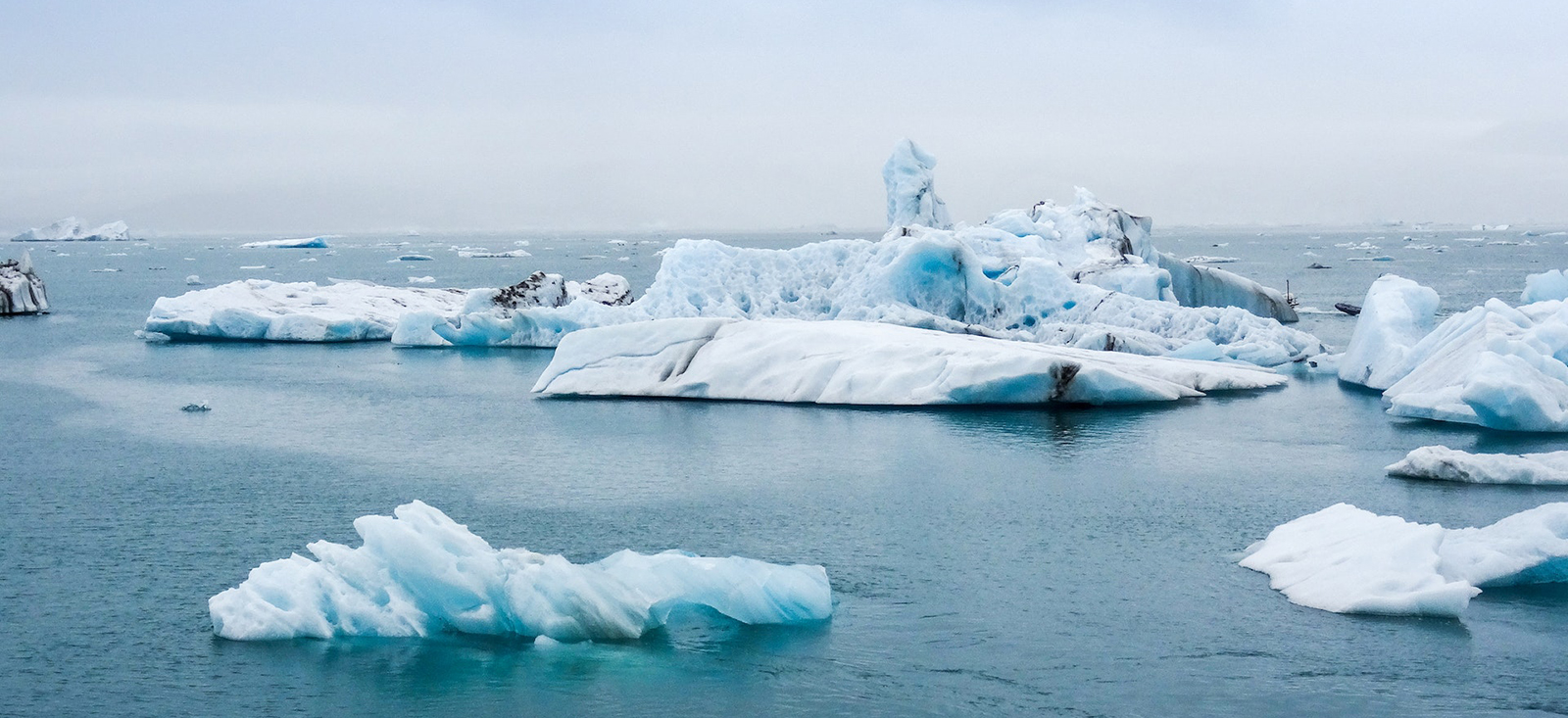
Following COP27, Paul Whiteley explores public attitudes across the world to whether governments should prioritise growing the economy or resisting climate change. The findings across countries with different levels of economic development help explain the difficulties of finding common cause in the climate change challenge Read more
Maria Gloria Polimeno
EU independence from Russia's fossil fuels is predicated on a defence of democratic principles. Yet, argues Maria Gloria Polimeno, a moral contradiction in policy is emerging as EU member states seeks other suppliers. This highlights the need for a sustainable green transition in EU energy supplies Read more
Albrecht Rothacher
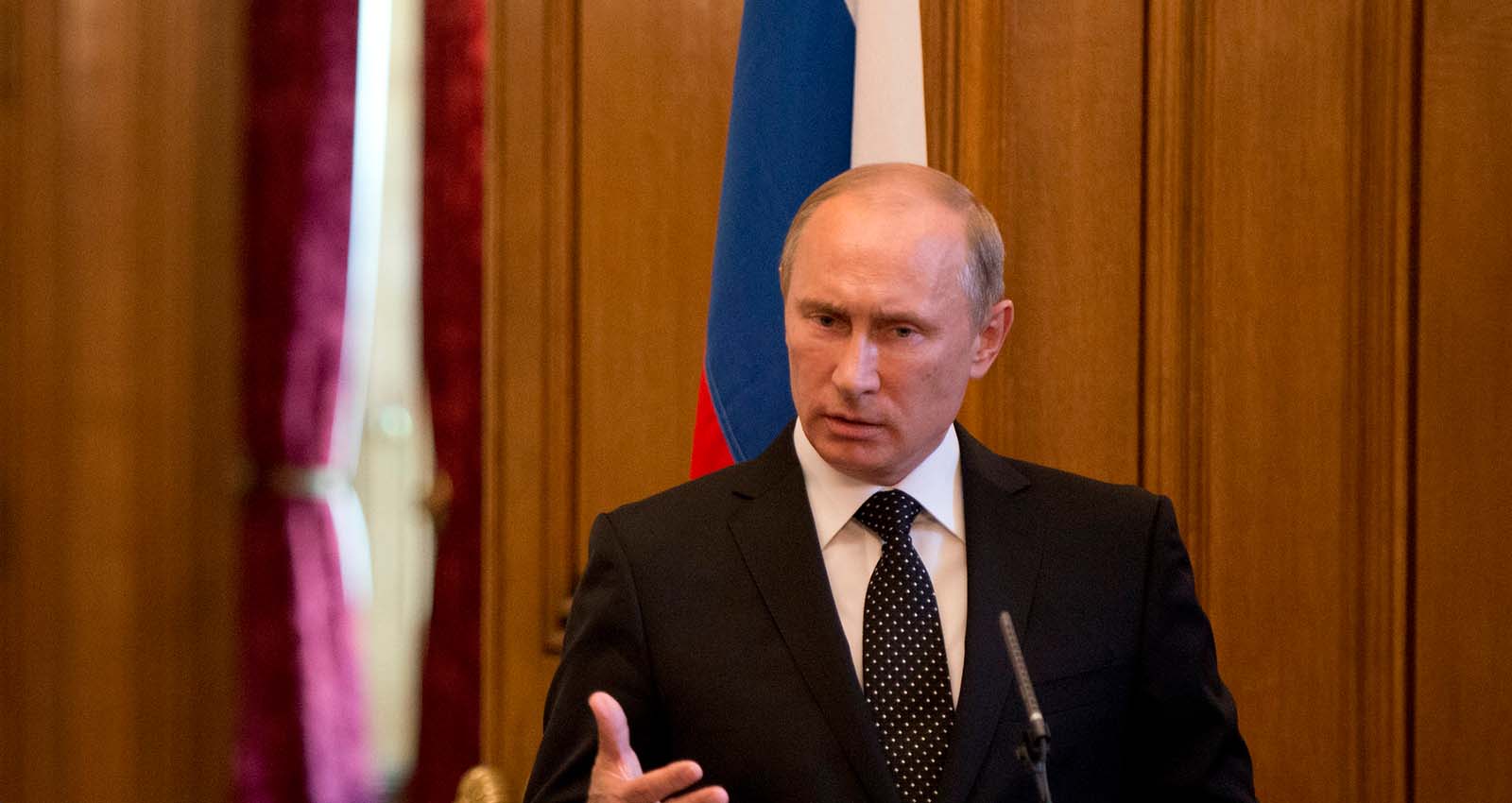
Albrecht Rothacher argues that Putin’s power play over Ukraine, while being driven by the West’s current weakness, serves neither Russia or the West. The two sides should, instead, lower tensions and address together several long-standing issues at the heart of current international instability Read more
Rafal Fabianowicz
The current energy price crisis, the forthcoming European Council meeting and a new German government might create an opportunity to add nuclear energy and transitional fossil fuels to the EU's energy taxonomy. Rafal Fabianowicz assesses the possible outcomes to the ongoing saga Read more
The Loop
Cutting-edge analysis showcasing the work of the political science discipline at its best.
We use necessary cookies to make our site work. We'd also like to set analytics cookies that help us make improvements by measuring how you use the site. These will be set only if you accept.
▼
Strictly Necessary Cookies
Necessary cookies enable core functionality such as security, network management, and accessibility. You may disable these by changing your browser settings, but this may affect how the website functions.
▼
Analytics Cookies
Google Analytics
We'd like to set Google Analytics cookies to help us improve our website by collecting and reporting information on how you use it. The cookies collect information in a way that does not directly identify anyone. For more information on how these cookies work please see our Privacy Notice.