Cătălina Frâncu
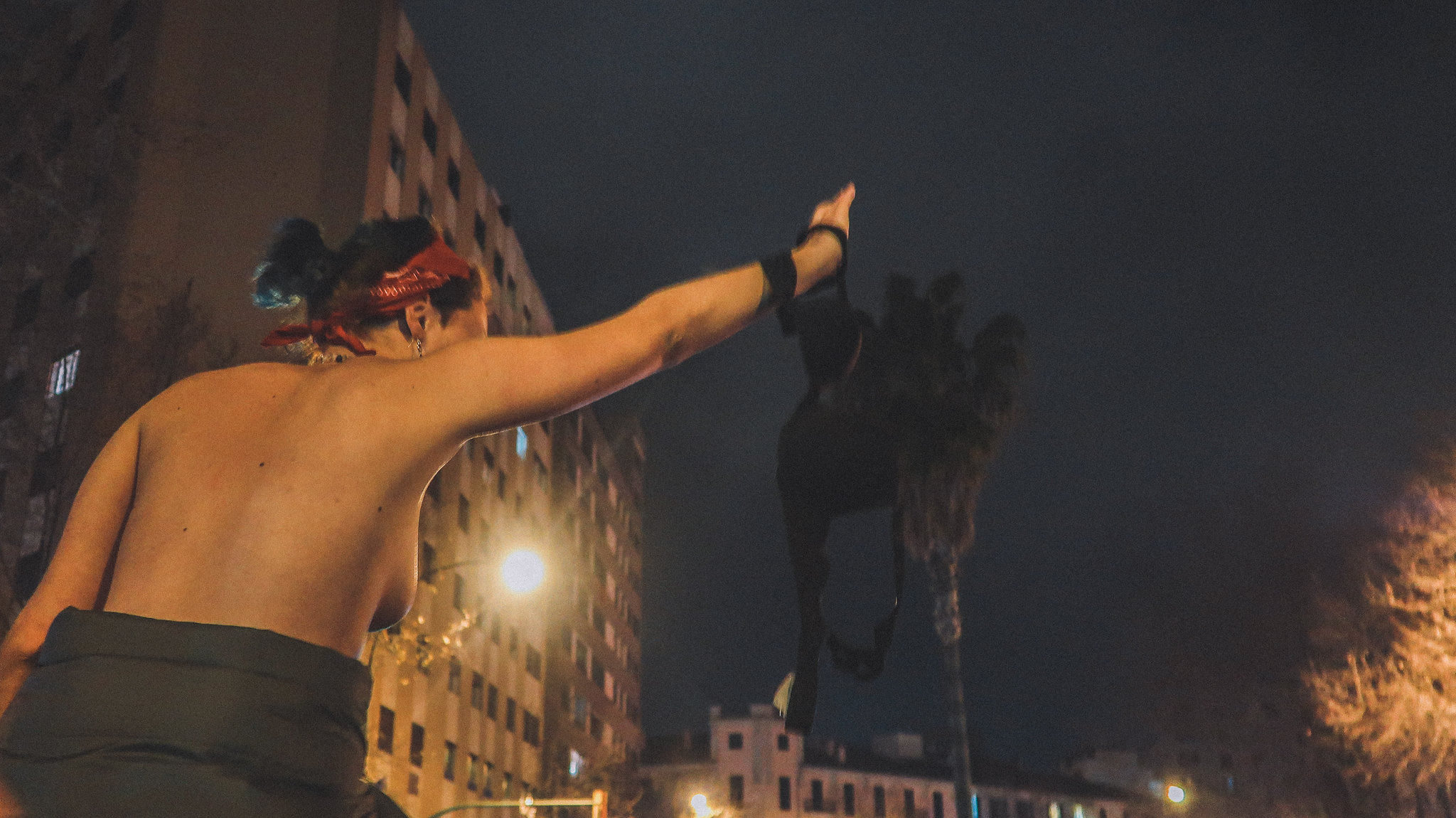
In recent decades, real progress has been made to inclusivity in urban policies and in access to urban spaces. Cătălina Frâncu warns these gains are now under threat. Here, she explores the impact of illiberalism on the exclusion of women and marginalised groups from urban public spaces Read more
Dóra Oprics
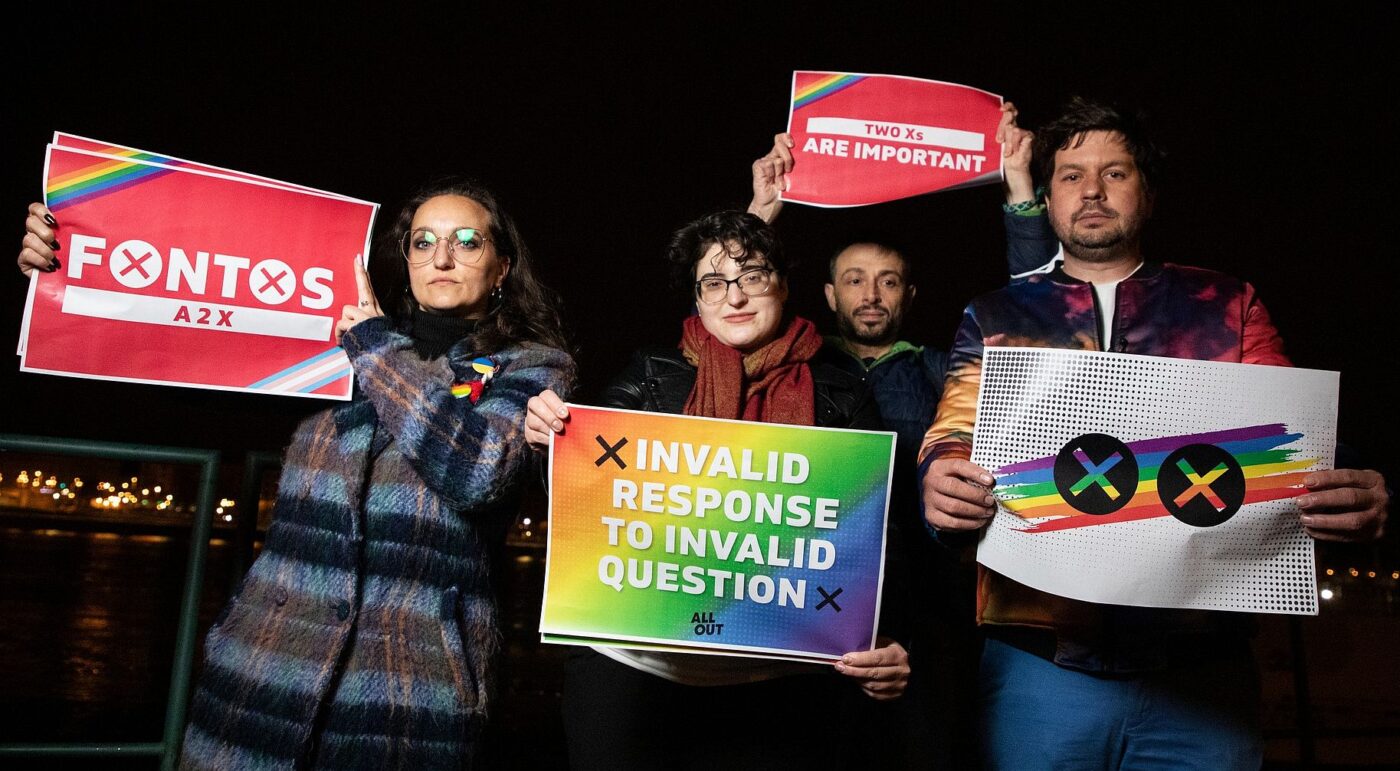
Dóra Oprics explores the 2X civil society campaign in Hungary in 2022, which resulted in 1.7 million Hungarians successfully invalidating an exclusionary child protection referendum. The outcome reveals insights into the mobilising powers of grassroots activism against attempts to demonise the LGBTQIA+ community Read more
Eva Fodor
Illiberal Hungary has become famous in recent years for paying families to have, or pledge to have, children. This, writes Eva Fodor, has transformed the criteria and practice for social citizenship and democratic participation Read more
Gábor Halmai
Hungarian universities are facing increasing interference from government. The recent dismissal of Zoltán Ádám from Corvinus University in Budapest thus signals a worrying erosion of academic autonomy. For Gábor Halmai, Balázs Majtényi, and Andrew Richard Ryder, Ádám's dismissal reflects a pattern. They argue that a broader political agenda is threatening academic freedom, and raising questions about Hungary’s democratic integrity Read more
Barbara Pisciotta
Barbara Pisciotta and Daniela Verena Huber explore how populism fuels societal divisions and provides fertile ground for democratic backsliding. This allows populist leaders to increase their own power at the expense of the opposition Read more
Pedro Perfeito Da Silva
The recurrent crises that emerged from financial globalisation have fuelled the success of populist parties across the world. Pedro Perfeito da Silva explains how initiatives to curb capital mobility and foreign banking ownership align with the ideological features of different varieties of populism Read more
Kinga Korányi
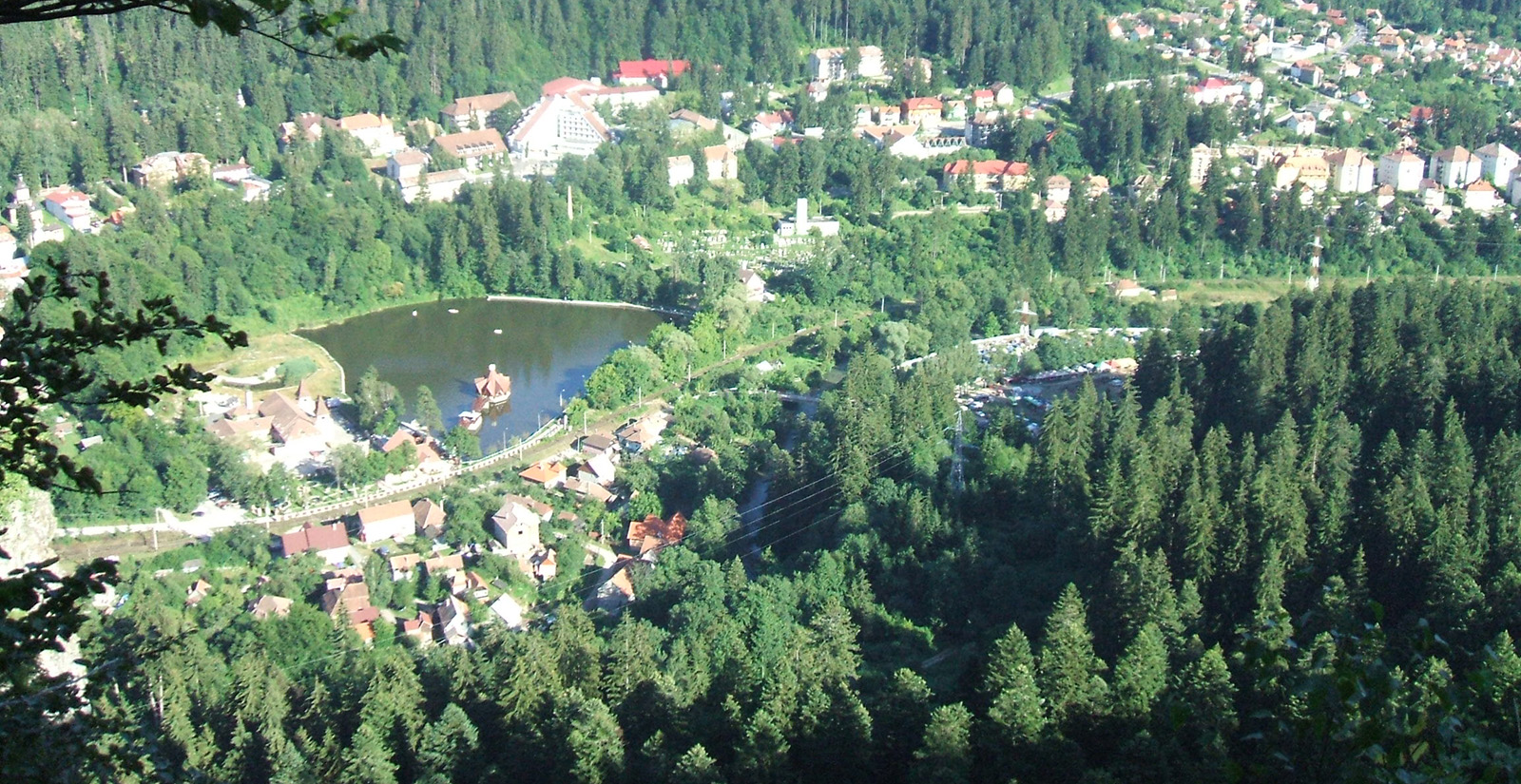
Viktor Orbán’s annual ‘keynote’ speeches at Băile Tușnad are always controversial. Kinga Korányi argues that this year’s speech, in contrast with all those going back to 2010, should outrage observers less for what he said than for what he omitted: the EU’s withholding of all structural funding to Hungary Read more
Anca Turcu
Populists thrive on being perceived as outsiders. This creates an incentive for mainstream governing populist parties to portray themselves as challengers to the establishment. Anca Turcu examines the tactics Hungary’s and Turkey’s governing populists employ to survive mainstreaming Read more
We use necessary cookies to make our site work. We'd also like to set analytics cookies that help us make improvements by measuring how you use the site. These will be set only if you accept.
▼
Strictly Necessary Cookies
Necessary cookies enable core functionality such as security, network management, and accessibility. You may disable these by changing your browser settings, but this may affect how the website functions.
▼
Analytics Cookies
Google Analytics
We'd like to set Google Analytics cookies to help us improve our website by collecting and reporting information on how you use it. The cookies collect information in a way that does not directly identify anyone. For more information on how these cookies work please see our Privacy Notice.