Alíz Nagy
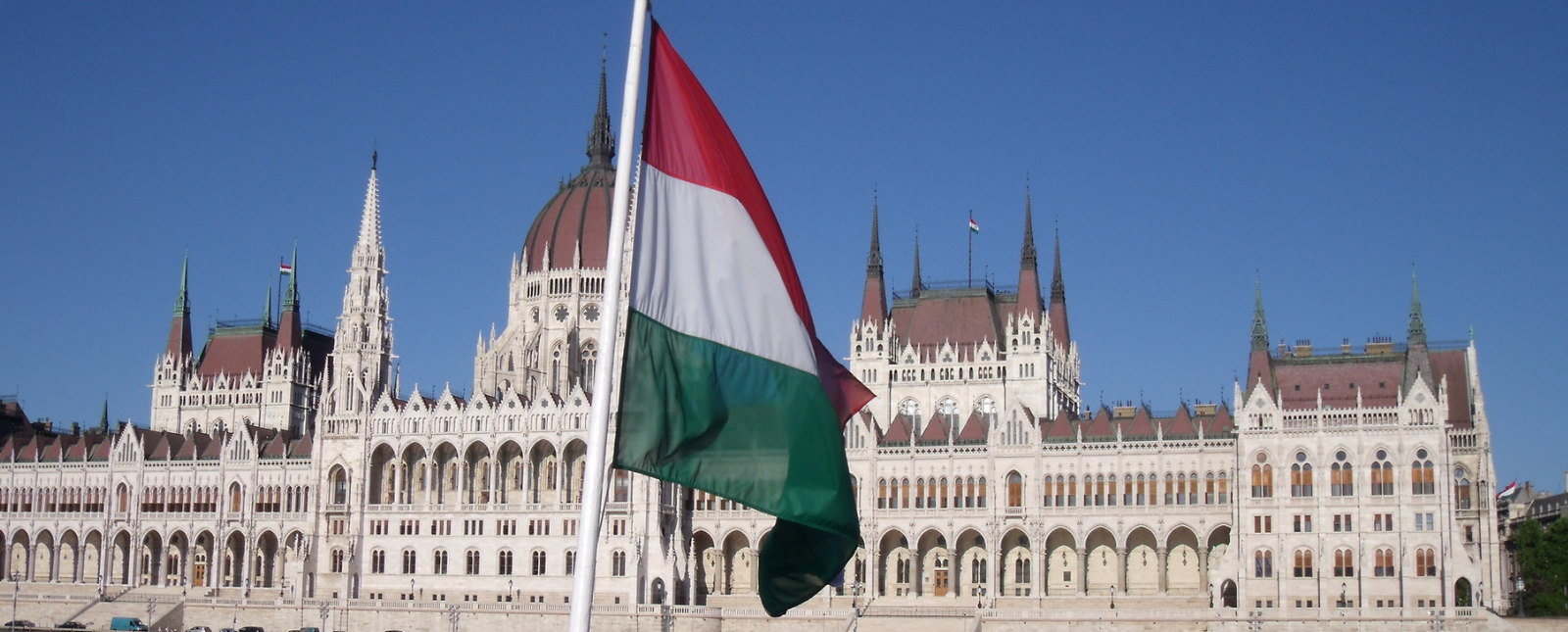
Hungary is gearing up for national elections in April 2026. The authoritarian Fidesz party – in power for over fifteen years – is campaigning hard in the online realm. Alíz Nagy puts these developments in the broader context of digital authoritarianism Read more
Varvara Prodai
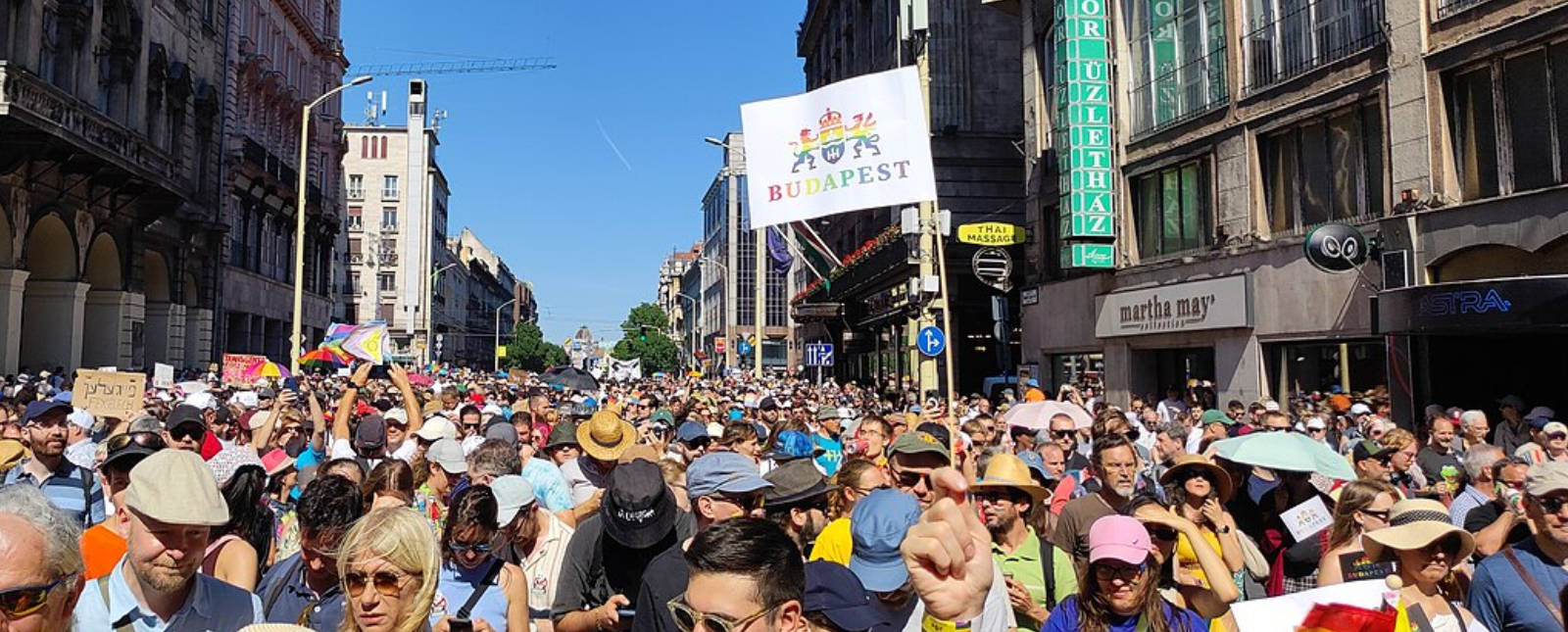
Hungary’s government recast Budapest Pride as a danger to children and national security, then banned the 2025 march. Varvara Prodai’s data show that the 'security threat' framing spiked in Hungarian, while English-language messaging remained legalistic, revealing a two-track playbook that weakens minority rights and narrows civic space Read more
Rafaela Gonzalez Lucioni
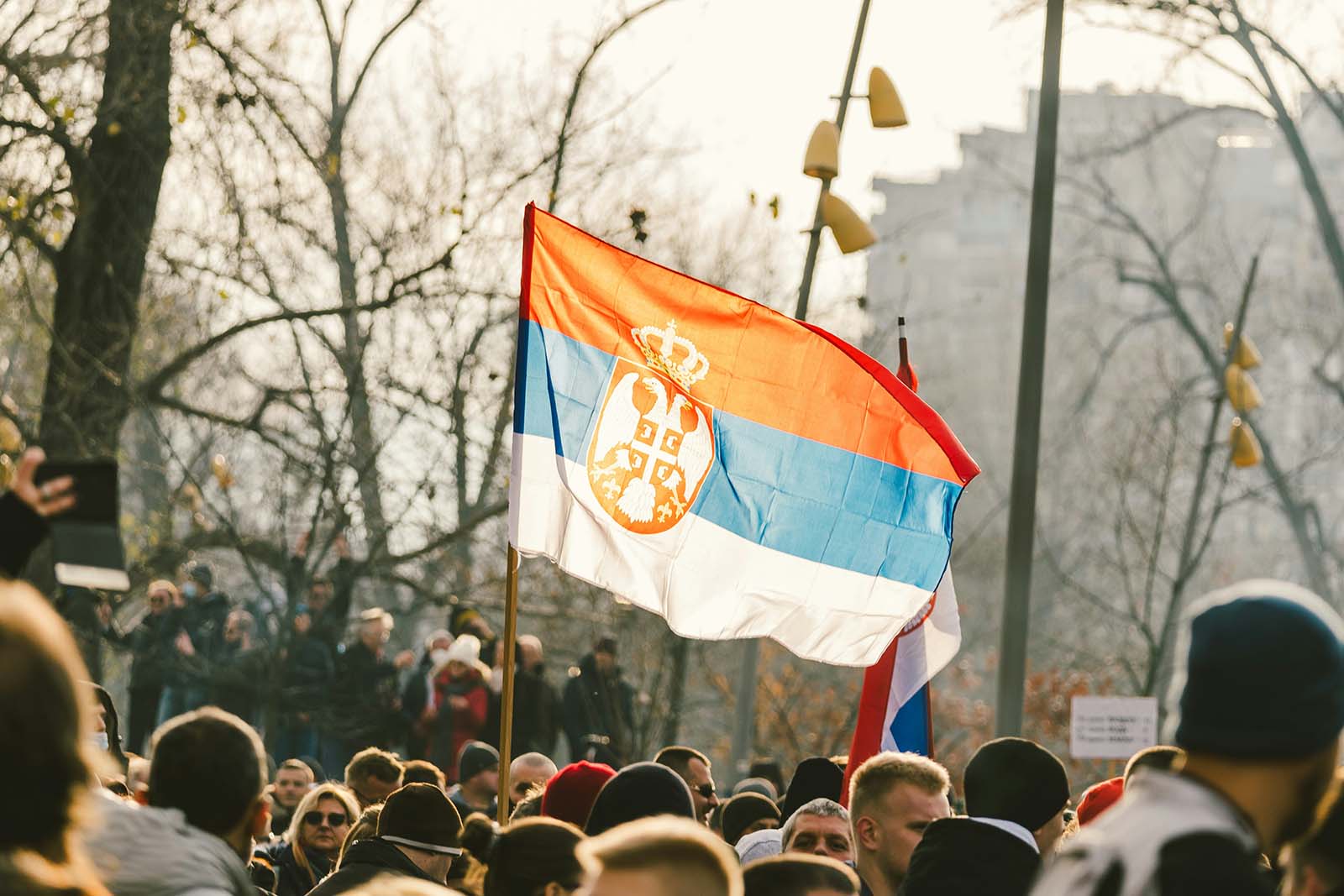
EU enlargement, without credible enforcement of democratic standards, threatens the Union’s integrity. Cases like Hungary and Serbia expose the dangers of performative reforms and weak accountability. Rafaela Gonzalez Lucioni argues that to remain a values-based project, the EU must reform internal mechanisms and adopt a phased, conditional approach to accession Read more
John Chin
On 1 January, Hungary's six-month presidency of the EU Council ended and the EU made the unprecedented decision to withhold aid to Hungary over rule-of-law violations. John Chin and Mirren Hibbert put these developments in the context of continuing democratic backsliding in Hungary – and divisions over the future of Europe Read more
Kinga Korányi
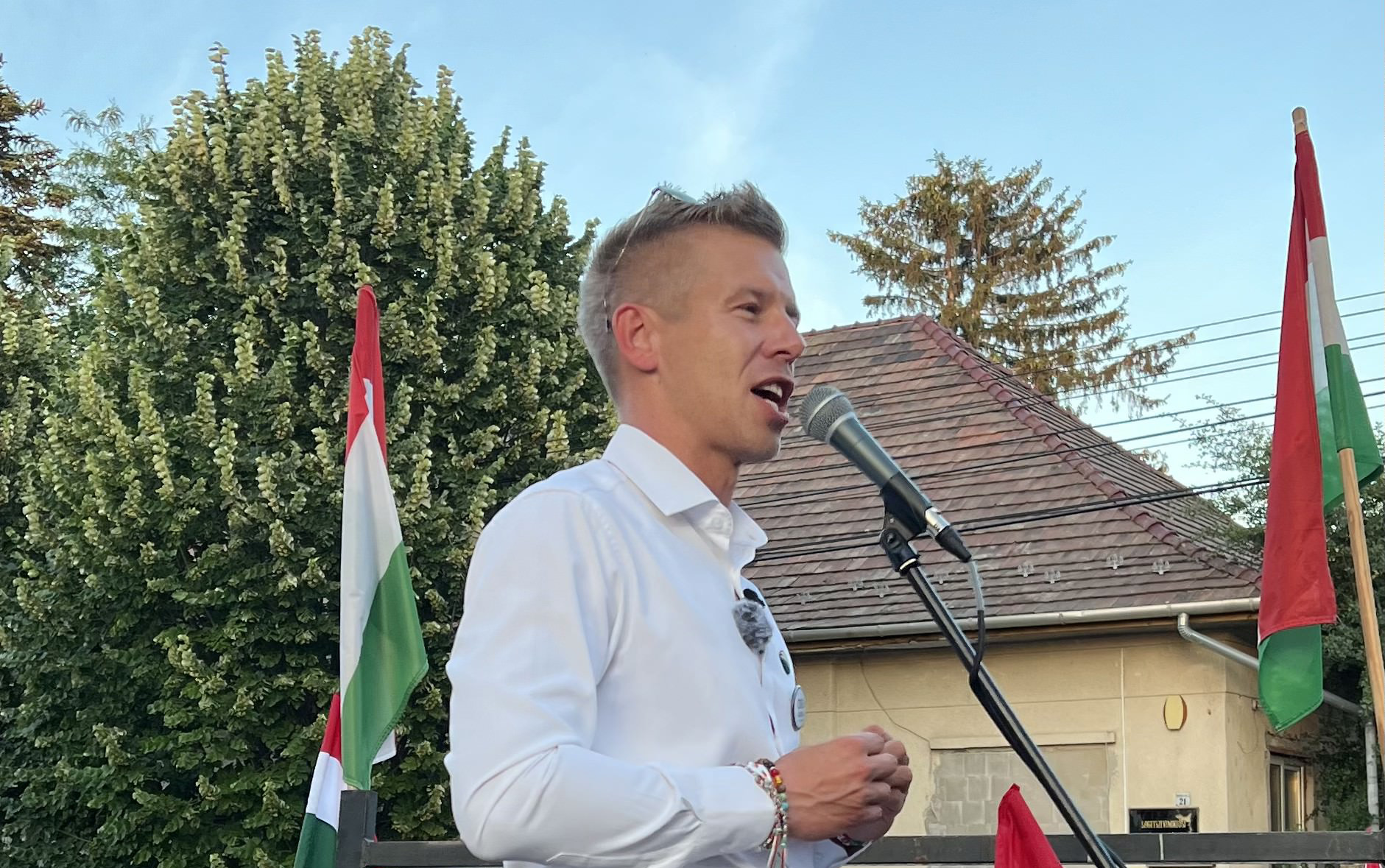
Péter Magyar poses an unprecedented threat to Viktor Orbán’s rule. Kinga Korányi argues that Magyar’s sudden success is the result of his agenda-setting capabilities as a former Fidesz affiliate who caught Orbán’s government by surprise. However, she warns that Magyar’s lasting success is still contigent on several factors. Read more
James F. Downes
James F. Downes argues that elections to the European Parliament will likely lead to record representation for populist far-right parties. Lack of unity and ideological divisions, however, will make it difficult for the far right to wield any real power Read more
Jan Philipp Thomeczek
Jan Philipp Thomeczek argues that European left-wing populist parties become more moderate as a consequence of their participation in government. Here, he draws on recent examples from Spain, Greece and Germany. Read more
Diana Maria Prisecaru
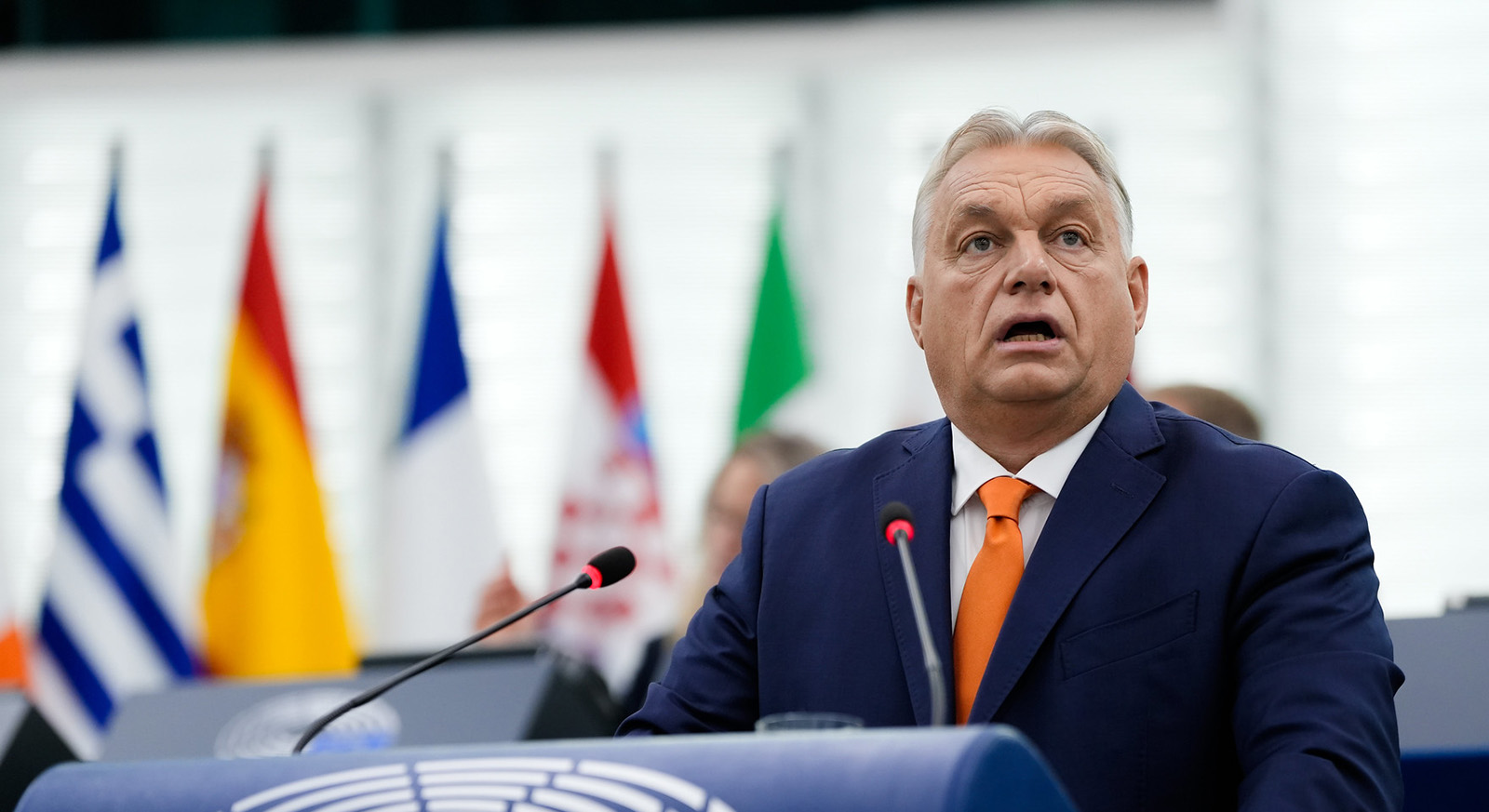
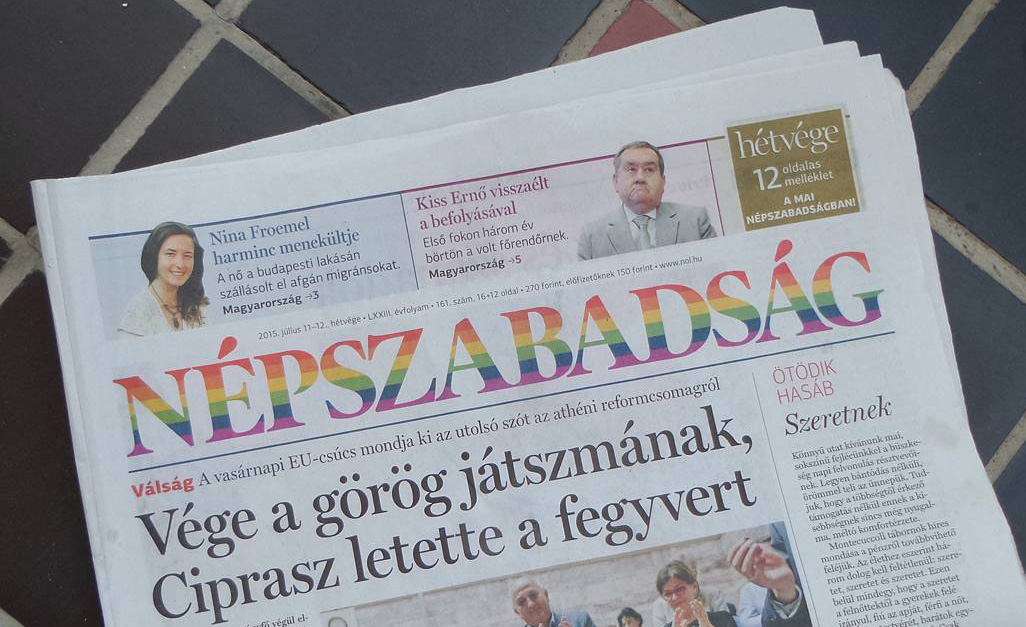
Since 2010, Hungarian Prime Minister Viktor Orbán has been slowly dismantling the country's independent media until there is only voice left: his own. Diana Maria Prisecaru argues that thirteen years of carefully crafted messages has gifted Orbán the grassroots movement he always wanted Read more
We use necessary cookies to make our site work. We'd also like to set analytics cookies that help us make improvements by measuring how you use the site. These will be set only if you accept.
▼
Strictly Necessary Cookies
Necessary cookies enable core functionality such as security, network management, and accessibility. You may disable these by changing your browser settings, but this may affect how the website functions.
▼
Analytics Cookies
Google Analytics
We'd like to set Google Analytics cookies to help us improve our website by collecting and reporting information on how you use it. The cookies collect information in a way that does not directly identify anyone. For more information on how these cookies work please see our Privacy Notice.