Eiman Alabdulghani
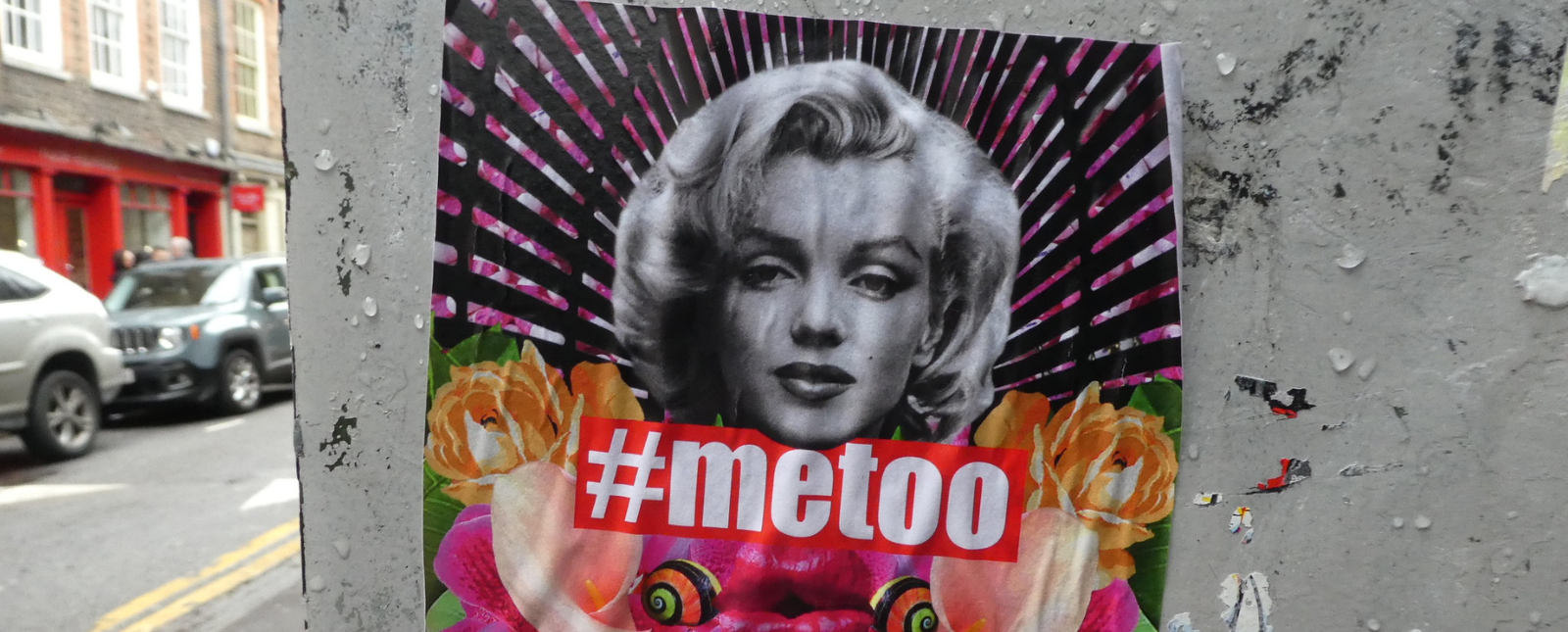
For decades, activists have worked to end gender-based violence through grassroots organising, legal challenges, and public education. But Eiman Alabdulghani’s research suggests that the digital world represents a powerful new front. Social media hashtags can spark global movements, and citizen journalists can hold power to account in ways previously unimaginable Read more
Madalina Botan
Romania’s recent elections didn’t just happen at the ballot box. They unfolded across TikTok, Facebook, X, and other similar platforms on which nationalism, conspiracy, and algorithmic propaganda turned fringe voices into front-page politics. Madalina Botan argues that this digital battleground expanded beyond borders, as Romanians abroad became powerful co-authors of a polarised political story Read more
Varvara Prodai
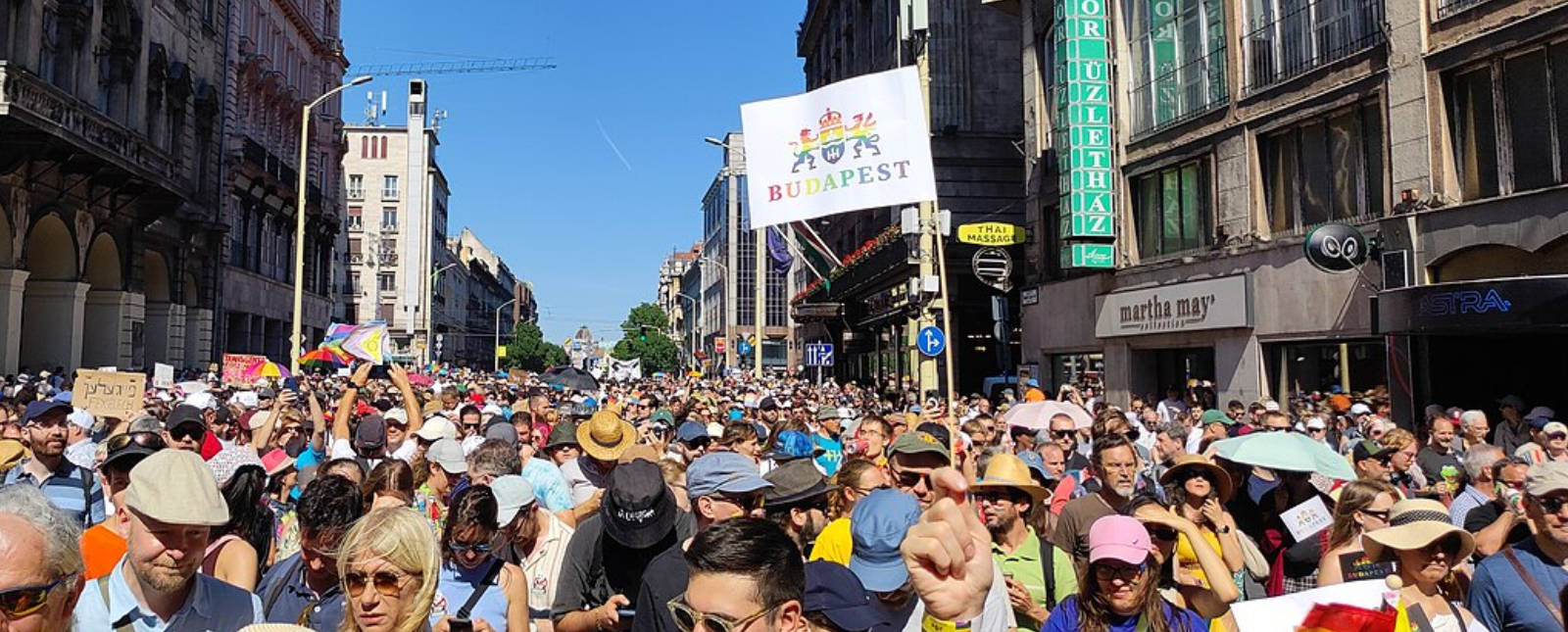
Hungary’s government recast Budapest Pride as a danger to children and national security, then banned the 2025 march. Varvara Prodai’s data show that the 'security threat' framing spiked in Hungarian, while English-language messaging remained legalistic, revealing a two-track playbook that weakens minority rights and narrows civic space Read more
Frederik Henriksen
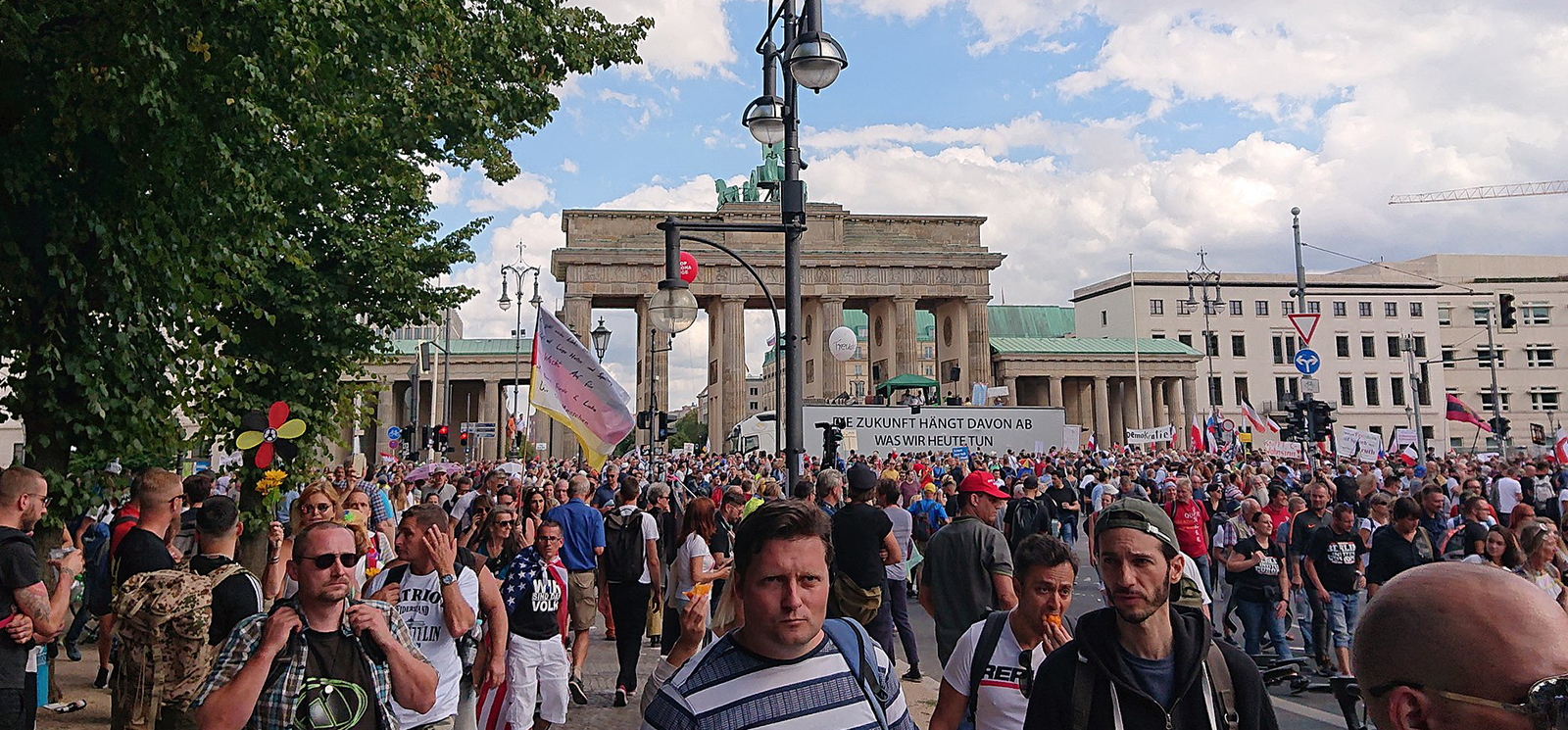
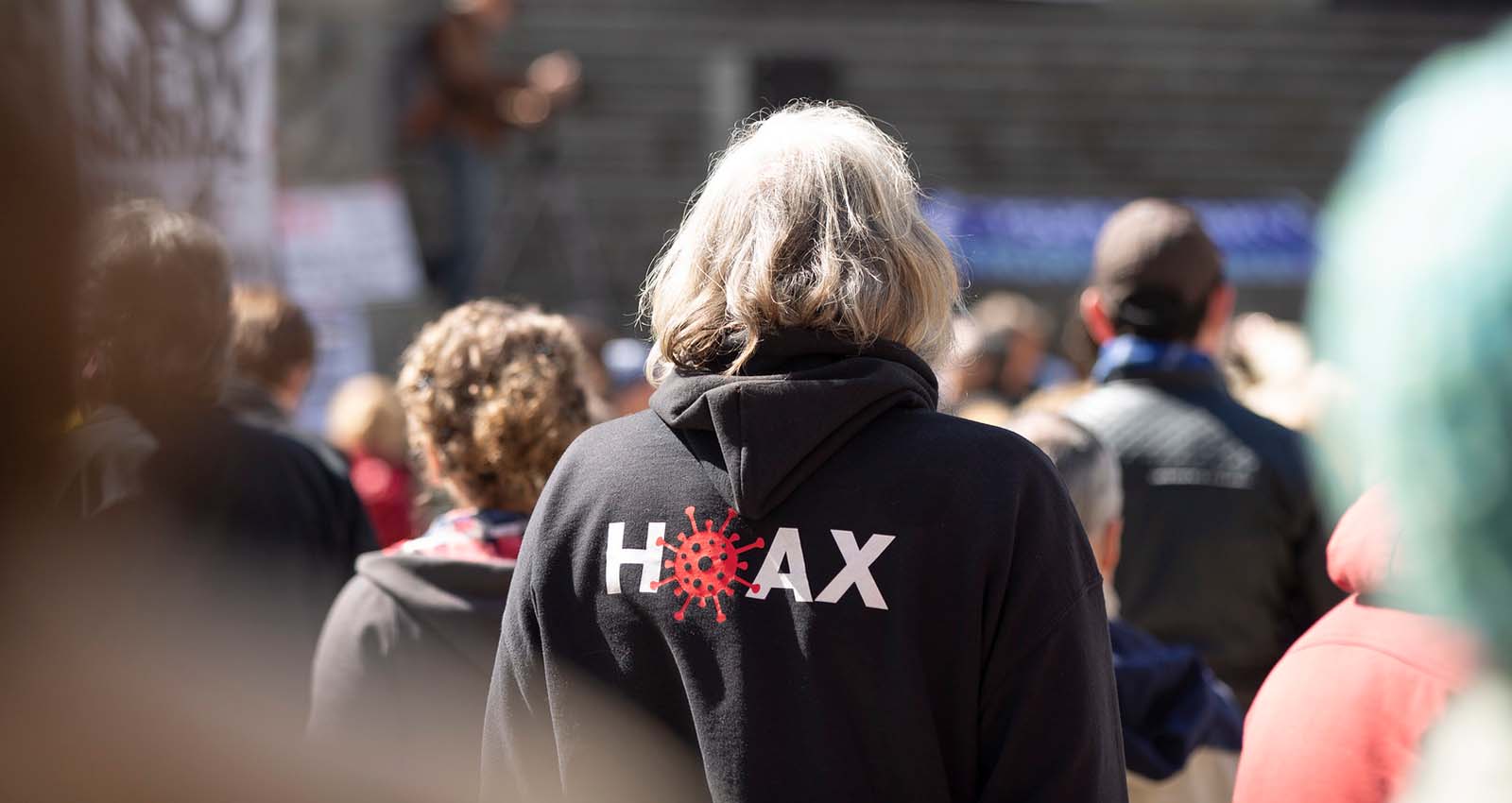
Frederik Henriksen analyses anti-systemic, populist movements during the Covid-19 pandemic. Here, he explains how these movements rely on alternative news media to establish their own digital information bubbles, and shows how ideological partisanship evolved in these environments Read more
Andrea Ceron
Analysing posts on Facebook and Twitter-X, Andrea Ceron, Silvia Decadri, and Fedra Negri highlight how Italian politicians use populist rhetoric to generate engagement. They find that such rhetoric does indeed increase the likelihood of posts going viral, even among non-populist voters Read more
Felipe Arocena
The internet has not, as many hoped, delivered positive change for democracy. But according to Felipe Arocena, there is still a meaningful way to confront the authoritarian advances of new technological powers and reinforce democracy – rebellion Read more
Michael Hameleers
Michael Hameleers explains his team's experimental results: that COVID-19 disinformation is most credible – and dangerous – when it stays close to objective facts. This in turn has implications for how disinformation can be countered. Read more
Ivaylo Dinev
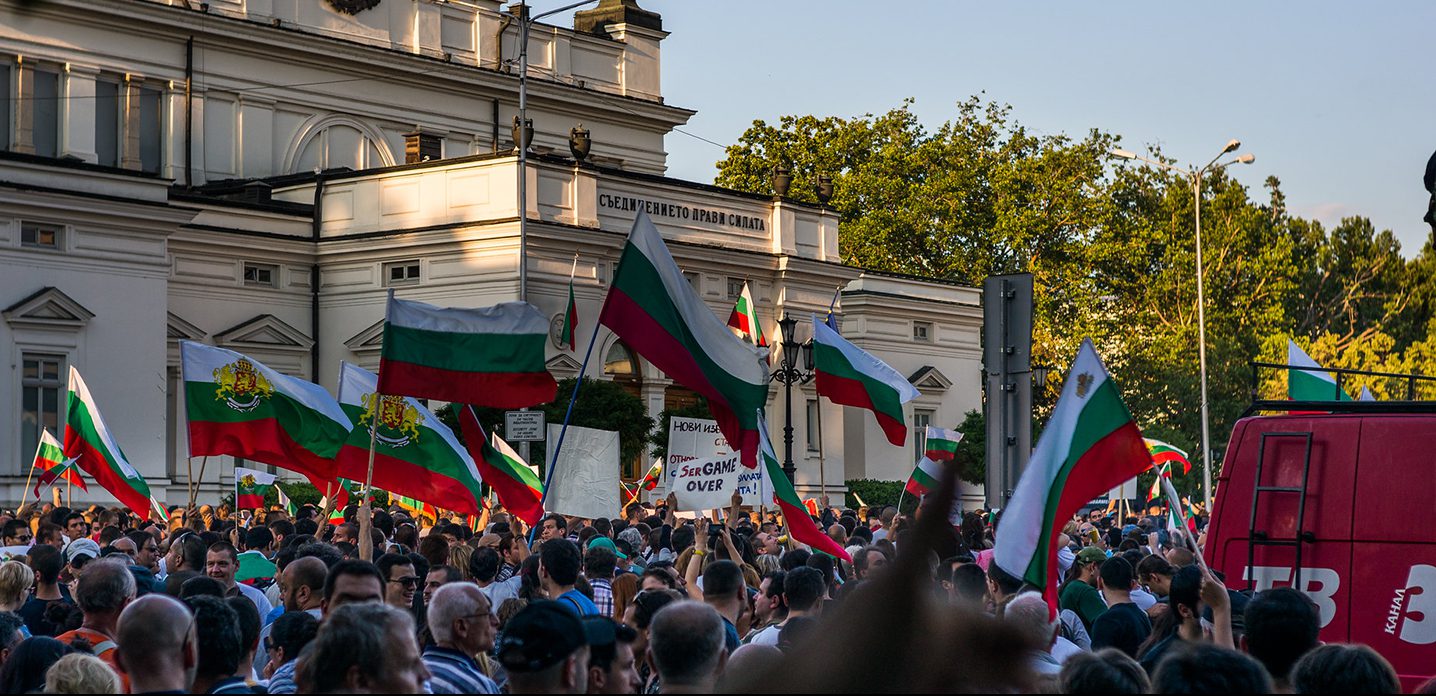
More than one-third of all protest events in Bulgaria and Slovenia since the Great Recession were class-based. Workers’ mobilisations show durability, contends Ivaylo Dinev, though differences between sectors continue to exist Read more
We use necessary cookies to make our site work. We'd also like to set analytics cookies that help us make improvements by measuring how you use the site. These will be set only if you accept.
▼
Strictly Necessary Cookies
Necessary cookies enable core functionality such as security, network management, and accessibility. You may disable these by changing your browser settings, but this may affect how the website functions.
▼
Analytics Cookies
Google Analytics
We'd like to set Google Analytics cookies to help us improve our website by collecting and reporting information on how you use it. The cookies collect information in a way that does not directly identify anyone. For more information on how these cookies work please see our Privacy Notice.