Alexander Kossev
Support for European integration and satisfaction with the European Union are not the same thing. Alexander Kossev argues that Bulgaria reveals a politically important group of frustrated Europeans. They value integration but remain disappointed by its results – creating frustration that political parties can redirect towards very different visions of Europe Not every critic wants […] Read more
Zoe Gueli
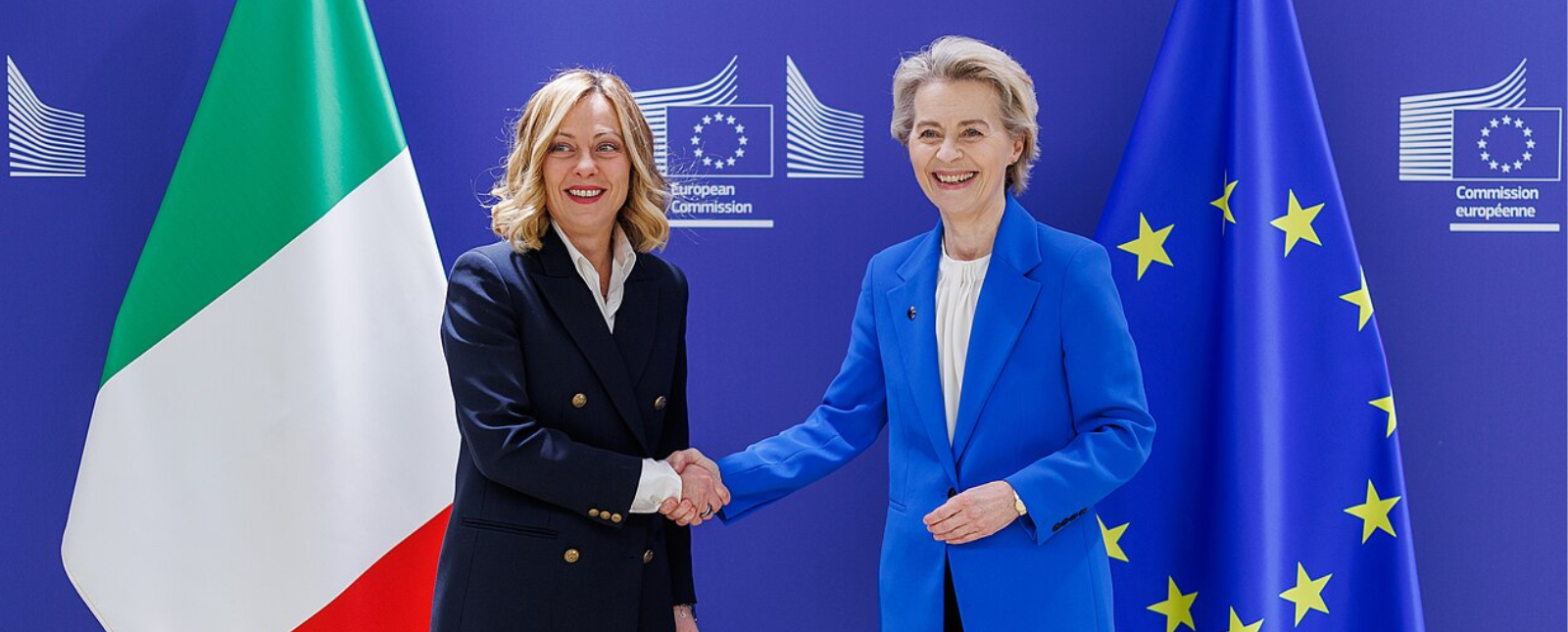
Zoe Gueli argues that in Italy, the anti-Brussels rhetoric of governing right-wing party Fratelli d’Italia survives not because Italians are Eurosceptic, but because its rhetoric functions as a domestic political tool – one that EU institutions are structurally unable to counter Read more
Milen Lyubenov
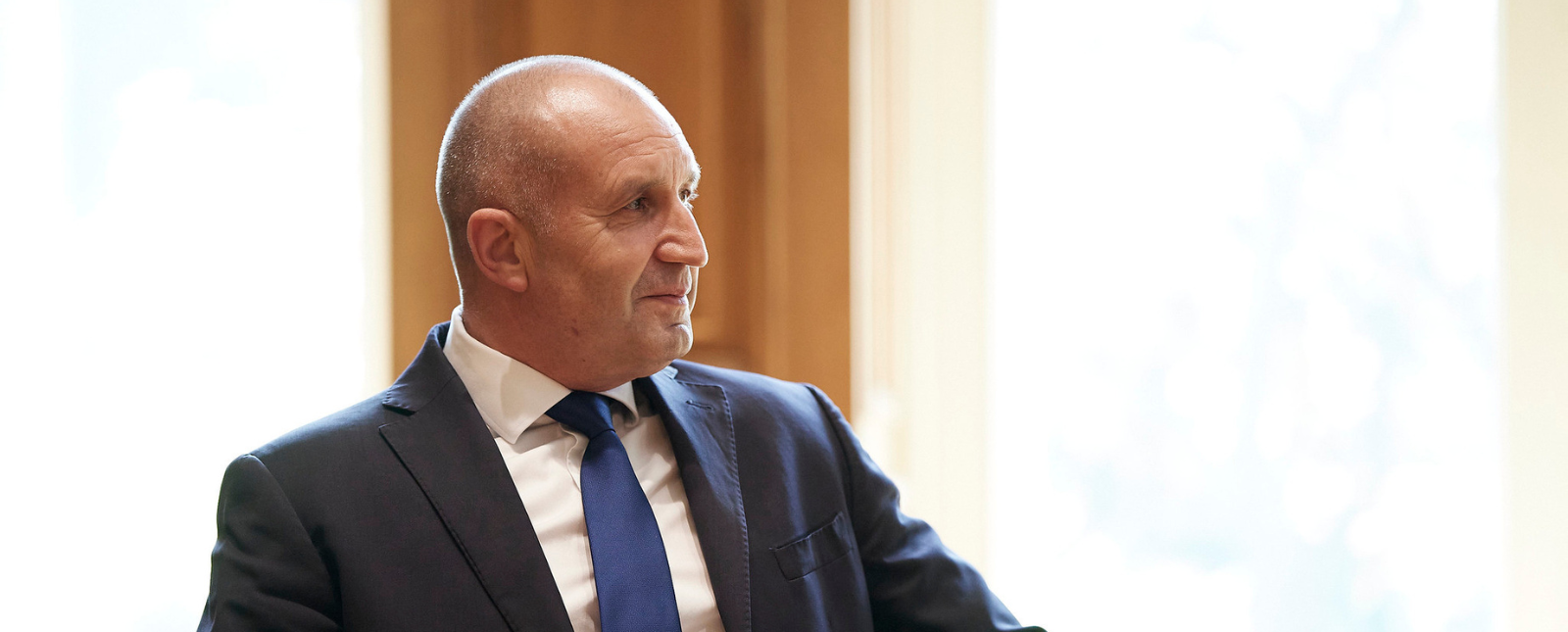
Milen Lyubenov and Dragomir Stoyanov argue that the Bulgarian parliamentary elections of April 2026 may well have resolved a five-year political crisis through a landslide victory for ex-President Rumen Radev’s new political formation, ‘Progressive Bulgaria’ Read more
Jan Pieter Beetz
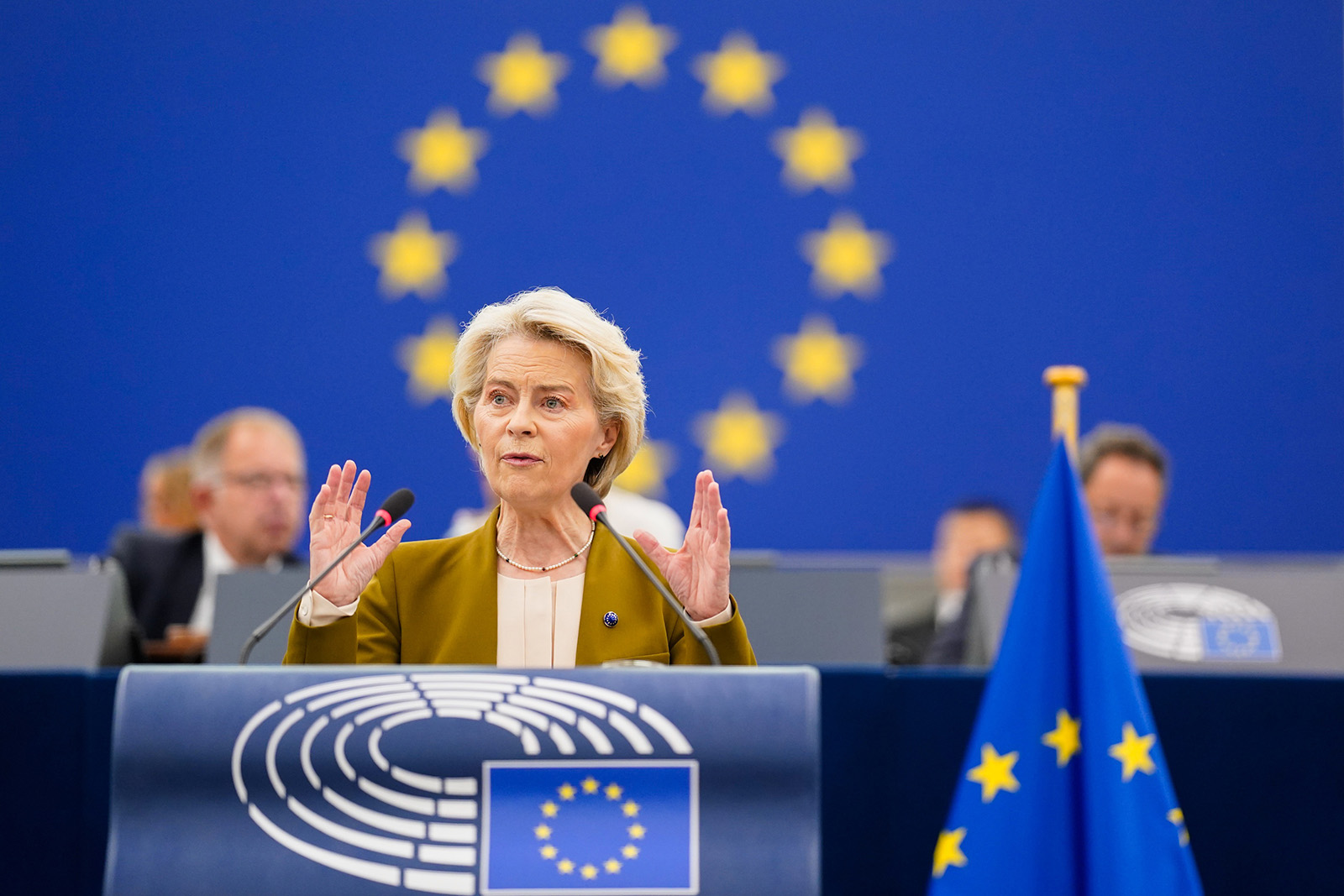
Pro-EU MEPs have long pursued a logic of democratisation based on institutional mimicry. But as Jan Pieter Beetz, Gilles Pittoors and Wouter Wolfs argue, this path has become ideologically entrenched at the expense of alternative models that might better connect with European citizens Read more
Ugur Tekiner
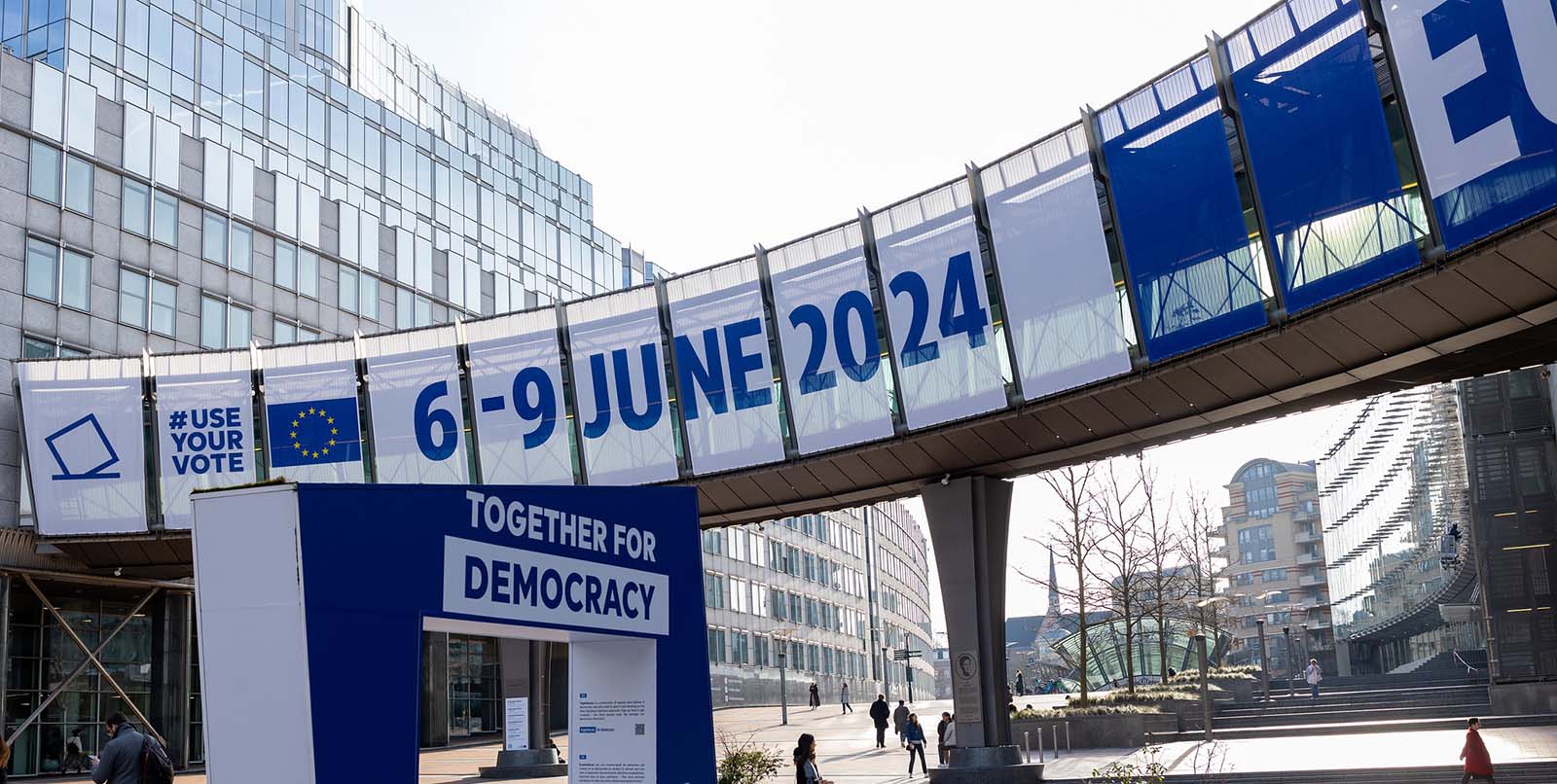
European elections are traditionally seen as less significant than national elections. But Ugur Tekiner argues that the recent challenges facing the EU force us to rethink this classification. Recent European elections accurately reflect the national political mood in Member States, and reveal the growing polarisation around Europe Read more
Tyyne Karjalainen
Hungary’s blocking behaviour risks derailing Ukraine’s fragile pro-European momentum. If not addressed, it could fuel Euroscepticism, embolden authoritarian spoilers, and hollow out the EU’s enlargement promise. Tyyne Karjalainen explores what options are on the table to restore credibility to the accession process Read more
Miruna Butnaru-Troncotă
Russia’s full-scale invasion of Ukraine forced the EU to revive its enlargement agenda, but growing politicisation risks sidelining the Western Balkans yet again. Miruna Butnaru Troncotă argues that the EU's future credibility and cohesion hinge on treating Western Balkan integration just as urgently as Eastern enlargement Read more
Ivaylo Dinev
On Sunday 9 June 2024, Bulgaria went to the polls for the sixth parliamentary elections in three years. Bulgaria's political crisis, however, is far from over, writes Ivaylo Dinev Read more
We use necessary cookies to make our site work. We'd also like to set analytics cookies that help us make improvements by measuring how you use the site. These will be set only if you accept.
▼
Strictly Necessary Cookies
Necessary cookies enable core functionality such as security, network management, and accessibility. You may disable these by changing your browser settings, but this may affect how the website functions.
▼
Analytics Cookies
Google Analytics
We'd like to set Google Analytics cookies to help us improve our website by collecting and reporting information on how you use it. The cookies collect information in a way that does not directly identify anyone. For more information on how these cookies work please see our Privacy Notice.