Robin Gilman
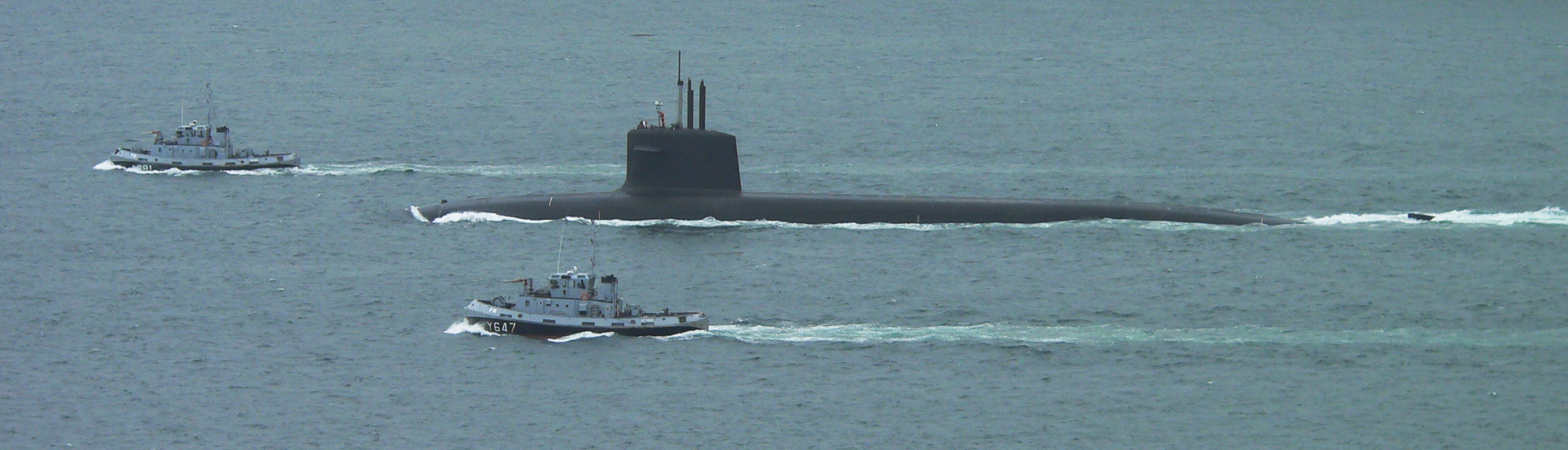
France claims that a 'safer’ Europe is the goal of its new nuclear policy. Yet Robin Gilman argues that undermining the nonproliferation treaty is eroding the EU’s credibility and safety, leaving it at a crossroads. It can either remain a reliable partner – or fuel the collapse of the rules-based order Read more
Oana-Cosmina Mihalache
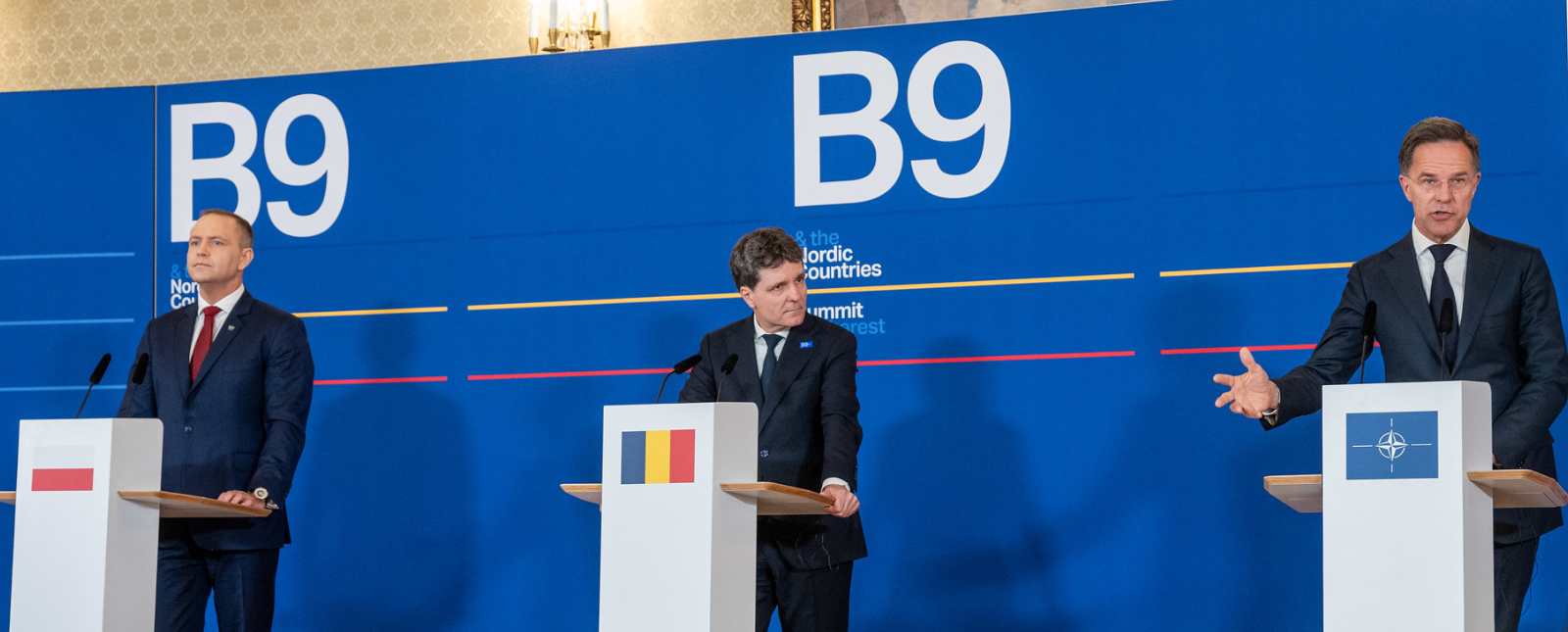
On 13 May 2026, Bucharest hosted the Summit of the Bucharest Nine (B9) and the Nordic countries. Oana-Cosmina Mihalache argues that the reunion’s outcome was indicative of the format’s role in the architecture of European defence cooperation Read more
Amélie Jaques-Apke
Are we nearing a new incarnation of the French vision of a Gaullist Europe? Focusing on strategic autonomy, nuclear deterrence, coalitions of the willing, threat perception, and defence capability, Amélie Jaques-Apke examines the strategic dilemmas, and conceptual and operational deficiencies, in European defence policy Read more
Morgiane Noel
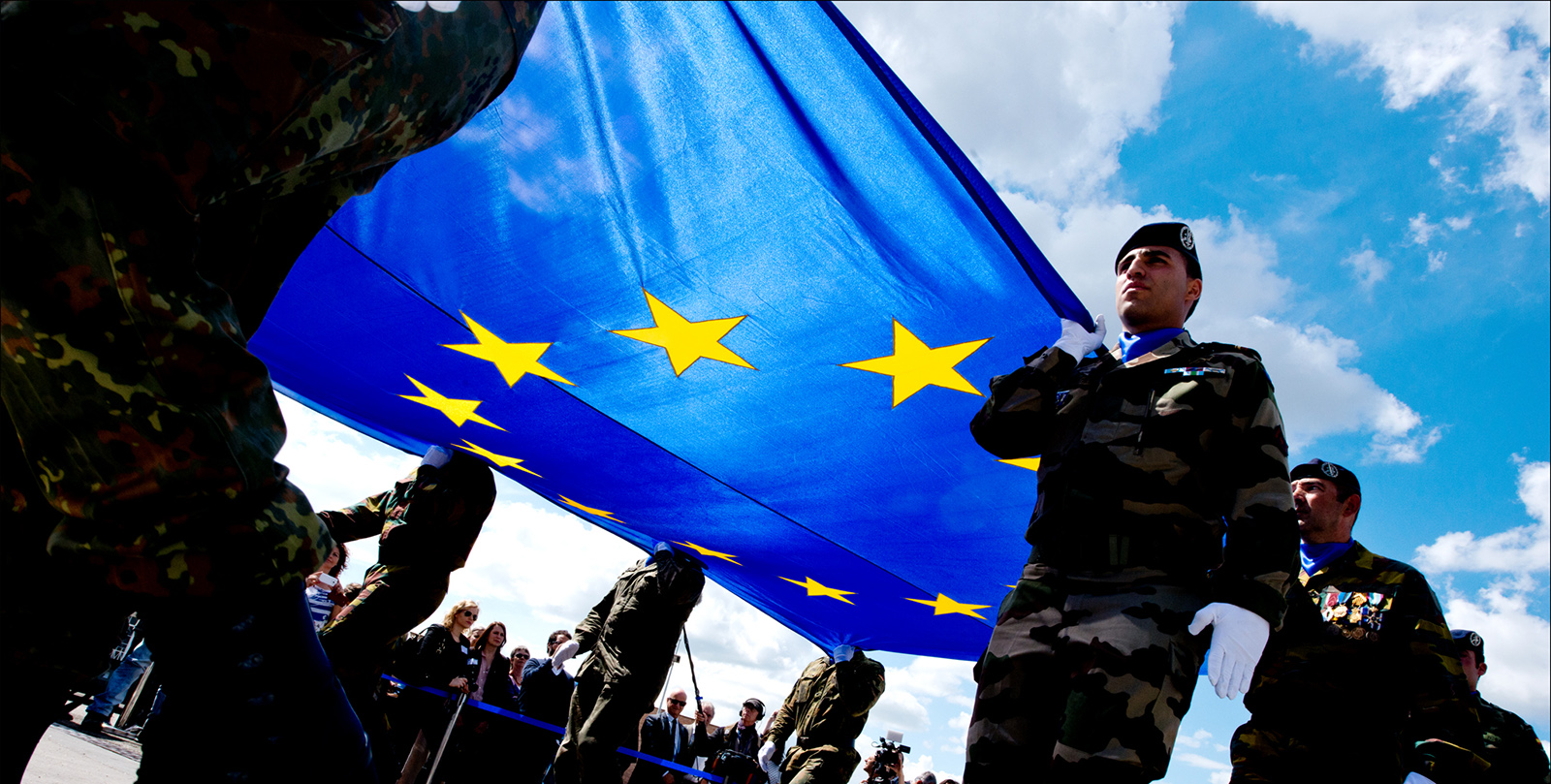
To resist ongoing Russian aggression in Ukraine, the EU must present a united military front. But different member states have different security priorities, and this is proving a challenge. Morgiane Noel argues that to achieve autonomous military alliance, the EU must navigate internal divisions, address external threats, and redefine its global role Read more
Aida Halilovic
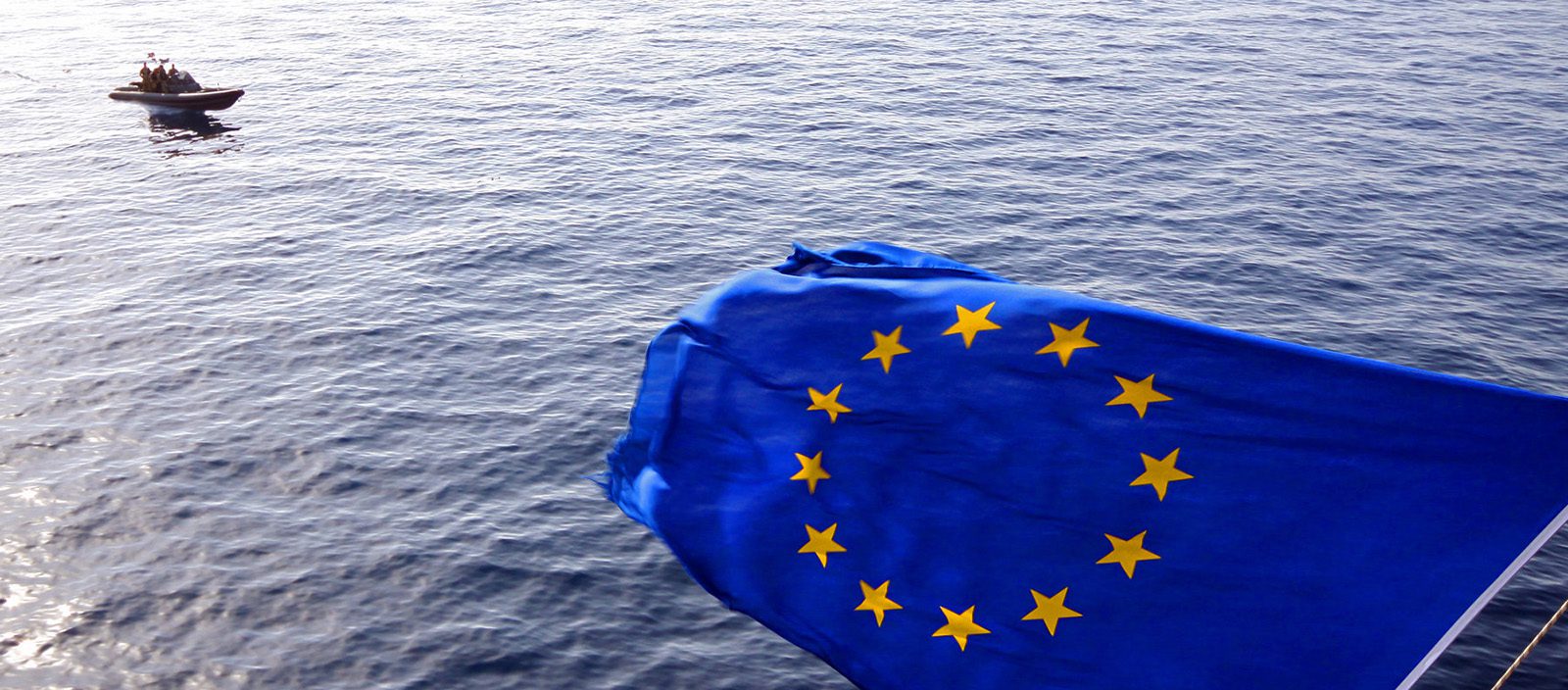
Aida Halilovic argues that the EU’s empowerment of the European Border and Coast Guard Agency (Frontex) is controversial. Frontex straddles overlapping administrative and political dimensions, and makes decisions on matters that sit between the public goods of liberty and security, where democratic deliberation might be needed. Read more
Ziya Öniş
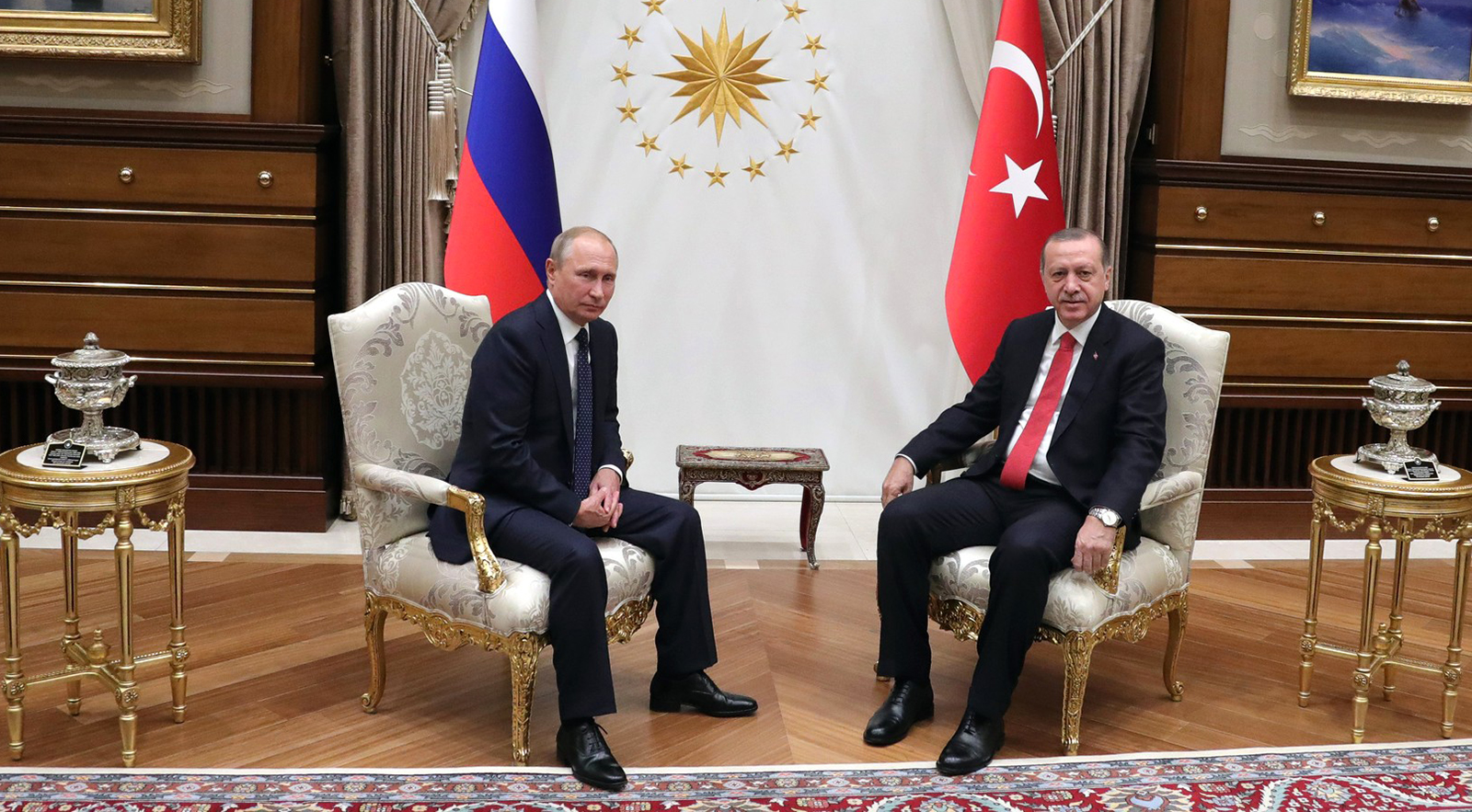
In recent years, Turkish foreign policy has oscillated between traditional alignments with the West, and a new Eastern orientation. Partnerships with Russia and China are becoming increasingly important, write Ziya Öniş and Mustafa Kutlay. Yet Turkey must be firmly anchored to the club of democratic states to regain its benign regional and global role Read more
Mahmoud Javadi
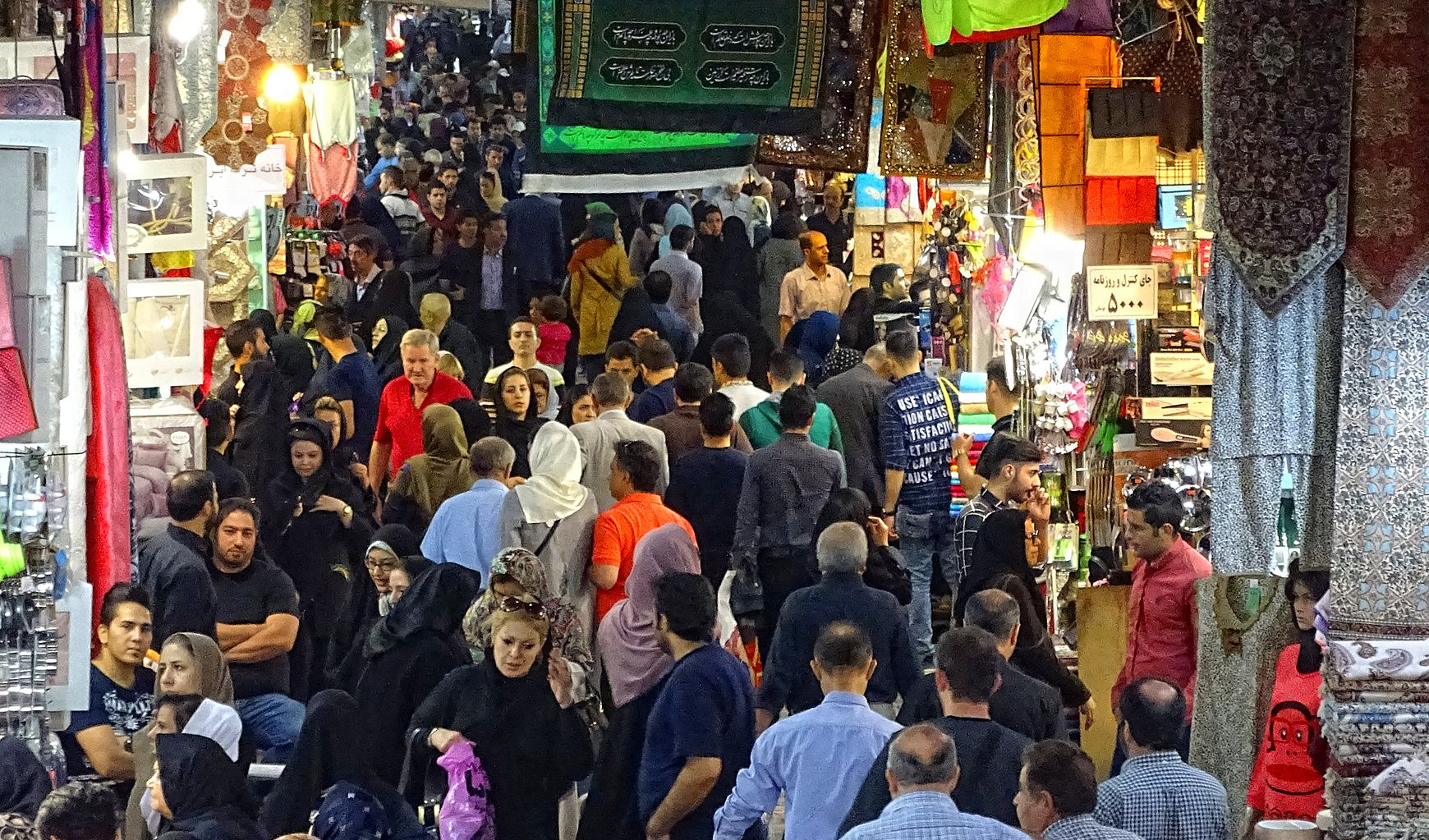
Relations between Iran and Europe are in a pretty poor state. But Mahmoud Javadi argues that there are avenues for improvement through identification of 'shared interests' – and the EU can, and should, play its part Read more
Calle Håkansson
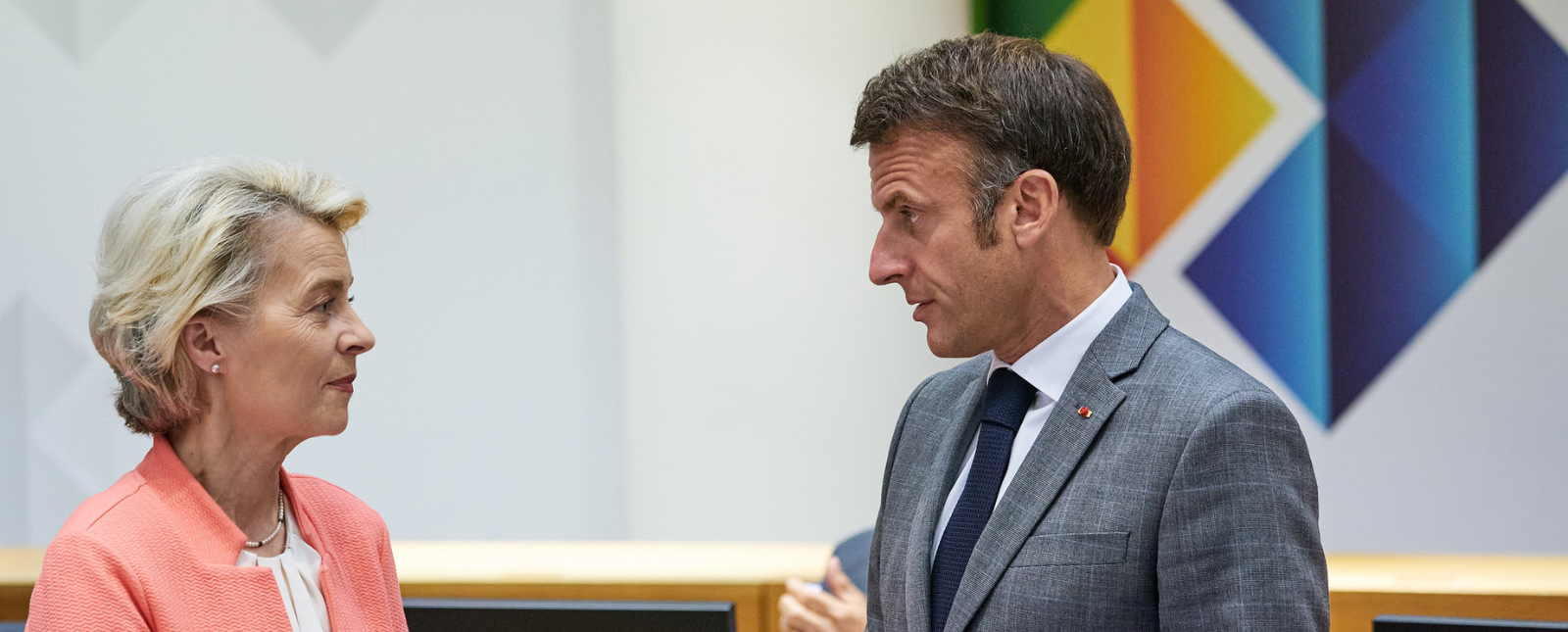
Over the past couple of years, the EU and the European Commission have stepped up security and defence policy cooperation. Calle Håkansson argues that the European Commission's new role blurs the traditional dichotomy between intergovernmental and supranational decision-making Read more
The Loop
Cutting-edge analysis showcasing the work of the political science discipline at its best.
We use necessary cookies to make our site work. We'd also like to set analytics cookies that help us make improvements by measuring how you use the site. These will be set only if you accept.
▼
Strictly Necessary Cookies
Necessary cookies enable core functionality such as security, network management, and accessibility. You may disable these by changing your browser settings, but this may affect how the website functions.
▼
Analytics Cookies
Google Analytics
We'd like to set Google Analytics cookies to help us improve our website by collecting and reporting information on how you use it. The cookies collect information in a way that does not directly identify anyone. For more information on how these cookies work please see our Privacy Notice.