Simon Bienstman
Income inequality threatens democracy by depressing trust in political institutions. To better understand why, Simon Bienstman, Svenja Hense, and Markus Gangl argue that we should pay attention to inequality’s negative effect on citizens’ evaluations of the democratic process Read more
Nils Steiner
One way globalisation influences politics is by making new social categories ripe for politicisation. Nils Steiner, Matthias Mader and Harald Schoen examine the case of 'winners' and 'losers' of globalisation and show that significant proportions of citizens see themselves as part of these groups, showing distinct party preferences as a result Read more
Luca Versteegen
Luca Versteegen argues that specific emotions like nostalgia are not limited to populist radical right voters. We should therefore be more careful in ascribing emotions to this group, differentiating emotions and refraining from broad ascriptions like the so-called ‘left behind’ Read more
Christof Nägel
Research suggests that institutional trust increases in times of political crises. Christof Nägel, Amy Nivette and Christian Czymara test this notion for jihadist terror attacks in Europe. Their results imply that political leaders should not take these dynamics for granted Read more
Robert A. Huber
Populism is often considered to be high among parties with strong anti-immigration positions or Euroscepticism. Robert A. Huber, Michael Jankowski and Christina-Marie Juen argue that not the general left-right position of parties affects their level of populism but that collectivist positions on the parties’ salient issue dimension are crucial Read more
Steffen Hurka
Why are laws often so hard to understand? Steffen Hurka argues that the complexity of laws increases when political conflict becomes more intense and when decision-making becomes more inclusive. Democracies aim for compromise and the balancing of interests, and complex laws are the inevitable consequence Read more
Daniel Auer
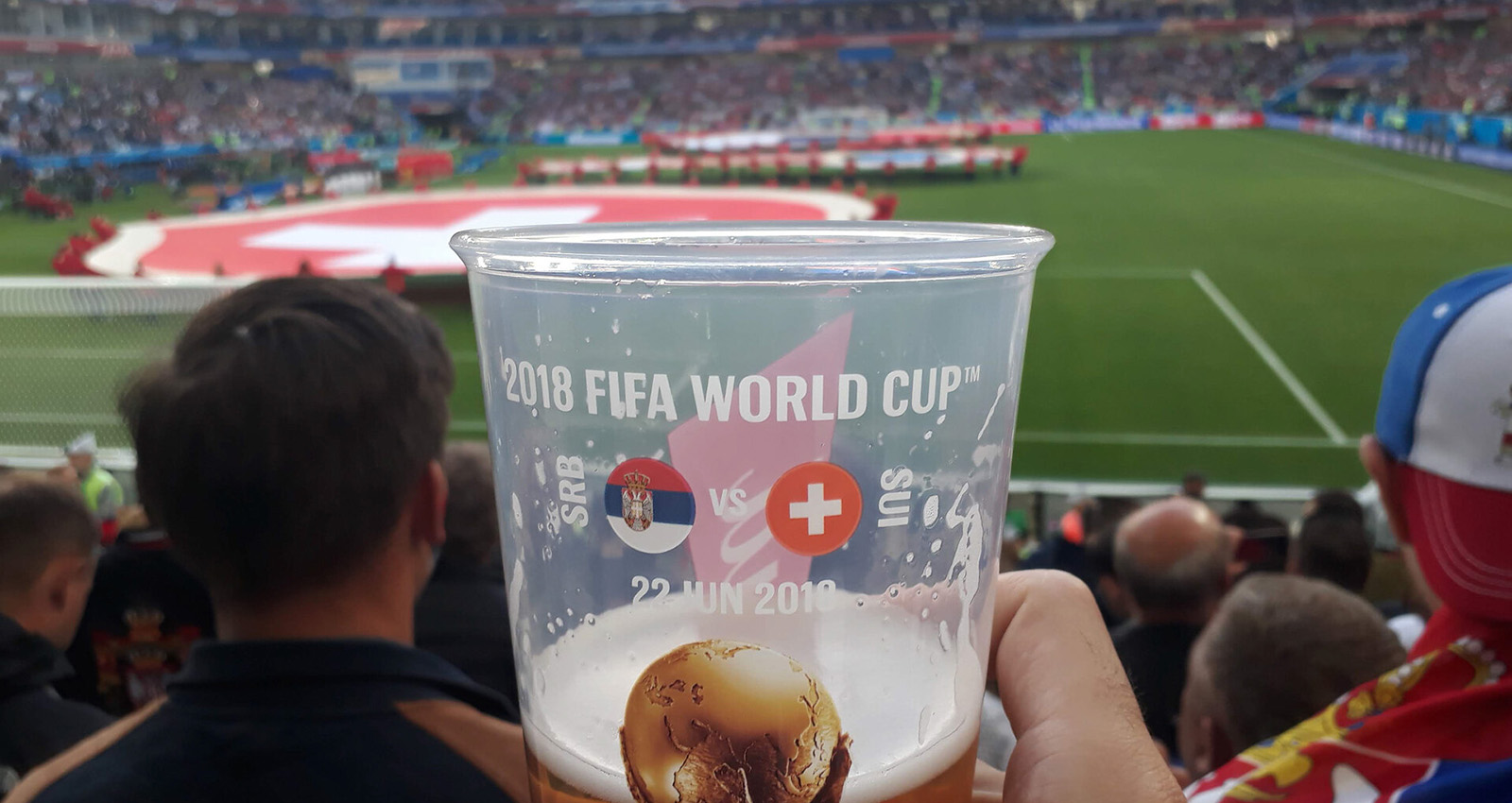
Back in 2018, Daniel Auer and Didier Ruedin were conducting a research experiment on prejudice in the Swiss housing market. That same summer, a footballer at the FIFA World Cup made a controversial gesture that got the nation talking. After he did so, our researchers observed a significant drop in ethnic discrimination. Were the two phenomena connected? Read more
Pavlos Vasilopoulos
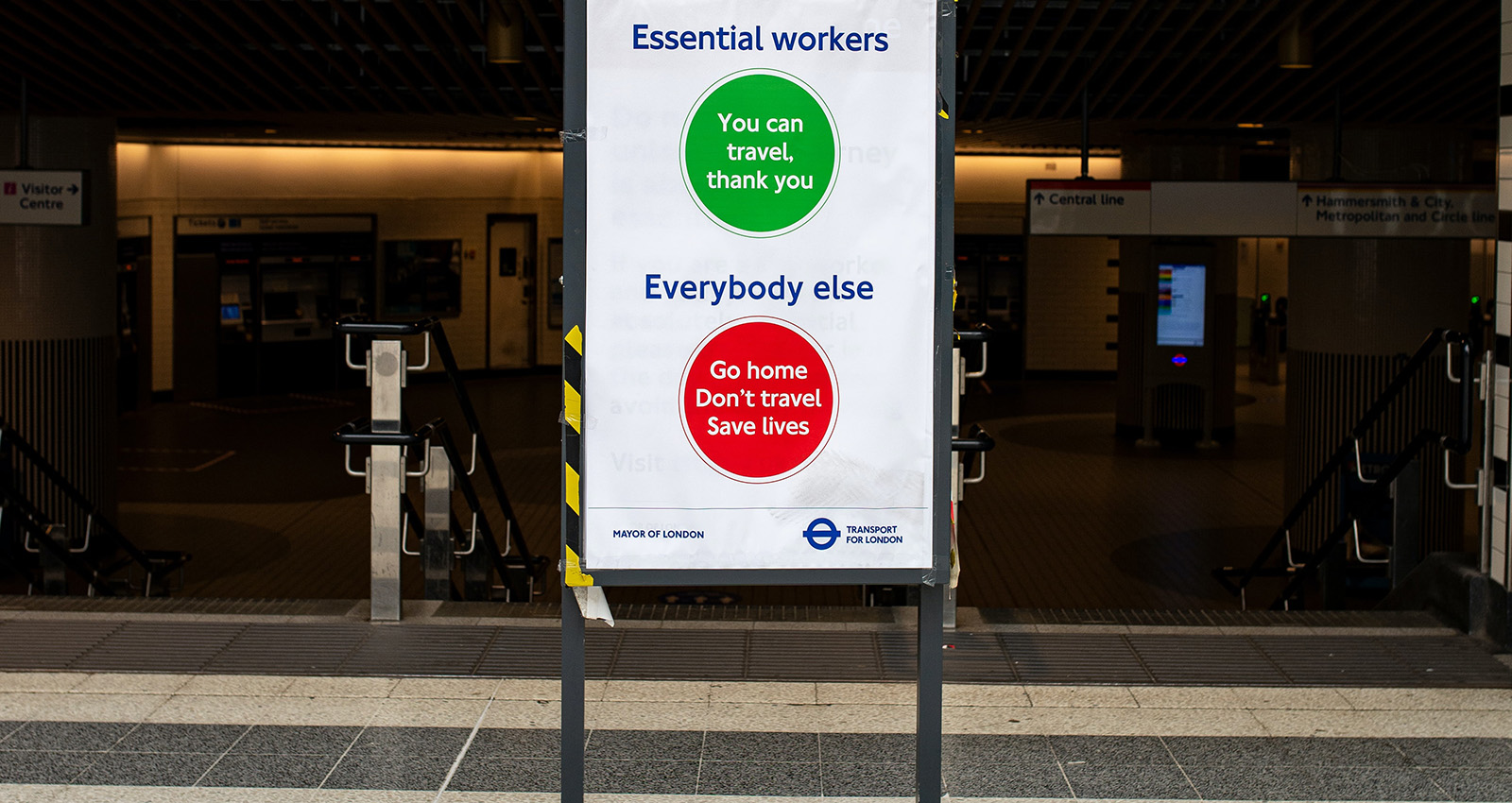
In research monitoring public attitudes during the Covid-19 pandemic, Pavlos Vasilopoulos, Haley McAvay, Sylvain Brouard, and Martial Foucault found that public commitment to civil liberties is highly volatile, especially when fear prevails. This, they argue, should worry proponents of democracy Restriction of civil liberties under Covid The Covid-19 pandemic brought unprecedented restrictions to civil liberties […] Read more
We use cookies to ensure that we give you the best experience on our website. If you continue to use this site we will assume that you are happy with it.