John Chin
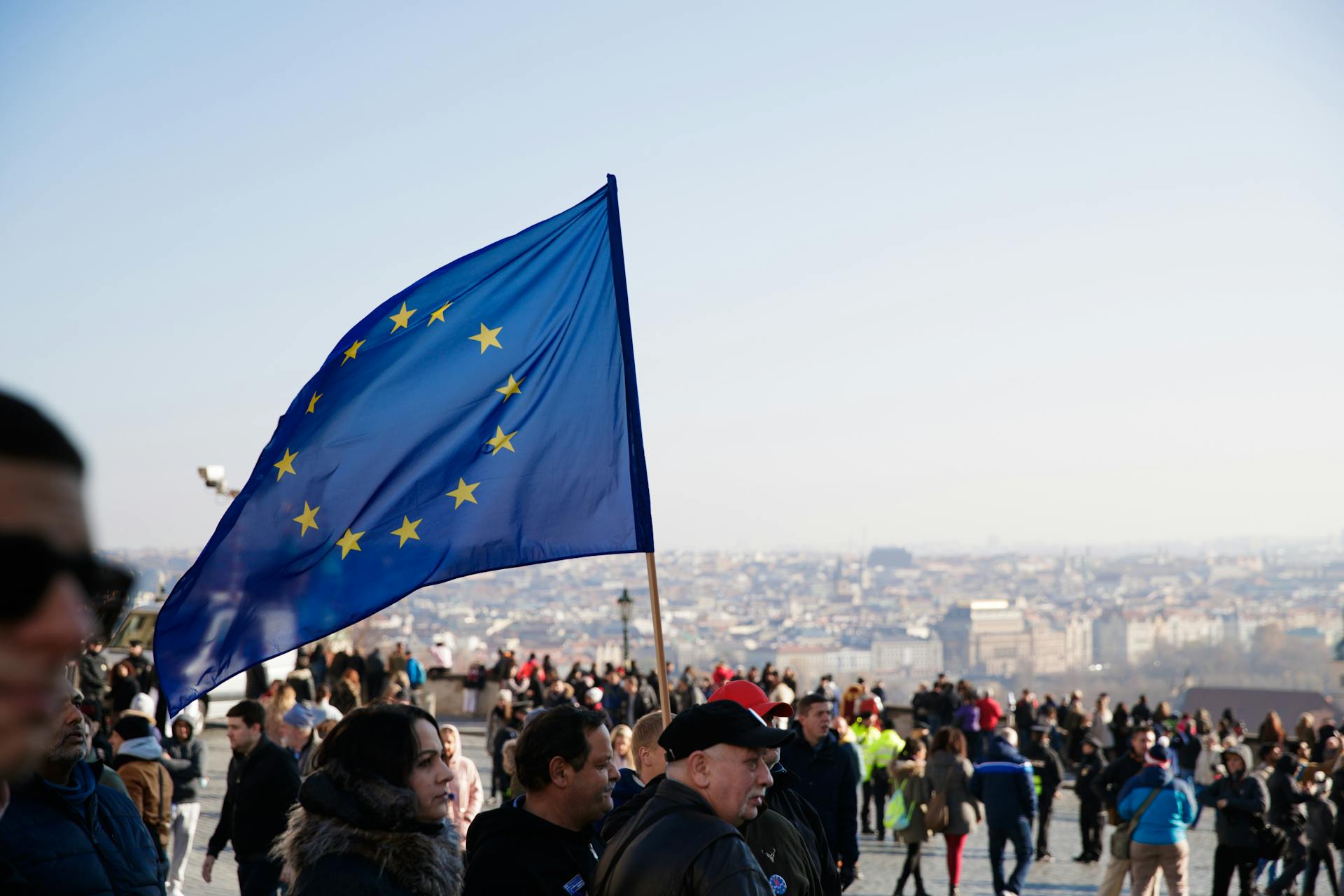
Georgia is undergoing its most significant mass uprising since the 2003 rose revolution, with the future of democracy in Georgia and Georgia’s future in Europe at stake. John Chin and Anastasia Kim put this unrest in context by reviewing Georgia’s revolutionary history and ongoing challenges posed by Russian sharp power Read more
Veronica Anghel
Launching her series on EU enlargement dilemmas, Veronica Anghel argues that enlargement is no gamble, but a strategic necessity. In crisis, enlargement transforms external risks into shared responsibilities, reinforcing governance, security, and global influence — and ensuring the Union’s survival and relevance Read more
Sebastian Contin Trillo-Figueroa
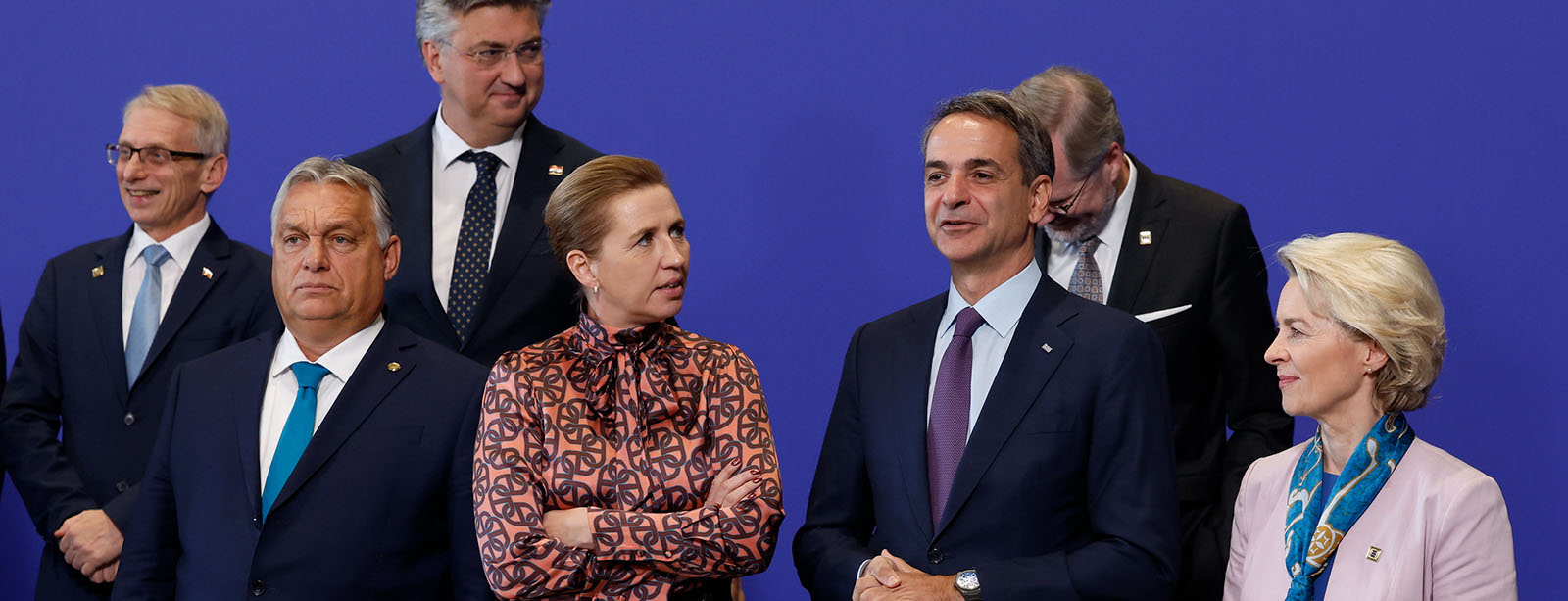
Sebastian Contin Trillo-Figueroa and James F. Downes argue that the EU faces a dilemma: should it pursue continued enlargement, or contract its membership by removing troublesome member state Hungary? Reaching a decision involves a complex trade-off between the need to increase EU influence and to maintain a unified, cohesive membership. Read more
James Dawson
The EU did not foresee how autocratisation would unfold in Central and Eastern Europe (CEE). But political scientists failed to raise the alarm, too. Lise Herman, James Dawson and Aurelia Ananda show that optimistic assumptions about democratisation misled policy makers and researchers alike Read more
Dušan Spasojević
Using the example of the Serbian Progressive Party, Dušan Spasojević shows how populism can be driven by blurred ideological standpoints. At the same time, it can occupy a centrist position in the party system and enter the political mainstream Read more
Jaap Hoeksma
Hungarian Prime Minister Viktor Orbán is waging a longstanding battle with the EU. Jaap Hoeksma argues that this clash reflects a fundamental division over the EU's very identity – and Hungary’s forthcoming Presidency of the EU Council, from July–December 2024, will throw this into sharp focus Read more
Davide Genini
What was supposed to be a quick conflict is now marking its second anniversary. But the war in Ukraine is anything but a stalemate. Davide Genini analyses why the Ukrainian counteroffensive has failed, and predicts that 2024 will be a decisive year Read more
Francesco Spera
The European Union has built its normative concepts on Europe's postwar consensus, focusing in particular on Holocaust trauma. But Francesco Spera argues that through past and future enlargements, it is also adapting to Eastern European states' mnemonic paths as they move away from their communist histories Read more
We use necessary cookies to make our site work. We'd also like to set analytics cookies that help us make improvements by measuring how you use the site. These will be set only if you accept.
▼
Strictly Necessary Cookies
Necessary cookies enable core functionality such as security, network management, and accessibility. You may disable these by changing your browser settings, but this may affect how the website functions.
▼
Analytics Cookies
Google Analytics
We'd like to set Google Analytics cookies to help us improve our website by collecting and reporting information on how you use it. The cookies collect information in a way that does not directly identify anyone. For more information on how these cookies work please see our Privacy Notice.