Magdalena König
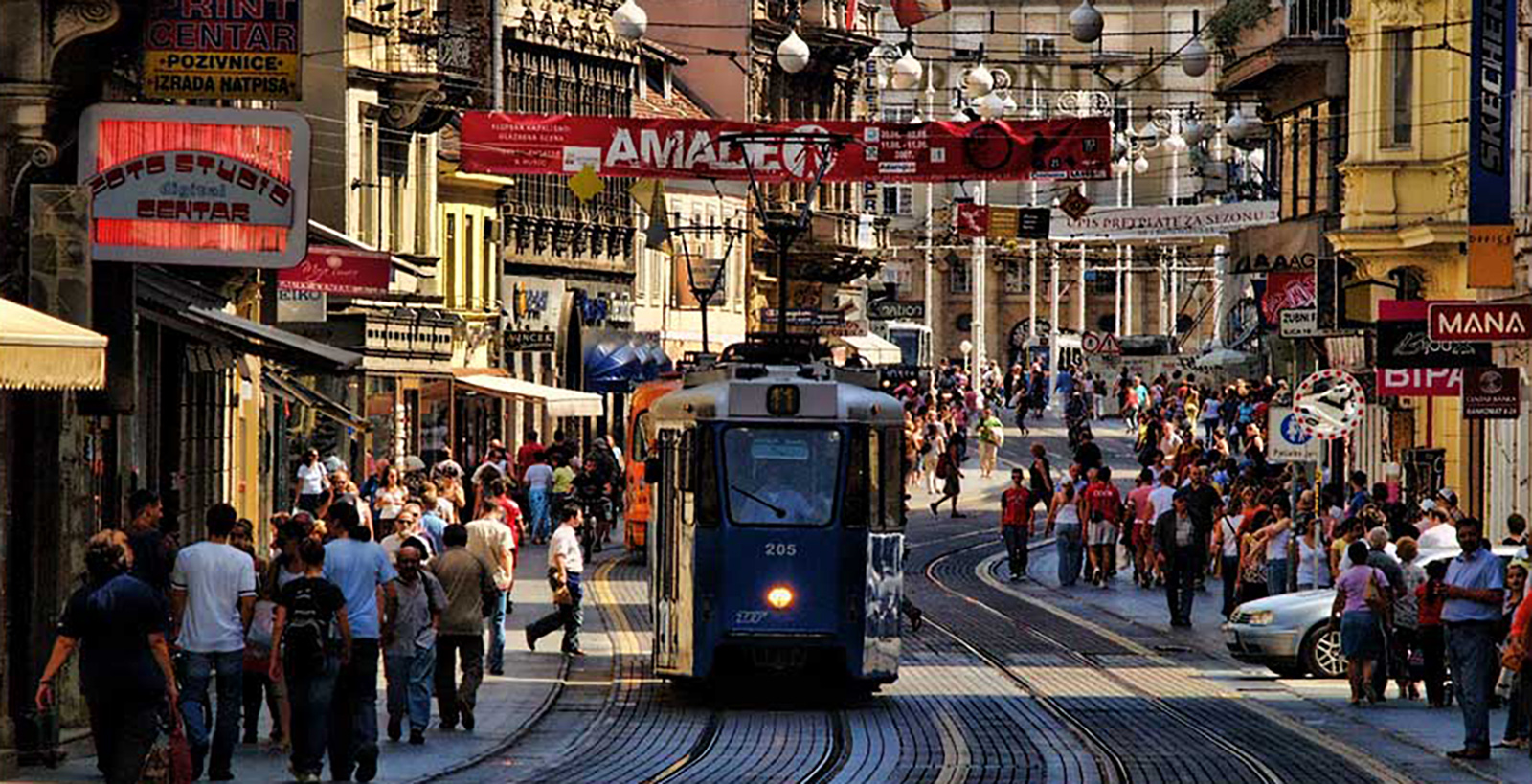
Enlargement’s symbolic revival after Russia’s full-scale invasion of Ukraine risks repeating past failures. Magdalena König warns that without credible timelines and reform momentum, the EU may trap candidates — old and new — in an ‘eternal waiting room’. Frustration, backsliding, and geopolitical drift are likely unless promises are matched by progress Read more
Giselle Bosse
EU enlargement can benefit democracy and the rule of law, but the process often excludes citizens from decision-making and cost-benefit framing. For Giselle Bosse, this raises questions about legitimacy — and whether the process truly reflects the priorities of member states and candidate countries Read more
Lucas Schramm
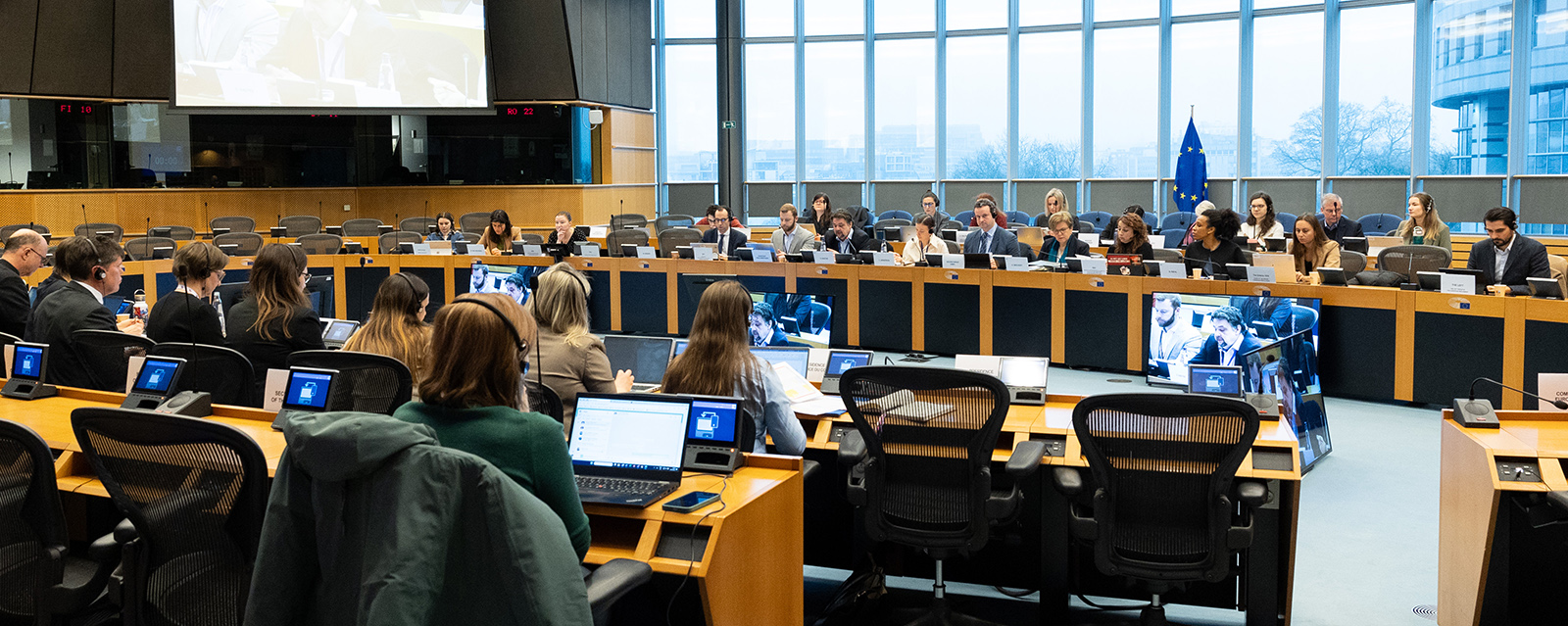
Rising geopolitical pressures, including an ongoing war in its immediate neighbourhood, have thrust EU enlargement back onto the agenda. Lucas Schramm contends that the European Council must reconcile the dual challenges of widening and deepening, as it has done historically. Despite formidable obstacles, enlargement could spur internal reforms and innovations Read more
Milica Uvalić
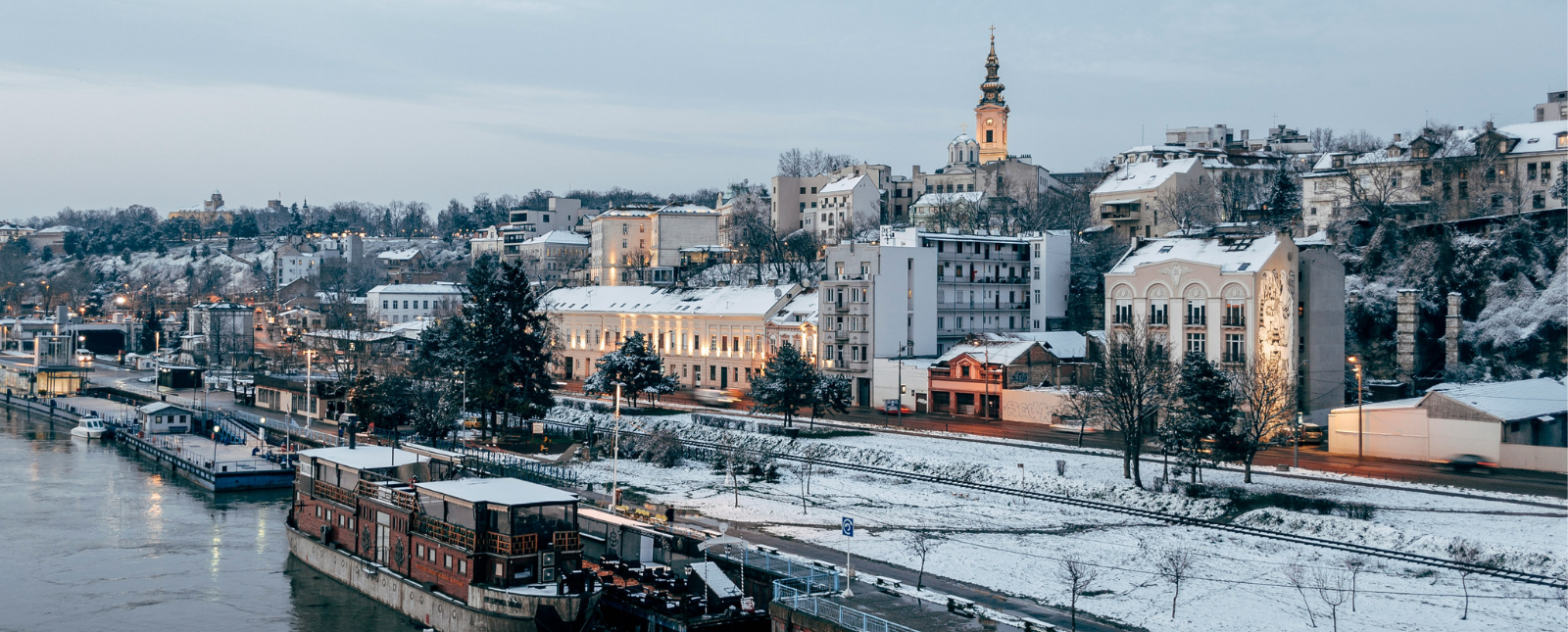
The EU and the Western Balkan countries view enlargement differently. Milica Uvalić argues that despite renewed EU engagement since Russia's full-scale invasion of Ukraine, misperceptions persist, hindering Western Balkan countries’ accession. Bridging these misunderstandings is crucial to revitalising the process and aligning expectations for a shared European future Read more
Richard Youngs
EU enlargement is often hailed as a tool for spurring political reform and countering Russian influence. But Richard Youngs argues that its democratic dimensions are more complex than conventional wisdom suggests. He proposes the concept of differentiated democratic enlargement to address varied pre-accession dynamics and refine EU strategies Read more
Alexander Mesarovich
Alexander Mesarovich argues that informal cultures are an often-overlooked aspect of the enlargement process. While the formal changes are essential, socialising candidate state policymakers into the EU’s 'ways of being' is just as – if not more – important in producing deeper and more durable reform Read more
Maria Giulia Amadio Viceré
EU enlargement could address collective action problems and stabilise its neighbourhood, but stalled accession processes may make full membership unlikely. Maria Giulia Amadio Viceré and Matteo Bonomi suggest that partial integration — engaging candidate countries in EU policies without membership — will remain the EU's main strategy for managing internal and regional crises Read more
Francesco Foti
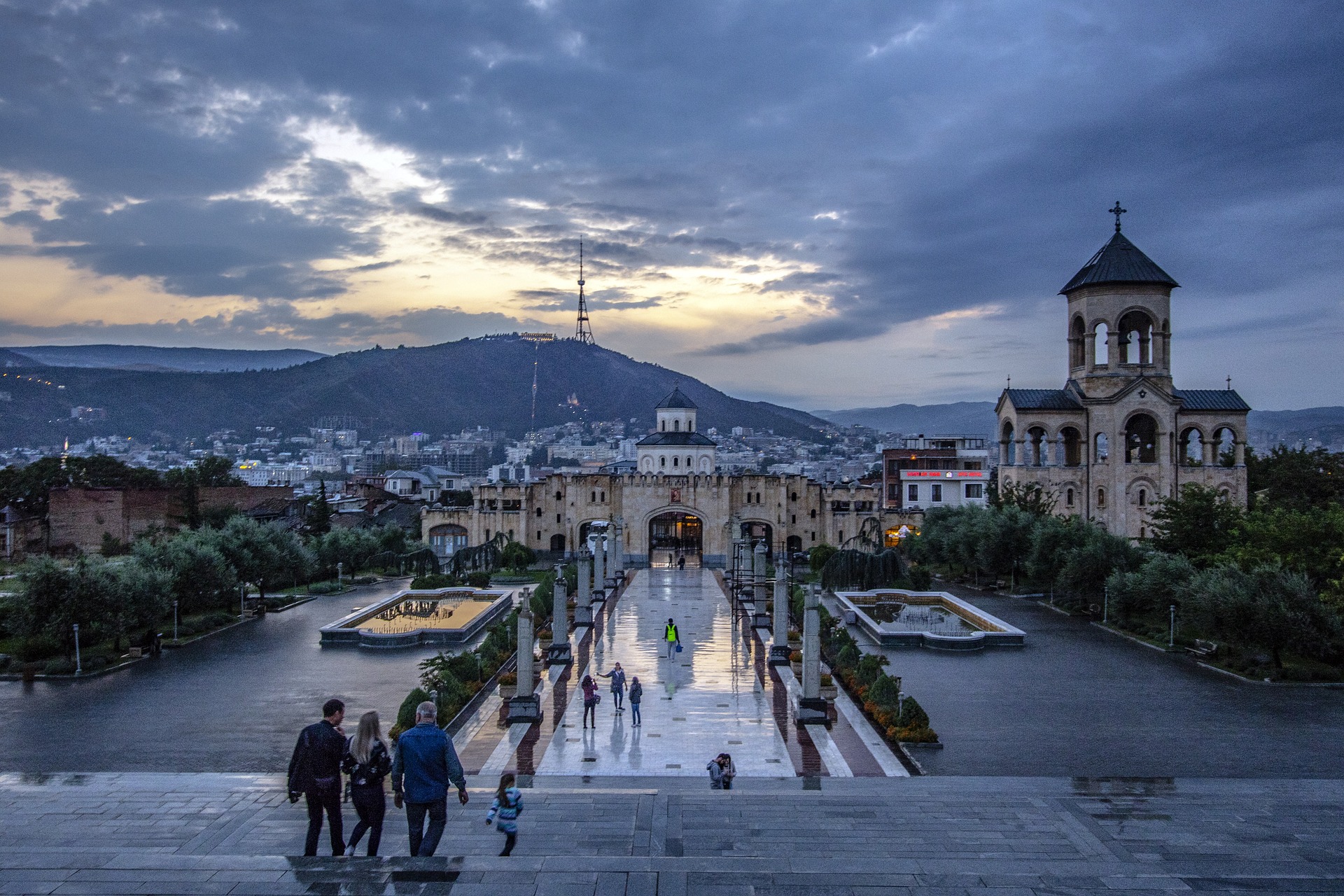
The West is failing to invest against Russian encroachment in Georgia, choosing instead to break relations. Francesco Foti argues that Western disengagement will prove a serious obstacle to Georgia realigning with the West. Read more
We use necessary cookies to make our site work. We'd also like to set analytics cookies that help us make improvements by measuring how you use the site. These will be set only if you accept.
▼
Strictly Necessary Cookies
Necessary cookies enable core functionality such as security, network management, and accessibility. You may disable these by changing your browser settings, but this may affect how the website functions.
▼
Analytics Cookies
Google Analytics
We'd like to set Google Analytics cookies to help us improve our website by collecting and reporting information on how you use it. The cookies collect information in a way that does not directly identify anyone. For more information on how these cookies work please see our Privacy Notice.