Luiza Januário
Luiza Januário argues that the threats and opportunities of nuclear technology are an intrinsically global matter. Here, she offers a South American perspective on the nuclear politics dilemma Read more
Camila Montero
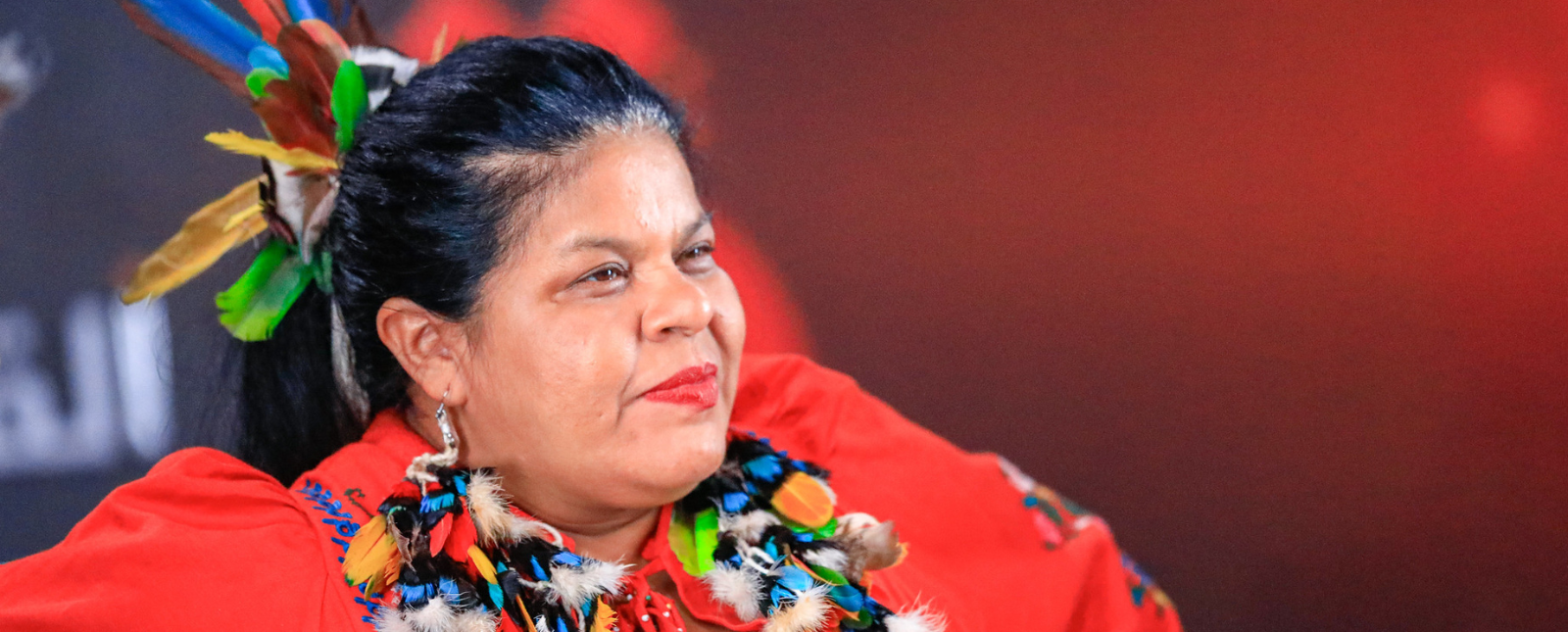
Across the Amazon, Indigenous women are at the forefront of the fight for democracy, environmental justice, and human rights. In a world where extractive industries threaten their land and lives, they are not just resisting destruction — they are transforming political systems, writes Camila Montero. From grassroots mobilisation to high-level policy-making, their leadership is shaping the future of environmental democratic governance Read more
Daniel Baldin Machado
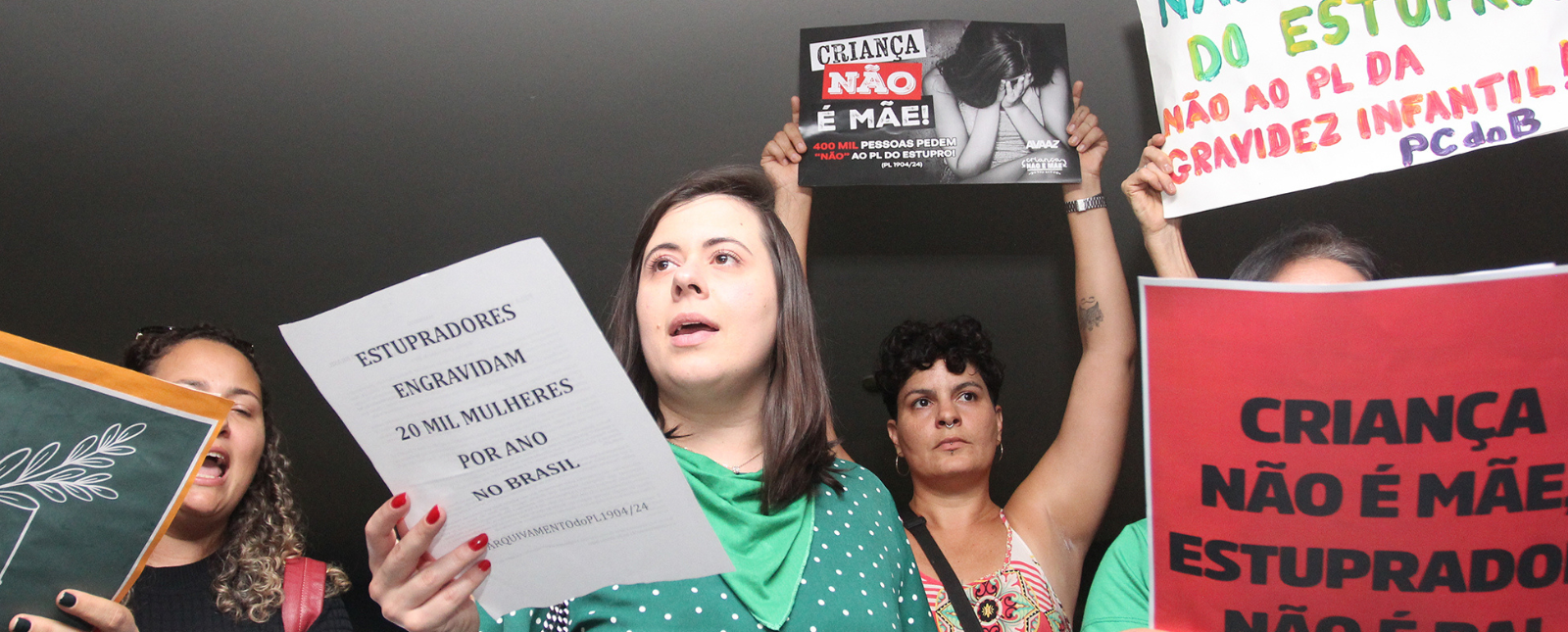
In just one month, a bill equating abortion with homicide reached the voting stage in Brazil’s Lower House. How did this happen? Daniel Baldin Machado examines how a decade of institutional changes has reshaped legislative processes to sideline scrutiny, deepen gendered biases, and weaken democratic accountabilit Read more
Gülşen Doğan
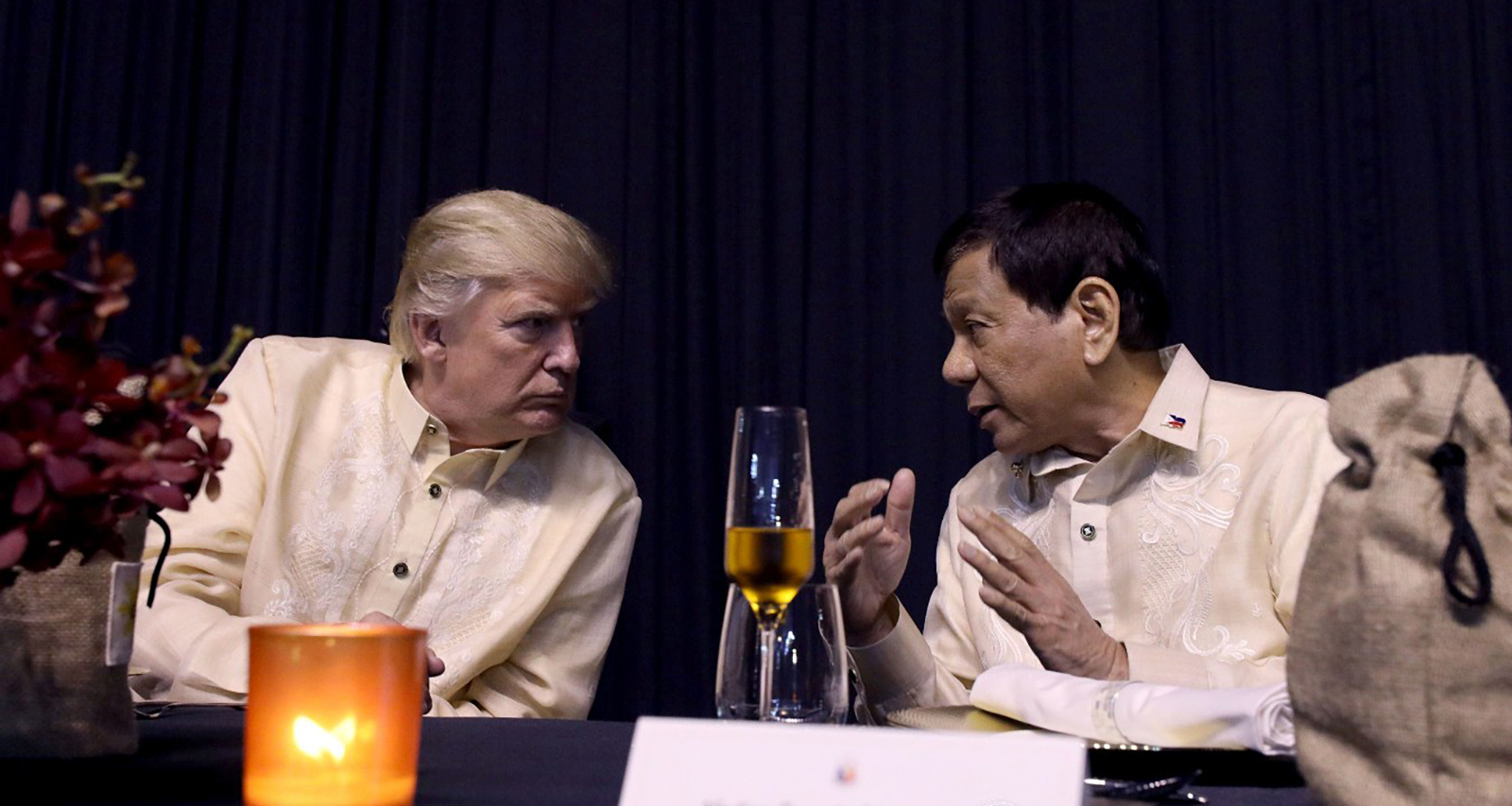
Gülşen Doğan describes how charismatic leadership, propaganda, and a commitment to stable governance are behind the rise of autocratic populists. Read more
Hakkı Taş
Recent data indicates that countries led by more populist leaders are less likely to have a military with veto power. Hakkı Taş explores the populist centralisation of power that fosters control over the military, and the impact on civilian oversight Read more
Saskia Brechenmacher
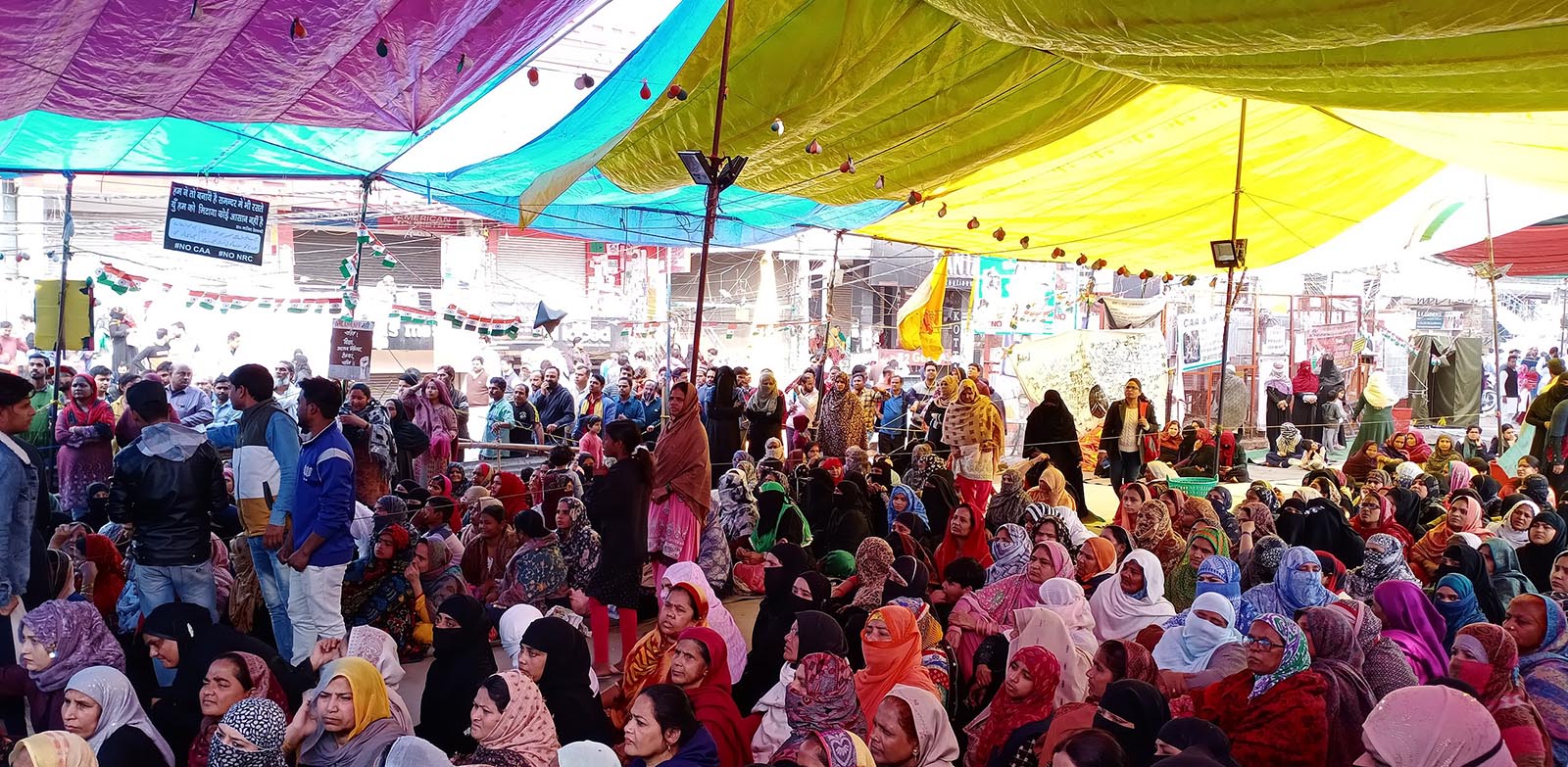
Saskia Brechenmacher, Erin Jones, and Özge Zihnioğlu write that gender is critical to understanding popular resistance against democratic erosion and autocratic hardening around the world Read more
Bernardo Jurema
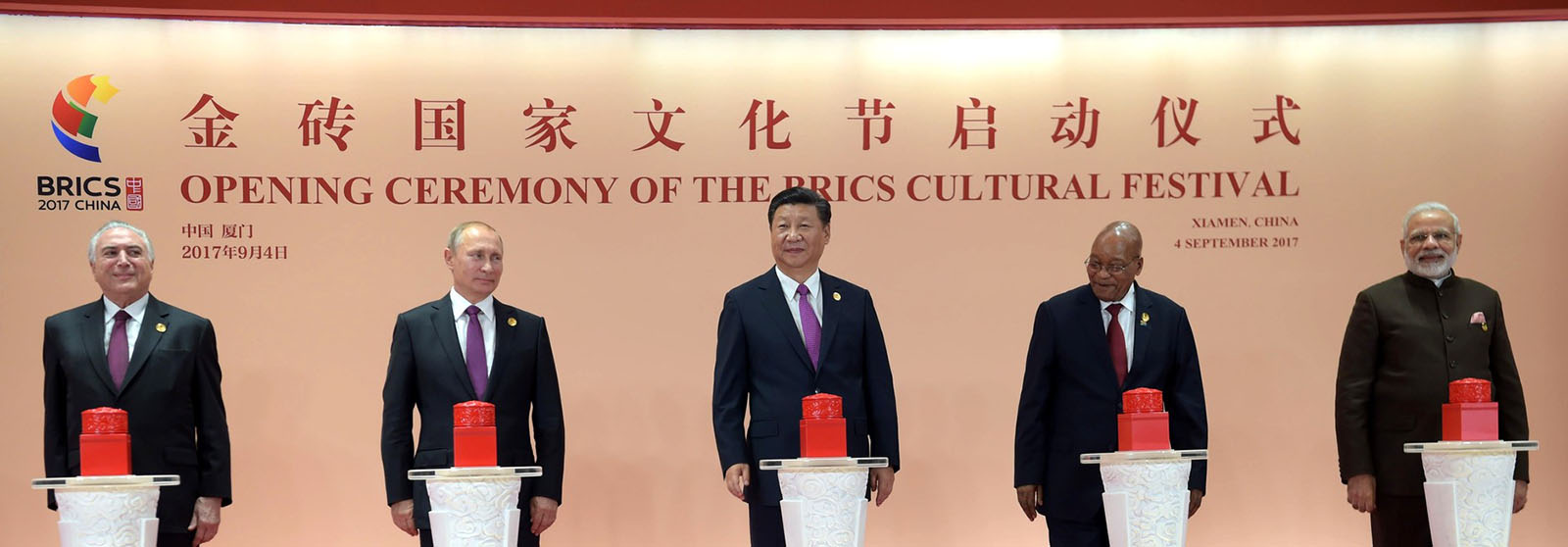
Bernardo Jurema places the recent BRICS expansion into appropriate historical context. It is, he argues, a project to de-westernise the world, opening up new possibilities, including de-colonialisation along the lines of previous historical attempts. It may not be everything that is needed, but it is a significant step forwards Read more
Ludmila Quirós
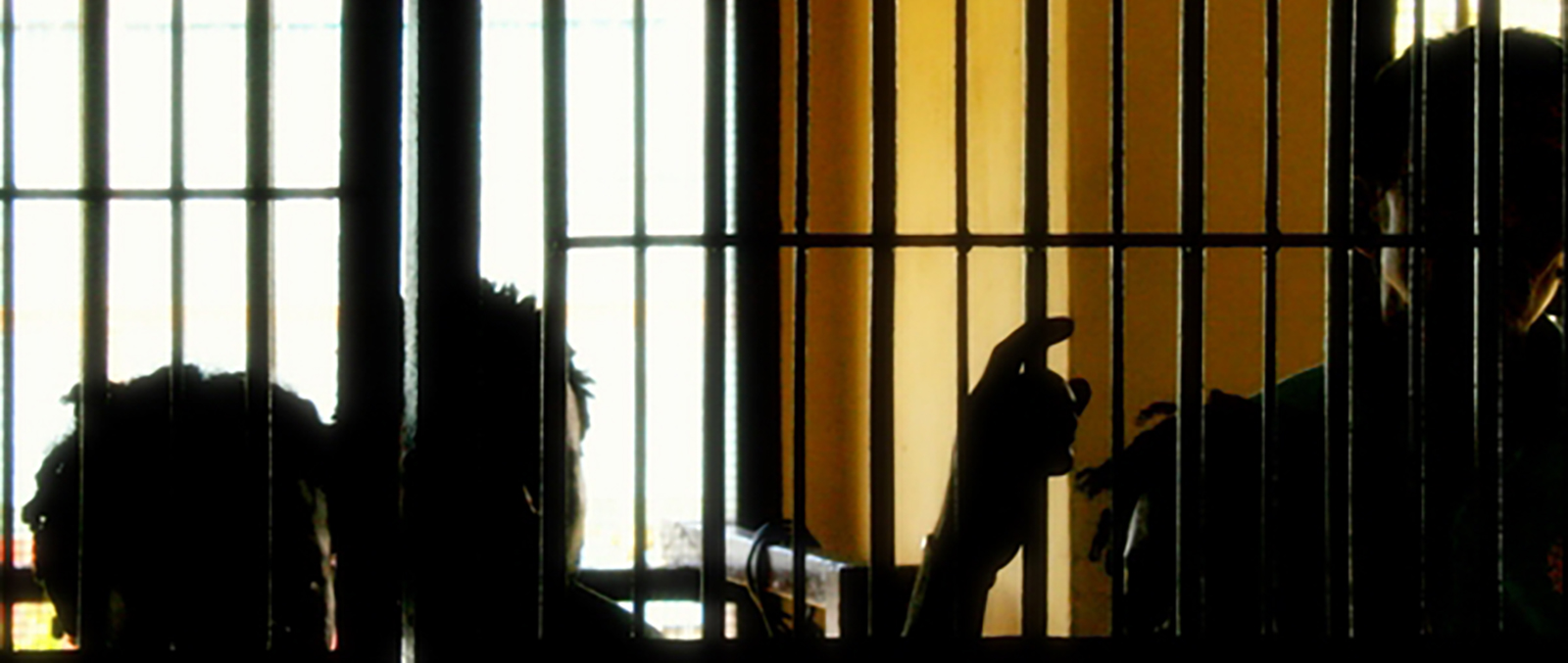
Ludmila Quirós argues that the growing infiltration of Latin American criminal actors into EU territory is seriously undermining the bloc's security and radically changing organised crime in Europe Read more
We use necessary cookies to make our site work. We'd also like to set analytics cookies that help us make improvements by measuring how you use the site. These will be set only if you accept.
▼
Strictly Necessary Cookies
Necessary cookies enable core functionality such as security, network management, and accessibility. You may disable these by changing your browser settings, but this may affect how the website functions.
▼
Analytics Cookies
Google Analytics
We'd like to set Google Analytics cookies to help us improve our website by collecting and reporting information on how you use it. The cookies collect information in a way that does not directly identify anyone. For more information on how these cookies work please see our Privacy Notice.