Annika Björkdahl
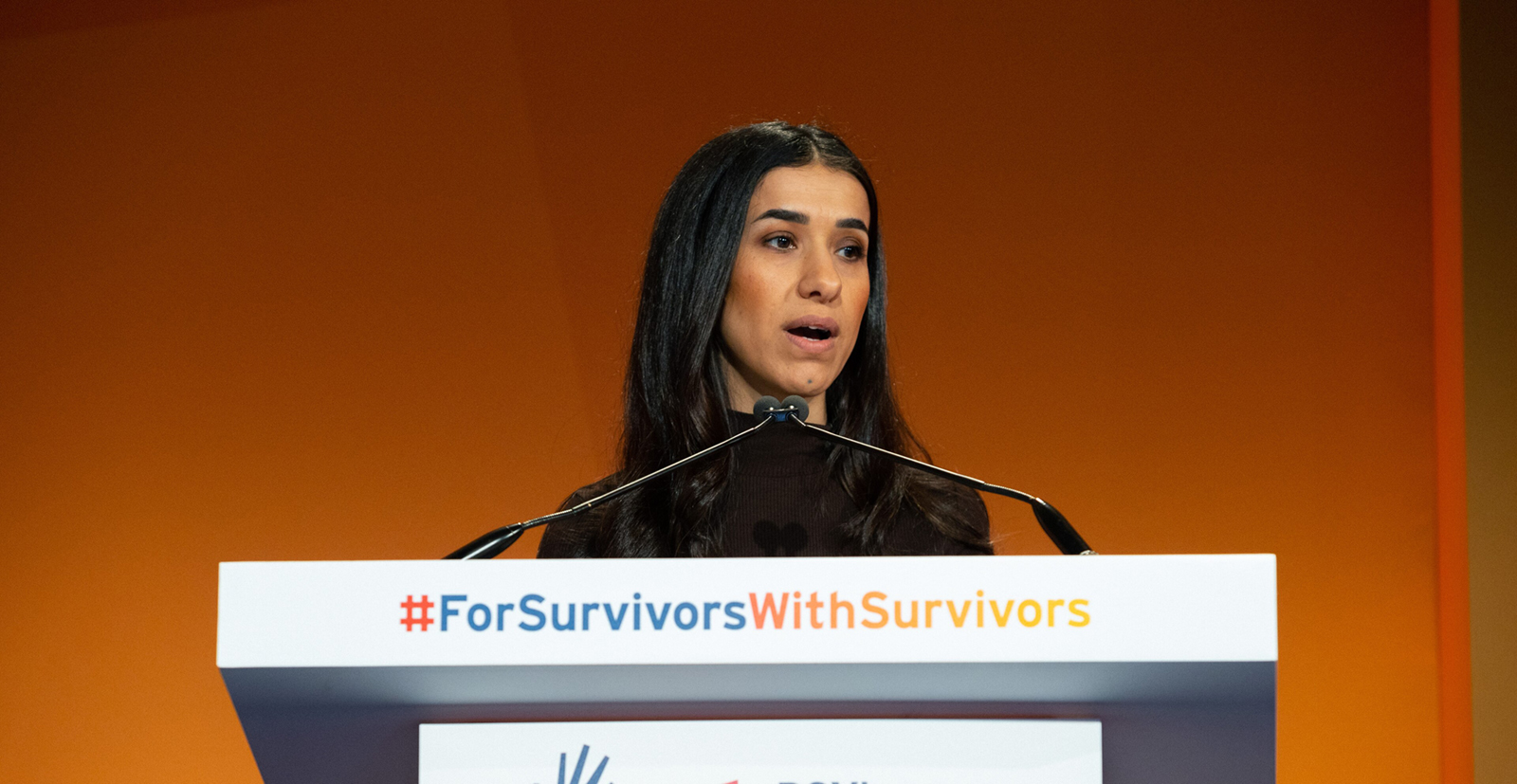
As reports of gendered violence emerge from Gaza, Sudan, Ukraine and elsewhere, a crucial question remains: whose stories shape our understanding of war? Annika Björkdahl, Kristine Höglund and Johanna Mannergren show how women's testimonies have transformed how the world recognises wartime violence. Despite this, women remain marginal to many accounts of conflict Read more
Albrecht Rothacher
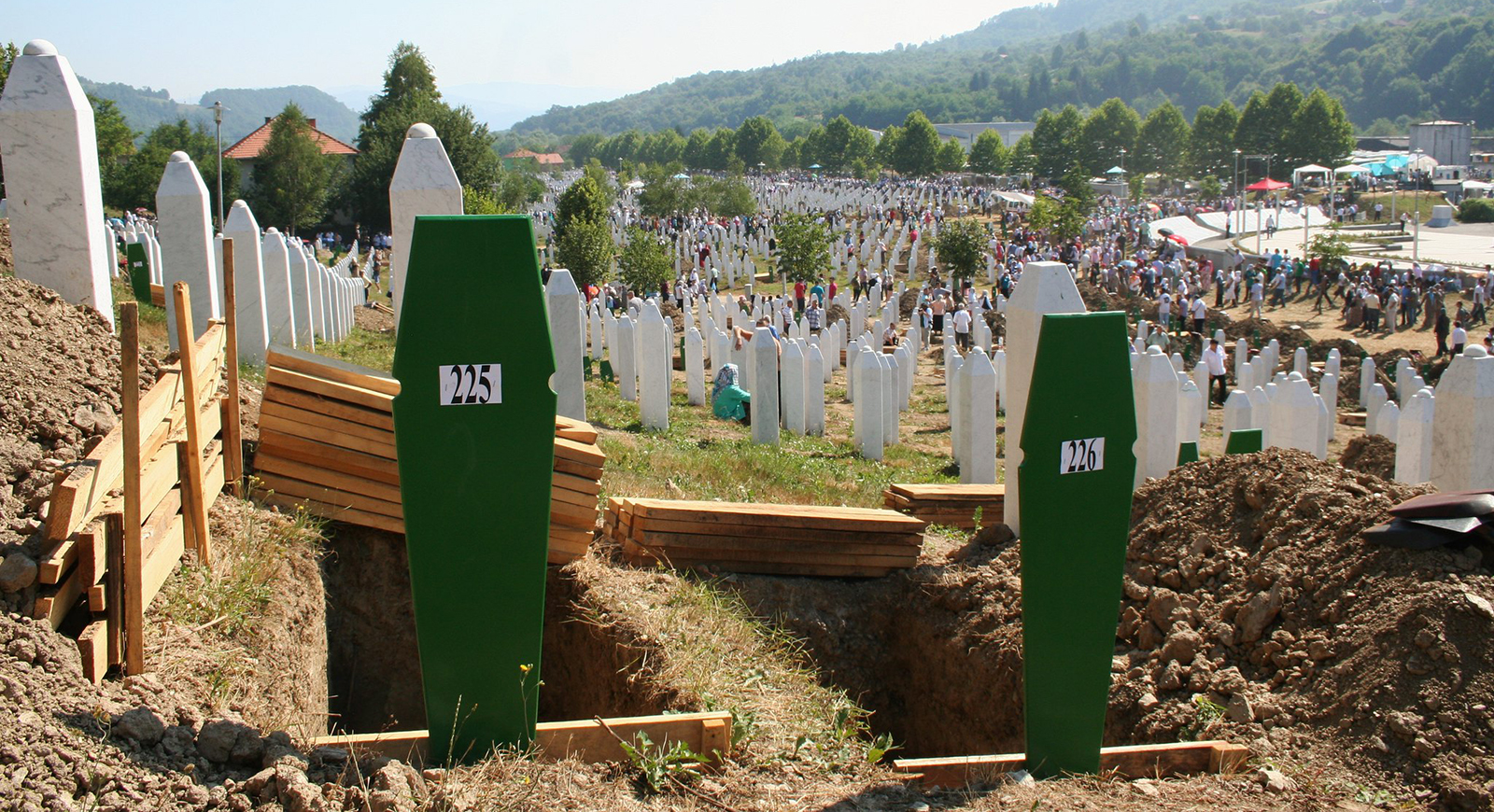
On the 30th anniversary of the Srebrenica massacre in eastern Bosnia, Albrecht Rothacher looks back at the significance of that event, and the confederal State it produced. Three decades on, can the EU realistically consider Bosnia and Herzegovina as a potential member state? Read more
Miruna Butnaru-Troncotă
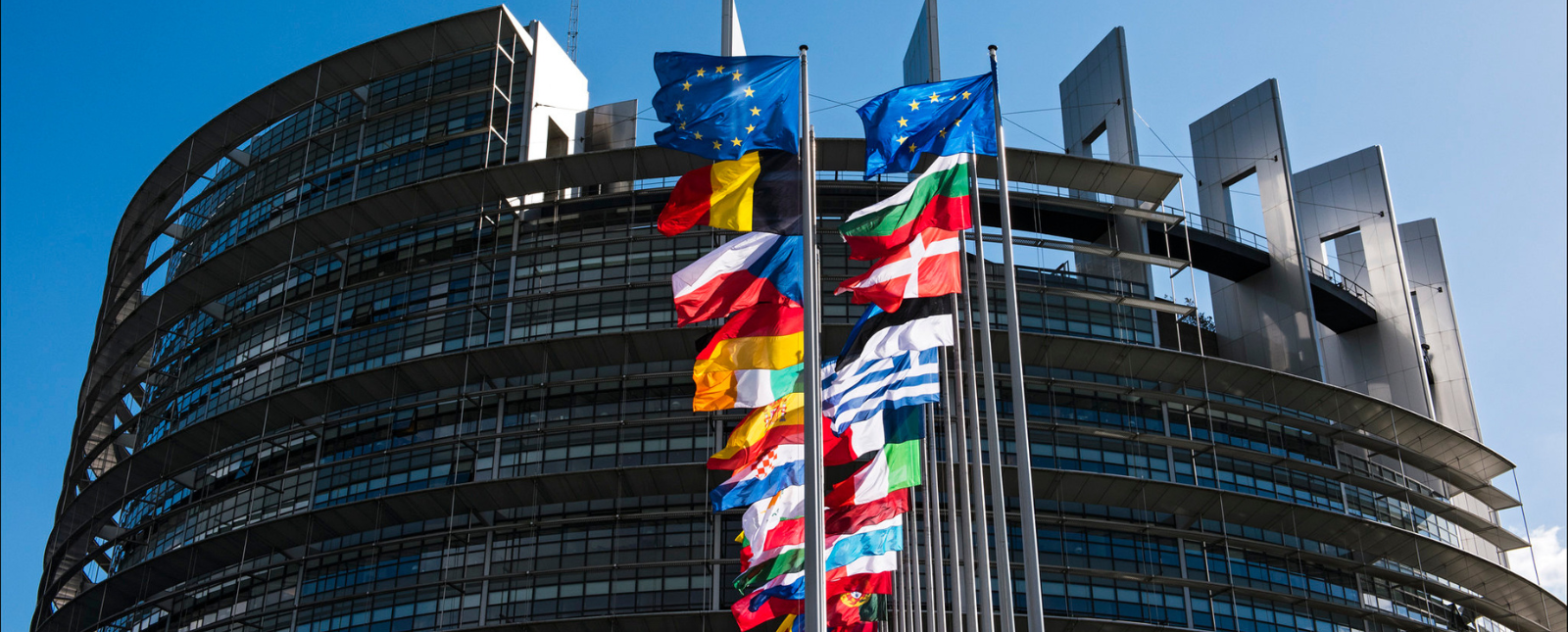
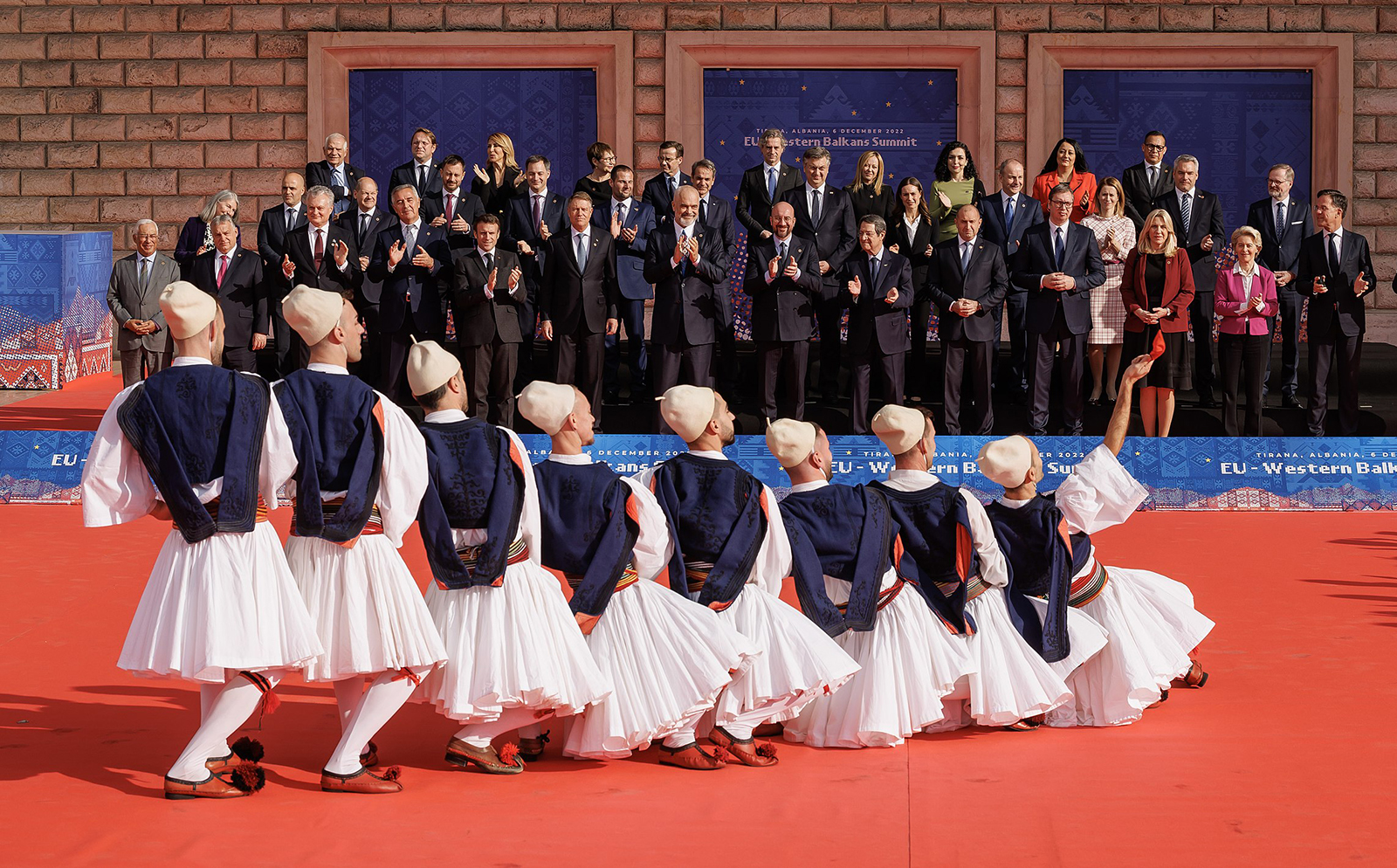
Russia’s full-scale invasion of Ukraine forced the EU to revive its enlargement agenda, but growing politicisation risks sidelining the Western Balkans yet again. Miruna Butnaru Troncotă argues that the EU's future credibility and cohesion hinge on treating Western Balkan integration just as urgently as Eastern enlargement Read more
Magdalena König
Enlargement’s symbolic revival after Russia’s full-scale invasion of Ukraine risks repeating past failures. Magdalena König warns that without credible timelines and reform momentum, the EU may trap candidates — old and new — in an ‘eternal waiting room’. Frustration, backsliding, and geopolitical drift are likely unless promises are matched by progress Read more
Maria Giulia Amadio Viceré
EU enlargement could address collective action problems and stabilise its neighbourhood, but stalled accession processes may make full membership unlikely. Maria Giulia Amadio Viceré and Matteo Bonomi suggest that partial integration — engaging candidate countries in EU policies without membership — will remain the EU's main strategy for managing internal and regional crises Read more
Olga Vlasova
Olga Vlasova delves into the intricacies of economic sanctions termination. Scrutinising global data and exploring historical precedents, she uncovers the complexities surrounding the lifting of sanctions, and how rarely they are lifted. Her analysis offers valuable insights for policymakers navigating the delicate balance of international relations. Read more
Aleksandra Samonek
EU candidate status eludes Bosnia and Herzegovina as anti-corruption and judicial reforms have failed to take root, writes Aleksandra Samonek. The European Commission points the finger at a lack of political commitment from Bosnian political leaders. They, meanwhile, are calling on the Commission to do more to facilitate accession Read more
Damir Kapidžić
Illiberal politics are a way to understand the process by which ruling elites (mis)use democratic institutions of the state to create an electoral advantage for themselves with the aim to remain in power indefinitely. With a focus on Southeast Europe, Damir Kapidžić explains the concept's roots in institutional legacies of past regimes Read more
We use necessary cookies to make our site work. We'd also like to set analytics cookies that help us make improvements by measuring how you use the site. These will be set only if you accept.
▼
Strictly Necessary Cookies
Necessary cookies enable core functionality such as security, network management, and accessibility. You may disable these by changing your browser settings, but this may affect how the website functions.
▼
Analytics Cookies
Google Analytics
We'd like to set Google Analytics cookies to help us improve our website by collecting and reporting information on how you use it. The cookies collect information in a way that does not directly identify anyone. For more information on how these cookies work please see our Privacy Notice.