Frederik Henriksen
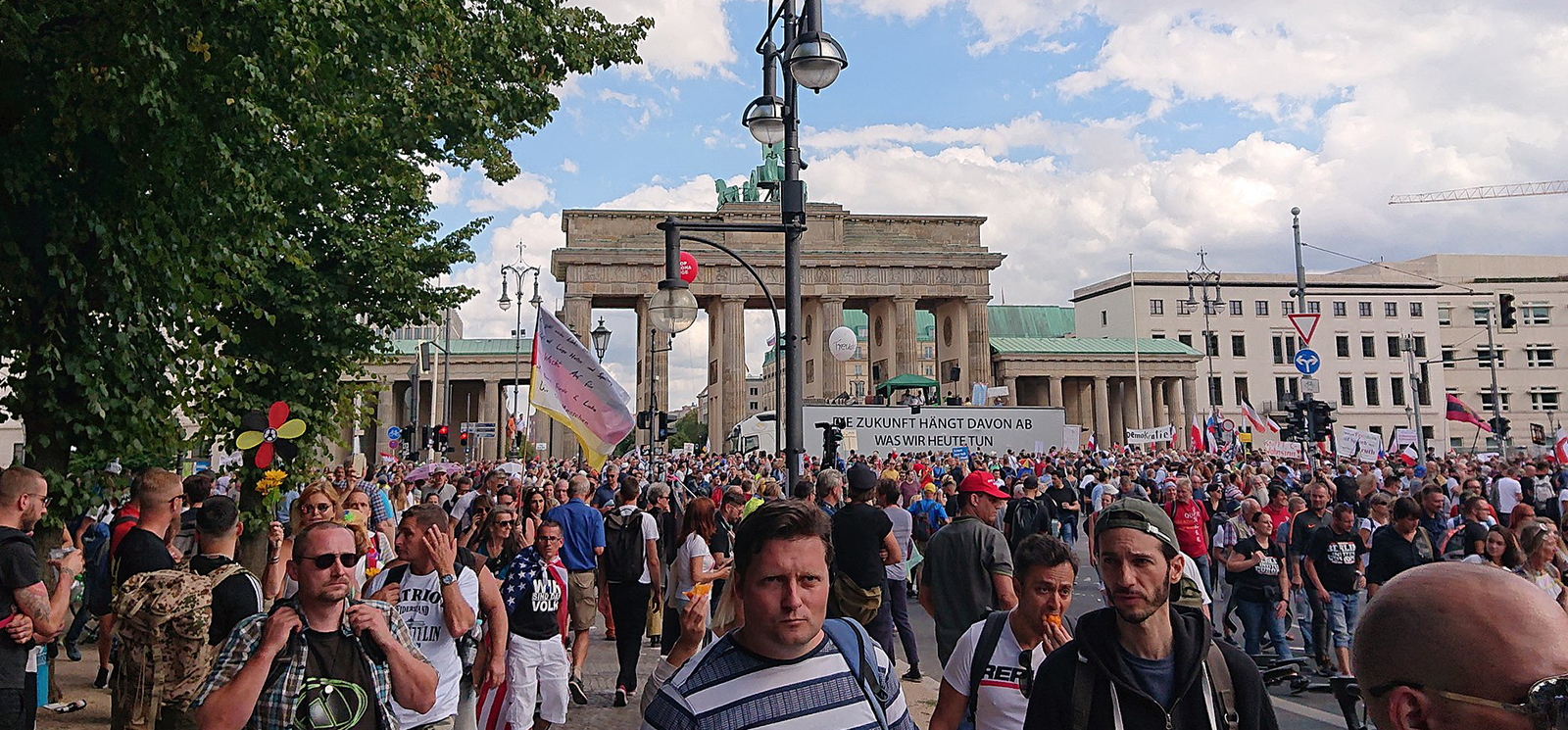
Frederik Henriksen analyses anti-systemic, populist movements during the Covid-19 pandemic. Here, he explains how these movements rely on alternative news media to establish their own digital information bubbles, and shows how ideological partisanship evolved in these environments Read more
James F. Downes
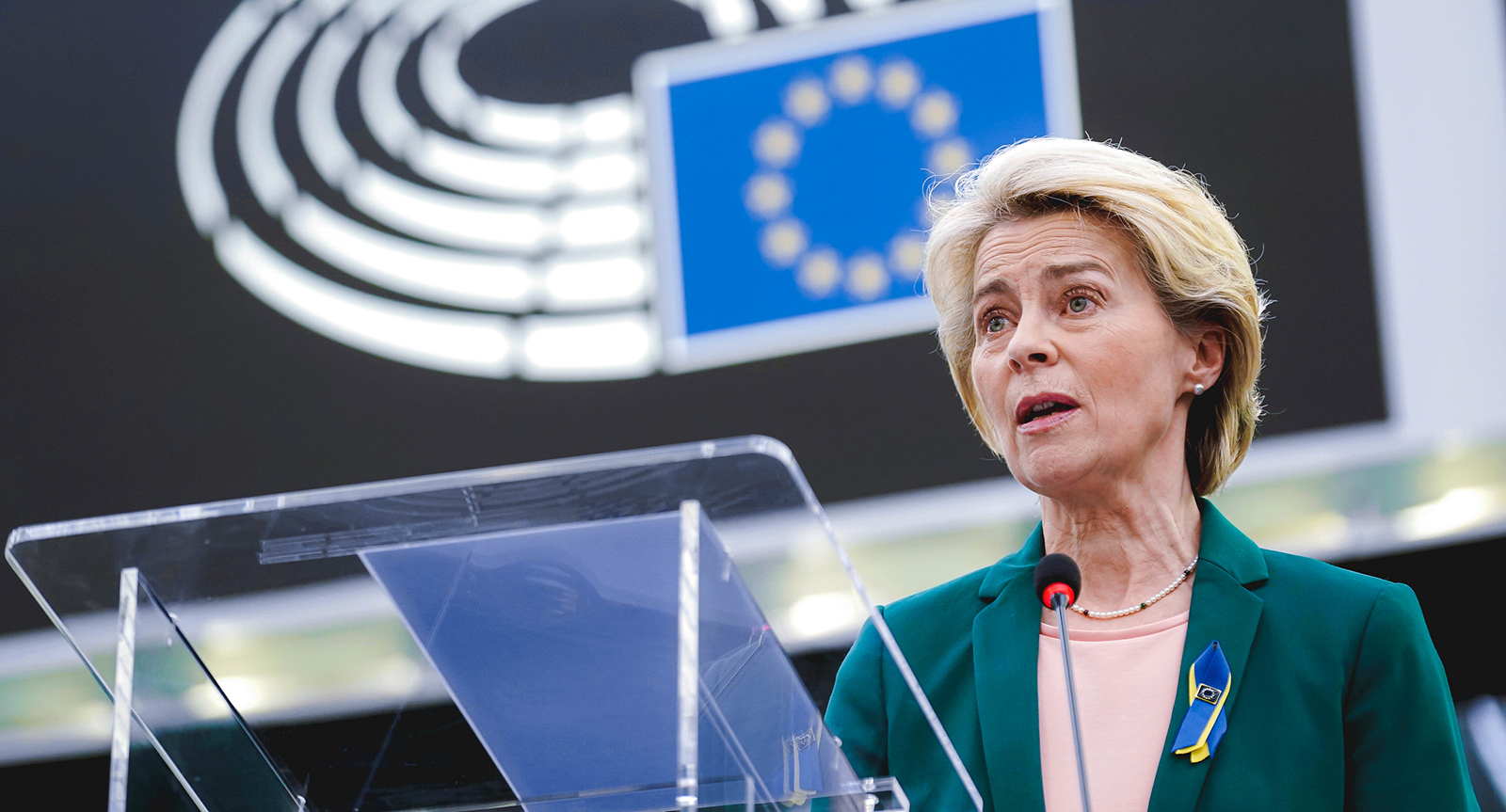
James F. Downes argues that elections to the European Parliament will likely lead to record representation for populist far-right parties. Lack of unity and ideological divisions, however, will make it difficult for the far right to wield any real power Read more
Ragnhild Louise Muriaas
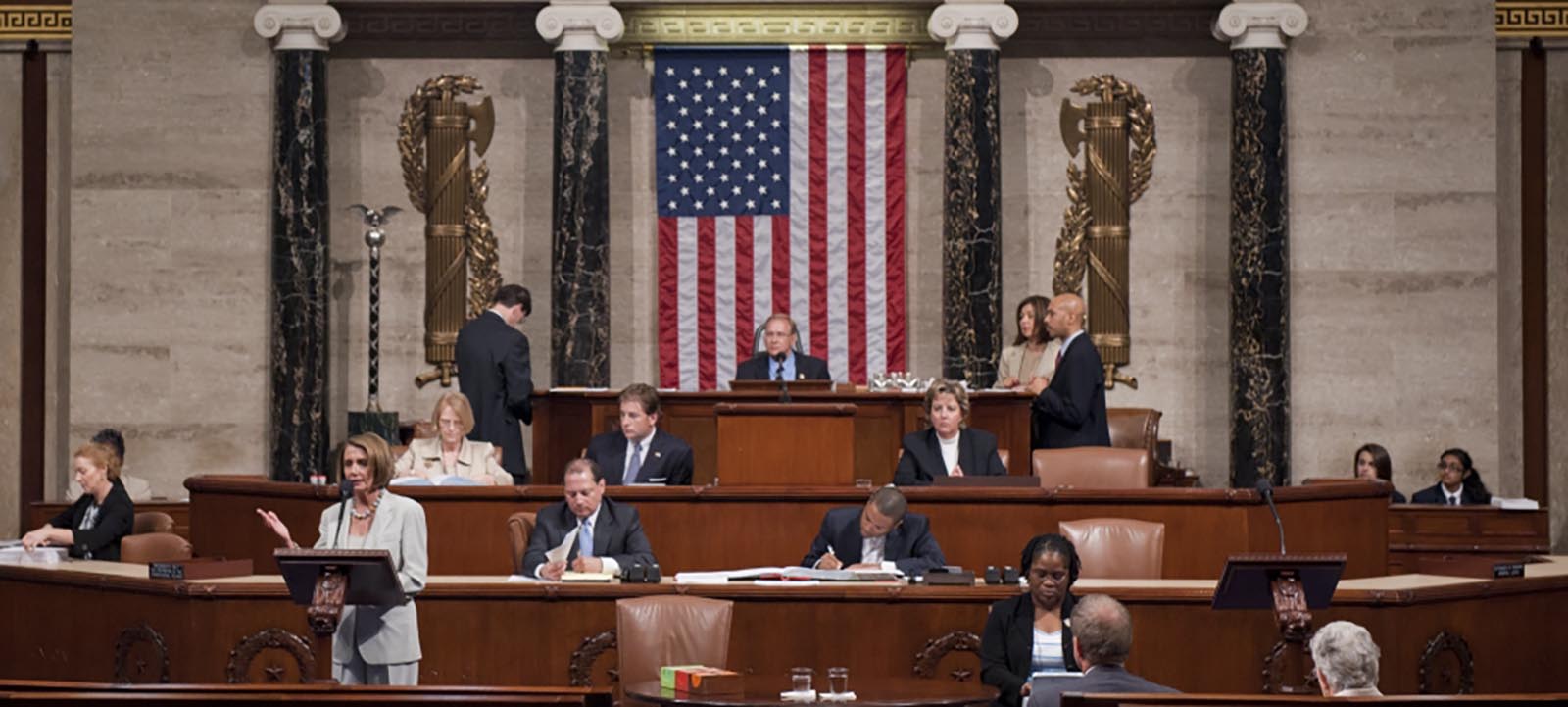
Women have made great strides towards equal representation in parliaments across the world. Their short parliamentary careers, however, still stop them from representing their constituents as effectively as men colleagues, write Ragnhild L. Muriaas and Torill Stavenes, guest editors of The Loop’s blog series to mark International Women’s Day on Friday 8 March Read more
Mattia Bottino
Participatory governance in megaprojects is intended to involve citizens in the decision-making processes and tackle their disaffection towards institutions. Mattia Bottino analyses the ‘proximity strategy’ used to realise the Brenner Basistunnel between Italy and Austria and contrasts it with the NO TAV experience in Italy’s Susa Valley Read more
Valentina Ausserladscheider
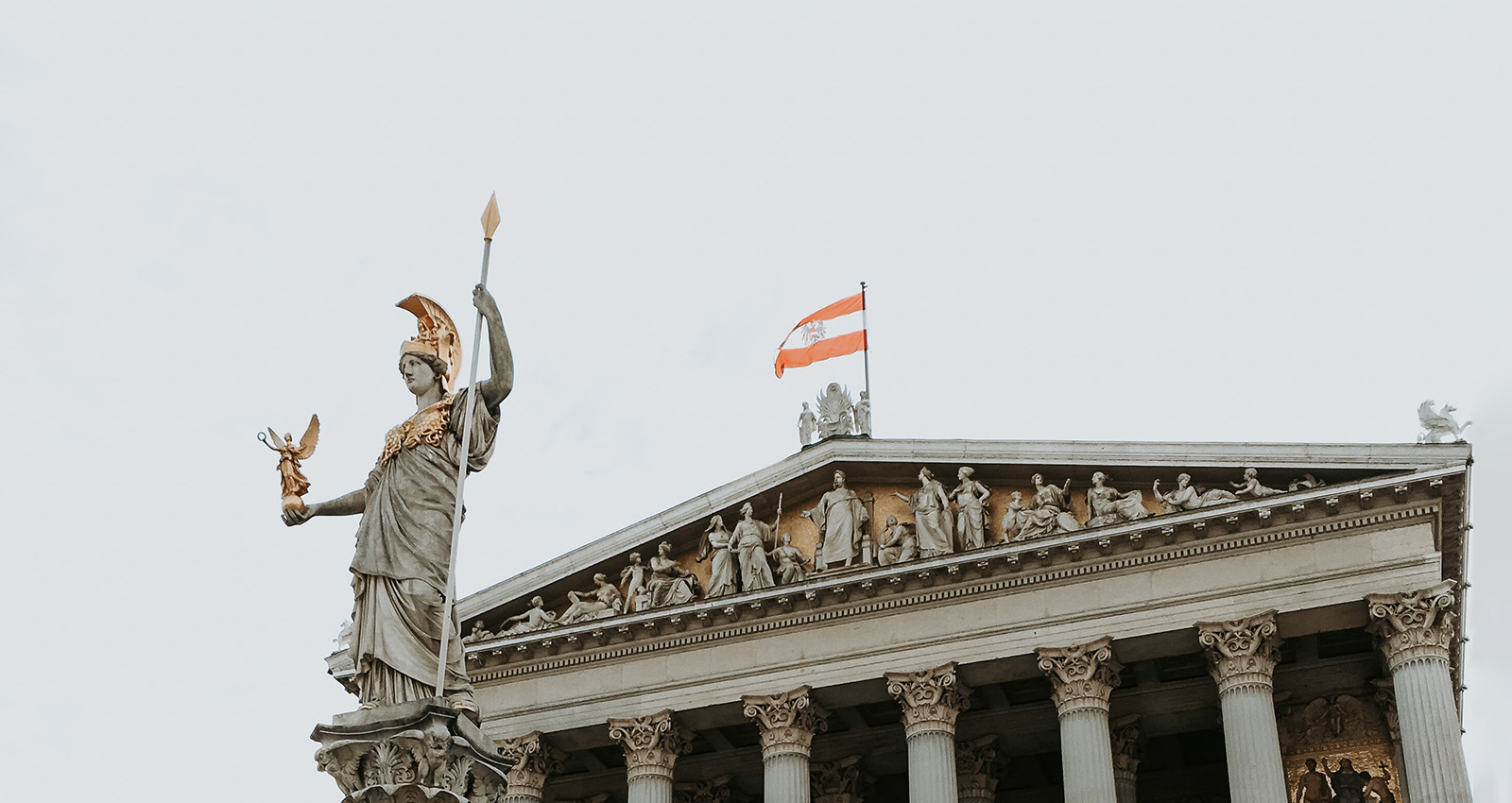
Across the globe, rar-right populism is on the rise. Its exclusionary nationalist nature poses a threat for liberal democracies. Taking Austria as a case study, Valentina Ausserladscheider explains the less obvious ways far-right populist nationalism can become deeply entangled with neoliberal economic policymaking Read more
Ben Seyd
Can policymakers expect people to comply with official health restrictions out of fear rather than because they trust the government? Ben Seyd suggests the answer is no. Governments still need trust to motivate citizens to comply with important collective rules. Read more
James F. Downes
To guard against vote loss, parties of the centre right are taking a tough stance on immigration. James F. Downes, Matthew Loveless and Andrew Lam argue that such parties risk bringing far-right ideology into the political mainstream, and undermining the very tenets of liberal democracy they profess to uphold Read more
Markus Wagner
In 2015, Austria took in almost 90,000 asylum seekers – the third-highest number in Europe that year. The government housed asylum seekers in areas with little experience in welcoming refugees. These areas subsequently saw a backlash against refugees in particular, and immigrants and Muslims in general, write Markus Wagner and Lukas Rudolph Read more
We use necessary cookies to make our site work. We'd also like to set analytics cookies that help us make improvements by measuring how you use the site. These will be set only if you accept.
▼
Strictly Necessary Cookies
Necessary cookies enable core functionality such as security, network management, and accessibility. You may disable these by changing your browser settings, but this may affect how the website functions.
▼
Analytics Cookies
Google Analytics
We'd like to set Google Analytics cookies to help us improve our website by collecting and reporting information on how you use it. The cookies collect information in a way that does not directly identify anyone. For more information on how these cookies work please see our Privacy Notice.