Sebastian Jäckle
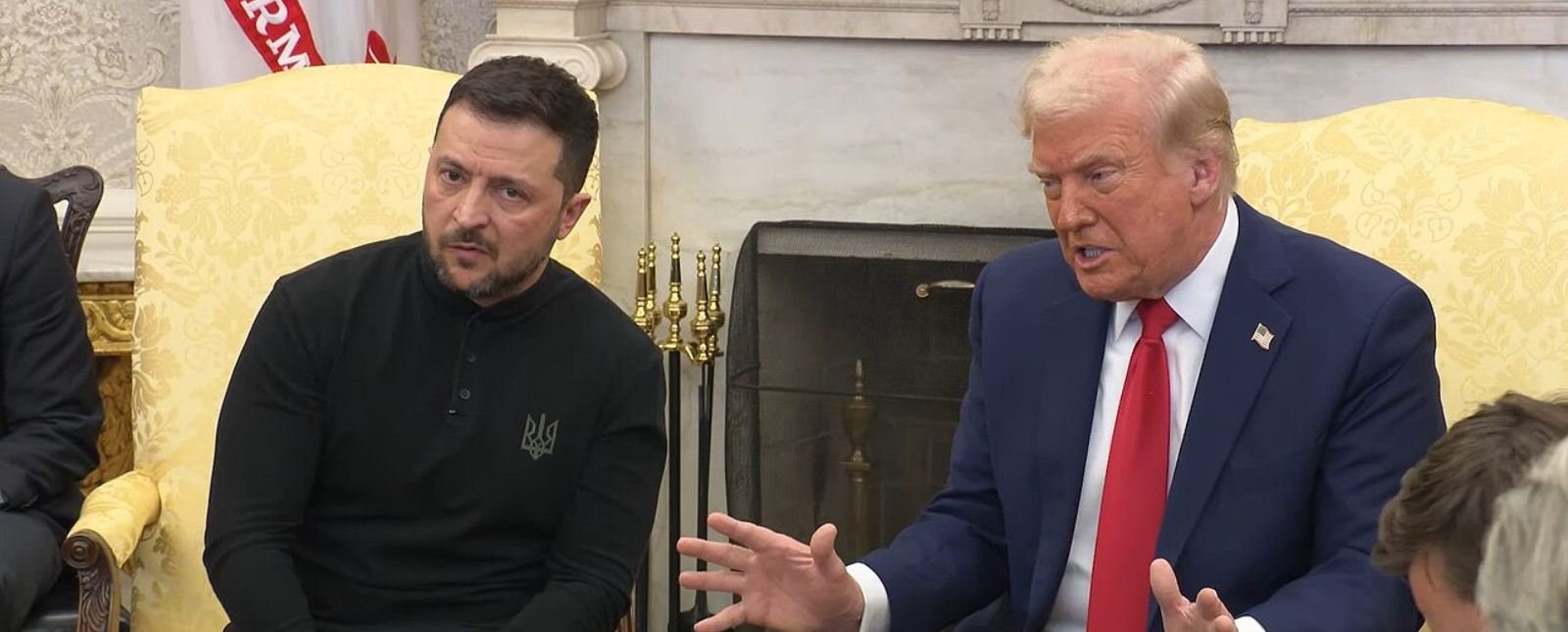
Few moments captured the volatility of transatlantic relations better than the explosive Oval Office meeting between Donald Trump and Volodymyr Zelenskyy on 28 February 2025. Sebastian Jäckle, Ronald Schleehauf, Judith Reinbold and Marius Fröhle studied its impact on German public opinion using a natural experiment based on an online survey Read more
John Ryan
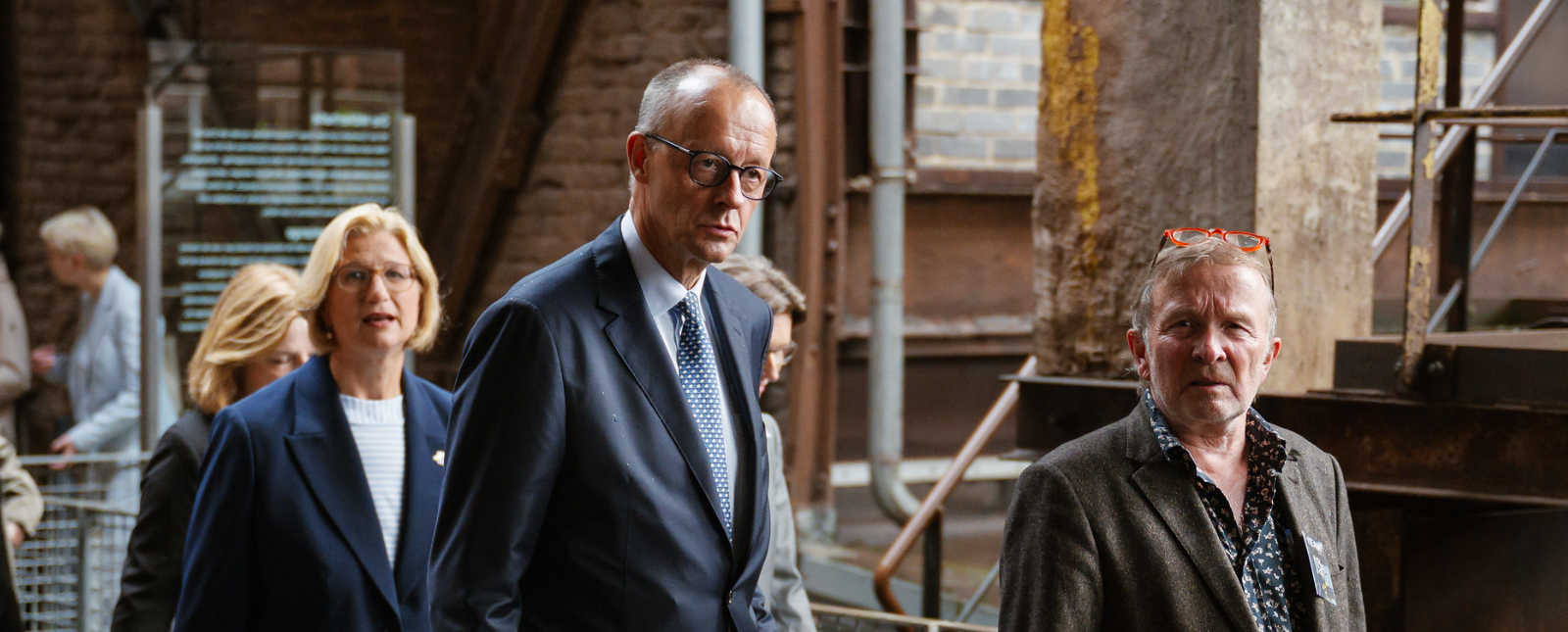
The recent municipal election results in North Rhine-Westphalia barely disguise Chancellor Friedrich Merz’s unpopularity. The result offers no respite for the CDU/CSU-SPD government at national level. Bold actions are needed domestically to tackle Germany’s deep and structural challenges, argues John Ryan Read more
Ugur Tekiner
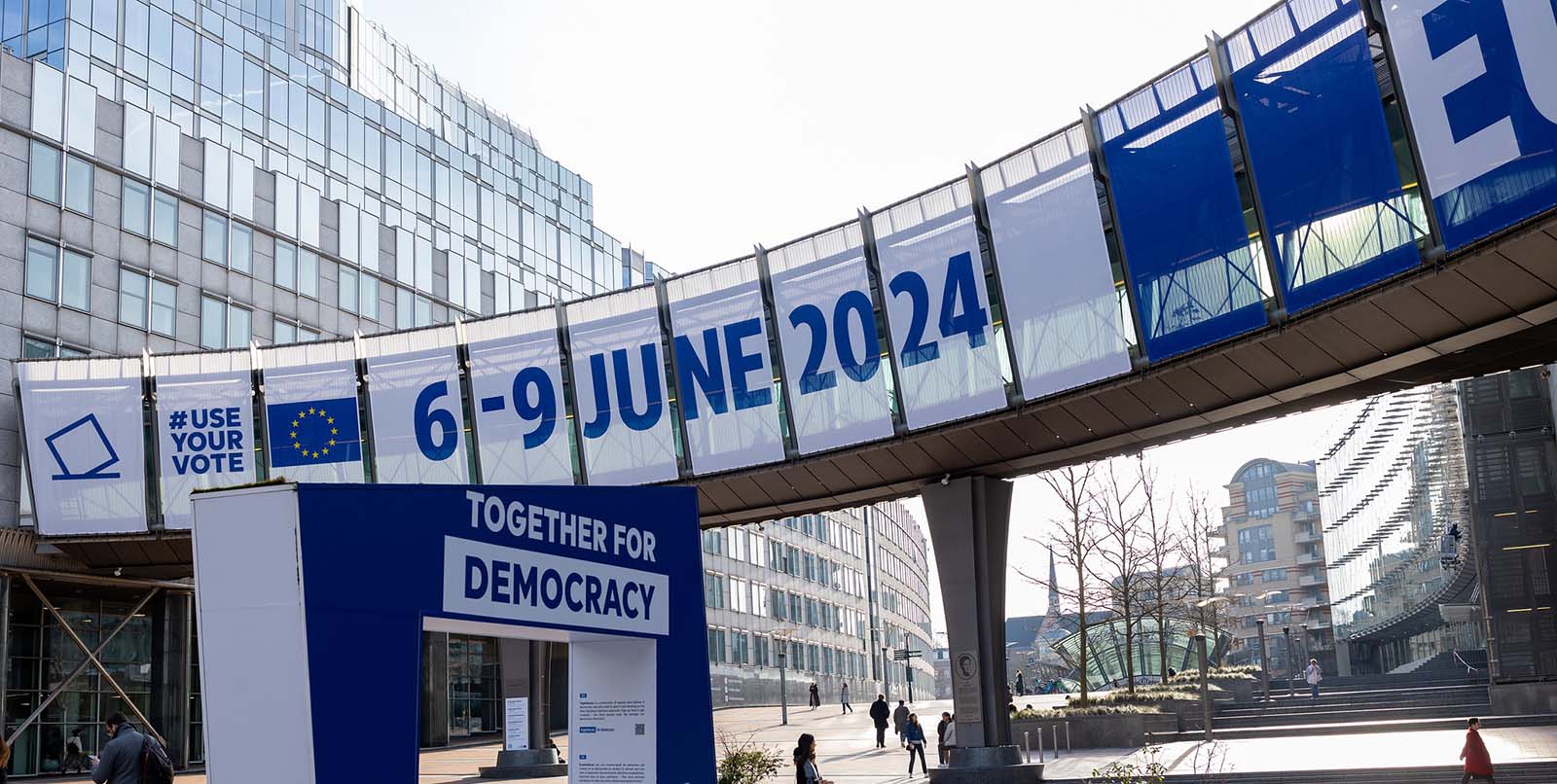
European elections are traditionally seen as less significant than national elections. But Ugur Tekiner argues that the recent challenges facing the EU force us to rethink this classification. Recent European elections accurately reflect the national political mood in Member States, and reveal the growing polarisation around Europe Read more
Federico Taddei
Linguistic precision matters, but the term 'hard right' isn’t the real threat to clarity. Federico Taddei argues that the real problem lies in how journalists and scholars misuse or oversimplify the categories political science has worked long and hard to define Read more
Yunus Poblome
Right-wing populism has gone beyond the nation state. Analysing JD Vance’s speech at the Munich Security Conference earlier this year, Yunus Poblome describes how US foreign policy under Trump depicts Europe as being led by a corrupt elite which refuses to listen to its conservative people. This, he argues, further legitimise Europe’s own right-wing populists Read more
Corinna Kröber
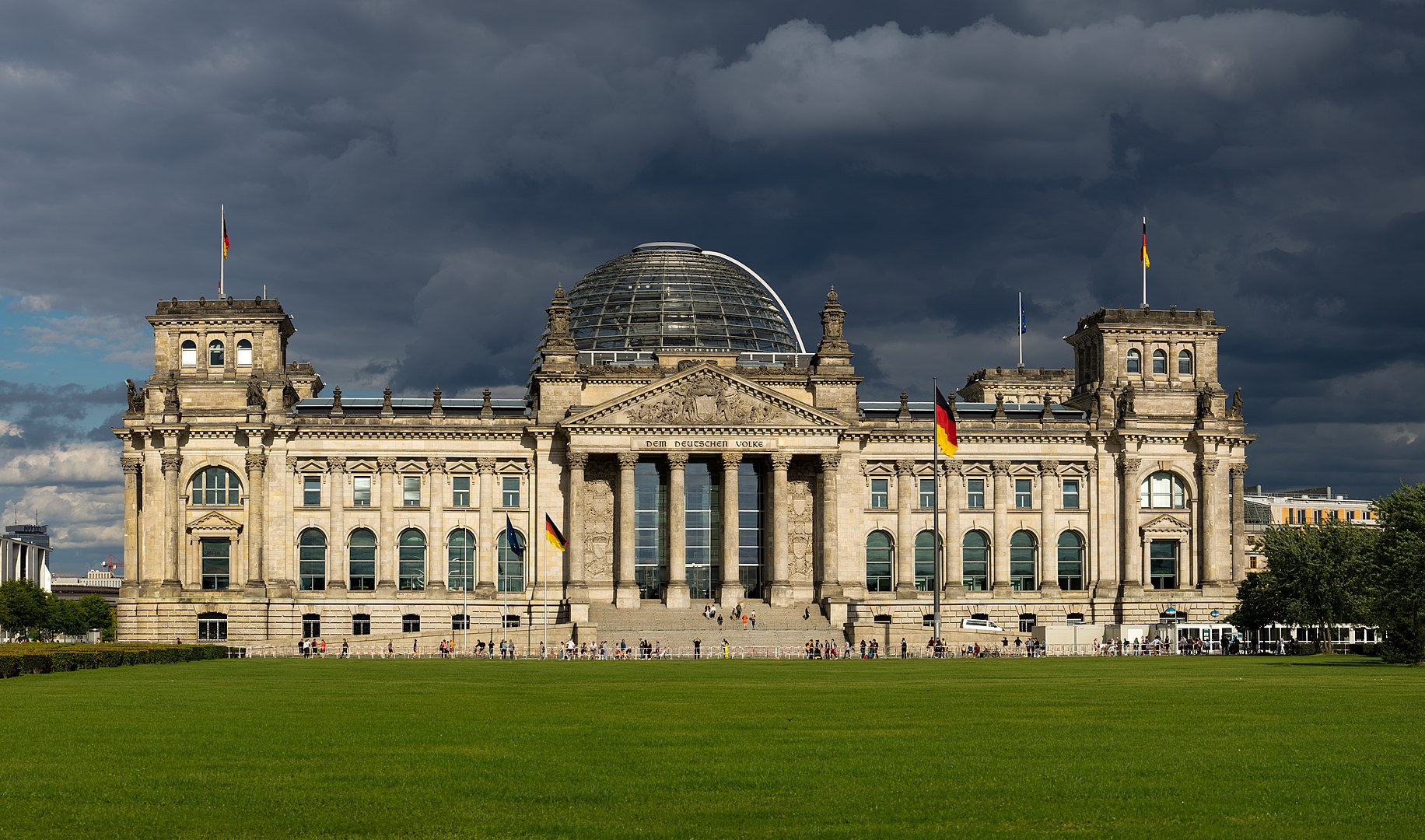
The new German Bundestag will be smaller and more right-wing wing. And it will be more male-dominated. Corinna Kröber and Lena Stephan discuss how the political shift to the right and the new electoral law have influenced this trend, and the potential long-term consequences for women’s political representation in Germany Read more
James F. Downes
James F. Downes argues that the 2025 German election has upended decades of stability: the CDU’s rightward pivot and the AfD’s historic surge have left a fragmented parliament. With the SPD’s progressive coalition shattered, a shaky 'Grand Alliance' offers minimal respite. Germany’s turmoil threatens EU unity — and its own democratic foundations Read more
Renée Krug
Germany heads to the polls on 23 February, amid an economic recession. Renée Krug, Stefan Wallaschek and Pauline Ahlhaus analyse the parties' main election programmes, and show how, in contrast with left-wing parties, those on the right rarely address gendered economic inequalities and LGBTQI rights. With polls indicating a CDU-led government, gender-related issues are at risk of being sidelined — or even reversed Read more
We use necessary cookies to make our site work. We'd also like to set analytics cookies that help us make improvements by measuring how you use the site. These will be set only if you accept.
▼
Strictly Necessary Cookies
Necessary cookies enable core functionality such as security, network management, and accessibility. You may disable these by changing your browser settings, but this may affect how the website functions.
▼
Analytics Cookies
Google Analytics
We'd like to set Google Analytics cookies to help us improve our website by collecting and reporting information on how you use it. The cookies collect information in a way that does not directly identify anyone. For more information on how these cookies work please see our Privacy Notice.