Jelena Džankić
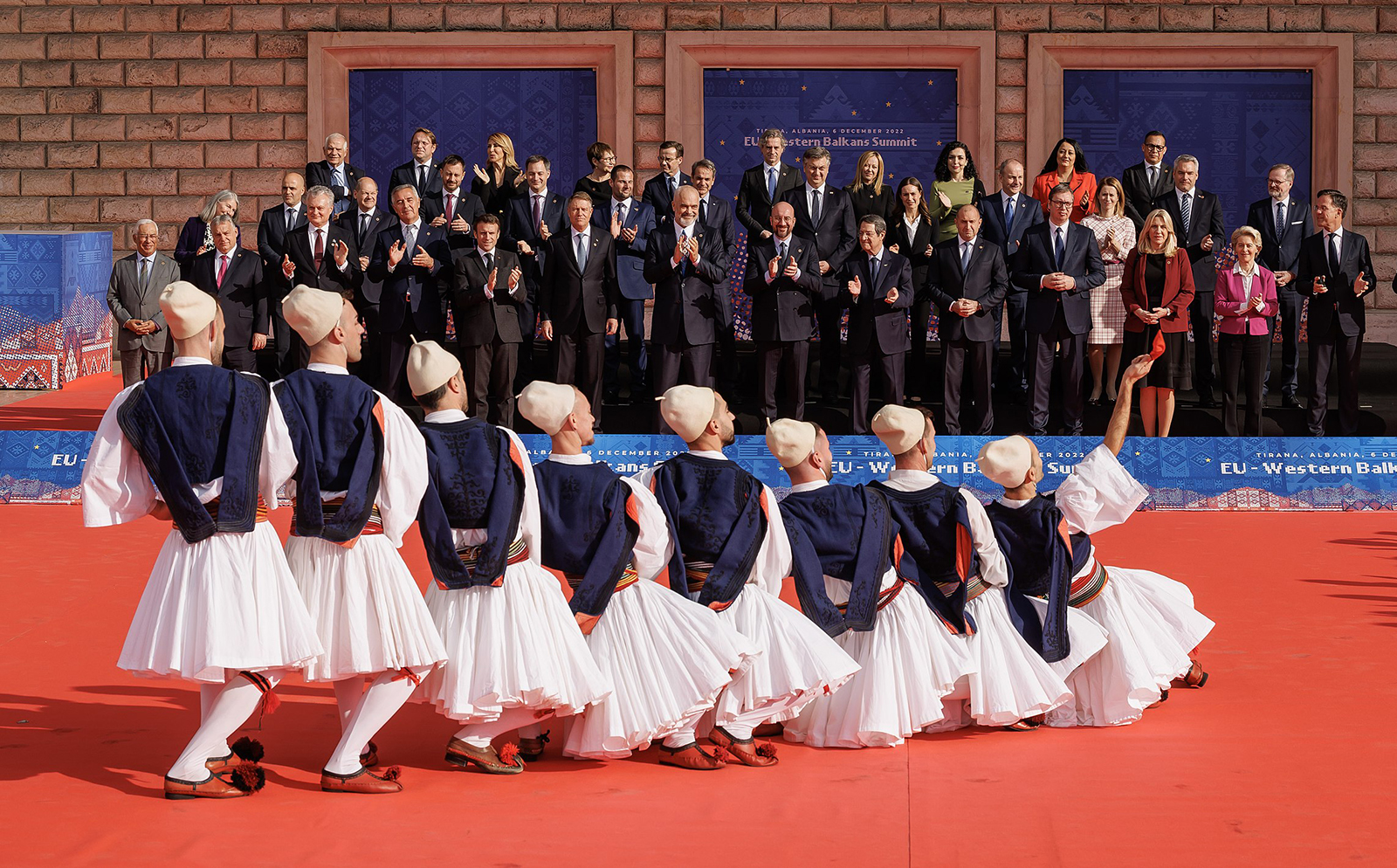
The EU enlargement process successfully transformed Southern and Eastern European states into market democracies, but faltered in the Western Balkans. Jelena Džankić argues that amid today’s geopolitical challenges, prioritising the transformative mechanisms of EU enlargement is more critical than focusing solely on achieving full membership Read more
Luis Schenoni
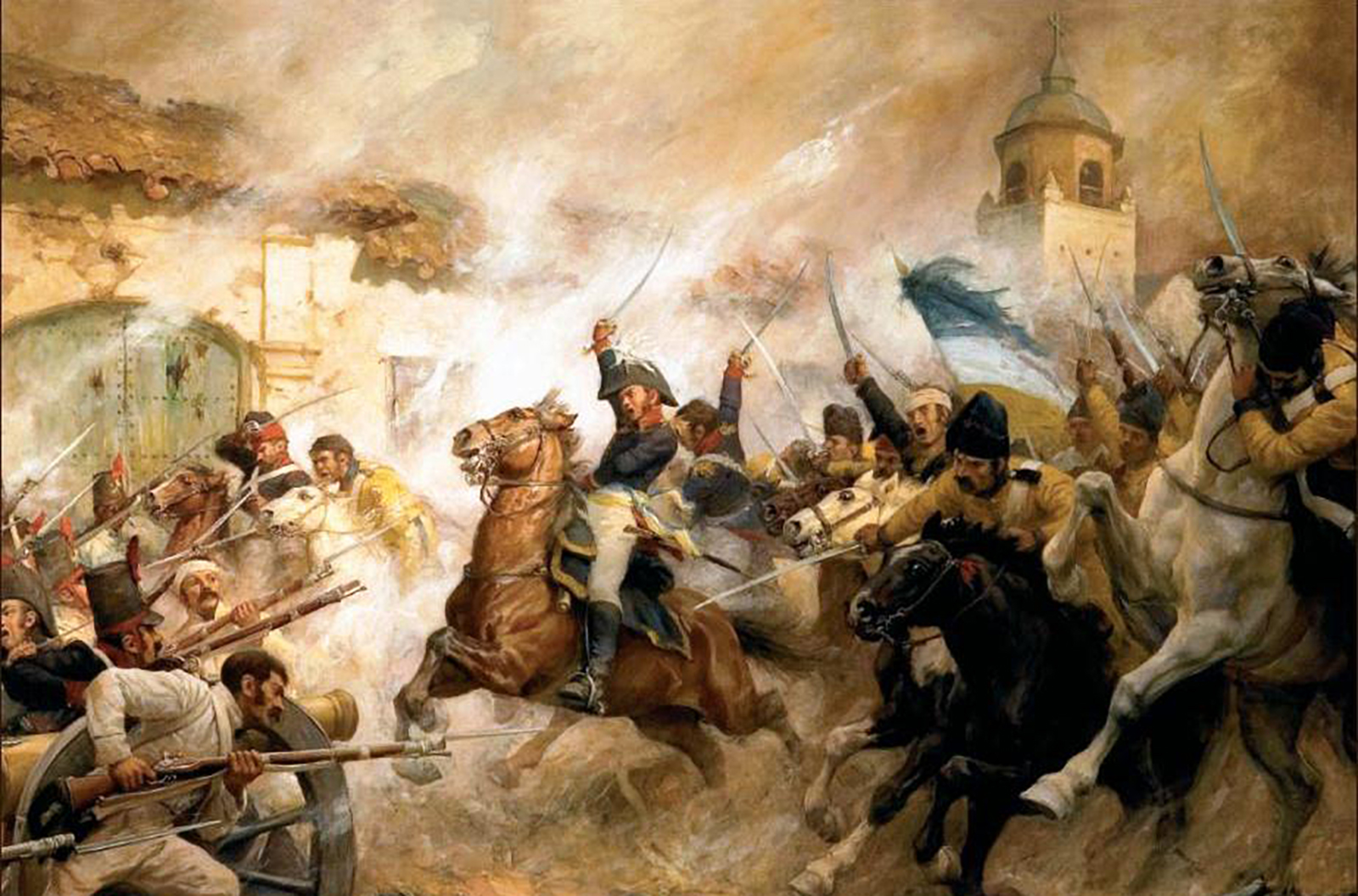
Once the Russia-Ukraine war ends, perceptions of victory and defeat will affect not only the stability of those states' political regimes but the capacity of the state in the long term, says Luis Schenoni. Using examples from nineteenth-century Latin America, he argues that the effects of war outcomes on security and the rule of law will endure for decades Read more
Rafael Labanino
Illiberal populists politicise regulatory agencies. Under populist governments, regulatory agencies engage primarily with interest groups which enjoy close connections to the ruling parties. This is bad news for democratic quality and the quality of governance, write Rafael Labanino and Michael Dobbins Read more
Louise Halberg Nielsen
During the Covid-19 pandemic, many citizens put full faith in 'the system' to keep them safe. Others were inherently mistrustful. Louise Halberg Nielsen argues that such trust, or the lack of it, was a key source of pandemic-era political disagreement. Her research findings could help societies navigate future collective crises more effectively Read more
Maissam Nimer
The sudden collapse of the Assad regime could result in Syrian refugees being pressured into returning. But Maissam Nimer and Susan Beth Rottmann say refugee returns must be voluntary, dignified, and sustainable – not driven by political agendas. Given Syria's shattered infrastructure, instability, and limited opportunities, 'safety' means more than simply the absence of violence Read more
Maria Giulia Amadio Viceré
EU enlargement could address collective action problems and stabilise its neighbourhood, but stalled accession processes may make full membership unlikely. Maria Giulia Amadio Viceré and Matteo Bonomi suggest that partial integration — engaging candidate countries in EU policies without membership — will remain the EU's main strategy for managing internal and regional crises Read more
Francesco Foti
The West is failing to invest against Russian encroachment in Georgia, choosing instead to break relations. Francesco Foti argues that Western disengagement will prove a serious obstacle to Georgia realigning with the West. Read more
John Chin
Georgia is undergoing its most significant mass uprising since the 2003 rose revolution, with the future of democracy in Georgia and Georgia’s future in Europe at stake. John Chin and Anastasia Kim put this unrest in context by reviewing Georgia’s revolutionary history and ongoing challenges posed by Russian sharp power Read more
We use necessary cookies to make our site work. We'd also like to set analytics cookies that help us make improvements by measuring how you use the site. These will be set only if you accept.
▼
Strictly Necessary Cookies
Necessary cookies enable core functionality such as security, network management, and accessibility. You may disable these by changing your browser settings, but this may affect how the website functions.
▼
Analytics Cookies
Google Analytics
We'd like to set Google Analytics cookies to help us improve our website by collecting and reporting information on how you use it. The cookies collect information in a way that does not directly identify anyone. For more information on how these cookies work please see our Privacy Notice.