Alexandros Kyriakidis
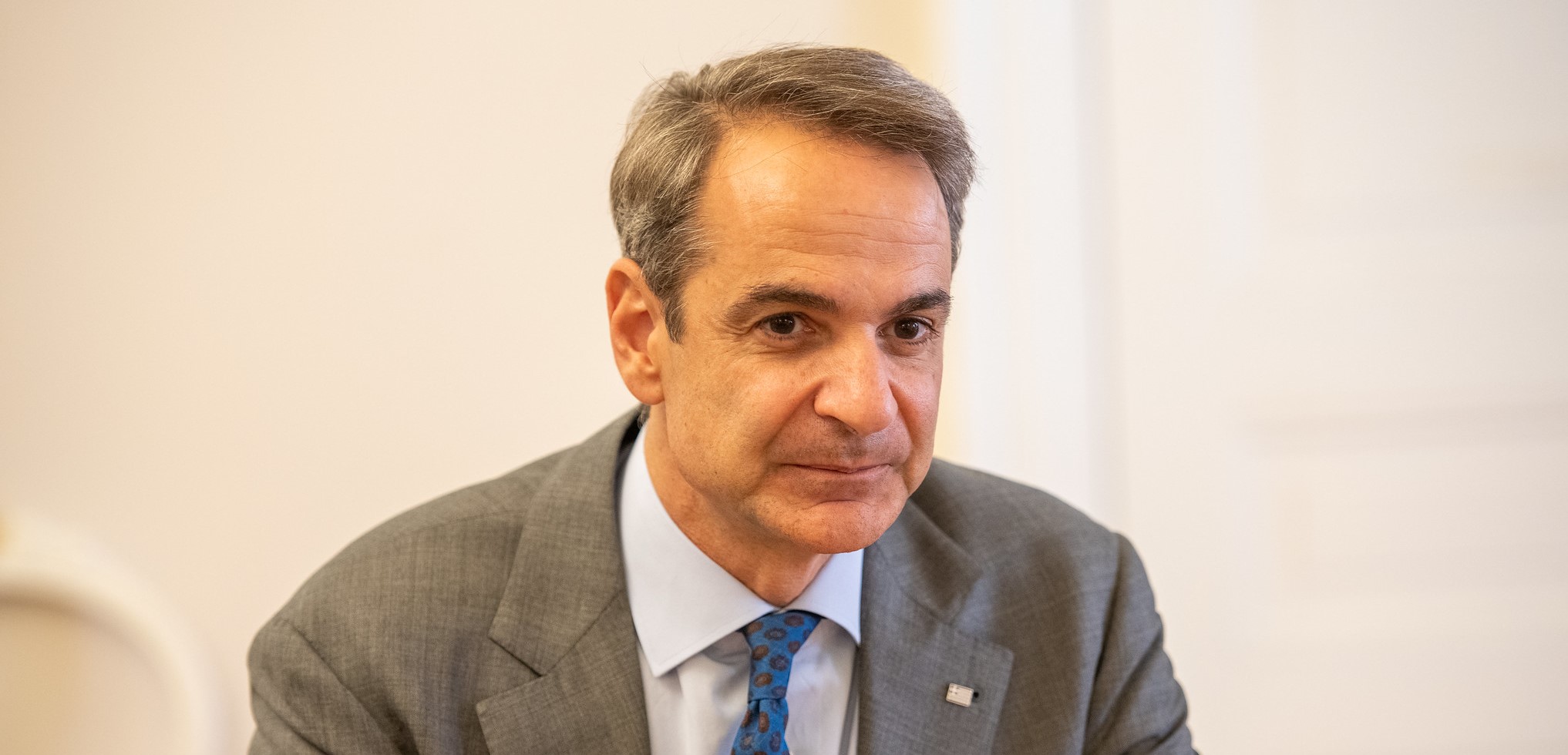
Alexandros Kyriakidis argues that the era of political and financial crisis in Greece that spanned a decade seems to be coming to a close with the recent elections. This is demonstrated most vividly by the decline of SYRIZA, the party most closely associated with the anti-financial programme agenda Read more
Simon Bienstman
Income inequality threatens democracy by depressing trust in political institutions. To better understand why, Simon Bienstman, Svenja Hense, and Markus Gangl argue that we should pay attention to inequality’s negative effect on citizens’ evaluations of the democratic process Read more
Kostiantyn Yanchenko
Narrative approaches are currently experiencing a golden age in many domains of political science. And yet, when it comes to populism studies, scholars are still rather reluctant to adopt a narrative perspective. Kostiantyn Yanchenko explains why studying populist storytelling can be beneficial for the discipline Read more
Ivo Kesler
Ivo Kesler argues that the emergence of the far-right populist Alliance for the Union of Romanians (AUR) reflects the contested legacy of legionarism and fascism in Romania. AUR is growing in popularity, and with parliamentary elections coming in 2024, the party constitutes a real threat to the mainstream Read more
Rachel M. Gisselquist
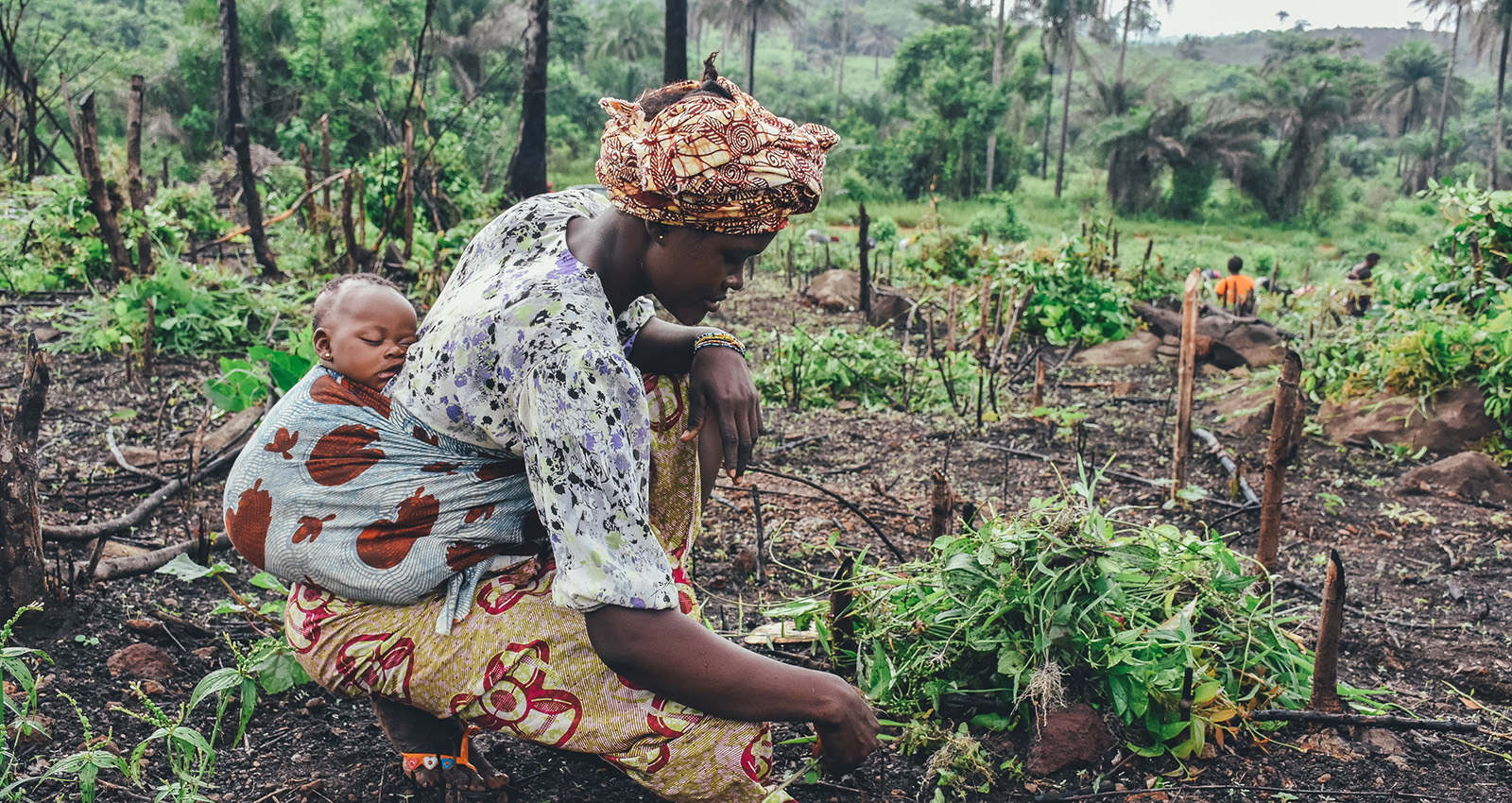
Demonstrating empirically the Aid Effectiveness Principles' global impact on development is a challenge. But according to Rachel M. Gisselquist, Patricia Justino, and Andrea Vaccaro, the value of these principles lies in mobilising support for normative commitments such as establishing effective, accountable, and inclusive institutions Read more
Stella Gerani
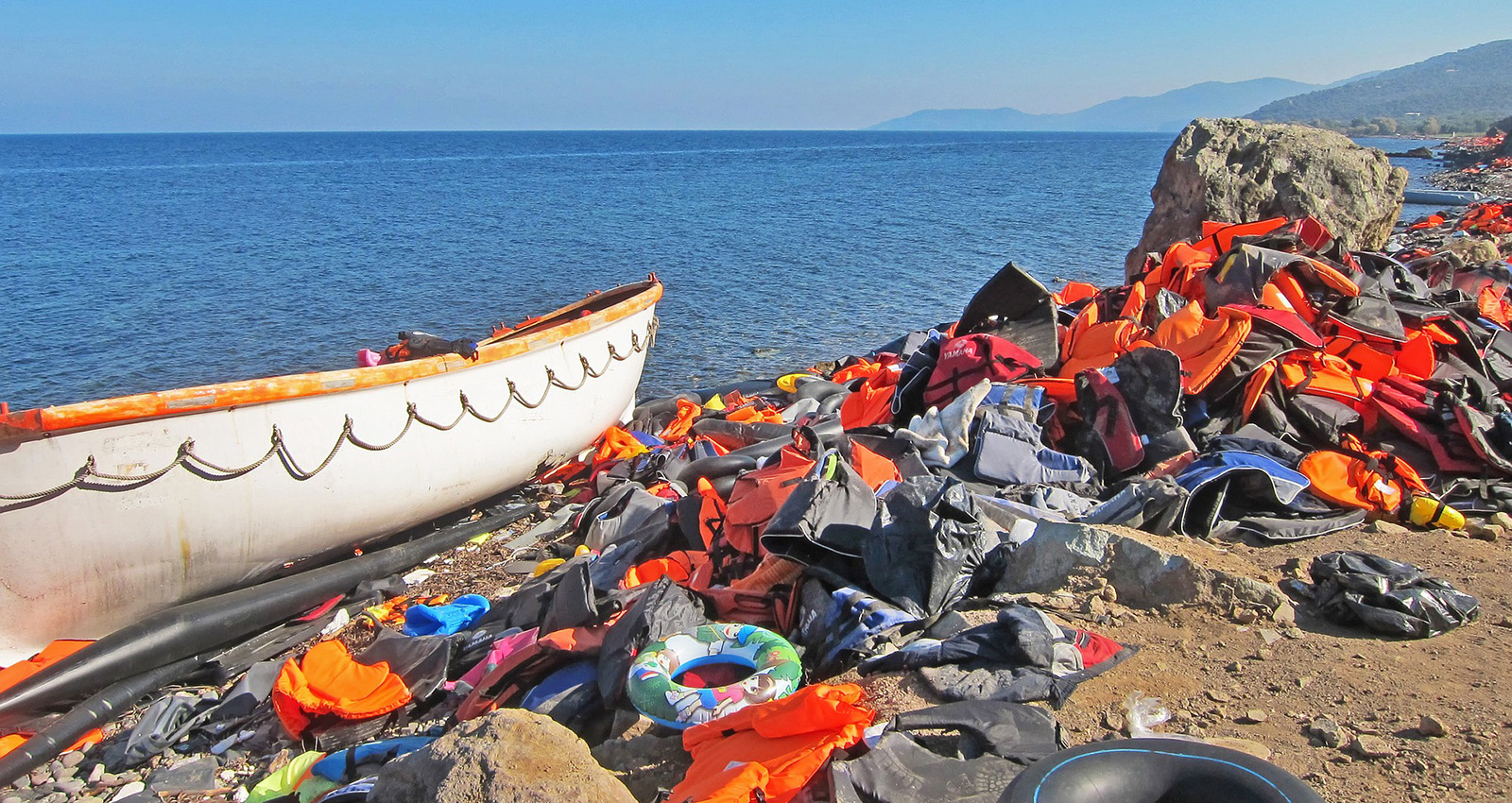
The Central Mediterranean is the main migratory route to the EU, with most irregular migrants coming from Syria, Afghanistan and Turkey. Stella Gerani examines the critical role played by Turkey in this migration crisis, and how domestic and foreign policy are driving its approach – and its double standards Read more
Michael Bauer
Populists have risen to executive office worldwide. In this context, Michael W. Bauer argues, we must pay more systematic attention to threats to the state and its institutions; the potential long-term impacts of the damage that populist governments can inflict 'from within' are potentially devastating Read more
Carlos José Cruz Infante
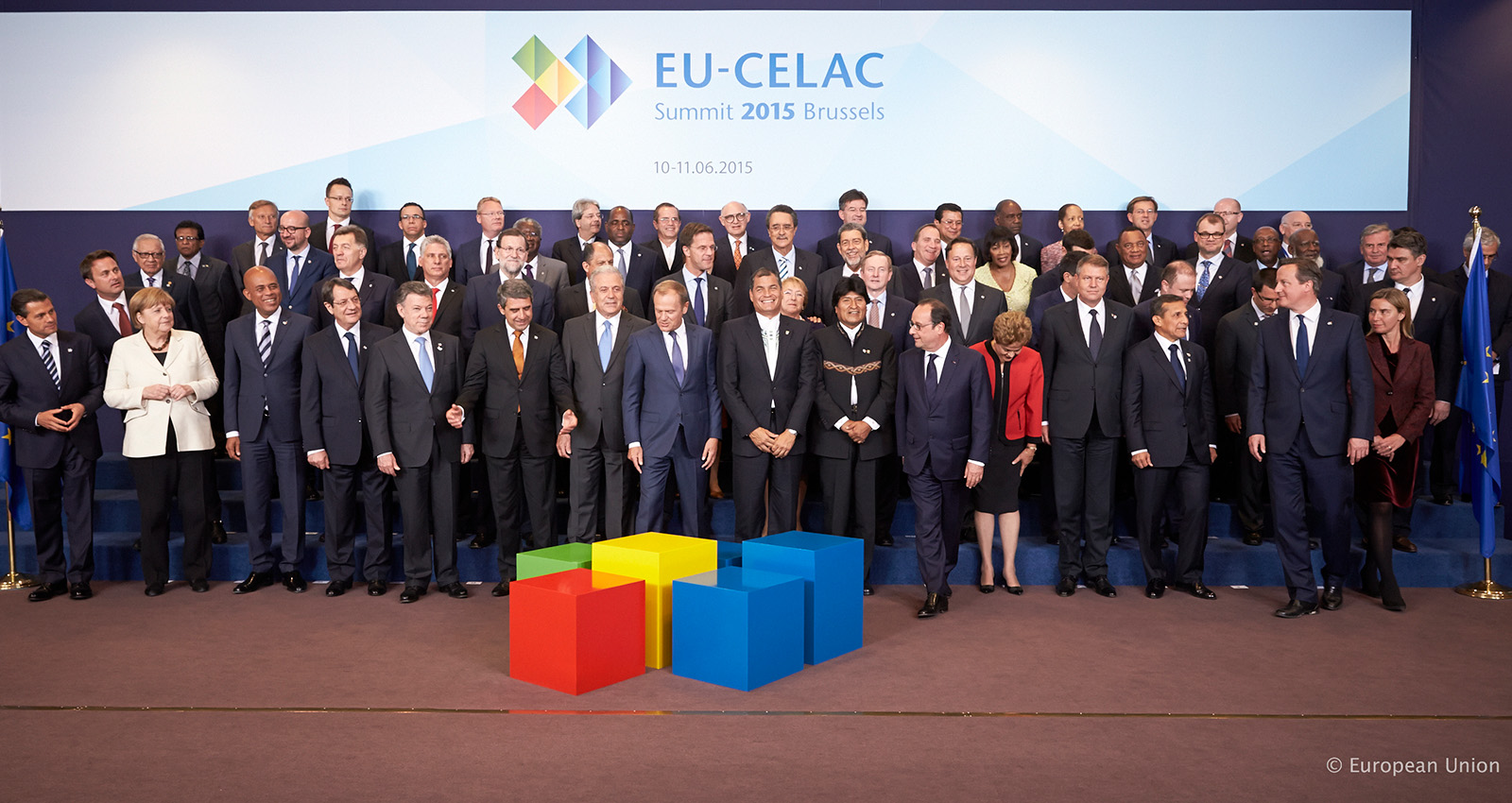
Heads of state from Europe and Latin America and the Caribbean meet on 17 and 18 July in Brussels for the long-awaited EU-CELAC summit. Despite facing a credibility crisis in the region, the EU has the tools to build a credible and strategic partnership going forward, write Carlos Cruz Infante and Johanne Døhlie Saltnes Read more
We use necessary cookies to make our site work. We'd also like to set analytics cookies that help us make improvements by measuring how you use the site. These will be set only if you accept.
▼
Strictly Necessary Cookies
Necessary cookies enable core functionality such as security, network management, and accessibility. You may disable these by changing your browser settings, but this may affect how the website functions.
▼
Analytics Cookies
Google Analytics
We'd like to set Google Analytics cookies to help us improve our website by collecting and reporting information on how you use it. The cookies collect information in a way that does not directly identify anyone. For more information on how these cookies work please see our Privacy Notice.