Muhammad Edita
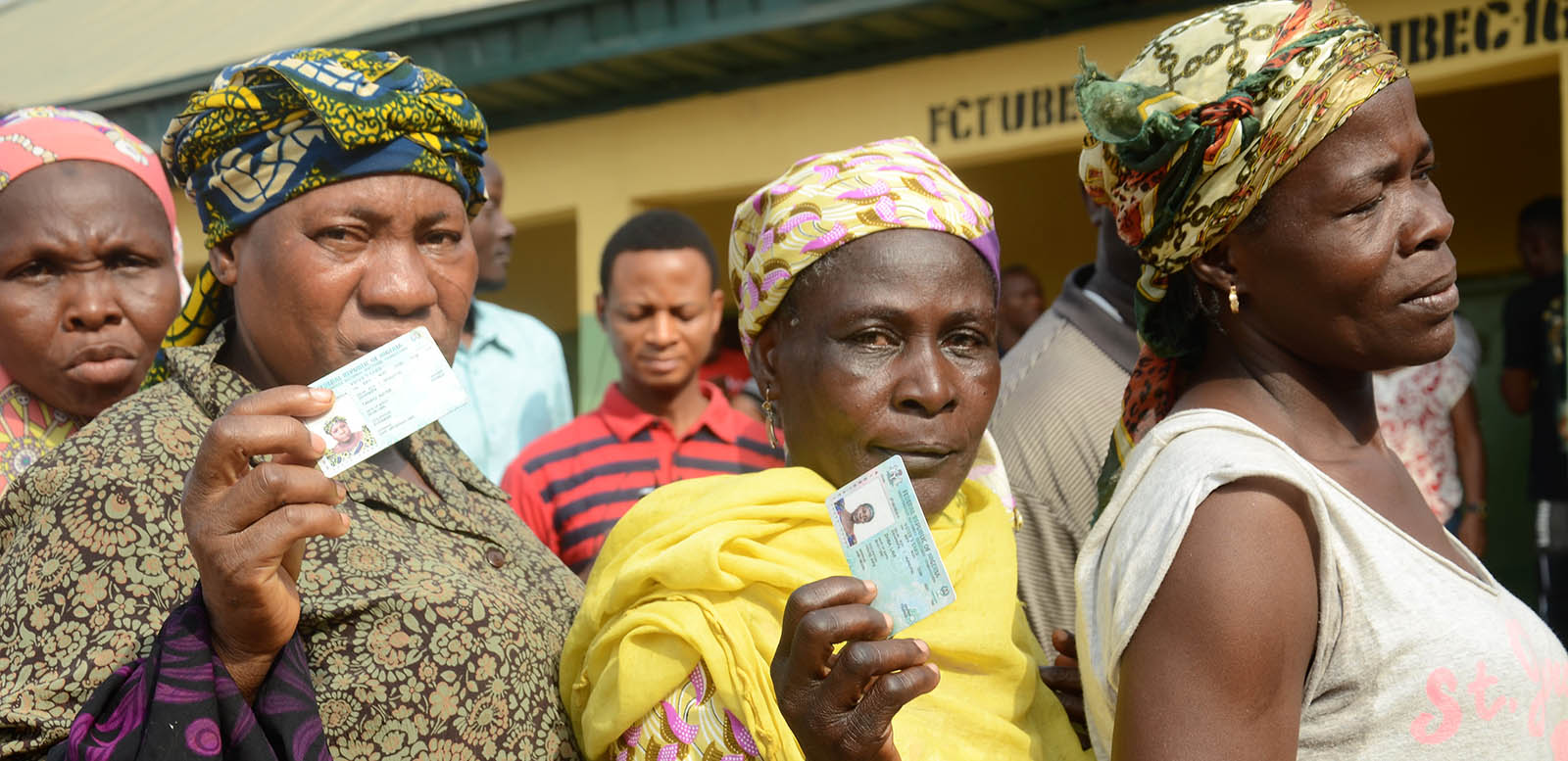
Since 2015, technology has helped consolidate Nigerian democracy by ensuring transparency and fairness in elections. Yet, writes Muhammad Edita, in Nigeria's most recent elections, the malfunctioning or manipulation of technology has – paradoxically – led to defeated parties challenging electoral results Read more
Gift Mwonzora
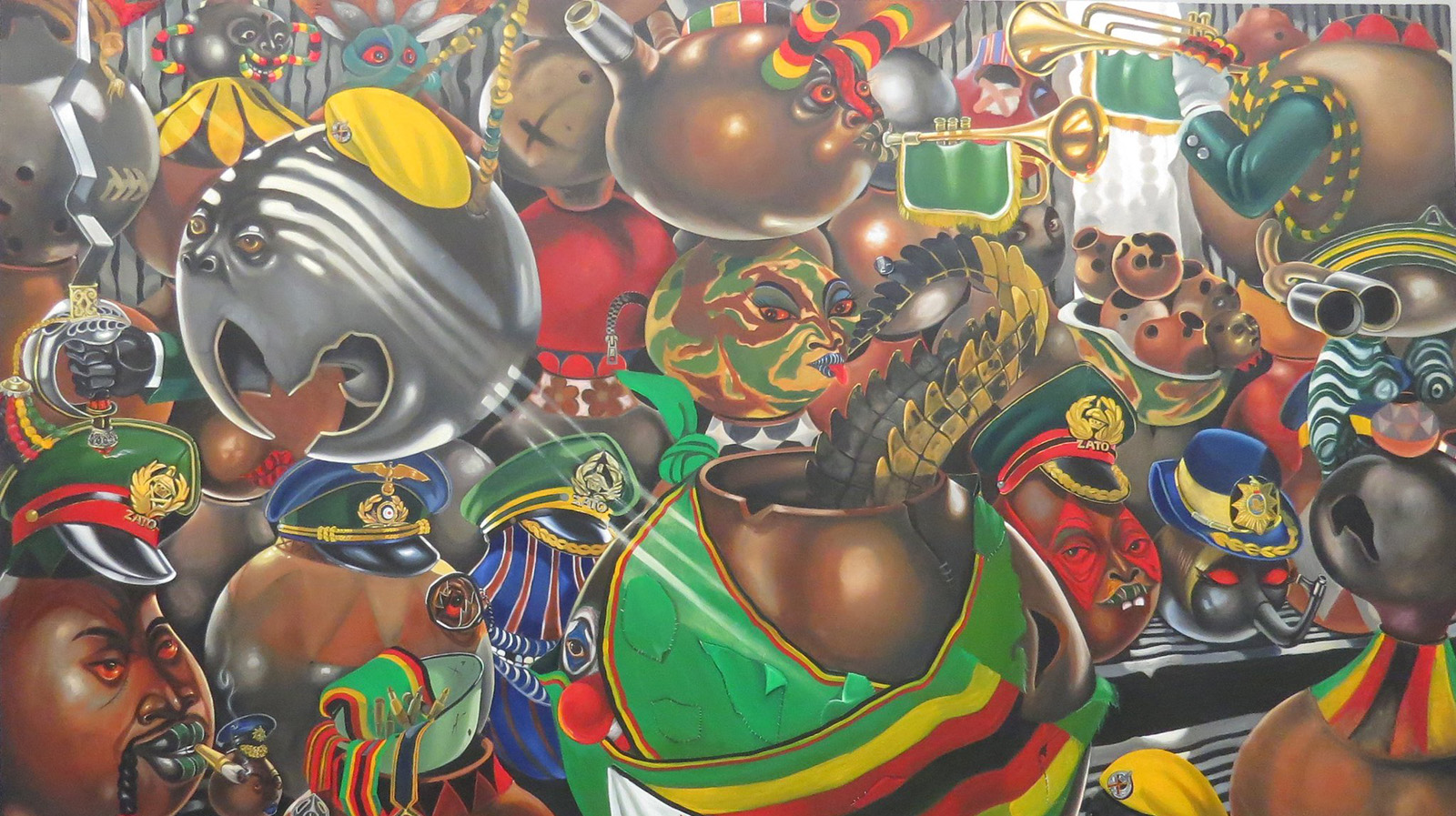
Are electoral reforms the answer to a country's democratic deficit? Gift Mwonzora writes that elections should not be reduced to a mere ritualistic exercise. In Zimbabwe, only genuine political, legal, governance and administrative reforms will bring democratic success. Yet while electoral reforms are essential for credible elections, they are not the sole remedy for a competitive authoritarian regime's democratic deficits Read more
Jeffrey Haynes
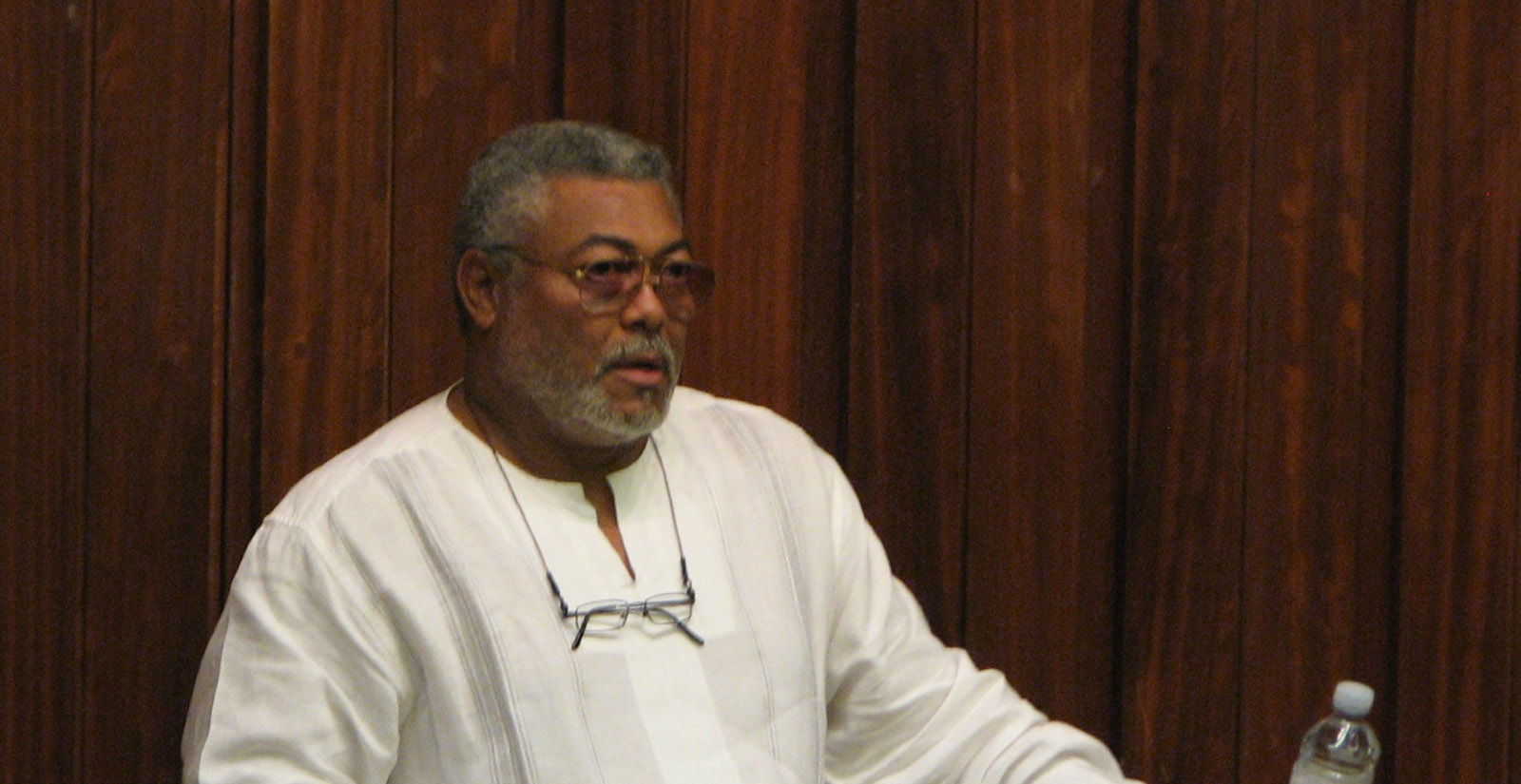
Jeffrey Haynes argues that one of Africa’s most controversial leaders, the late Jerry John Rawlings of Ghana, began his political career as a fiery revolutionary and ended it as a popularly elected president via a liberal democratic political system. What explains this volte face? Was it ideological conversion or expediency? Read more
Niels Keijzer
The EU is insistent on combatting ‘root causes’ of migration. Yet this has led it to overlook other reasons for human mobility. Niels Keijzer and Ifesinachi Okafor-Yarwood argue these include the threatened livelihoods of coastal communities in the Gulf of Guinea Read more
Maria Gloria Polimeno
COP27 will be held in Egypt, where environmentalism is being turned into new ways to control nature and citizens' lives under al-Sisi. This risks legitimating bio-autocracies, and it exposes the cowardice of green capitalism and sustainable neoliberalism, writes Maria Gloria Polimeno Read more
Reginald Oduor
Reginald M.J. Oduor encourages more political theorists to disentangle themselves from the idea that democracy and elections are inextricably bound. Through this he seeks to promote the pursuit of genuine citizen participation in post-colonial states in Africa and elsewhere Read more
Bernhard Reinsberg
The International Monetary Fund (IMF) is not only a ‘lender of last resort’ but also a security actor. New data and analysis from Bernhard Reinsberg and Daniel Shaw at the University of Glasgow shows that IMF interventions often have a negative effect on human security Read more
Frowin Rausis
The UK’s ‘New Plan for Immigration’ allows the government to send asylum seekers to Rwanda, reflecting the latest aspiration to externalise refugee protection. Frowin Rausis and Konstantin Kreibich show that the idea is not new. Different countries have toyed with it for years – and failed consistently Read more
We use necessary cookies to make our site work. We'd also like to set analytics cookies that help us make improvements by measuring how you use the site. These will be set only if you accept.
▼
Strictly Necessary Cookies
Necessary cookies enable core functionality such as security, network management, and accessibility. You may disable these by changing your browser settings, but this may affect how the website functions.
▼
Analytics Cookies
Google Analytics
We'd like to set Google Analytics cookies to help us improve our website by collecting and reporting information on how you use it. The cookies collect information in a way that does not directly identify anyone. For more information on how these cookies work please see our Privacy Notice.