Morgiane Noel
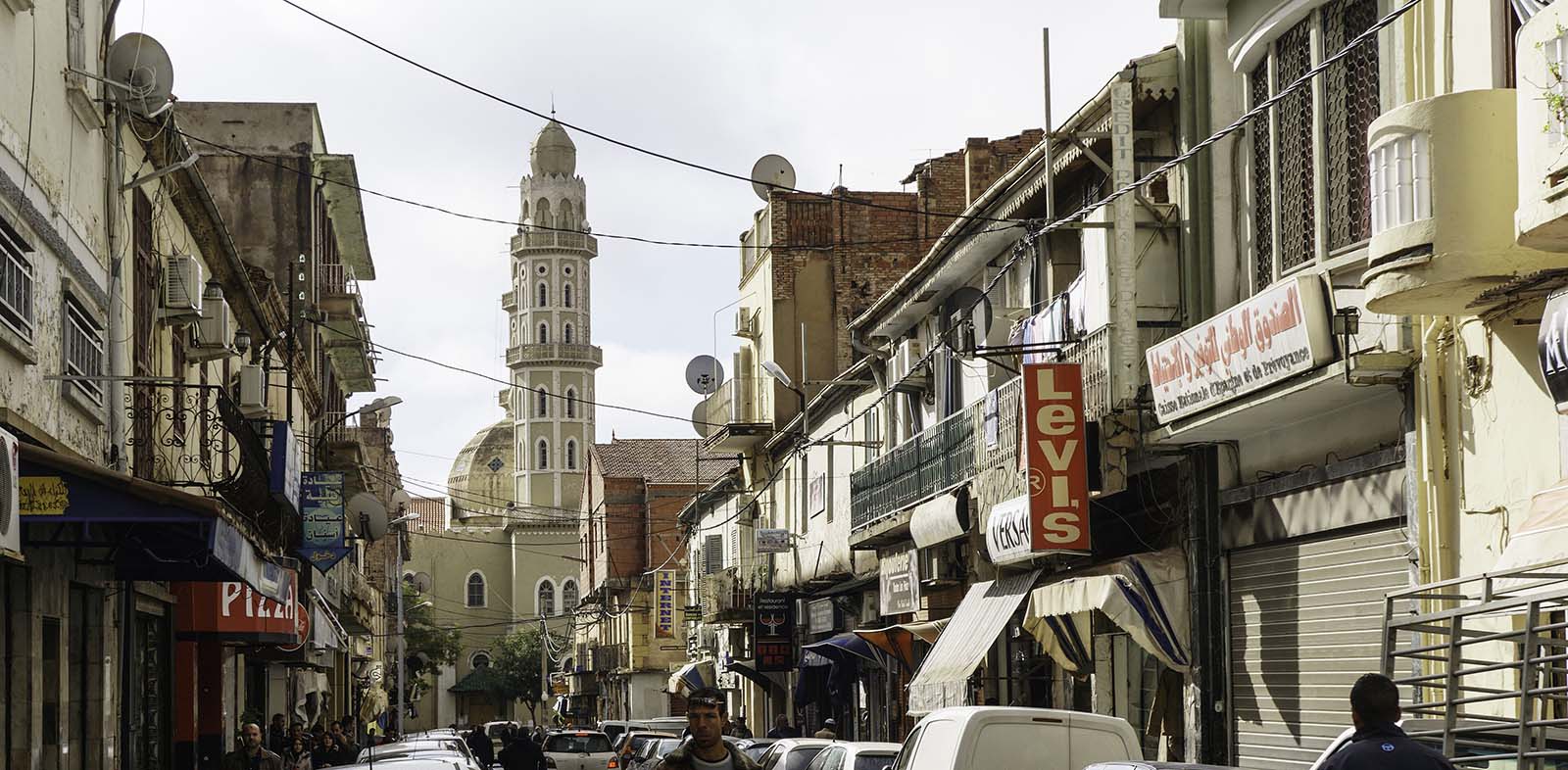
On 24 December 2025, Algeria passed a law recognising French colonisation as a state crime, and calling for restitution and reparations. The law is primarily domestic and symbolic. But Morgiane Noel argues that it signals a significant postcolonial shift that could influence African politics, Europe–Africa relations, and discussions of historical justice in international law Read more
Elise Ketelaars
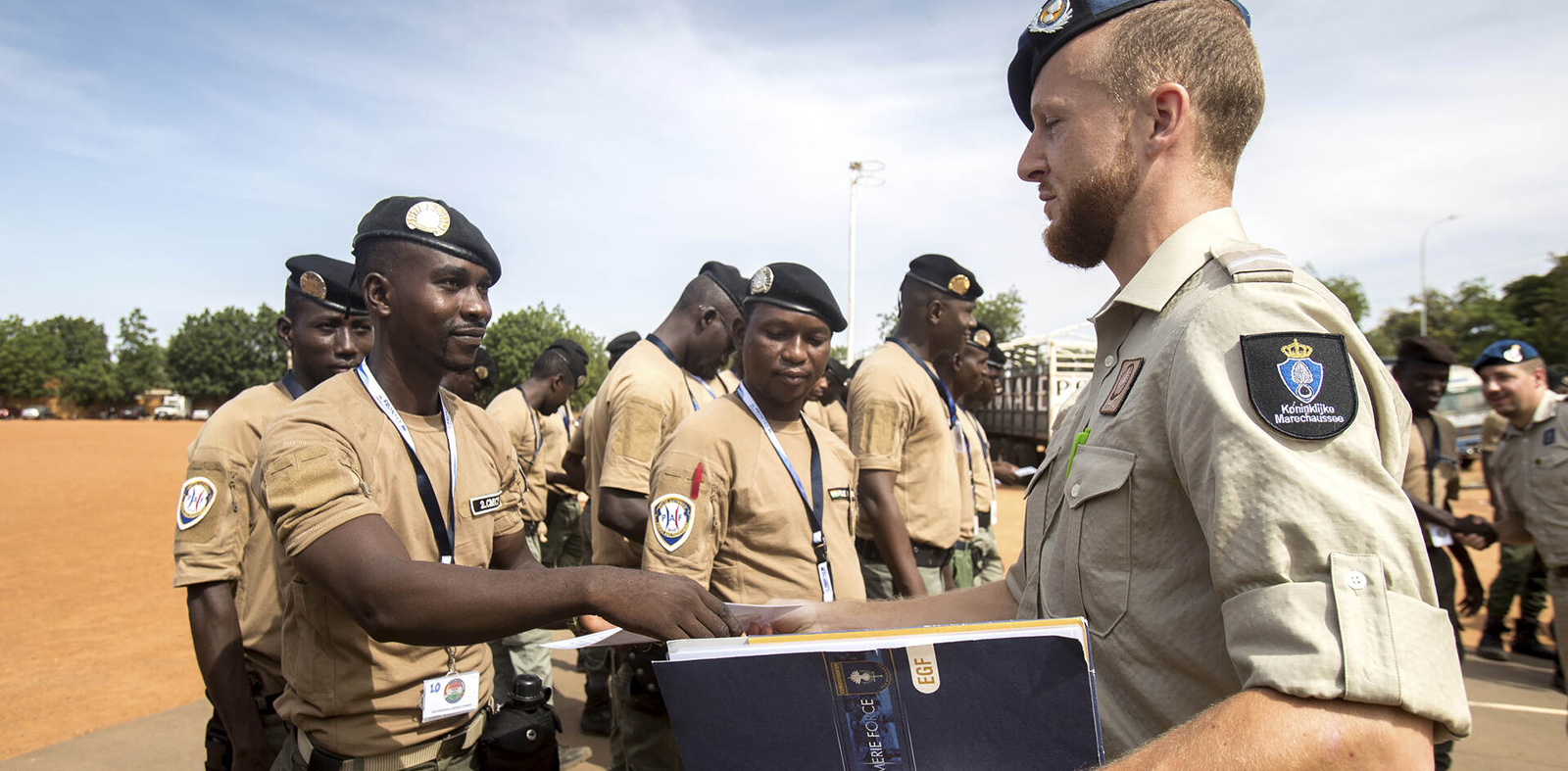
The rapid contraction of EU presence in the Sahel has sparked debate over Europe’s diminishing influence. But what did these missions get right? And what did they get wrong? EU capacity building in Sahel Niger, says Elise Ketelaars, offers important lessons for EU Common Security and Defence Policy design, and for broader security sector reform efforts Read more
Robin E. Möser
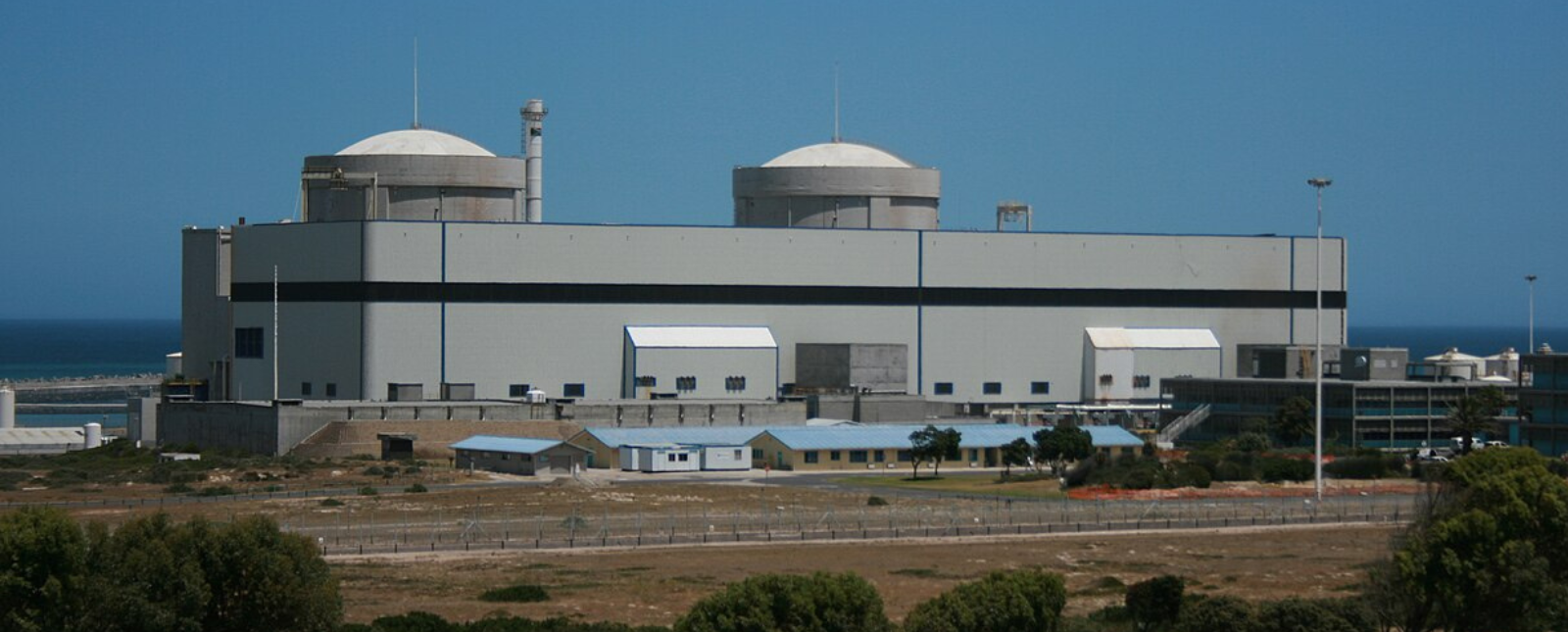
African states have long championed nuclear disarmament, from resisting colonial-era testing to advancing the Pelindaba and Prohibition Treaties. Yet frustration is growing over the slow pace of progress and exclusion from global forums. Robin Möser argues that African experiences offer lessons to revitalise inclusivity ahead of the 2026 Non-Proliferation of Nuclear Weapons (NPT) Review Conference Read more
Michael Asiedu
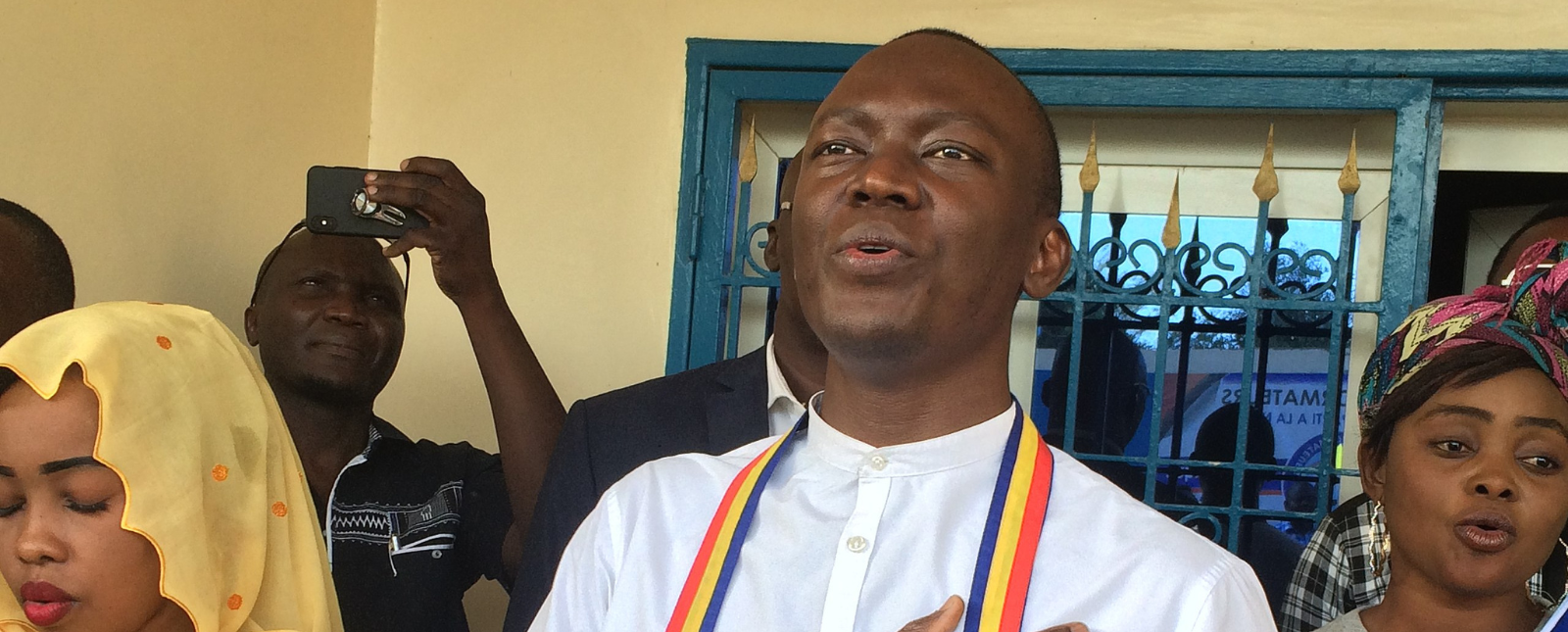
Chad's 20-year conviction of opposition leader Succès Masra reveals how African courts have become weaponised against dissent. Across the continent, writes Michael Asiedu, from Benin to Uganda, authoritarian regimes are increasingly using fabricated charges to silence opponents. This, he says, masks repression behind democratic facades, erodes judicial independence, and weakens the prospects for genuine democratic transition Read more
John Chin
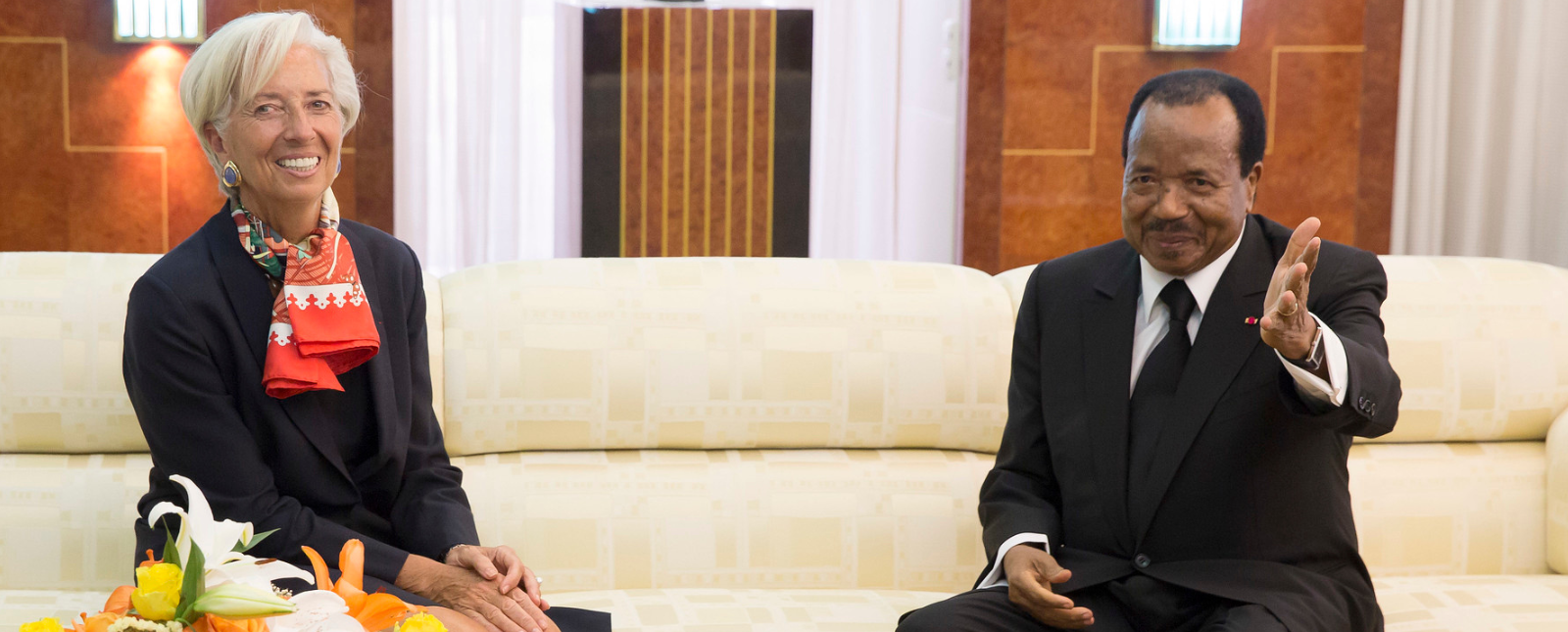
Paul Biya, the world’s oldest head of state and the second-longest ruling leader in Africa, ran for a record eighth term earlier this month. John Chin and Julien Derroitte assess Cameroon’s prospects for peace and democracy in Africa’s turbulent coup belt Read more
We use necessary cookies to make our site work. We'd also like to set analytics cookies that help us make improvements by measuring how you use the site. These will be set only if you accept.
▼
Strictly Necessary Cookies
Necessary cookies enable core functionality such as security, network management, and accessibility. You may disable these by changing your browser settings, but this may affect how the website functions.
▼
Analytics Cookies
Google Analytics
We'd like to set Google Analytics cookies to help us improve our website by collecting and reporting information on how you use it. The cookies collect information in a way that does not directly identify anyone. For more information on how these cookies work please see our Privacy Notice.