


In 2026, Bulgaria will likely join the eurozone. On the surface, the economic indicators look good. But Albrecht Rothacher and Martin Bull argue that this may be another example of the will of Brussels triumphing over hard socioeconomic reality. Bulgarians, they warn, should brace themselves for a fiscal shock
The Loop turns two years old today. On the occasion of our second birthday, Academic Editors Johanne Døhlie Saltnes and Martin Bull reflect on the gender balance among our authors. The Loop has taken some initiatives to bolster the proportion of female contributors, but there is still room for improvement
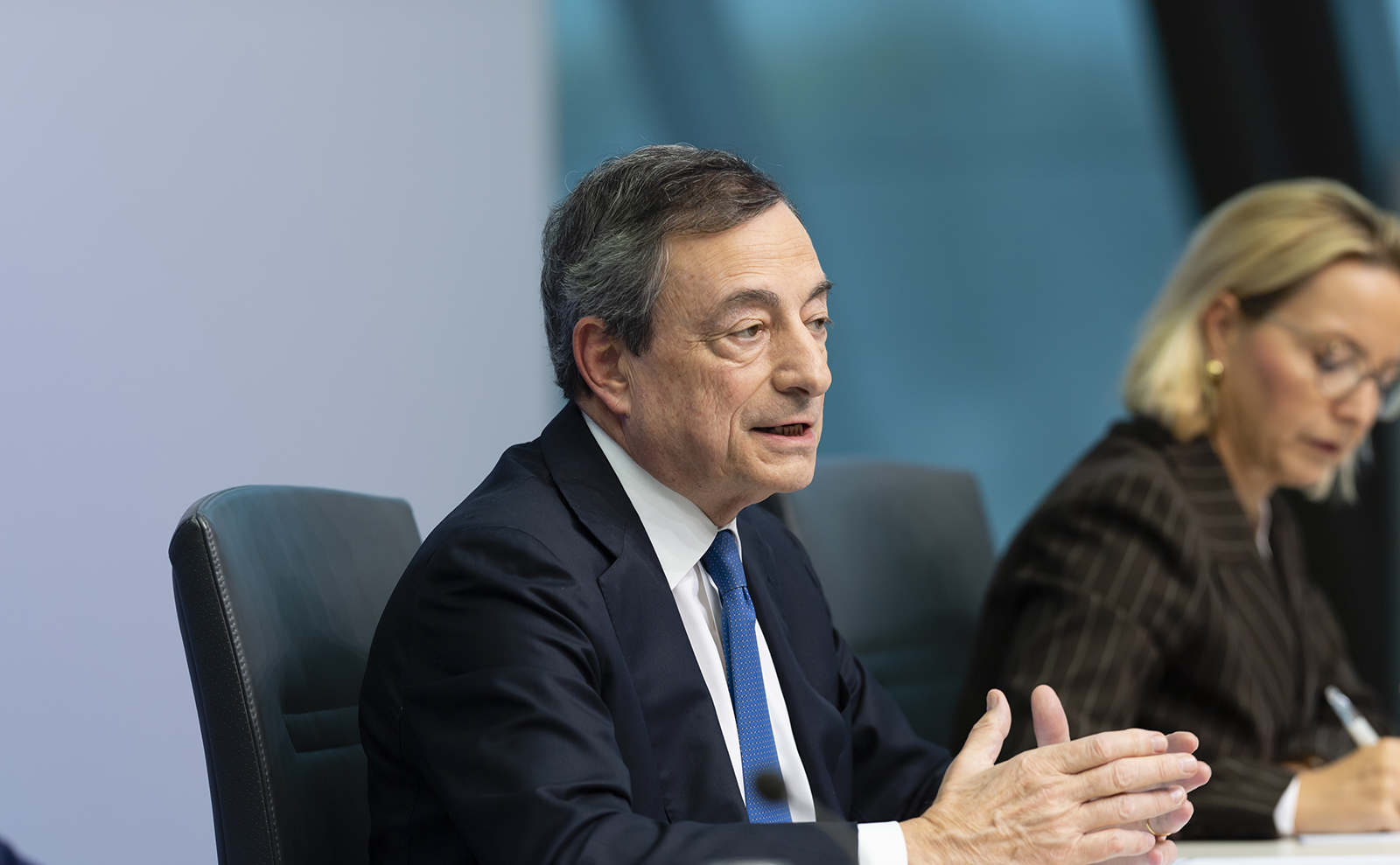
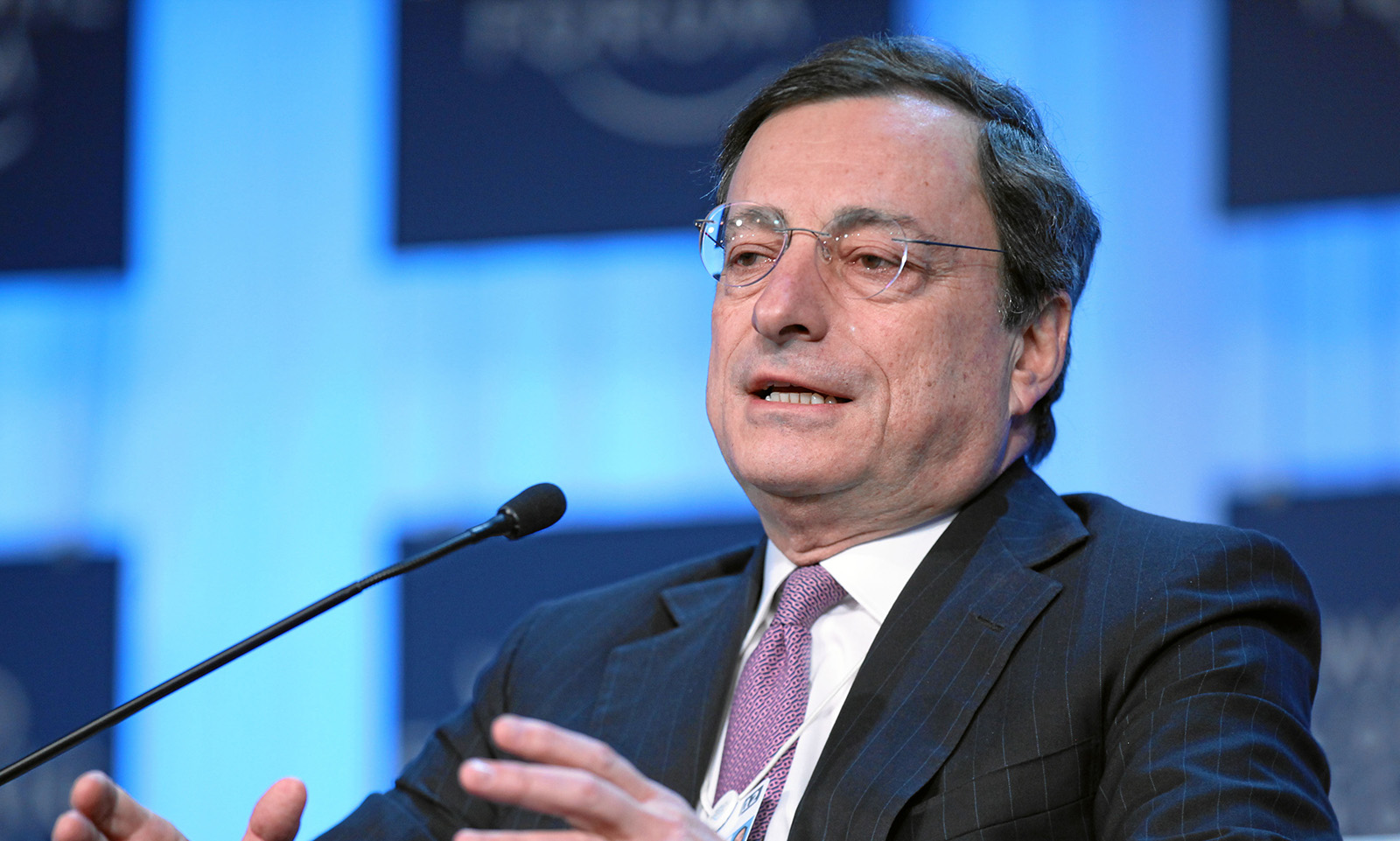
The resignation on 21 July 2022 of Italian Prime Minister, Mario Draghi, was a classic example of the machinations of Italian politics, argues Martin Bull. The outcome of a manufactured crisis and a manipulation of events by the parties of the right, Draghi’s fall was neither inevitable nor expected
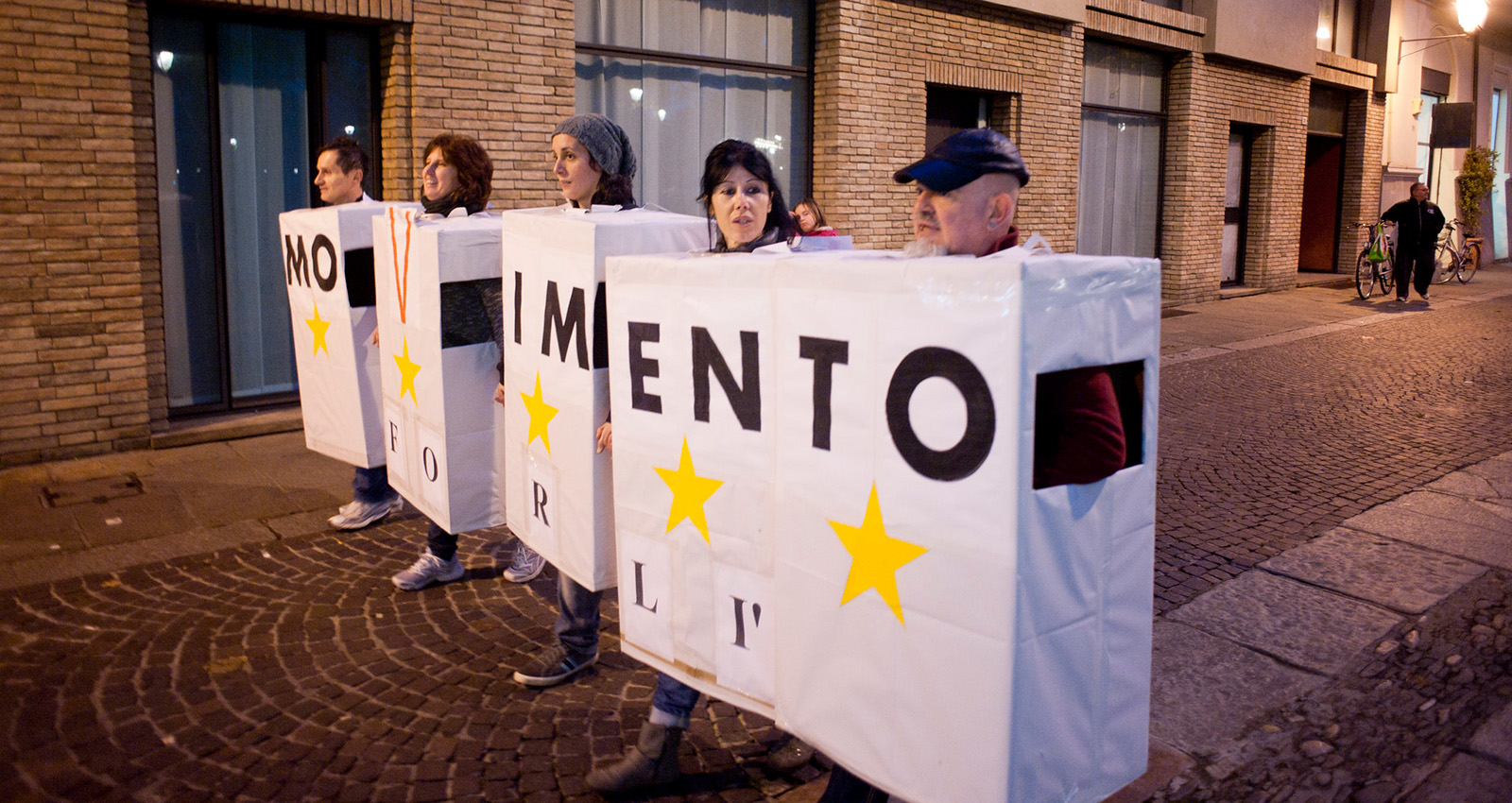
The Italian Five Star Movement has undergone a formidable split, with former leader Luigi di Maio walking out with 60 parliamentarians and forming a new party. This, and declining popularity in opinion polls, marks the twilight of Five Star’s decade-long success – and possibly the end of populist politics in Italy, writes Martin Bull
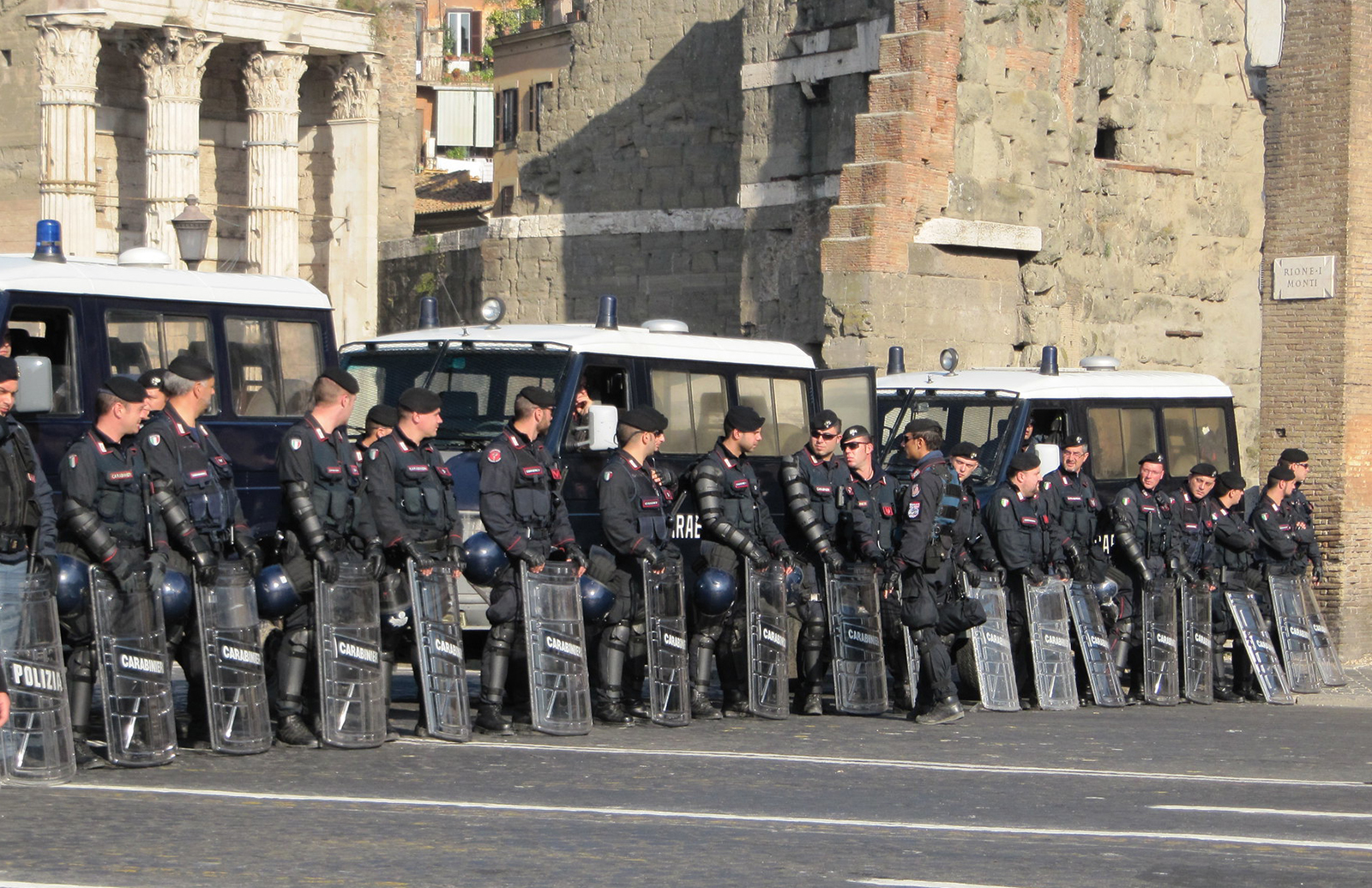
Protests have broken out in Rome against the extension of Italy’s Covid Green Pass to the workplace. They quickly deteriorated into violence and assault, exploited by the fascist group Forza Nuova. This, argues Martin Bull, has reignited the debate about Italy’s fascist heritage, and led to calls on Prime Minister Draghi to dissolve the group
The Italian President’s invitation to Mario Draghi to form the next government is the fourth time since 1994 that the country has resorted to a technician to get itself out of a hole dug by the parties’ failure to agree on a political government, writes Martin Bull. This has connotations that go beyond the current crisis, representing a damning indictment of Italy’s model of party government
He is an Academic Editor of The Loop, and has written regular pieces for academic blogsites The Conversation and LSE Blogs. He has also contributed articles to more mainstream media outlets.
We use necessary cookies to make our site work. We'd also like to set analytics cookies that help us make improvements by measuring how you use the site. These will be set only if you accept.
▼
Strictly Necessary Cookies
Necessary cookies enable core functionality such as security, network management, and accessibility. You may disable these by changing your browser settings, but this may affect how the website functions.
▼
Analytics Cookies
Google Analytics
We'd like to set Google Analytics cookies to help us improve our website by collecting and reporting information on how you use it. The cookies collect information in a way that does not directly identify anyone. For more information on how these cookies work please see our Privacy Notice.