Fulvio Attinà
Why do regime-change wars re-emerge when global order is under strain? As multilateral institutions lose effectiveness and legitimacy, Fulvio Attinà argues that states are increasingly turning to unilateral or coalition-based force. Interventions such as those in Iraq, Libya, Ukraine, and Iran reflect not isolated crises, but a deeper process of coalition reconfiguration during systemic transition Read more
Fulvio Attinà
The world order is not simply shifting from unipolarity to multipolarity, but undergoing a deeper struggle over political authority. Who has the right to make binding global rules, through which institutions, and with what legitimacy? Fulvio Attinà argues that multipolarity helps explain today’s stalled reforms, institutional paralysis, and fragmented alternatives Read more
Andreas Dür
Trump’s 2025 tariff shock marks a sharp turn toward a near-isolationist US trade policy. Yet given that US protectionism is expected to ease, Andreas Dür and Alessia Invernizzi argue that the international trading system is likely to weather the storm Read more
Steve Biedermann
From Ukraine to global finance, informal organisations are stepping into gaps left by traditional institutions at a time of great power competition. With speed, flexibility, and a lack of constraining rules, these informal bodies are quietly reshaping international order write Steve Biedermann and Matthew Stephen Read more
Benjamin Daßler
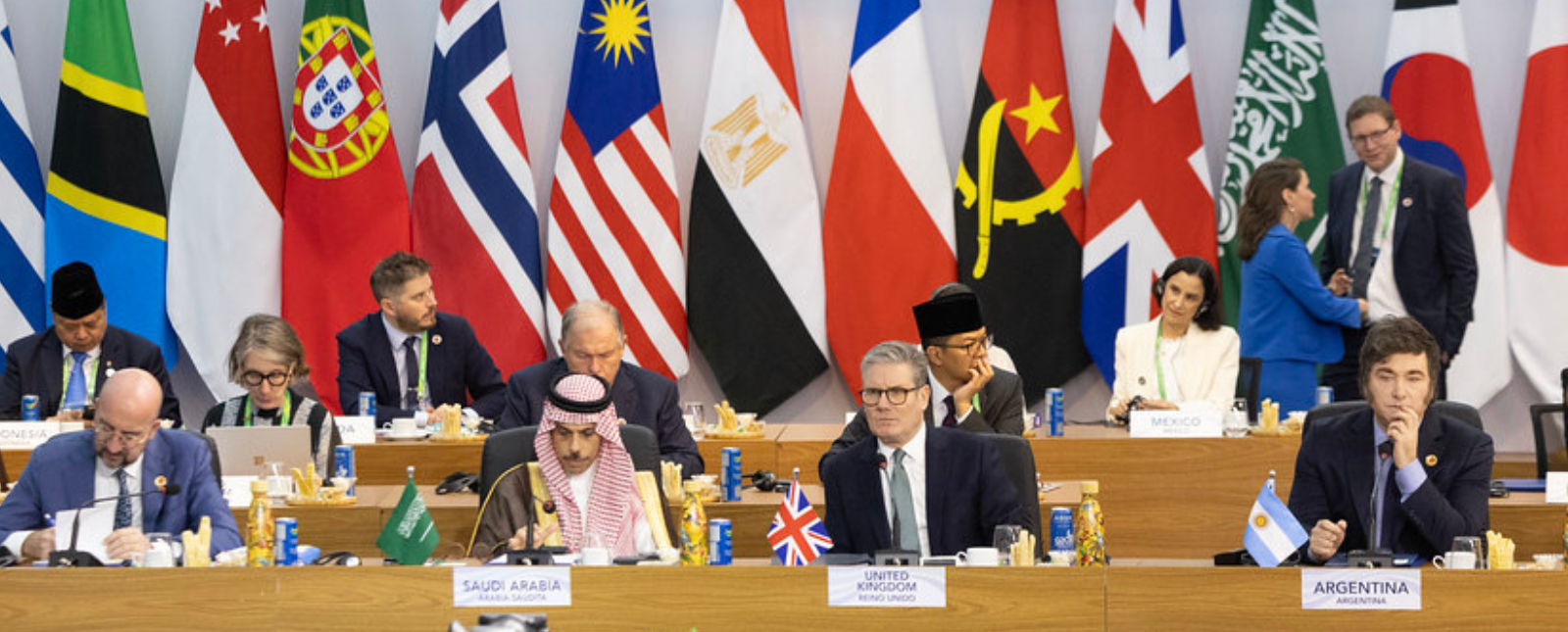
International organisations are being challenged from two sides. Weak and rising states are demanding more influence, while declining Western powers turn away from institutions they helped to create. Benjamin Daßler, Tim Heinkelmann-Wild, and Martijn Huysmans argue that institutional rules can help balance power relations and stabilise international cooperation in times of power shifts Read more
Till Schöfer
So-called 'developing countries' enjoy special rights in world trade. But it is the countries themselves that decide whether they want developing-country status, undermining the legitimcy of the system. Till Schöfer and Clara Weinhardt suggest three ways out of the developed-developing country stalemate Read more
Felix Stein
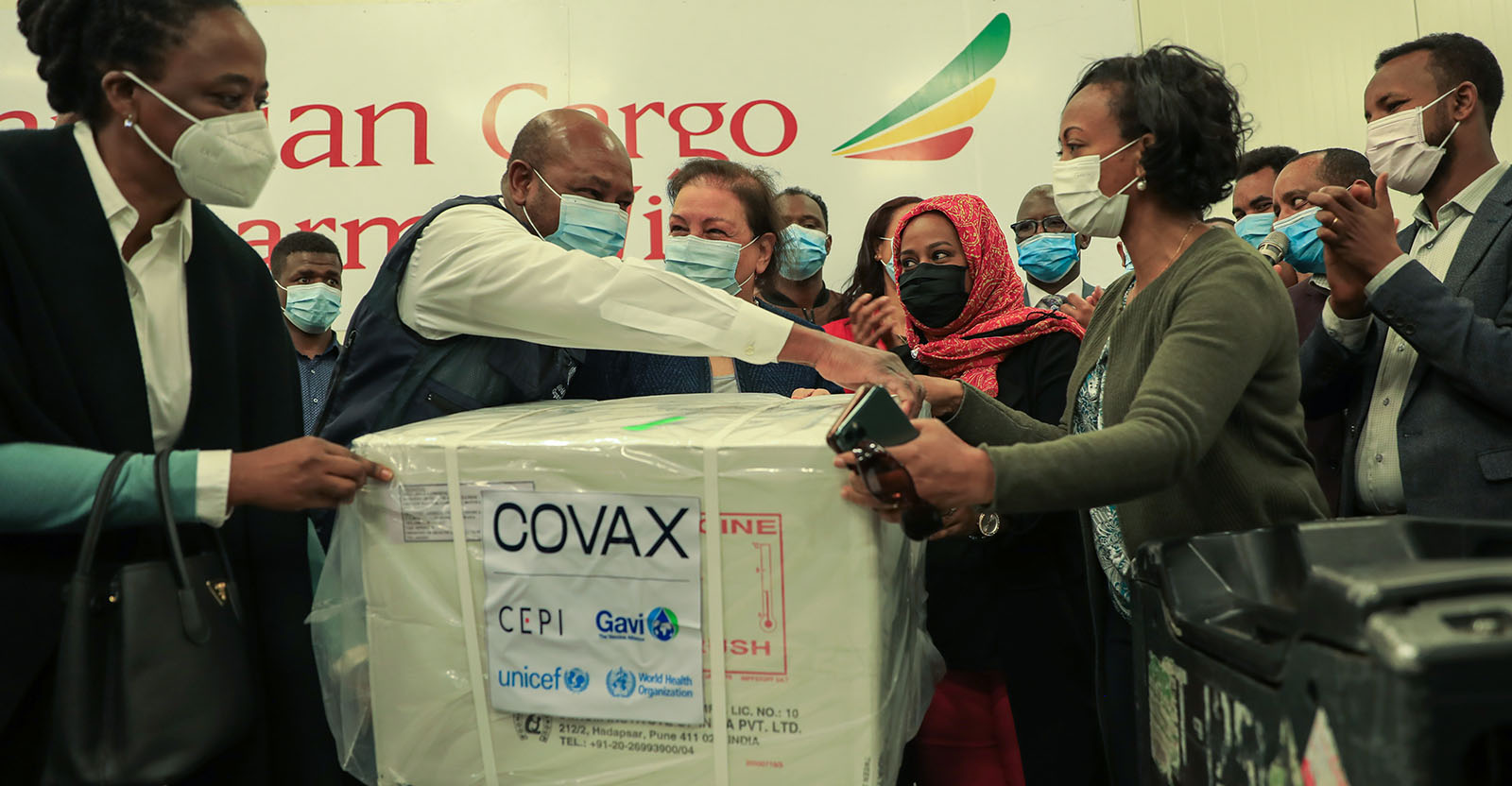
Taking health equity seriously during the pandemic requires some minimal degree of vaccine price control. Countries should make vaccine contract details public, specify a fair price, and outline how they plan to meet it, argues Felix Stein Read more
Michal Parízek
Secretariats of international organisations have long favoured staff from developed, Western countries. Rising powers are trying to change this, though with mixed success, they are now looking at other ways to achieve their goals, write Michal Parízek and Matthew Stephen Read more
We use necessary cookies to make our site work. We'd also like to set analytics cookies that help us make improvements by measuring how you use the site. These will be set only if you accept.
▼
Strictly Necessary Cookies
Necessary cookies enable core functionality such as security, network management, and accessibility. You may disable these by changing your browser settings, but this may affect how the website functions.
▼
Analytics Cookies
Google Analytics
We'd like to set Google Analytics cookies to help us improve our website by collecting and reporting information on how you use it. The cookies collect information in a way that does not directly identify anyone. For more information on how these cookies work please see our Privacy Notice.