Adam Kola
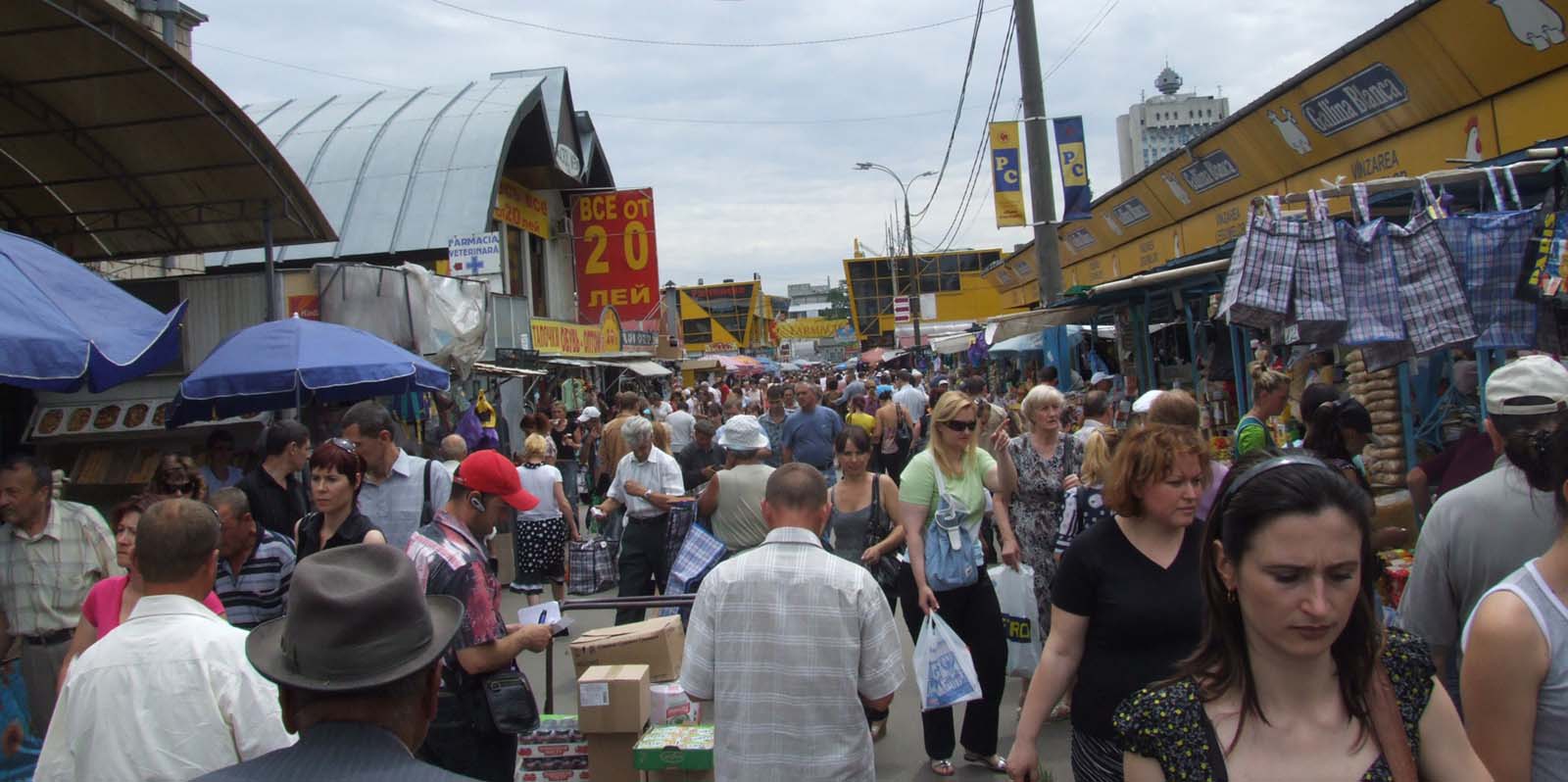
EU institutions, policymakers and many expert debates often frame enlargement as a test for candidate countries. Adam Kola argues that it is equally a test for the European Union. The accession of Ukraine, Moldova and the Western Balkans will also reshape the EU by forcing it to reform and redefine itself Read more
Ezgi Tüztürk
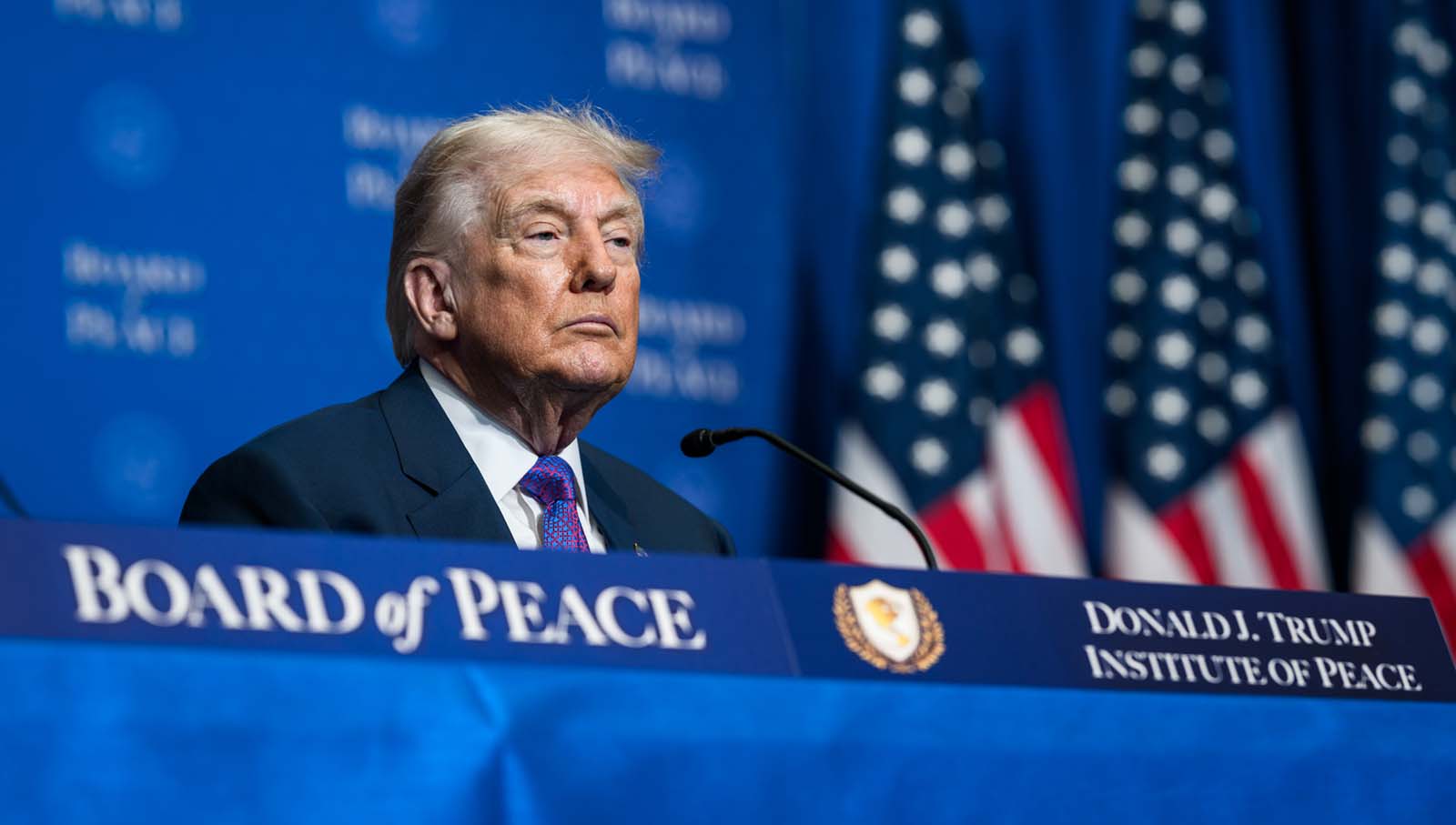
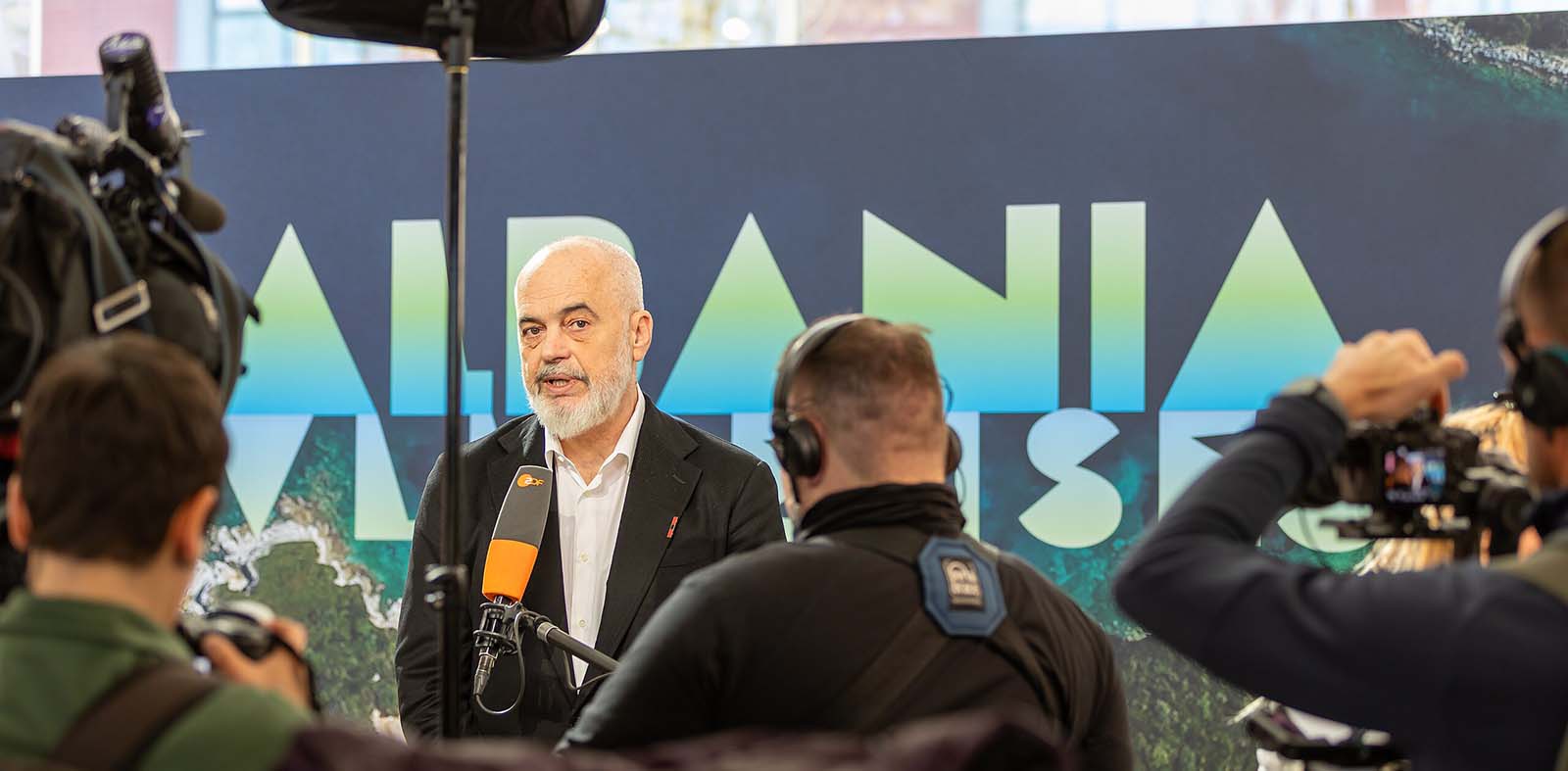
The membership of Kosovo and Albania on Trump's Board of Peace reveals a growing tension between these countries' reliance on Washington and their EU accession. As EU-US relations become increasingly strained, both countries face difficult choices over political alignment. This, warns Ezgi Tüztürk, risks sending conflicting signals to the EU Read more
Vera Tika
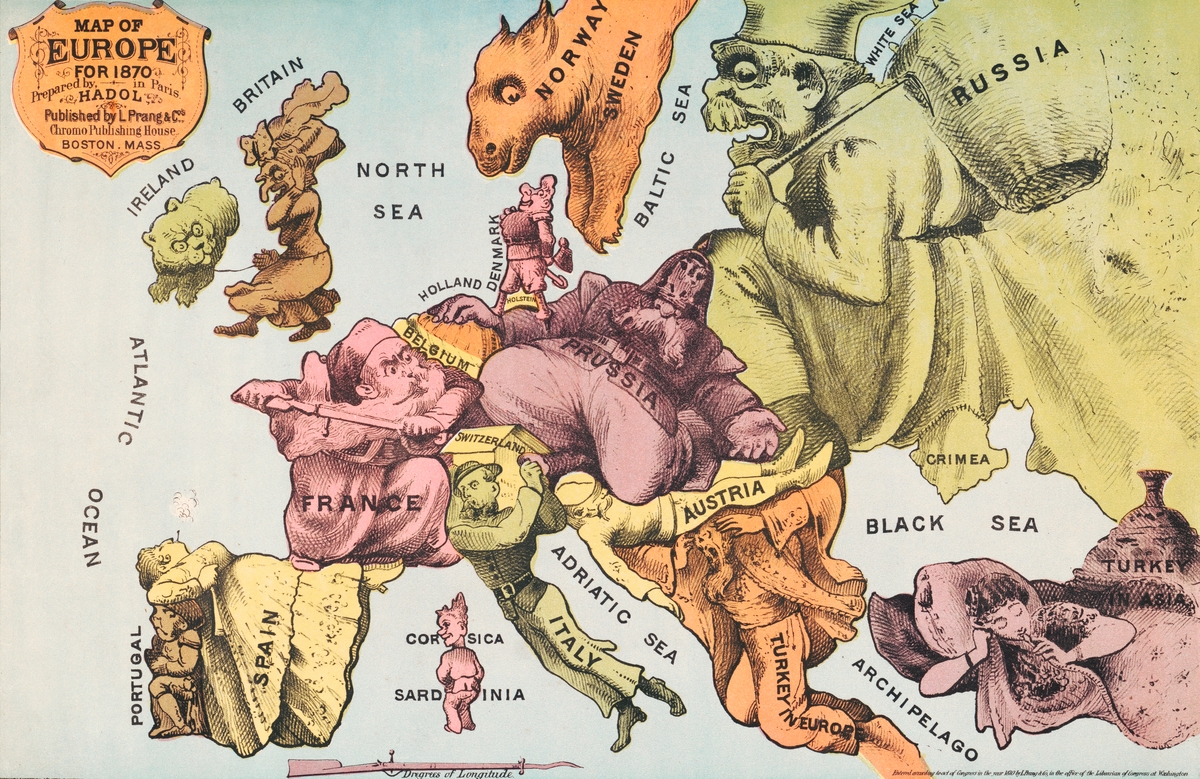
Recent contributions to this series have shown how enlargement has returned to the centre of European geopolitics. Vera Tika argues that the emerging model of gradual accession is transforming the meaning of EU membership from a binary status separating insiders from outsiders into a continuum of differentiated participation Read more
Marina Milić
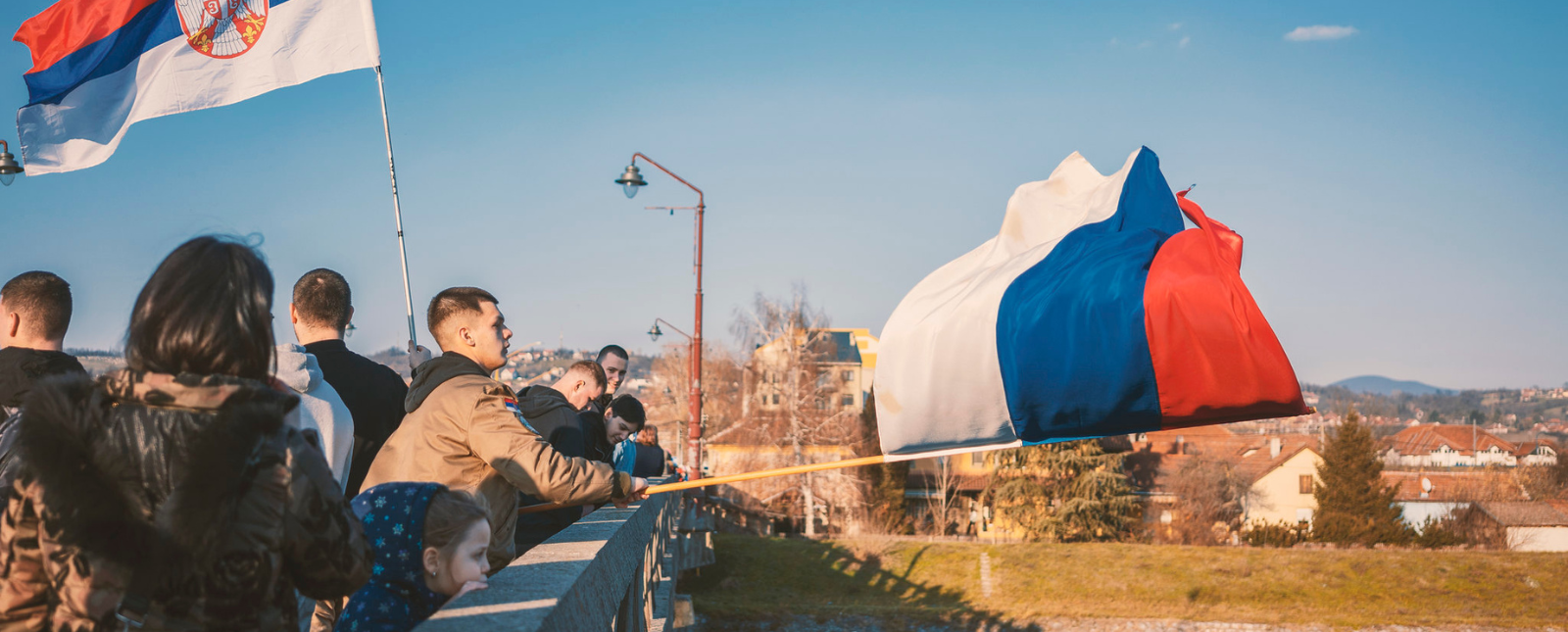
In 2024–25, Serbia’s leaderless, decentralised, nonviolent student movement made a rare thing happen: it made fear change sides. In 2026, the government has shifted from managing crowds to tightening procedural control, targeting the institutions that sheltered resistance. Universities, argues Marina Milić, are now the frontline rebels – disciplined through labour rules and a financial ‘kill switch’ Read more
Klaudia Koxha
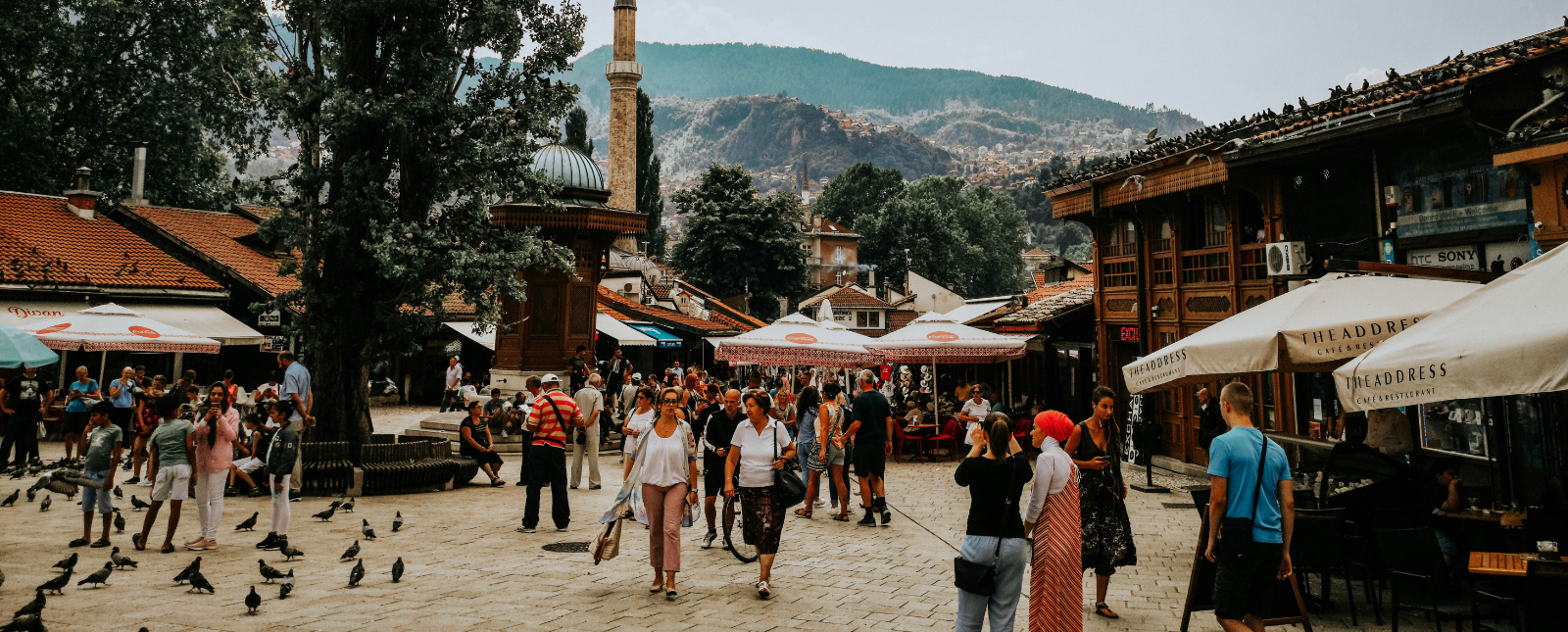
Gender equality is a fundamental EU value and a condition for the accession of new members. Yet political parties in Western Balkan candidate countries rarely prioritise it. Klaudia Koxha explains why: parties respond when Brussels and voters agree, but go quiet when their positions clash, especially on LGBTQ+ rights Read more
Visnja Vukov
Comparing Central and Eastern Europe with the Western Balkans, Visnja Vukov argues that the EU’s governance of economic integration is a decisive lever of transformation. When the EU prioritises and credibly enforces these requirements, it constrains rent-seeking and weakens state capture. When the EU defers them, however, governments can entrench clientelist political–economic coalitions Read more
Vera Tika
Albania has appointed an AI minister for public procurement. But Vera Tika argues that while 'Diella' embodies gendered symbolism and digital modernity, her appointment exposes a gap between European aspiration and democratic accountability Read more
Tyyne Karjalainen
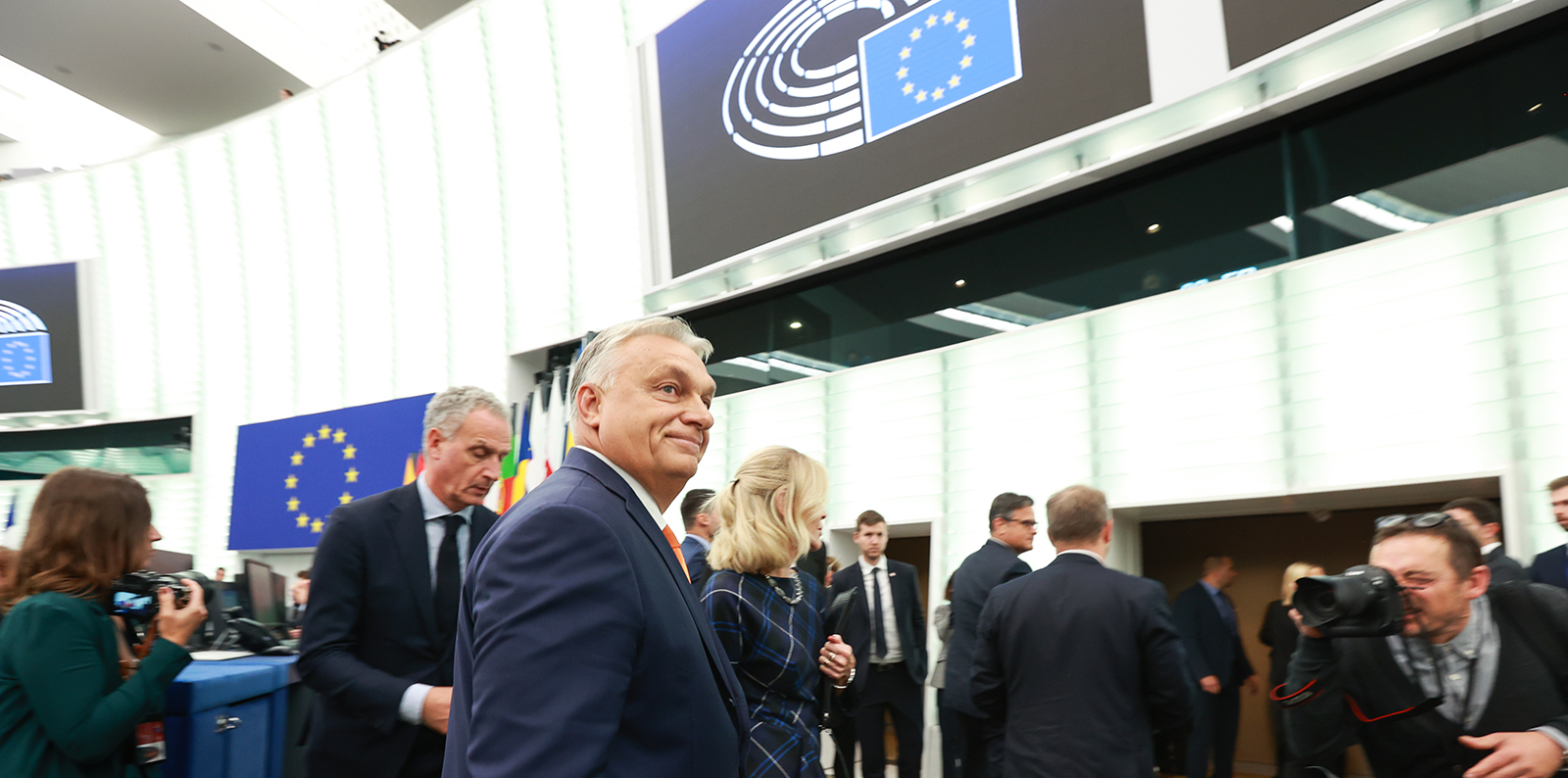
Hungary’s blocking behaviour risks derailing Ukraine’s fragile pro-European momentum. If not addressed, it could fuel Euroscepticism, embolden authoritarian spoilers, and hollow out the EU’s enlargement promise. Tyyne Karjalainen explores what options are on the table to restore credibility to the accession process Read more
We use necessary cookies to make our site work. We'd also like to set analytics cookies that help us make improvements by measuring how you use the site. These will be set only if you accept.
▼
Strictly Necessary Cookies
Necessary cookies enable core functionality such as security, network management, and accessibility. You may disable these by changing your browser settings, but this may affect how the website functions.
▼
Analytics Cookies
Google Analytics
We'd like to set Google Analytics cookies to help us improve our website by collecting and reporting information on how you use it. The cookies collect information in a way that does not directly identify anyone. For more information on how these cookies work please see our Privacy Notice.