Michael Asiedu
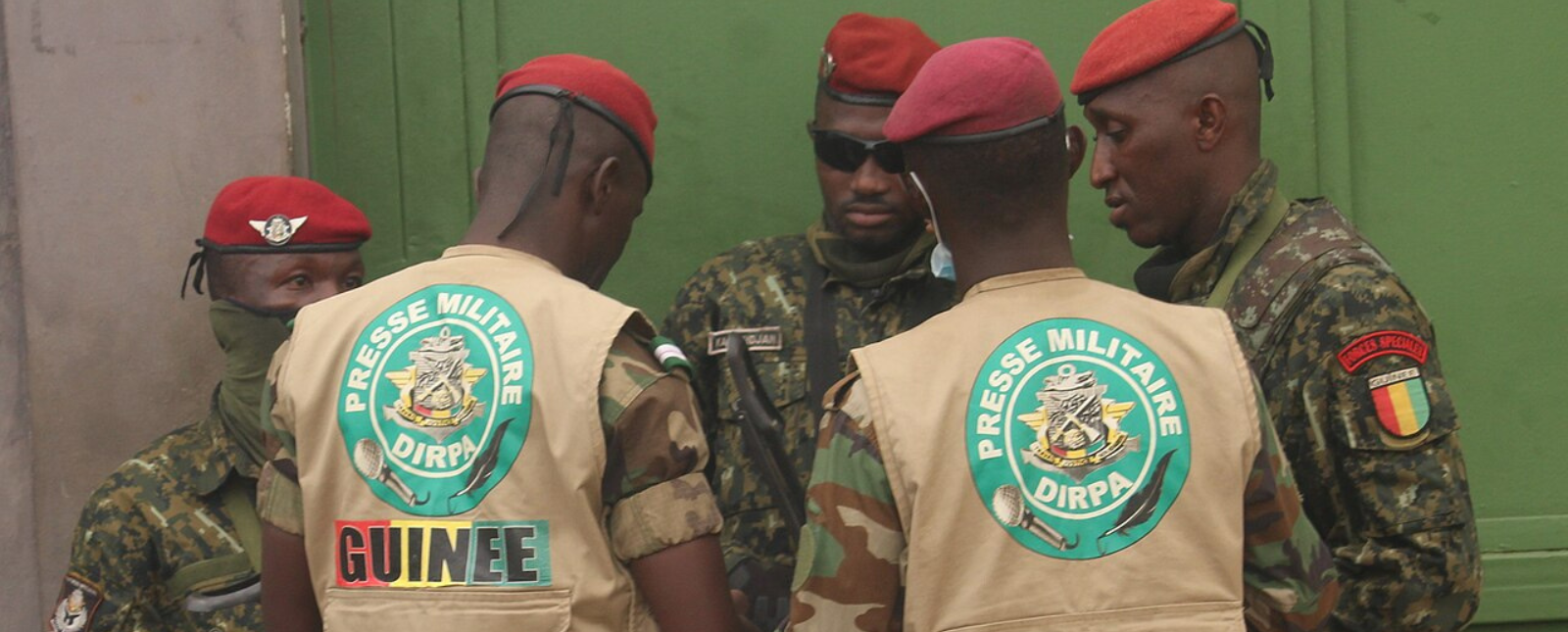
Michael Asiedu argues that in Guinea and Gabon, judges are doing more than routine certification. By validating post-coup elections, courts transform military rulers into constitutional presidents — without requiring genuine democracy Read more
Collins Molua Ikome
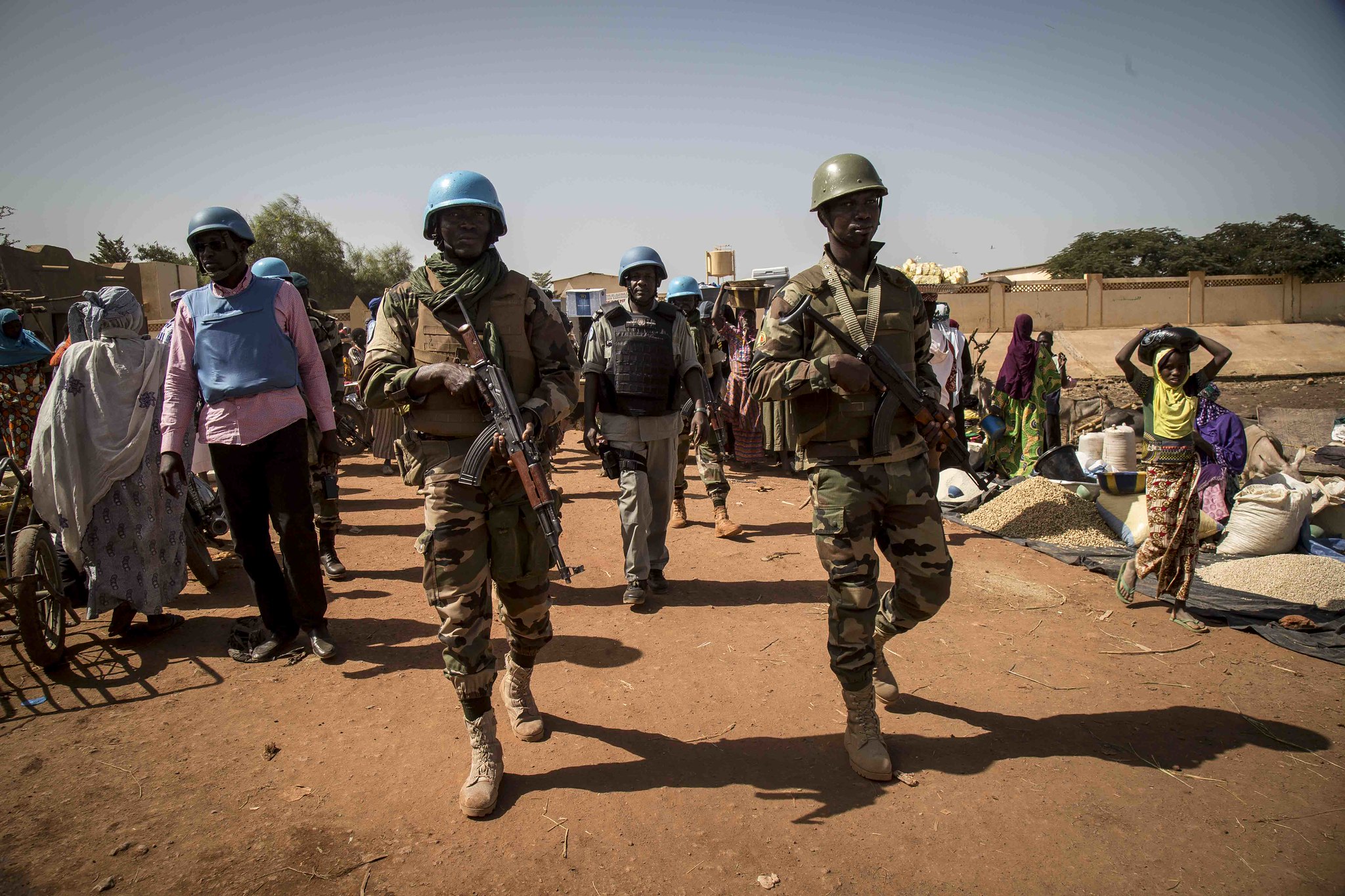
Collins Molua and Gift Mwonzora argue that the decision by Mali, Niger, and Burkina Faso to leave the Economic Community of West African States was a rash one, which may risk legitimising further coups. What's more, deteriorating diplomatic relations between these countries and the West could have knock-on effects for regional peace and security Read more
Reuben Twinomujuni
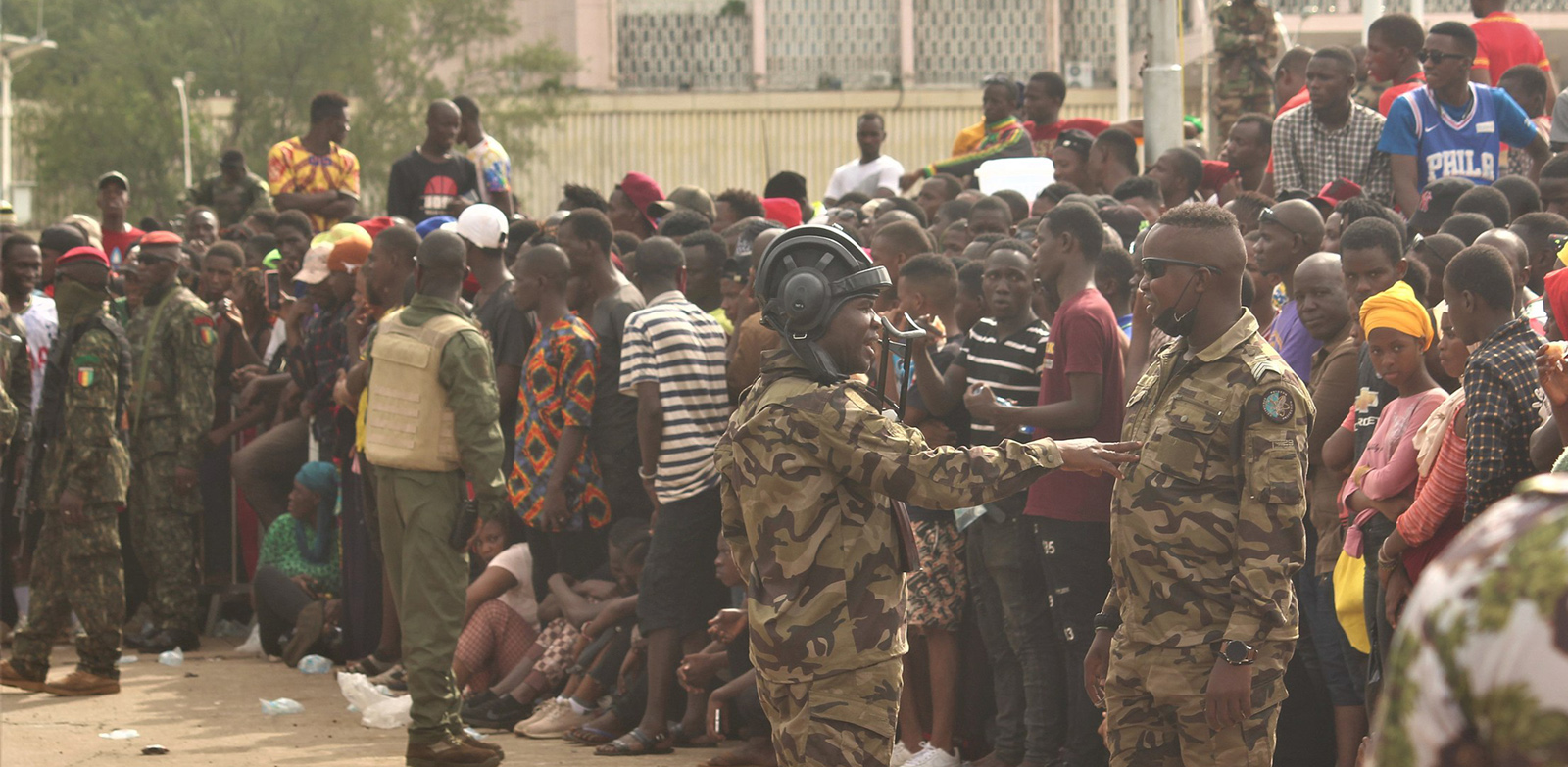
Why has West Africa experienced so many military coups over the past couple of years? Reuben Twinomujuni and Hannah Muzee say the inadequacies of the African Union are only part of the problem. They argue that the phenomenon is also to the result of internal and external forces that impede united African action Read more
Niels Keijzer
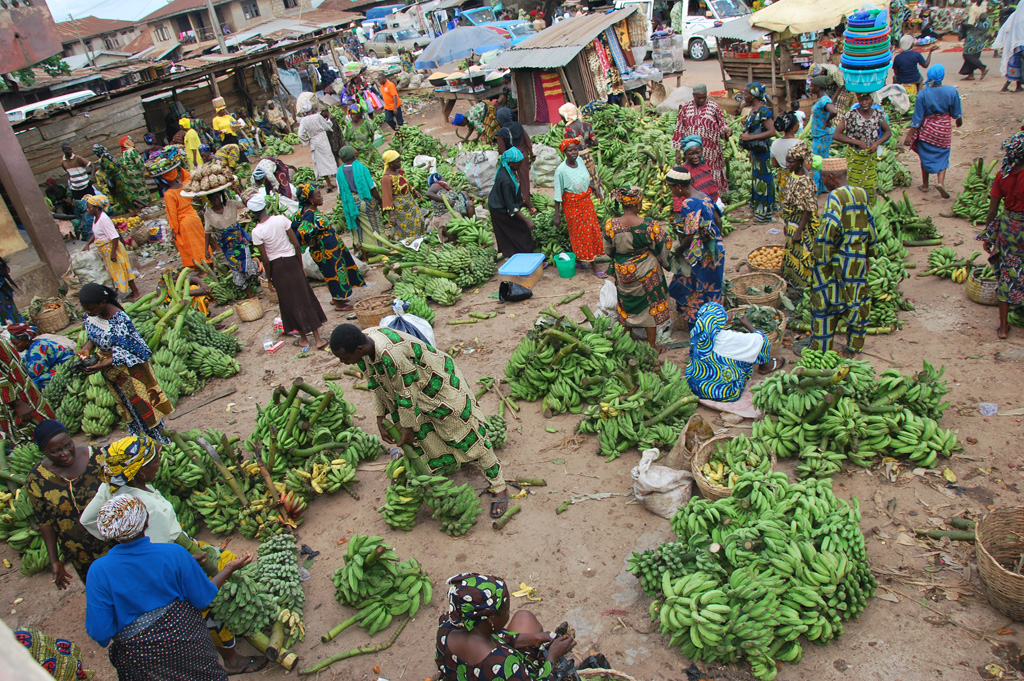
The EU is insistent on combatting ‘root causes’ of migration. Yet this has led it to overlook other reasons for human mobility. Niels Keijzer and Ifesinachi Okafor-Yarwood argue these include the threatened livelihoods of coastal communities in the Gulf of Guinea Read more
Dennis Penu
How do federal states die? Dennis Penu looks at the case of Ghana, explaining that a federal state can die gradually rather than suddenly. In crisis situations such as the current pandemic, political forces can easily exploit such gradual change Read more
Mădălin-Cătălin Blidaru
The regional dimension of international relations is more significant today than ever before, argues Mădălin-Cătălin Blidaru. In the current crisis, regional cooperation and institutionalised regional organisations are delivering important solutions. The network of external relations being developed by regional organisations takes us beyond a state-centred world Read more
Joan Ricart-Huguet
ways: by repressing their subjects, or conceding to their demands. Yet, write Joan Ricart-Huguet and Richard McAlexander, there is a third option. Weak states may use a strategy of state disengagement Read more
The Loop
Cutting-edge analysis showcasing the work of the political science discipline at its best.
We use necessary cookies to make our site work. We'd also like to set analytics cookies that help us make improvements by measuring how you use the site. These will be set only if you accept.
▼
Strictly Necessary Cookies
Necessary cookies enable core functionality such as security, network management, and accessibility. You may disable these by changing your browser settings, but this may affect how the website functions.
▼
Analytics Cookies
Google Analytics
We'd like to set Google Analytics cookies to help us improve our website by collecting and reporting information on how you use it. The cookies collect information in a way that does not directly identify anyone. For more information on how these cookies work please see our Privacy Notice.