Lena Surzhko-Harned
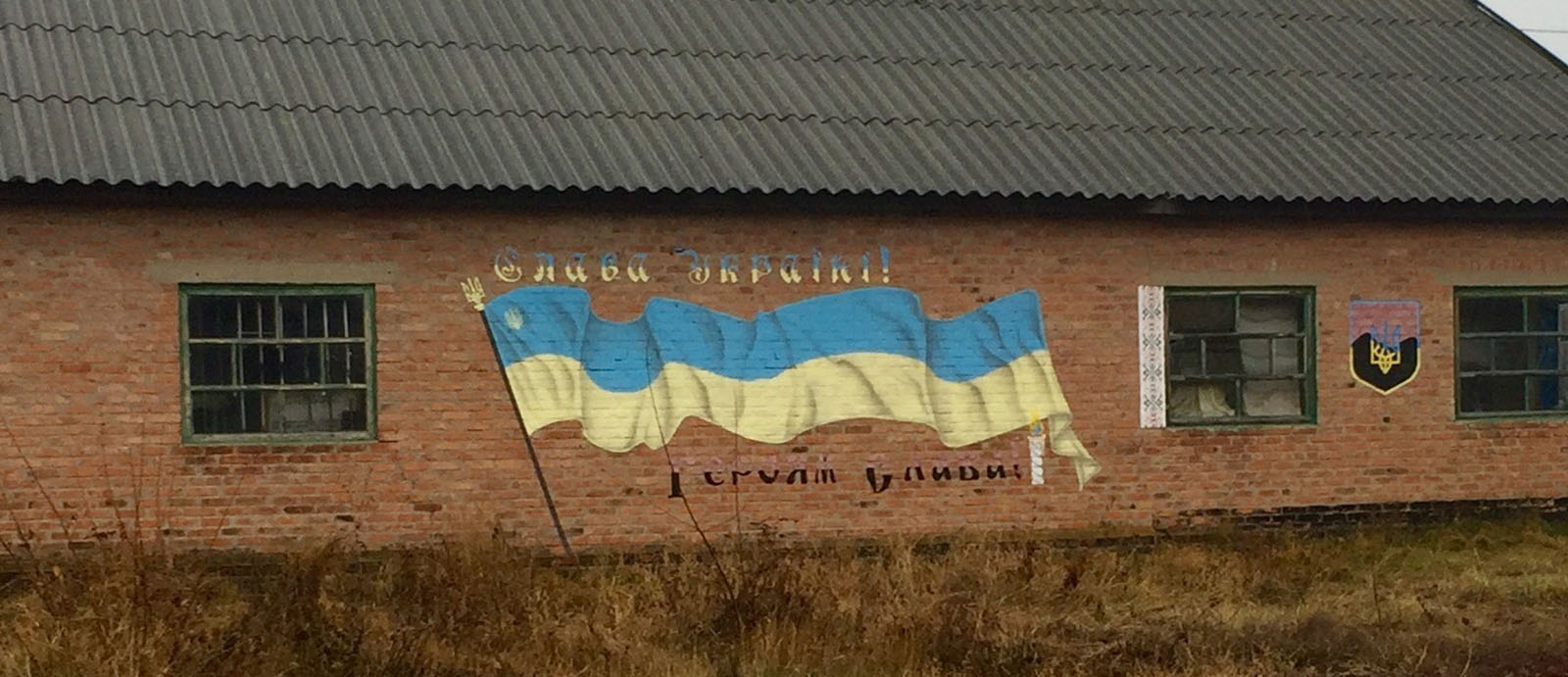
Ukrainians tend to be categorised reductively as either 'bad' ethno-nationalists or 'good' civic democrats. Lena Surzhko-Harned argues this simplistic division is harmful to Ukraine and its defence against the Russian empire, which is eager to manipulate, divide and conquer Read more
Albrecht Rothacher
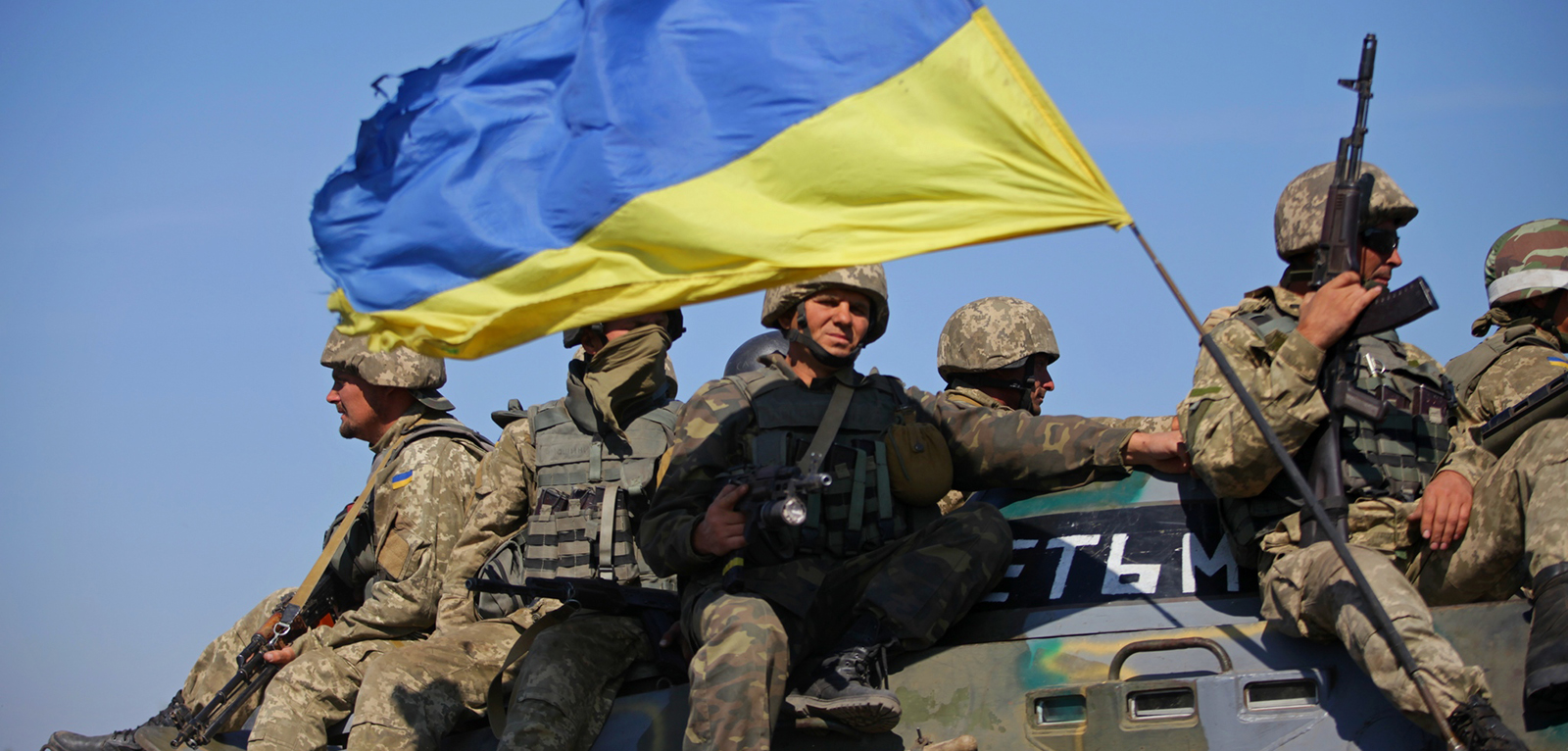
Albrecht Rothacher argues that longstanding Western neglect and weakness in the face of rising aggression from authoritarian regimes threatens worldwide conflagration. Post-1991 dreams of a new international order have been definitively shattered – and the West’s current positions do nothing to reduce the risks Read more
Davide Genini
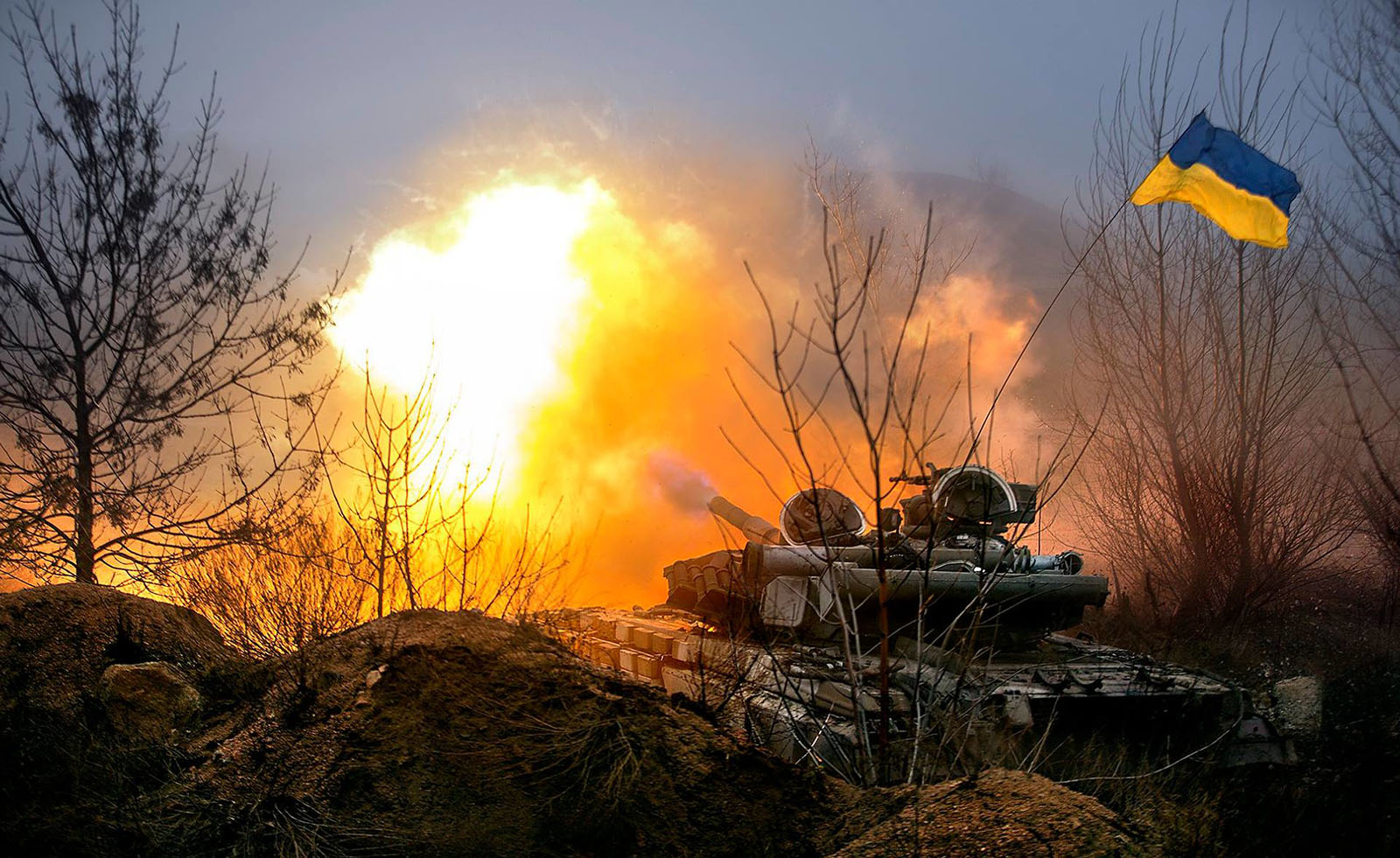
What was supposed to be a quick conflict is now marking its second anniversary. But the war in Ukraine is anything but a stalemate. Davide Genini analyses why the Ukrainian counteroffensive has failed, and predicts that 2024 will be a decisive year Read more
Niruka Sanjeewani
In March 2001, the EU agreed a directive providing temporary protection for non-EU nationals fleeing conflict. In 2022, it revived the directive to allow displaced communities in Ukraine to settle in the EU. Niruka Sanjeewani argues this undermines the EU’s human rights policies, and weakens its efforts to create more legitimate asylum mechanisms Read more
Olga Vlasova
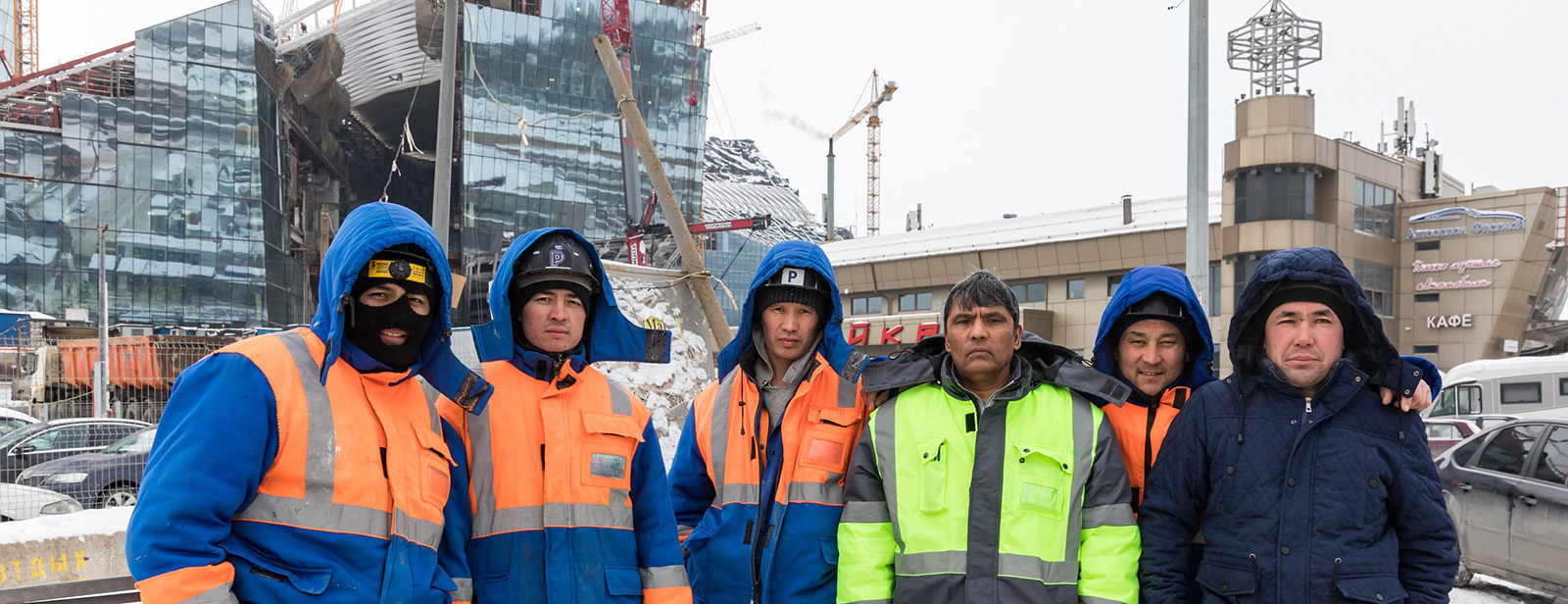
To sustain its war in Ukraine, the Russian army needs cannon fodder. Olga Vlasova explores a growing anti-migrant discourse in the Russian media today. She concludes that it is probably connected to the country’s need for a further round of conscription before the spring 2024 elections Read more
Ivo Kesler
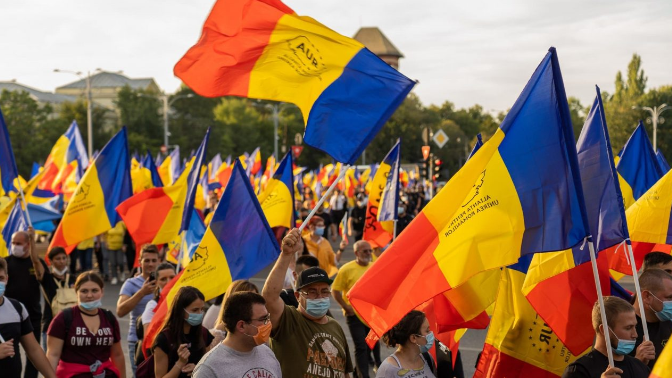
Ivo Kesler argues that Romania’s emerging role as a strategic asset in Eastern Europe will be compromised if the far-right party AUR wins the next parliamentary elections. Romania's role as Moldova’s most important supporter and promoter could come to an end Read more
Francesco Spera
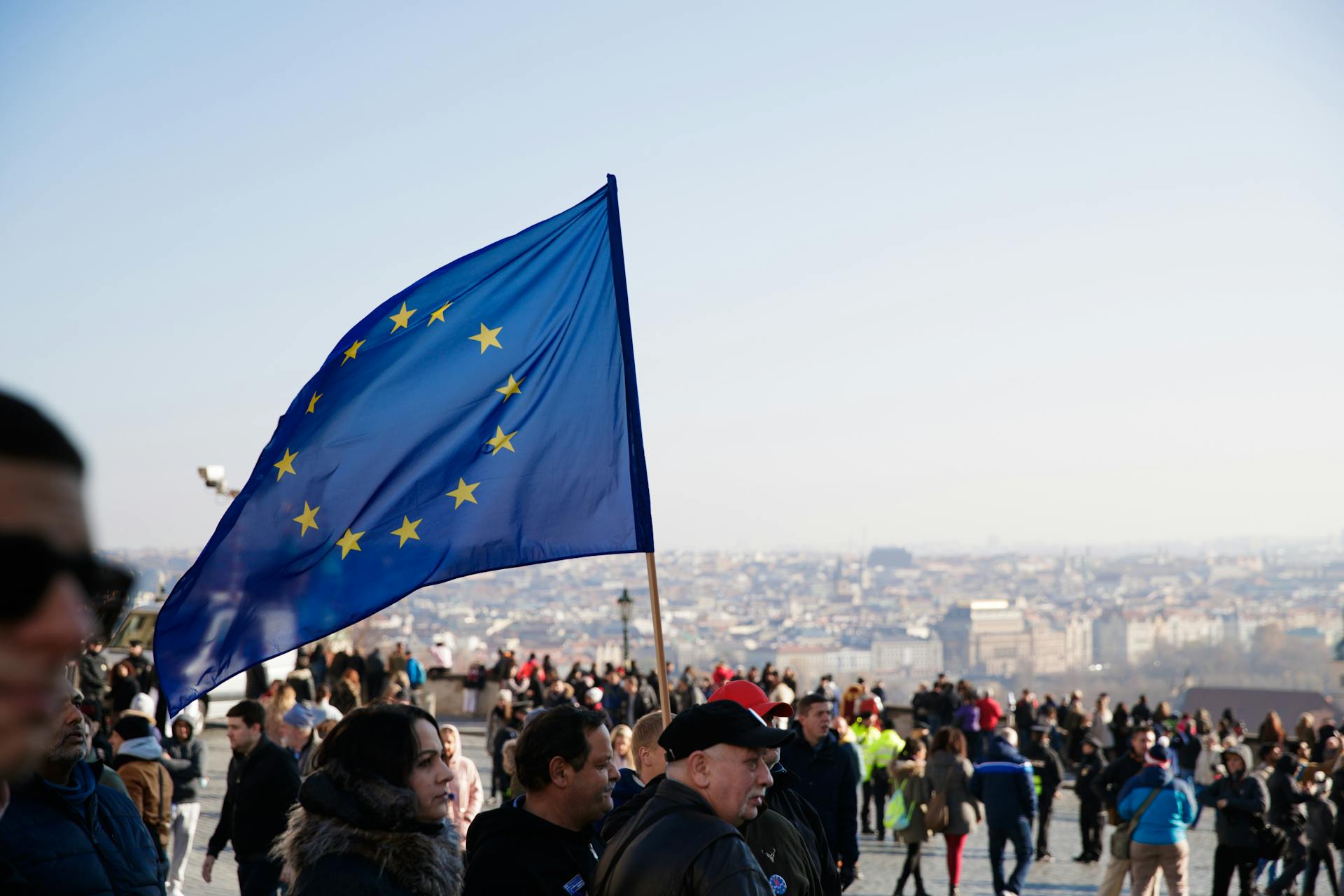
The European Union has built its normative concepts on Europe's postwar consensus, focusing in particular on Holocaust trauma. But Francesco Spera argues that through past and future enlargements, it is also adapting to Eastern European states' mnemonic paths as they move away from their communist histories Read more
Simone Rinaldi
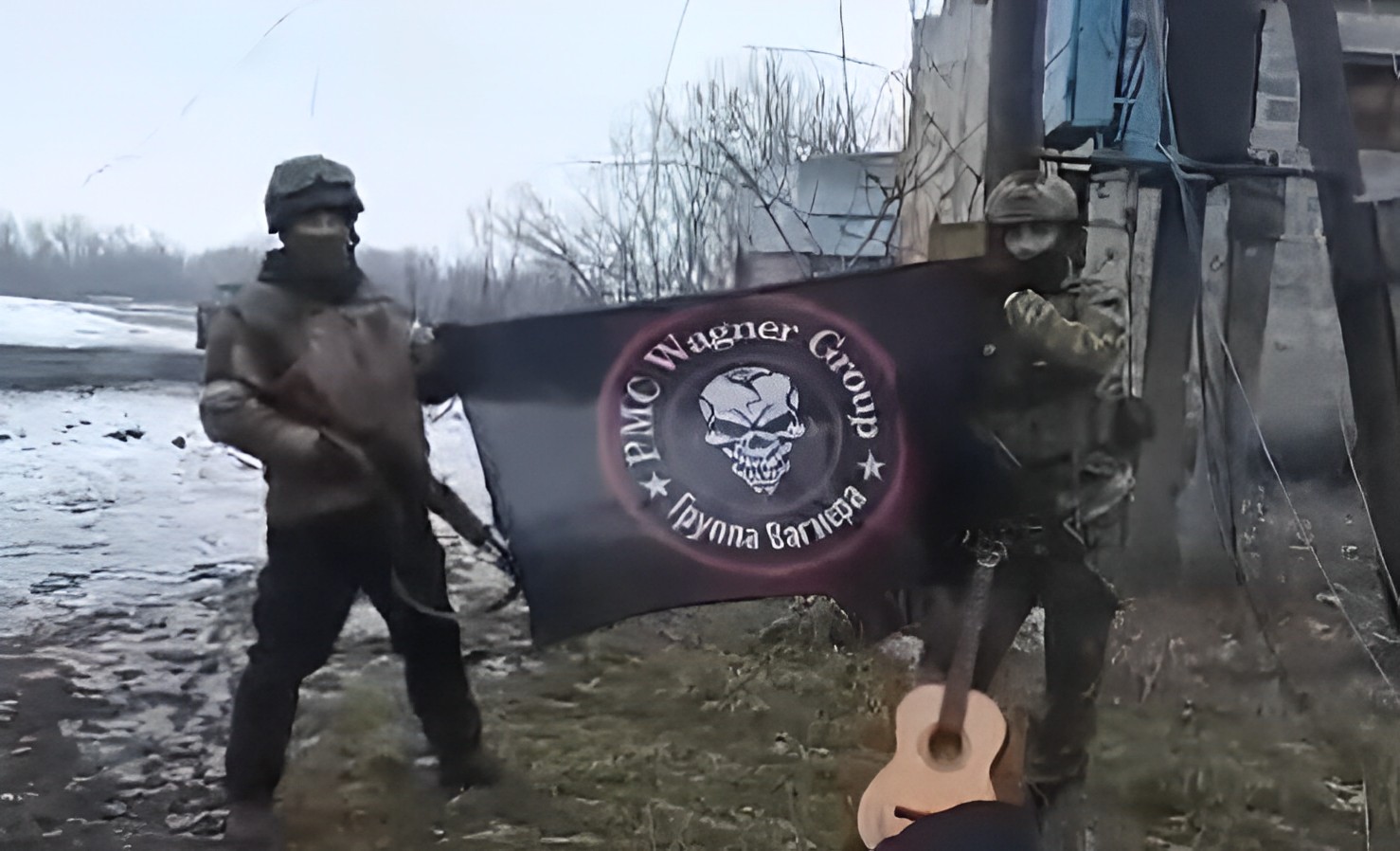
The history of private military activity goes back centuries, but modern-day Private Military Companies are a complex and controversial phenomenon in the global security landscape. Simone Rinaldi and Daniela Irrera argue that their role, and the implications of their use, raise significant challenges for the actors who employ them Read more
We use necessary cookies to make our site work. We'd also like to set analytics cookies that help us make improvements by measuring how you use the site. These will be set only if you accept.
▼
Strictly Necessary Cookies
Necessary cookies enable core functionality such as security, network management, and accessibility. You may disable these by changing your browser settings, but this may affect how the website functions.
▼
Analytics Cookies
Google Analytics
We'd like to set Google Analytics cookies to help us improve our website by collecting and reporting information on how you use it. The cookies collect information in a way that does not directly identify anyone. For more information on how these cookies work please see our Privacy Notice.