Karina Shyrokykh
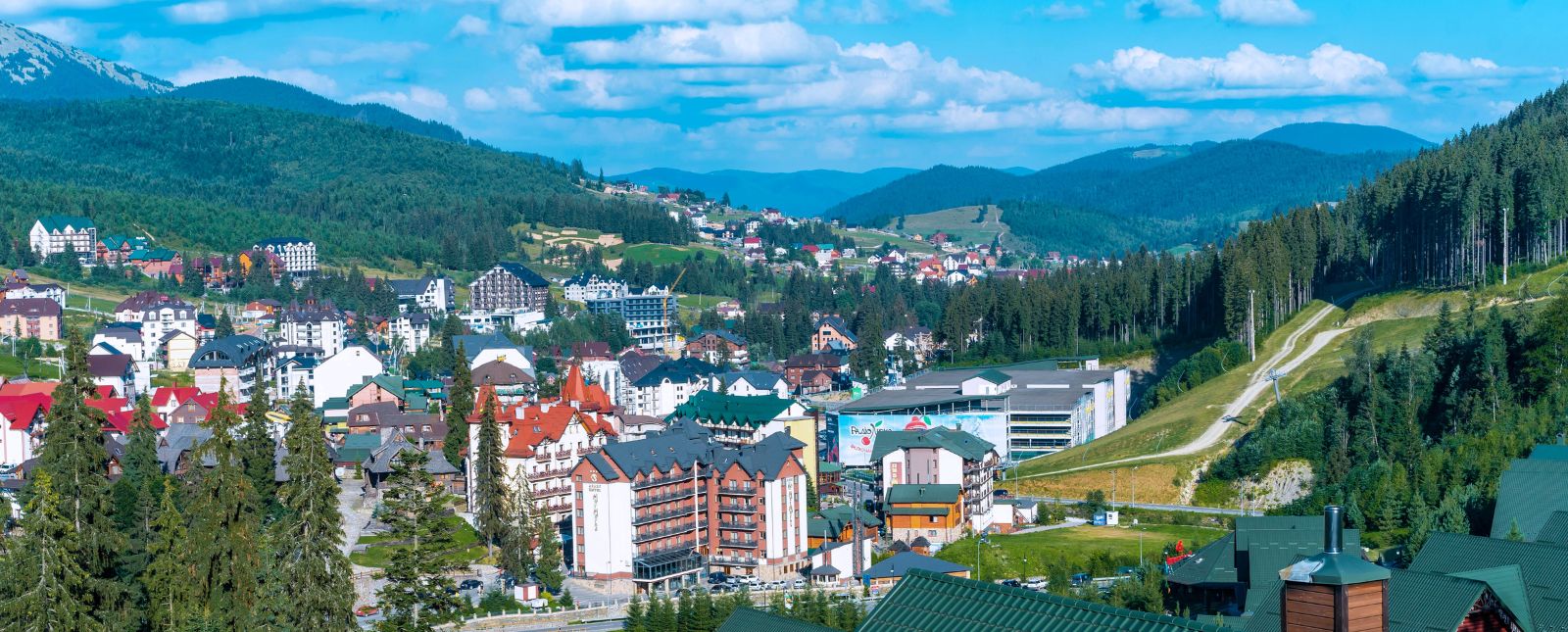
Despite the war — and uneven compliance with the EU-Ukraine Association Agreement — Ukraine is striving to implement the European Green Deal. Why? Karina Shyrokykh explains how instrumental compliance with the Green Deal will help Ukraine implement the Association Agreement. Preparations for compliance with the Deal after EU accession, meanwhile, will help the country's post-war recovery, and boost its membership chances Read more
Miruna Butnaru-Troncotă
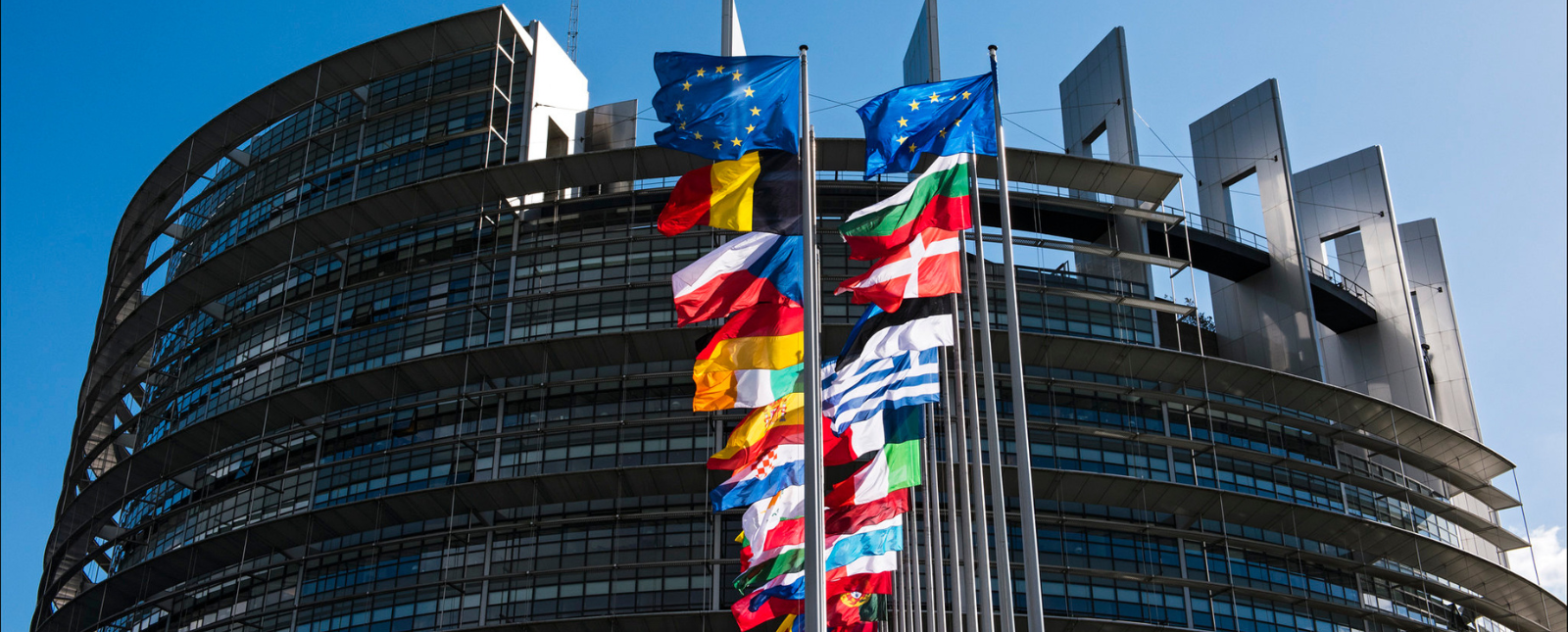
Russia’s full-scale invasion of Ukraine forced the EU to revive its enlargement agenda, but growing politicisation risks sidelining the Western Balkans yet again. Miruna Butnaru Troncotă argues that the EU's future credibility and cohesion hinge on treating Western Balkan integration just as urgently as Eastern enlargement Read more
Antoaneta L. Dimitrova
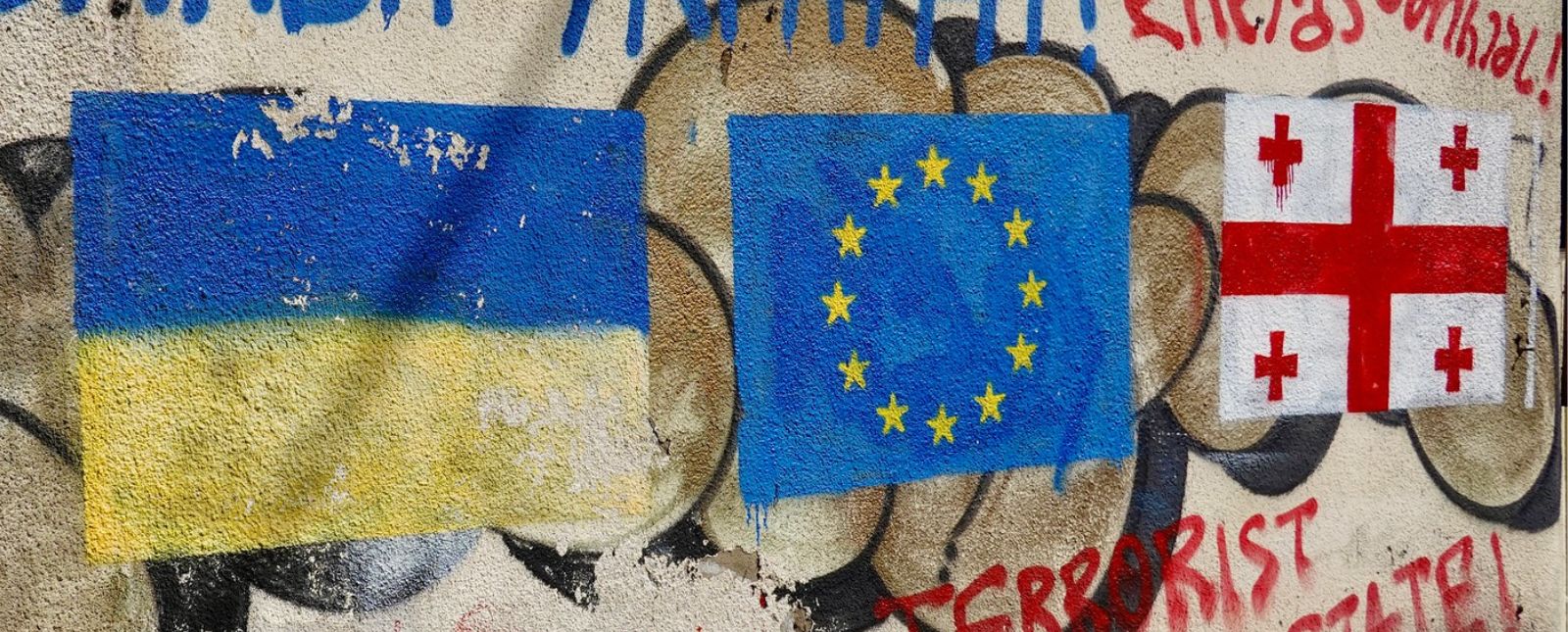
EU enlargement to Ukraine is a strategic necessity, but cannot rest on geopolitics alone. To avoid backlash, the EU must confront policy dilemmas openly, from rule of law to agriculture, and offer realistic compromises. Antoaneta Dimitrova argues that public support depends on political leaders’ ability to offer a credible narrative to counter negative publicity Read more
Magdalena König
Enlargement’s symbolic revival after Russia’s full-scale invasion of Ukraine risks repeating past failures. Magdalena König warns that without credible timelines and reform momentum, the EU may trap candidates — old and new — in an ‘eternal waiting room’. Frustration, backsliding, and geopolitical drift are likely unless promises are matched by progress Read more
Denis Cenusa
Russia’s hybrid tactics — emboldening sovereigntist populism, spreading disinformation, and weaponising economic hardship — threaten EU enlargement. Countermeasures, argues Denis Cenusa, are thus essential to protecting the enlargement process and the Union’s strategic resilience Read more
Stella Ladi
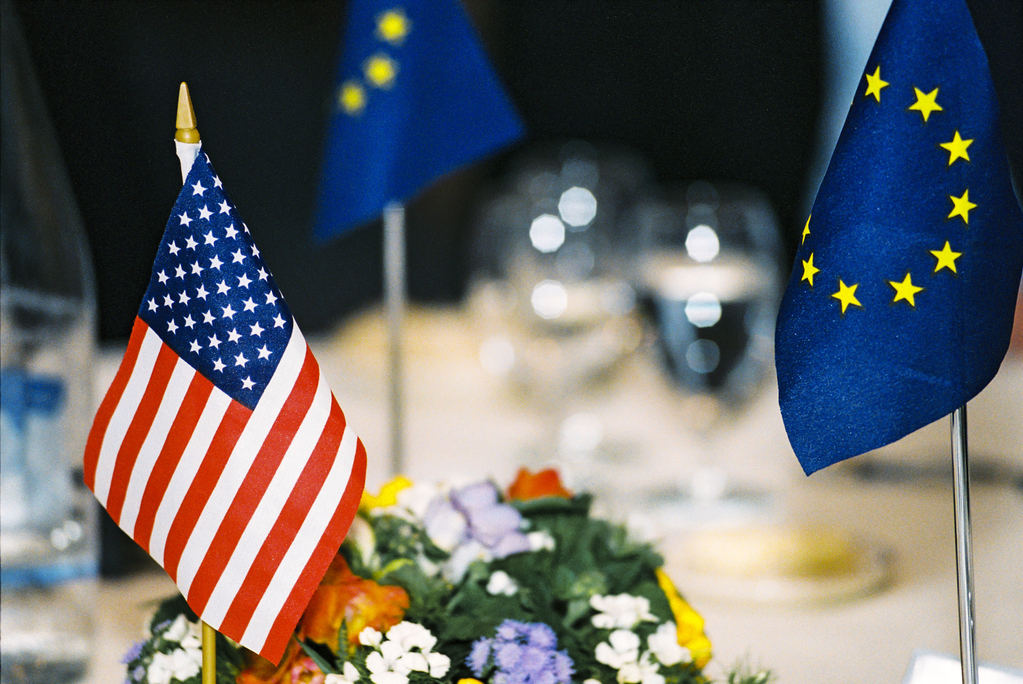
Relations between the EU and US are undergoing tumultuous change. Based on what we know from previous existential crises, the EU will coordinate its response to changing transatlantic relations using informal mechanisms and a pragmatic approach. Stella Ladi argues the EU must now develop a strategy for navigating this unfamiliar environment Read more
Victoria Portnaya
In Ukraine, politics is deeply polarised, and elections have long reflected regional divides. Around the world, the internet has transformed political engagement, and digital access may be playing an increasingly important role in Ukrainian politics. Victoria Portnaya speculates on the effects of internet speed on voters’ electoral preferences Read more
Maryna Rabinovych
Maryna Rabinovych argues that Russia’s invasion of Ukraine reshaped EU enlargement dynamics, creating both pressure and opportunity. To sustain momentum, the EU needs a strategic vision and transparent policies. By harnessing wartime spillover effects, the EU can transform reactive measures into structured accession pathways for Ukraine and Moldova Read more
We use necessary cookies to make our site work. We'd also like to set analytics cookies that help us make improvements by measuring how you use the site. These will be set only if you accept.
▼
Strictly Necessary Cookies
Necessary cookies enable core functionality such as security, network management, and accessibility. You may disable these by changing your browser settings, but this may affect how the website functions.
▼
Analytics Cookies
Google Analytics
We'd like to set Google Analytics cookies to help us improve our website by collecting and reporting information on how you use it. The cookies collect information in a way that does not directly identify anyone. For more information on how these cookies work please see our Privacy Notice.