Michael Asiedu
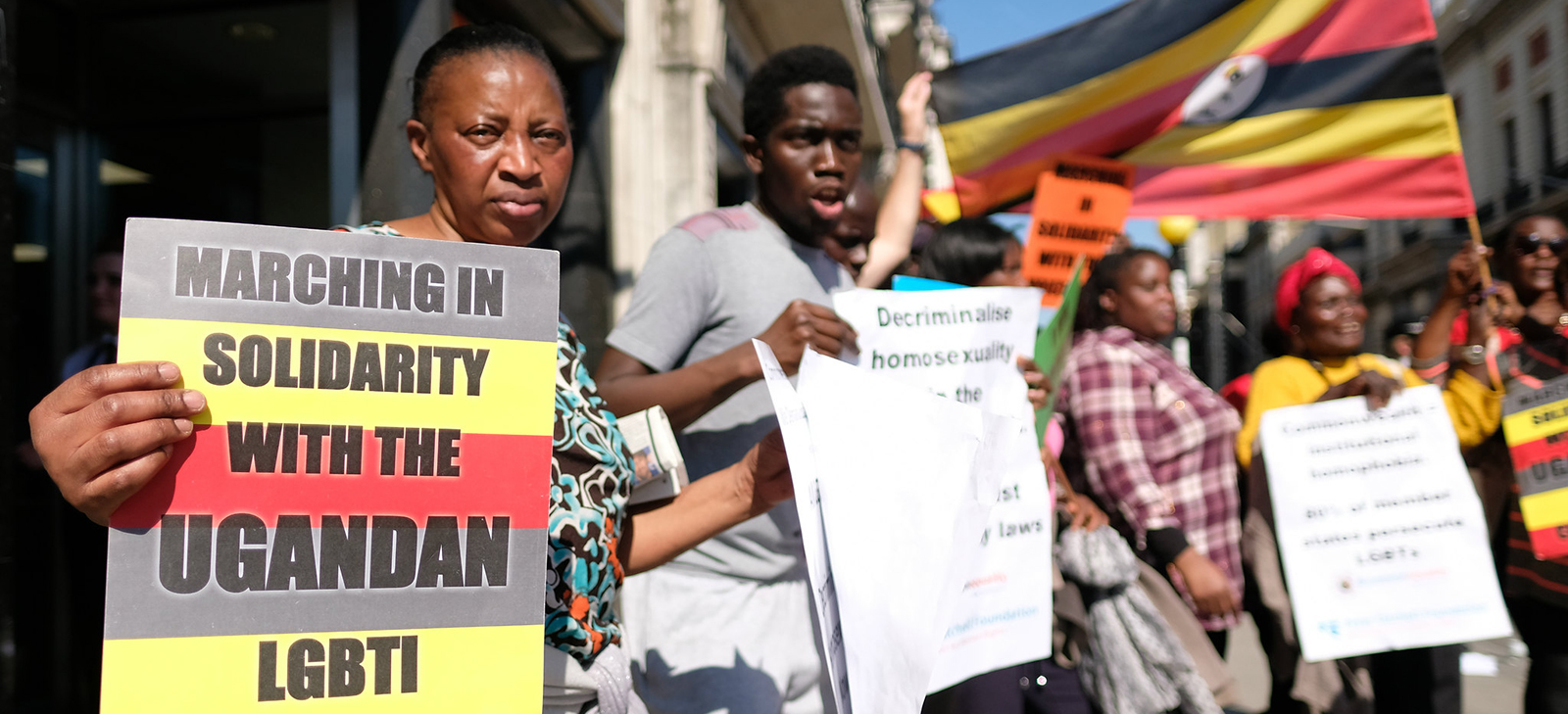
Chad's 20-year conviction of opposition leader Succès Masra reveals how African courts have become weaponised against dissent. Across the continent, writes Michael Asiedu, from Benin to Uganda, authoritarian regimes are increasingly using fabricated charges to silence opponents. This, he says, masks repression behind democratic facades, erodes judicial independence, and weakens the prospects for genuine democratic transition Read more
Guido Maschhaupt
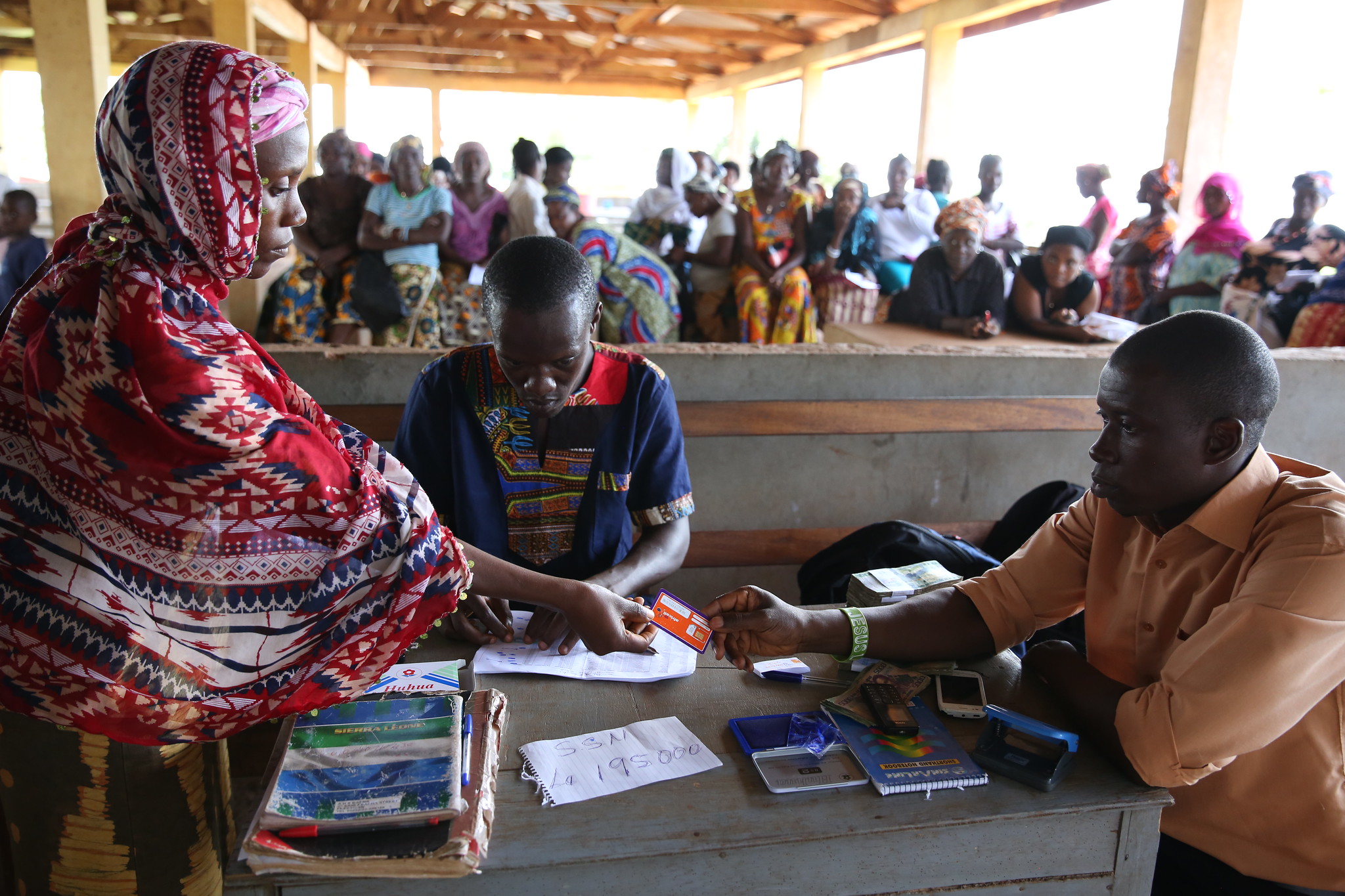
Many regard cash transfer programmes as cost-efficient tools to alleviate poverty across the Global South. But, as Guido Maschhaupt and Ahmed El Assal argue, in autocratic contexts, these programmes can have unintended – and politically significant – consequences. By supporting them, international aid donors may advertently bolster authoritarian regimes Read more
Hannah Muzee
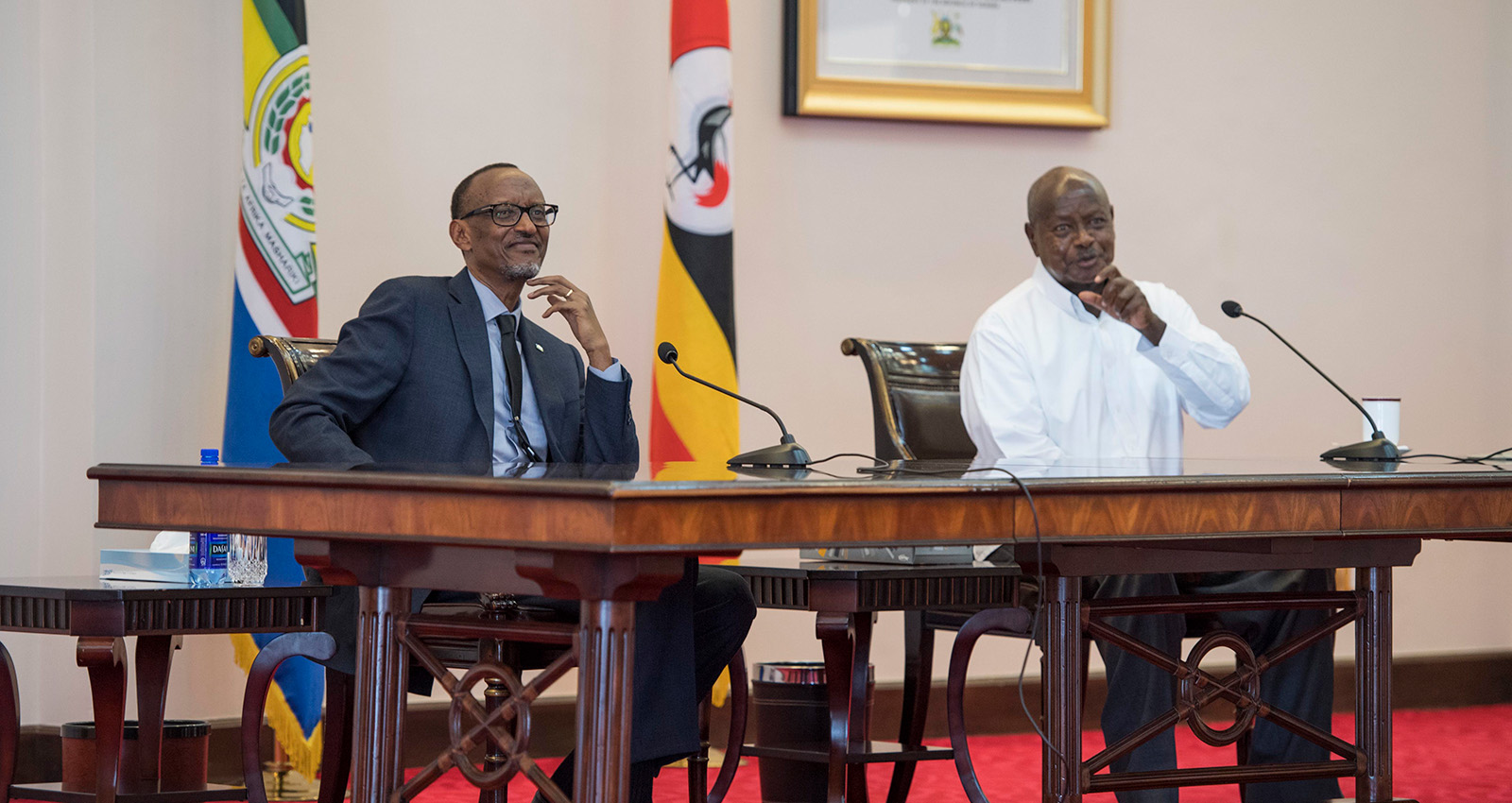
The new democratically oriented regimes that emerged in Rwanda and Uganda after the 1980s aspired to overcome postcolonial sectarianism. Those aspirations now appear largely to have receded, argue Hannah Muzee and Femi Mimiko, as both regimes have drifted into personalised politics and illiberal practices Read more
Lyndsay Hayhurst
Women and girls’ increased access to bicycles can support sustainable development, says the UN. Yet, write Lyndsay Hayhurst and Mitchell McSweeney, the bicycle may also exacerbate gender inequality Read more
Katrina Lee-Koo
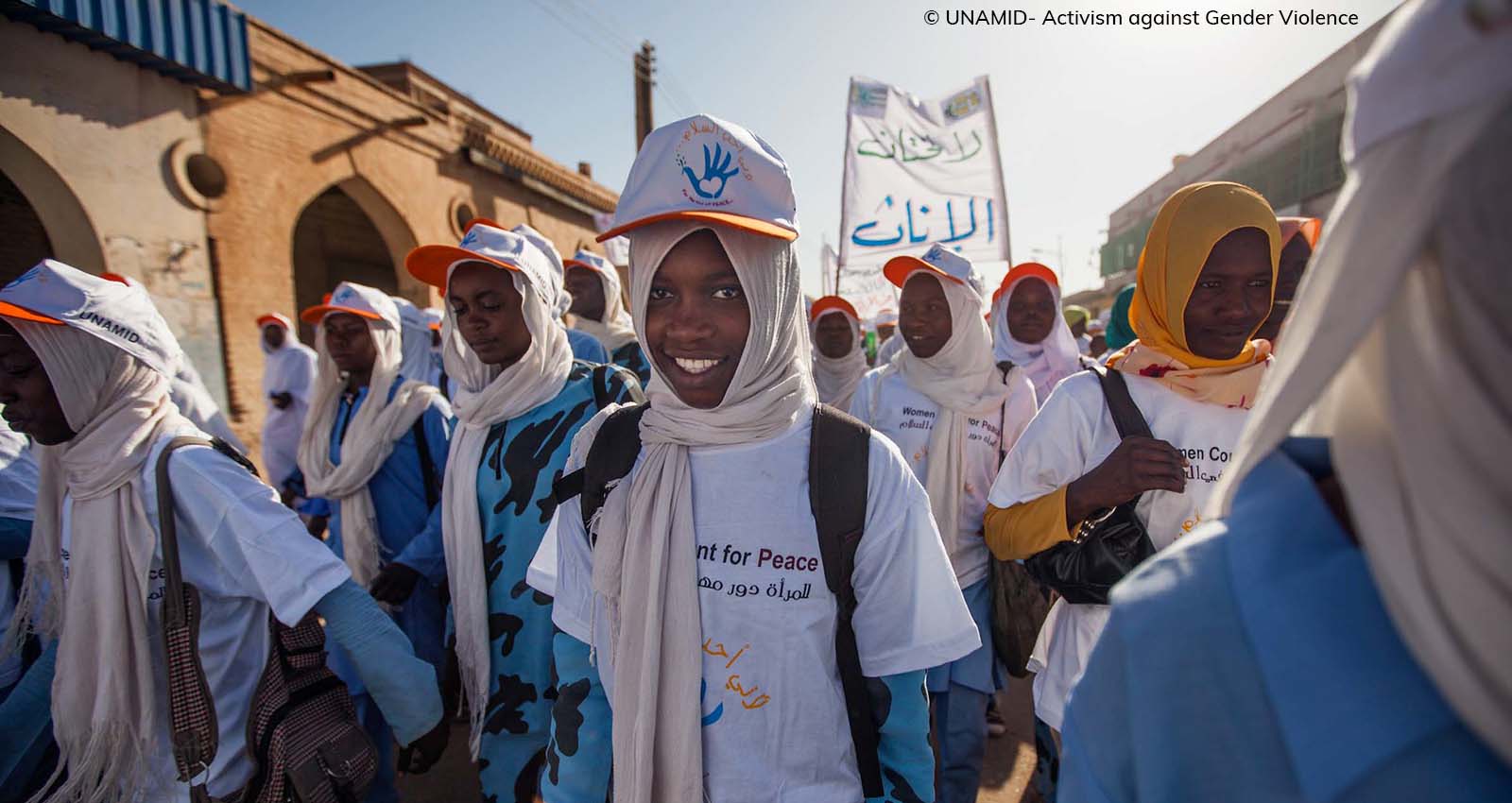
Despite the prevalence of security threats facing adolescent girls in conflict and crisis contexts, write Katrina Lee-Koo and Eleanor Gordon, they are rarely engaged in efforts to identify or address these threats. This enables the continuation of high levels of violence against them and compromises peace-building efforts Read more
Johanne Døhlie Saltnes
The EU often faces criticism for conducting an inconsistent and arbitrary human rights policy. This critique is misguided and overlooks a more fundamental problem with the policy, argues Johanne Døhlie Saltnes: that it tends to be executive-driven, precluding the participation of individuals and affected groups Read more
The Loop
Cutting-edge analysis showcasing the work of the political science discipline at its best.
We use necessary cookies to make our site work. We'd also like to set analytics cookies that help us make improvements by measuring how you use the site. These will be set only if you accept.
▼
Strictly Necessary Cookies
Necessary cookies enable core functionality such as security, network management, and accessibility. You may disable these by changing your browser settings, but this may affect how the website functions.
▼
Analytics Cookies
Google Analytics
We'd like to set Google Analytics cookies to help us improve our website by collecting and reporting information on how you use it. The cookies collect information in a way that does not directly identify anyone. For more information on how these cookies work please see our Privacy Notice.