Süleyman Güngör
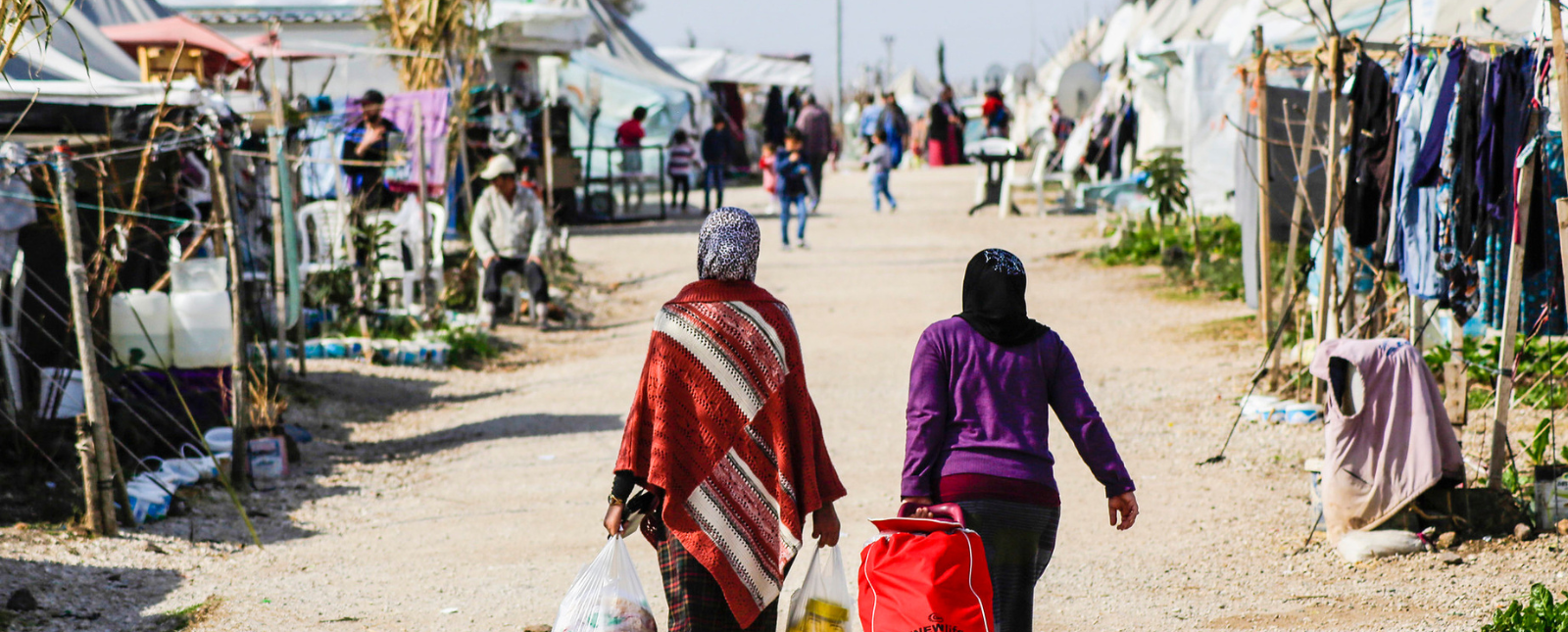
Once seen as brothers in faith, Syrians are now at the centre of Türkiye's sharpest debate: return. Economic hardship, social fatigue, and Europe’s moral outsourcing have turned an act of solidarity into a question of justice, identity, and survival. Süleyman Güngör brings this human dilemma to the forefront — where Realpolitik, economics, security, and morality collide Read more
Nadeem Ahmed Moonakal
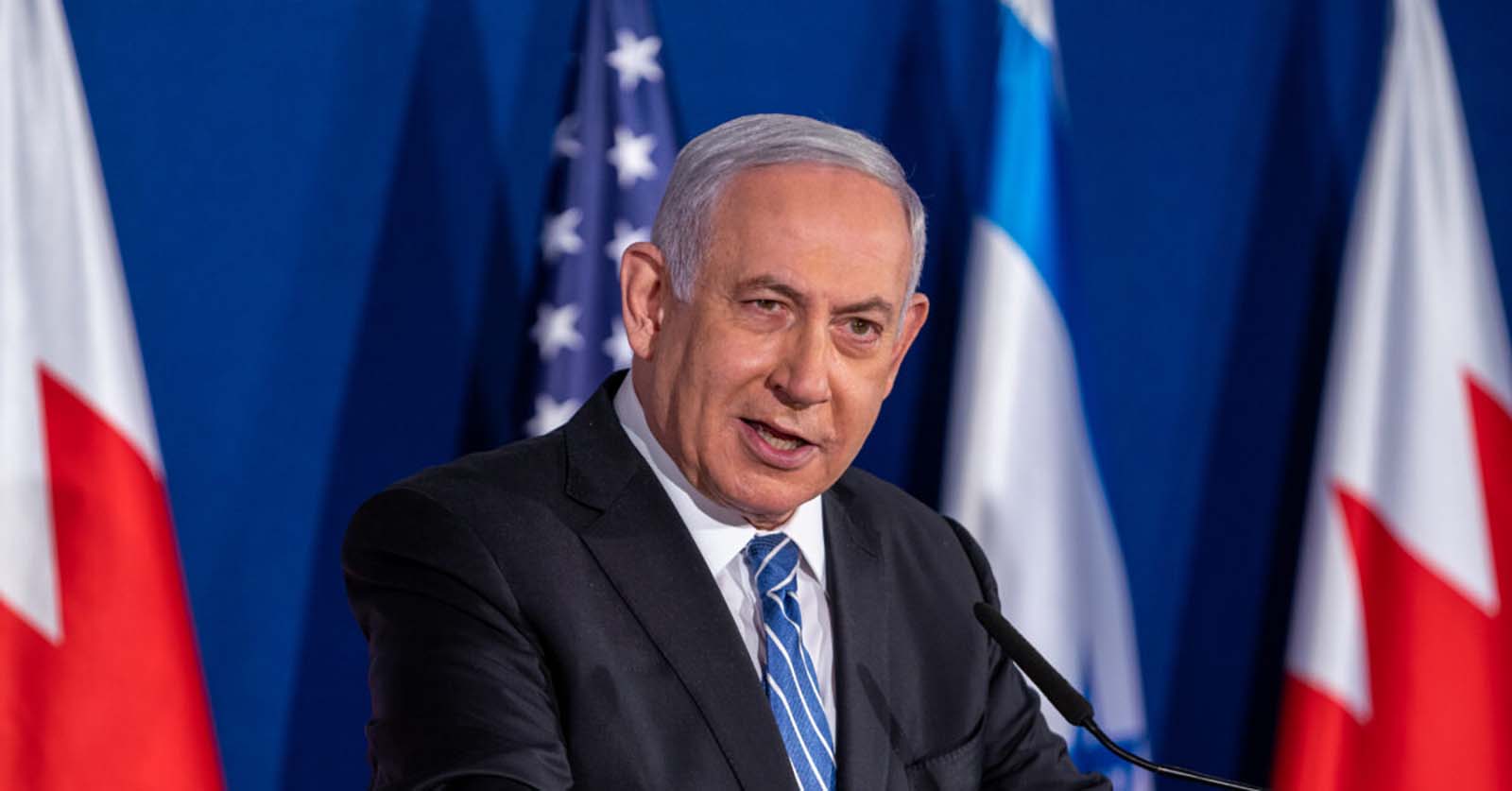
The security situation in the Middle East reflects the hard realities of power struggle and the implications of the quest for regional hegemony. Nadeem Ahmed Moonakal shows how Israel is exploiting instability to entrench dominance, while Iran’s projected restraint masks deep vulnerabilities. With the US’ ambiguous approach adding to tensions, the space for long-term stability is shrinking Read more
Ilker Kalin
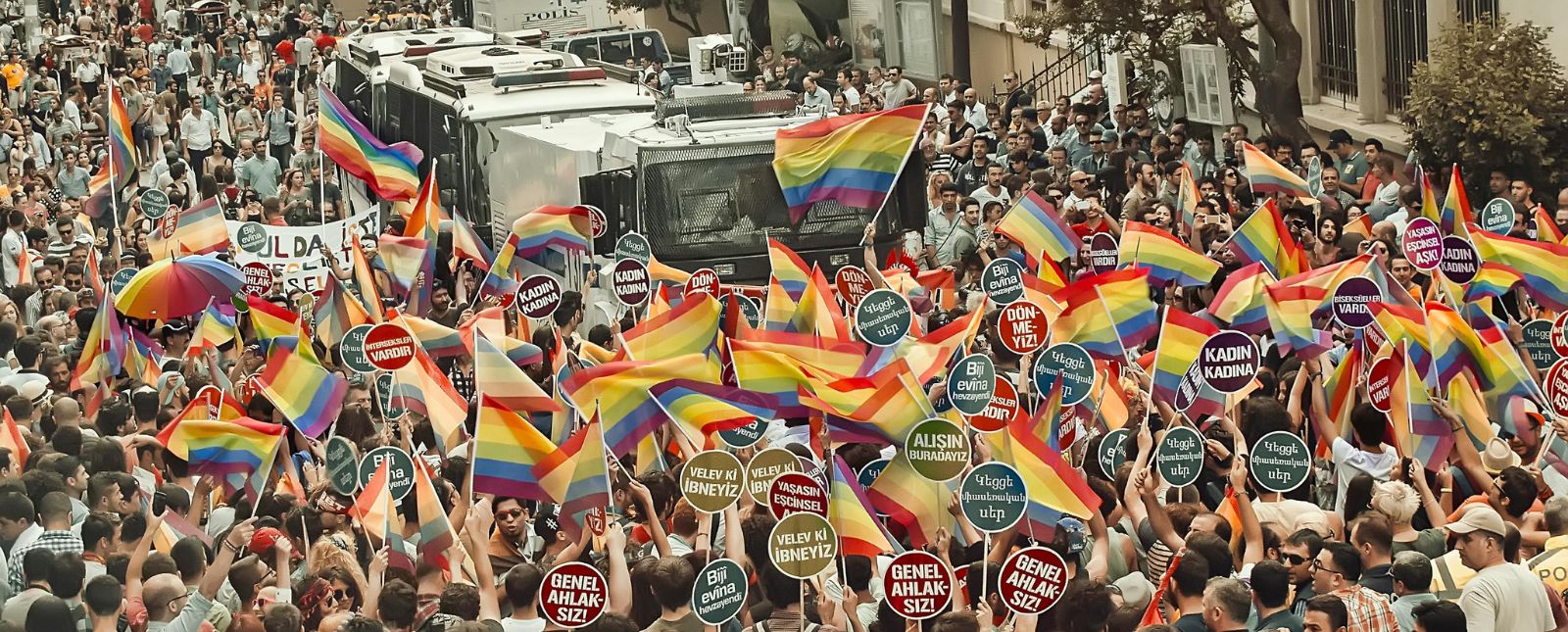
Gender and sexual minorities are not just increasingly targeted by the state in Turkey – they are isolated by opposition groups that purport to champion democratic values. Ilker Kalin argues that the isolation of LGBTQ+ activists weakens democracy, and plays into the hands of repression Read more
Gaia Romeo
The European Commission has proposed letting member states drop the ‘connection requirement’ from the ‘safe third country’ concept in asylum cases. Gaia Romeo and Frowin Rausis argue this seemingly technical tweak marks a major shift — toward an ‘(un)safe fourth country’ approach that some countries have repeatedly tried, and failed Read more
Sezen Kaya Sönmez
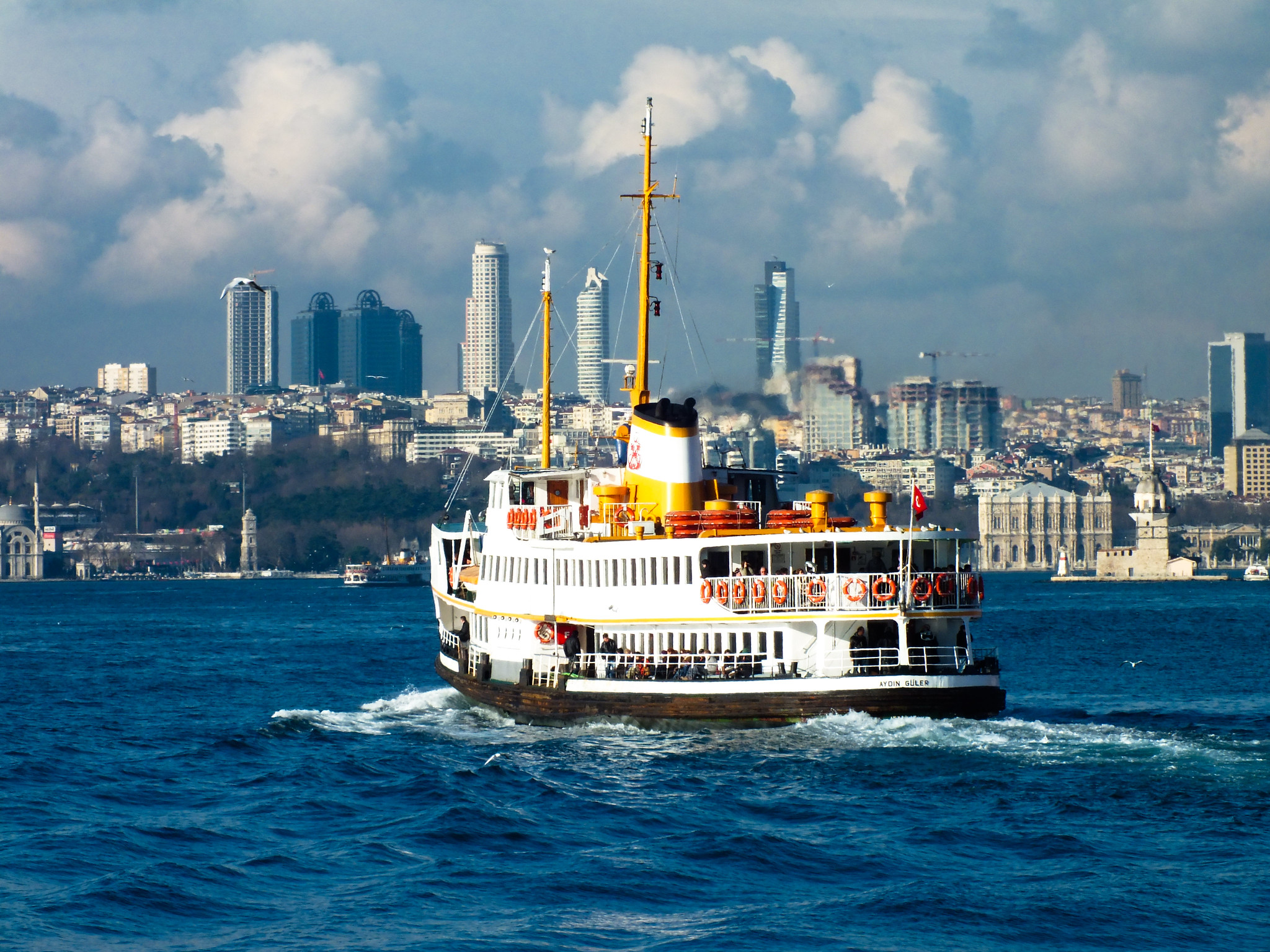
Turkey's proposed new waterway, 'Canal Istanbul', would connect the Black Sea with the Sea of Marmara. Sezen Kaya Sönmez describes how the project is about more than just transport, but has geopolitical, ecological, and climate aspects. Digging a new maritime corridor, she argues, threatens environmental resilience, regional stability, and long-term security Read more
Süleyman Güngör
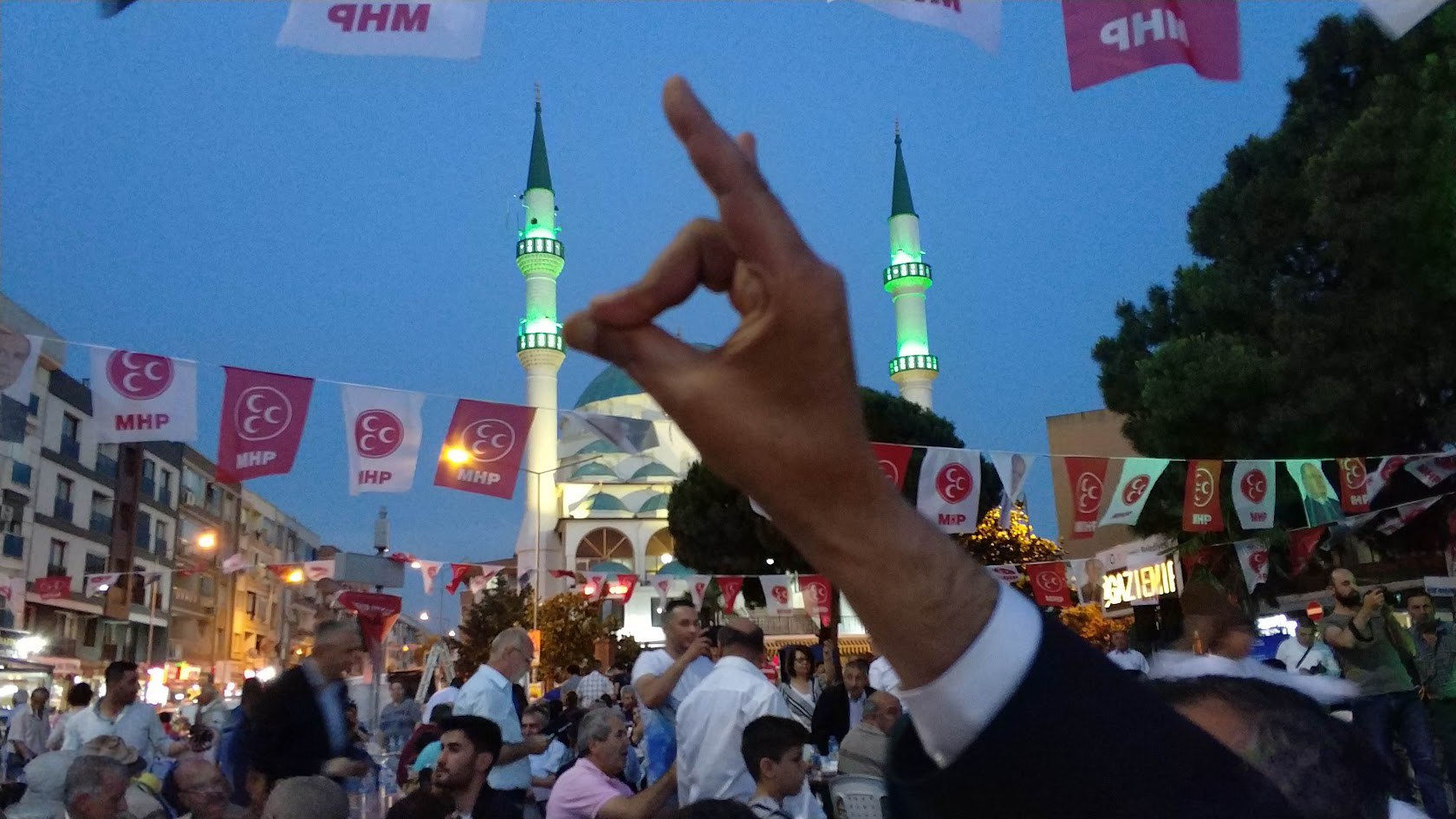
What is seen as a symbol of pride in one country may be viewed as a provocation in another. Reflecting on the recent controversy over a footballer’s hand gesture linked to Turkish nationalism, Süleyman Güngör explores how physical expressions of cultural identity triggered international tensions Read more
Ecem Nazlı Üçok
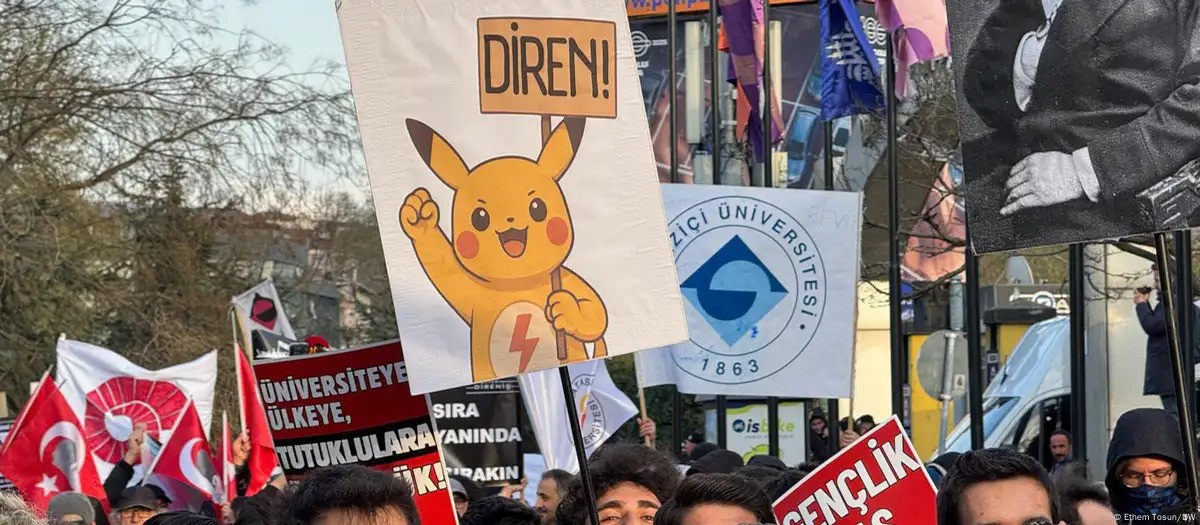
Ecem Nazlı Üçok explores how student protests in Turkey, Serbia, and Georgia reflect more than isolated unrest — they reveal a transnational wave of political mourning, democratic erosion, and Gen Z-led resistance. In the face of authoritarianism, students are not just reacting — they are reimagining the future Read more
Zeynep Şahin Mencütek
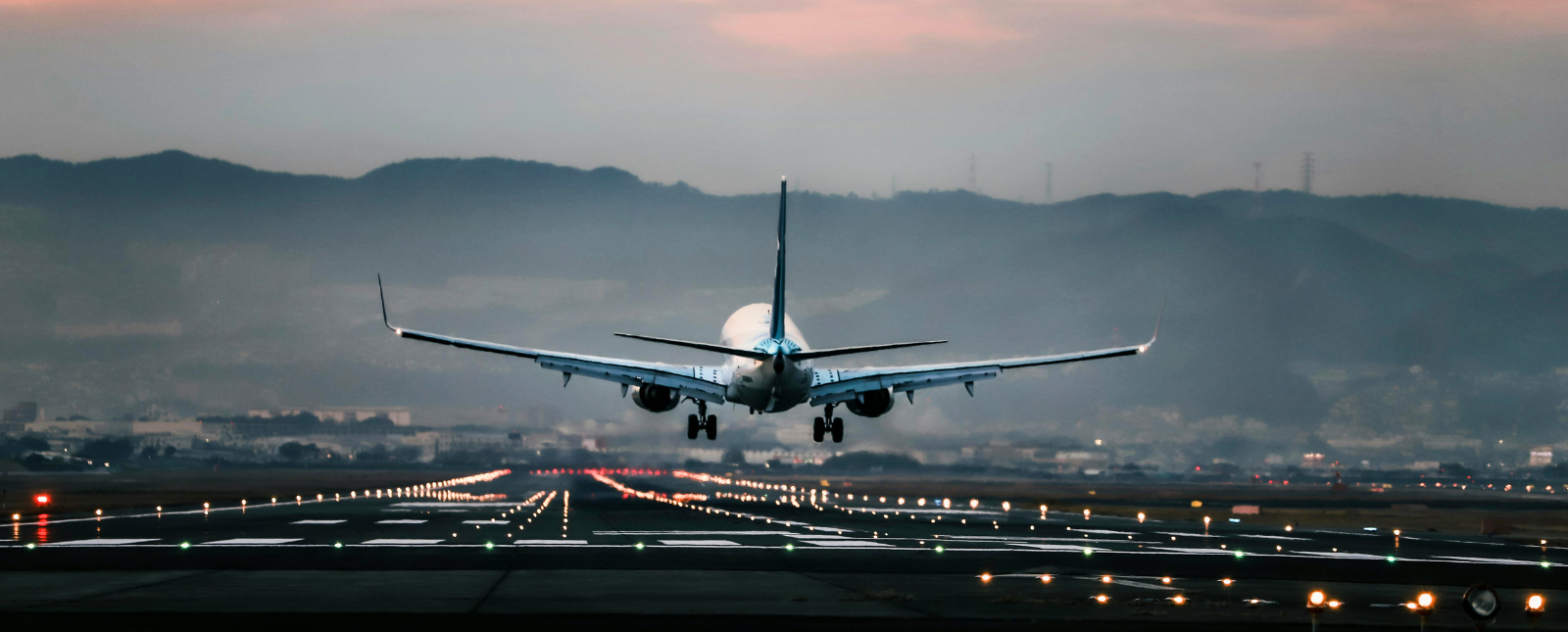
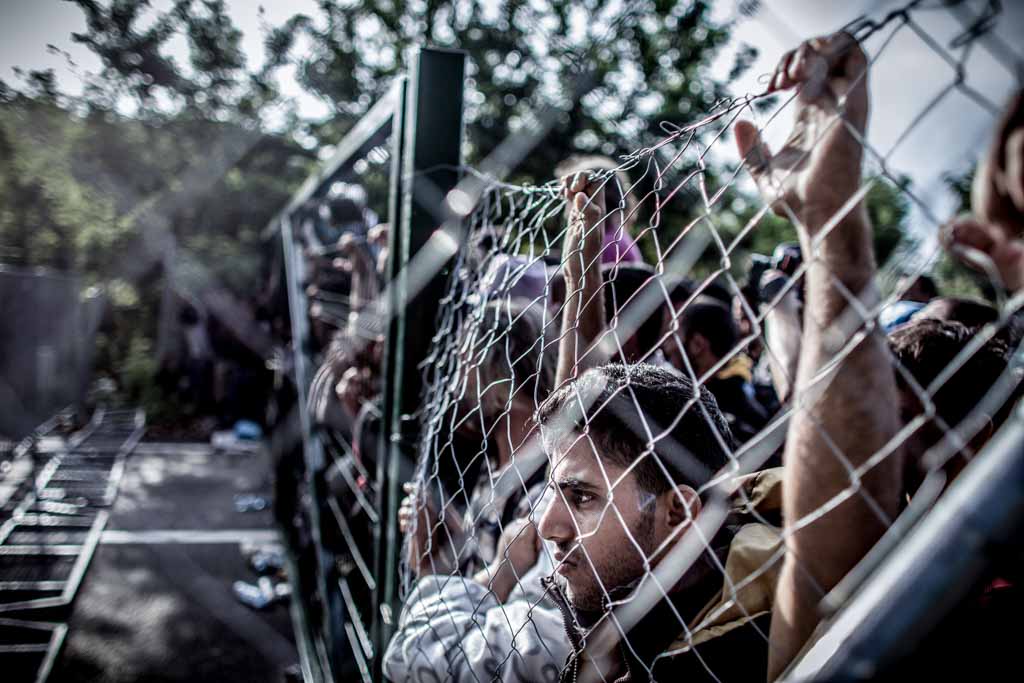
The European Commission has proposed a new system for returning third-country nationals staying illegally in the EU: sending them to designated holding areas before deportation. Zeynep Şahin Mencütek and Soner Barthoma explain why its plan will not work Read more
We use necessary cookies to make our site work. We'd also like to set analytics cookies that help us make improvements by measuring how you use the site. These will be set only if you accept.
▼
Strictly Necessary Cookies
Necessary cookies enable core functionality such as security, network management, and accessibility. You may disable these by changing your browser settings, but this may affect how the website functions.
▼
Analytics Cookies
Google Analytics
We'd like to set Google Analytics cookies to help us improve our website by collecting and reporting information on how you use it. The cookies collect information in a way that does not directly identify anyone. For more information on how these cookies work please see our Privacy Notice.