Süleyman Güngör
A court ruling has removed the elected leader of the opposition Republican People's Party in Türkiye, and reinstated his predecessor. The move has triggered competing claims to legitimacy. Süleyman Güngör examines the crisis, looking beyond party politics to the broader literature on democratic backsliding and judicial power Read more
Taylan Utku Düzgün
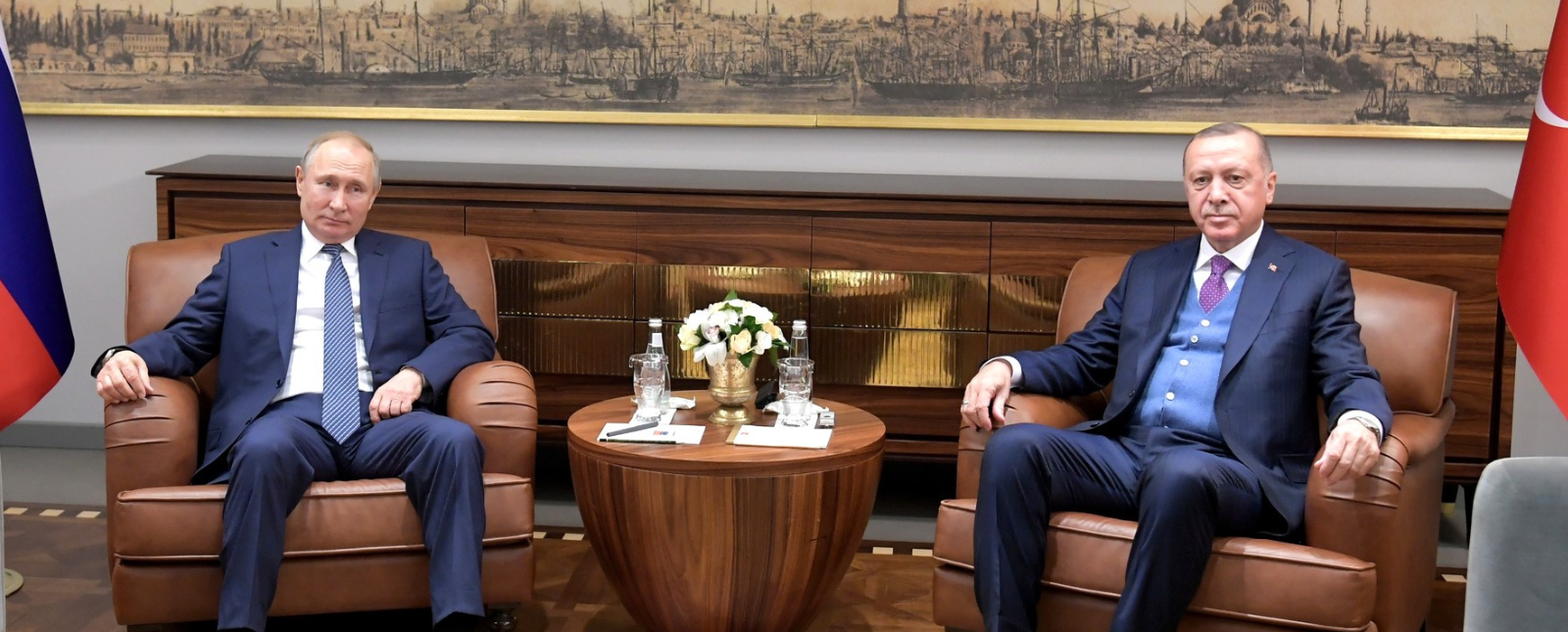
Taylan Düzgün argues that Turkish–Russian coordination in Syria has never reflected a true strategic alliance. Instead, both sides have developed limited forms of cooperation to contain escalation while pursuing fundamentally incompatible goals. The Syrian conflict shows how rivalry and coordination increasingly coexist in contemporary international politics Read more
Murat Aktaş
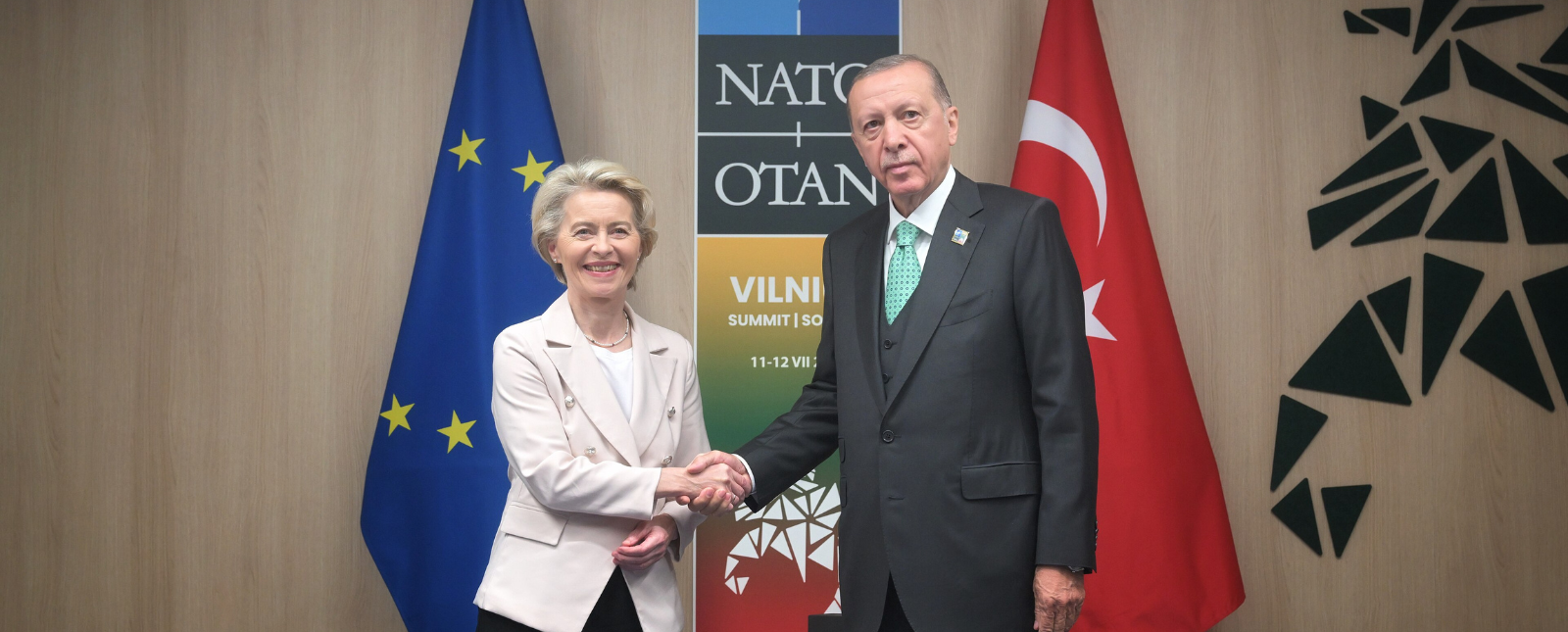
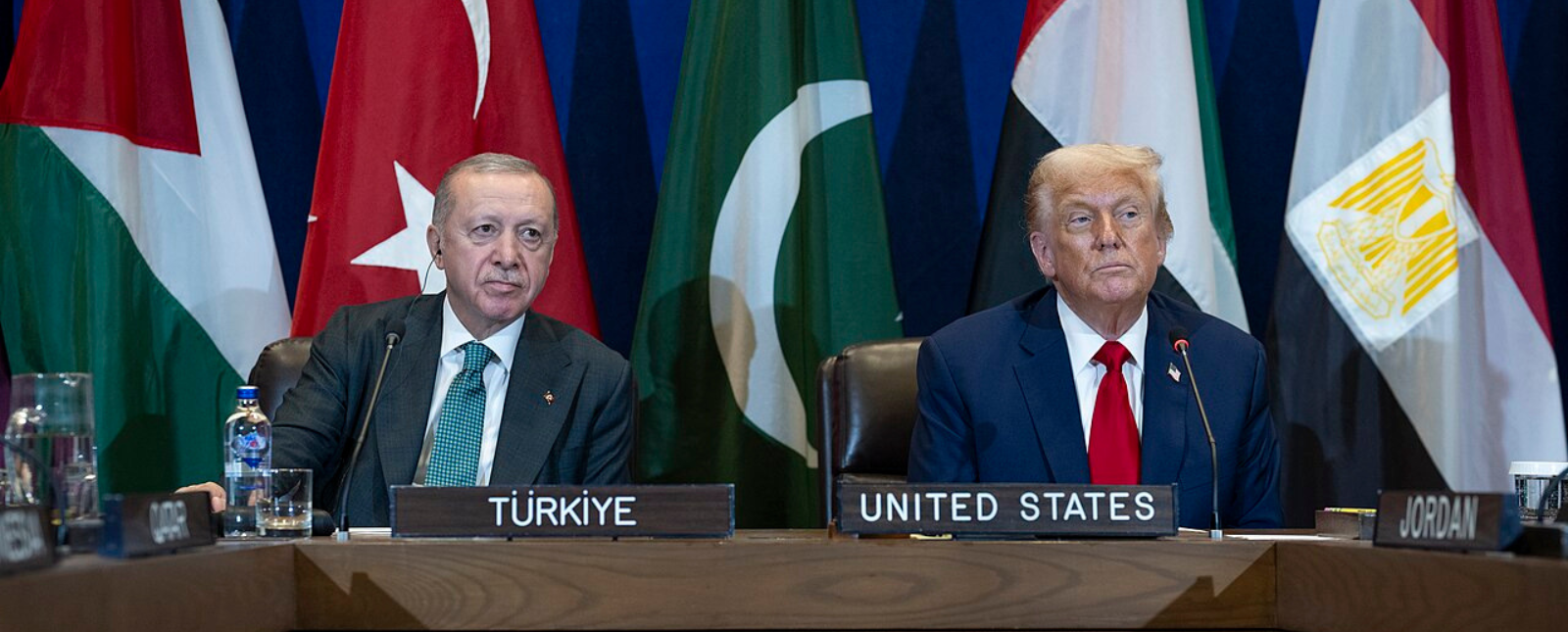
Ursula von der Leyen’s move to group Türkiye with Russia and China jeopardises the EU’s new security architecture. Murat Aktaş warns that treating an official EU candidate and ally as an 'excluded partner' is a strategic miscalculation. This deepening crack between rhetoric and reality creates an ontological crisis, threatening the credibility of the enlargement policy Read more
Osman Bahadir Dinçer
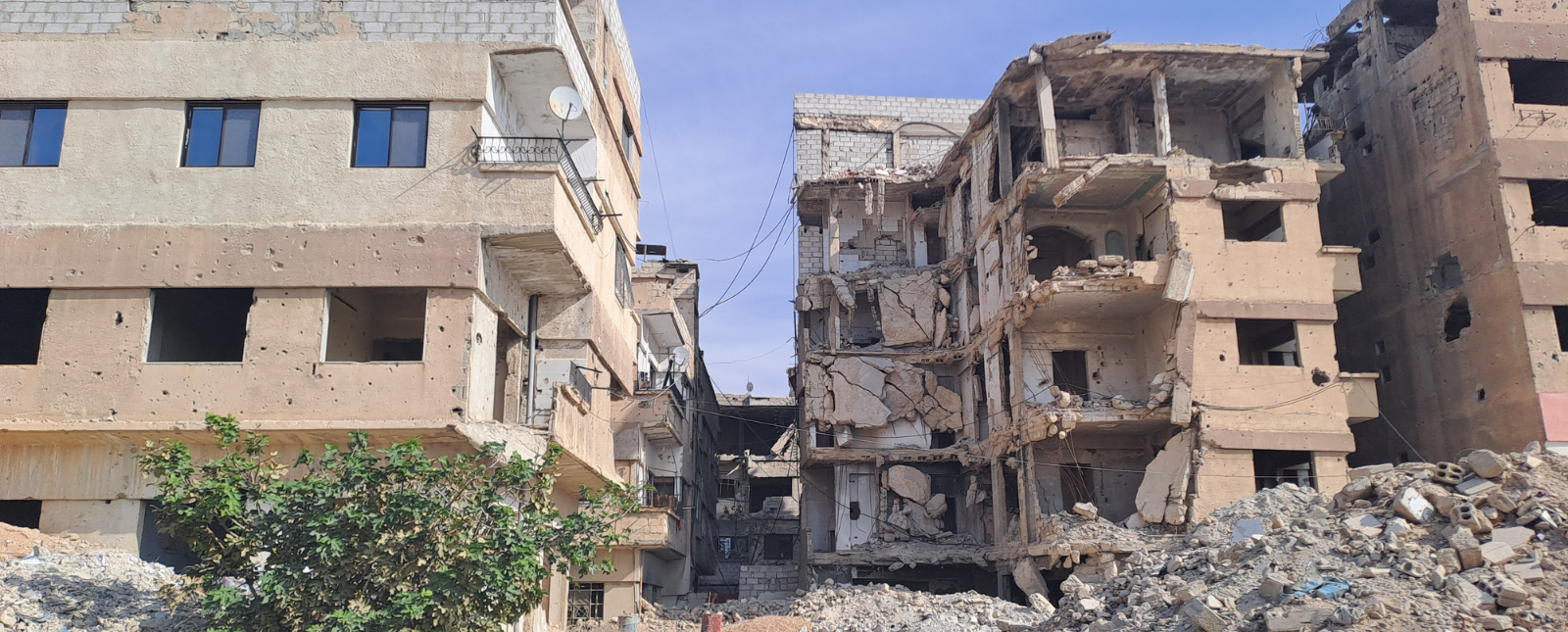
Osman Bahadir Dinçer and Zeynep Sahin-Mencütek argue that Syria is not ready for large-scale refugee return. Drawing on interviews with returnees, they show how economic collapse, weak institutions, and social fragmentation undermine reintegration. Policy debates, they say, must move beyond rhetoric to reflect realities on the ground Read more
Jeremy Ko
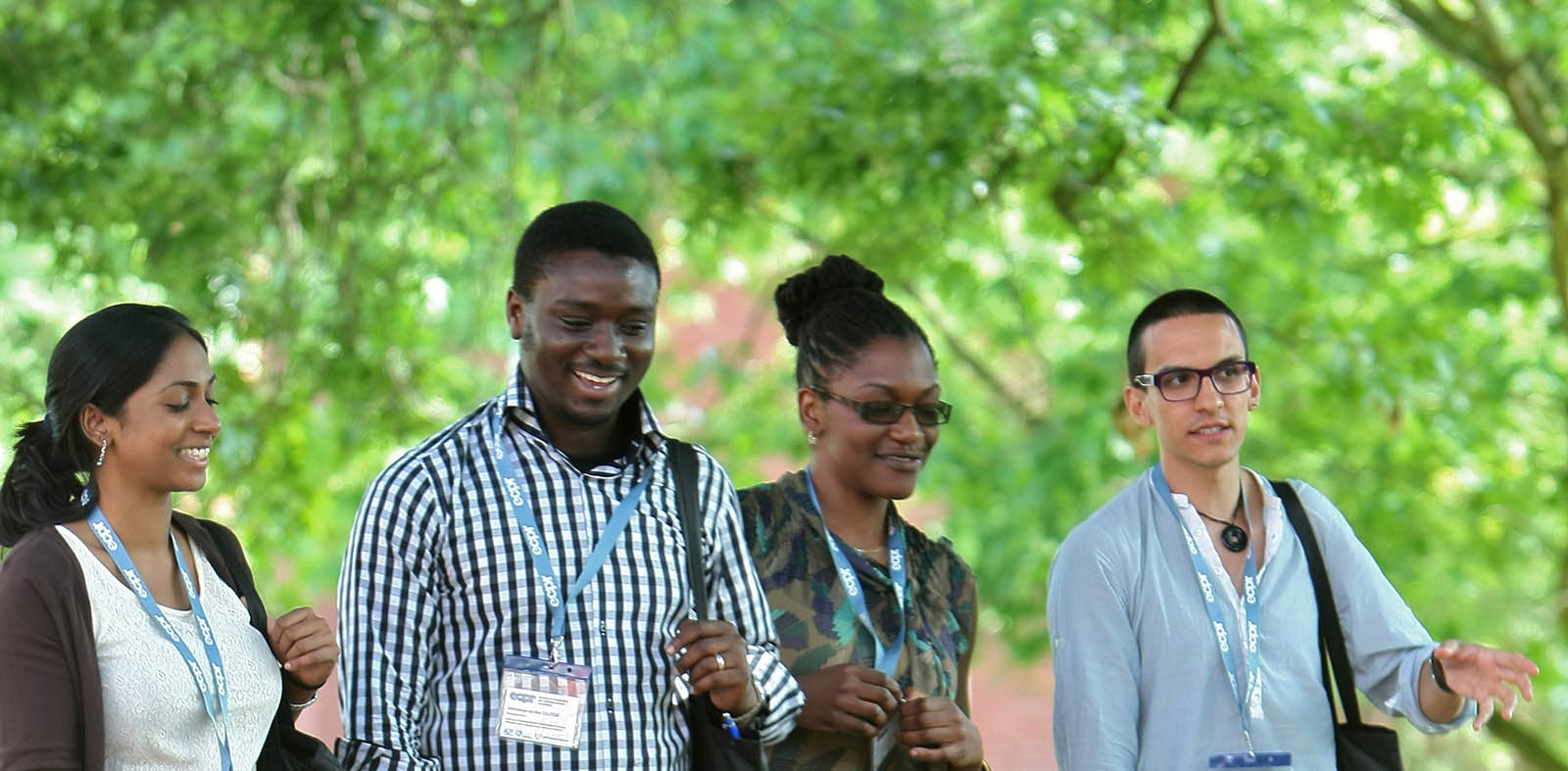
Populist governance poses a profound threat to universities, undermining the autonomy essential to knowledge production. Jeremy Ko and James F. Downes reveal how populist leaders invoking 'the people' against elites consistently reduce academic freedom – and right-wing variants accelerate the decline most sharply Read more
Philipp Lutscher
Philipp Lutscher, Jonas Bergan Dræge, Carl Henrik Knutsen and Karsten Donnay draw on three survey experiments across Venezuela, Turkey and the United States to show that visual strongman propaganda can deter opposition movements and mobilise supporters. Its effectiveness, however, depends on regime type and political context Read more
Susana Galán
Theoretical frameworks dominating the study of anti-gender politics both enable and constrain our understanding of the phenomenon. Susana Galán and Tutku Ayhan argue that the existing frameworks are not helpful for studying anti-gender politics in the Southwest Asia and North Africa (SWANA) region. Here, the authors explain why, suggesting alternatives Read more
Gülşen Doğan
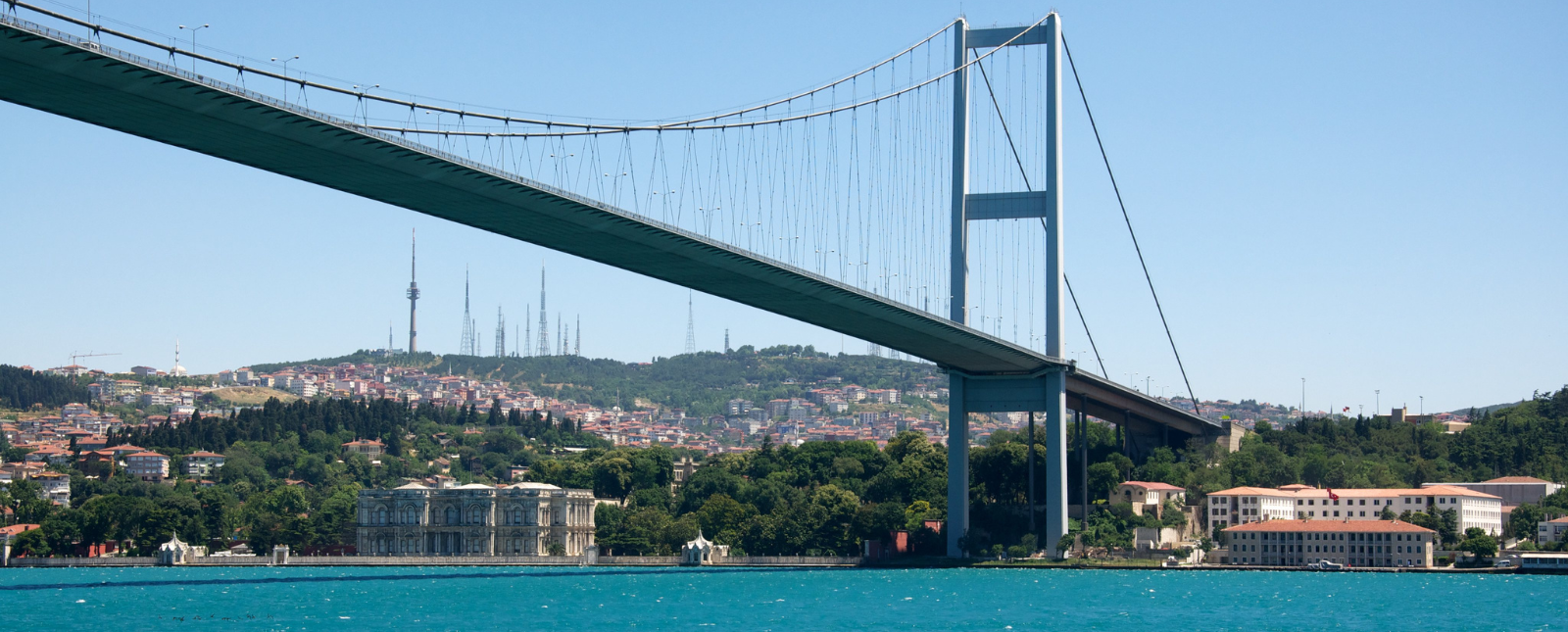
Gülşen Doğan argues that Türkiye’s long crisis reveals a new way of governing that stretches liberal rules without fully abandoning them. Cities like Istanbul can keep democratic options alive even as national politics turns in a more authoritarian direction Read more
We use necessary cookies to make our site work. We'd also like to set analytics cookies that help us make improvements by measuring how you use the site. These will be set only if you accept.
▼
Strictly Necessary Cookies
Necessary cookies enable core functionality such as security, network management, and accessibility. You may disable these by changing your browser settings, but this may affect how the website functions.
▼
Analytics Cookies
Google Analytics
We'd like to set Google Analytics cookies to help us improve our website by collecting and reporting information on how you use it. The cookies collect information in a way that does not directly identify anyone. For more information on how these cookies work please see our Privacy Notice.