Niklas Bolin
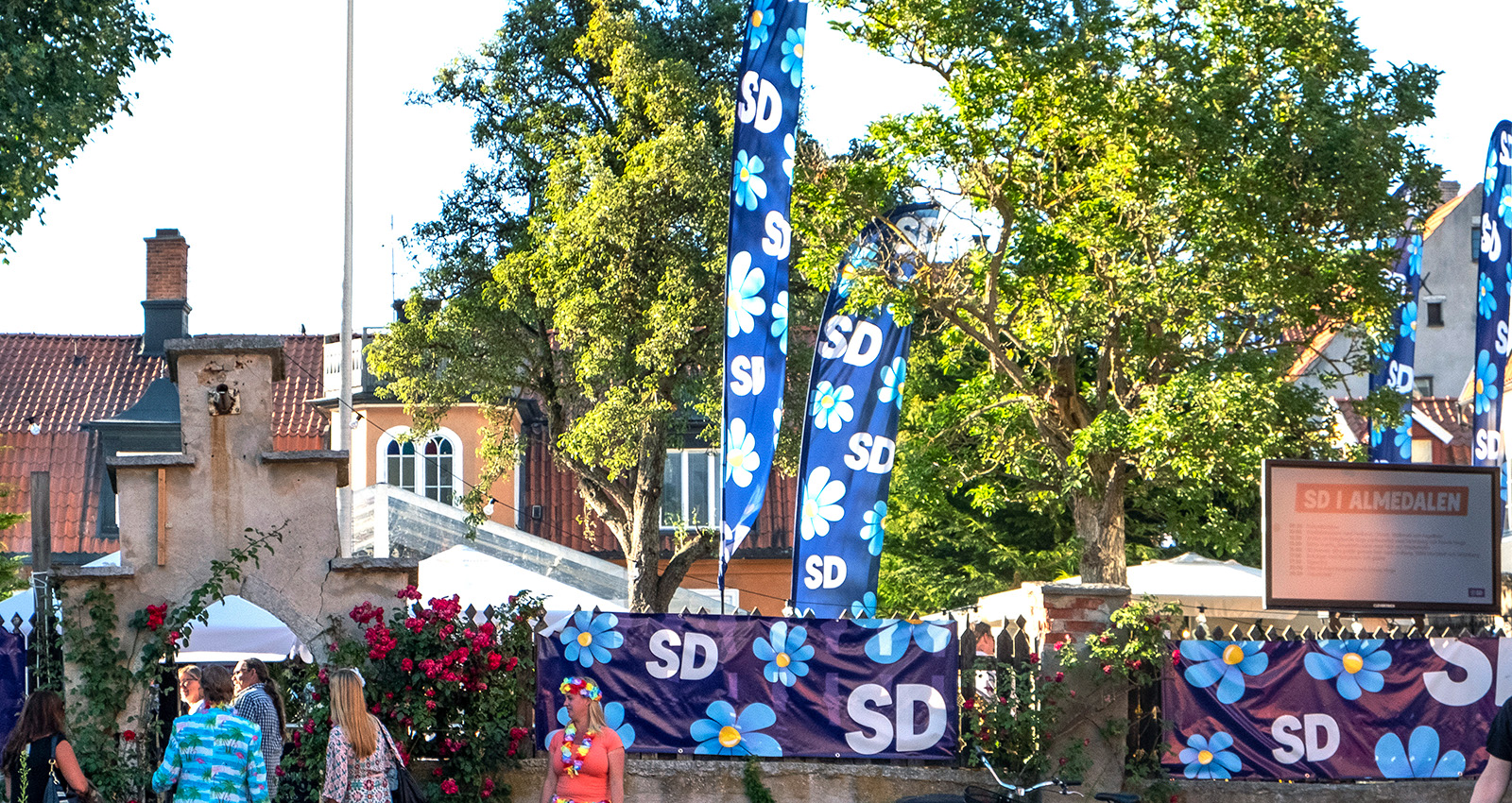
Many right-wing populists are no longer considered outsiders, and are increasingly participating in or supporting governments. Yet many voters may still not perceive them as being similar to other parties. Niklas Bolin examines the enduring impact of stigmatisation, and considers how it affects the Sweden Democrats Read more
Sofia Ammassari
Sofia Ammassari argues that grievances are important in understanding why people join populist radical-right parties, but so is political efficacy – the belief that one can influence politics. We shouldn't think of members of these parties only as angry and disaffected citizens; they can be pro-active and efficacious, too Read more
Juliana Chueri
Juliana Chueri writes that radical right parties are transforming the welfare state, by creating a moral separation between the ‘deserving’ and the ‘undeserving’. This secures benefits to working nationals, while leaving unprotected immigrants and the long-term unemployed Read more
Mattia Zulianello
Mattia Zulianello and Petra Guasti explore and rebut three die-hard myths about populism. This, they argue, on the one hand guards against overestimating populism as a phenomenon. On the other, it warns that we must not underestimate the political strength of the so-called populist radical right Read more
Massimo D'Angelo
On 21 October 2022, Giorgia Meloni became the first female Italian Prime Minister. She is also the head of the most right-wing government in the history of the Republic. Massimo D’Angelo explores the implications for Italy’s foreign policy and European outlook, as well as the lure of authoritarianism in some European governments Read more
Orlaith Rice
Frustration with integration policy and fear of crime, two issues which Swedish political rhetoric and public opinion increasingly conflates, fuels the Sweden Democrats’ onward journey into mainstream politics. Orlaith Rice considers where SD sits under labels of populism and illiberalism Read more
Gefjon Off
The Swedish elections show that even the most liberal democracies are not immune to the rise of illiberal forces. Gefjon Off discusses the role of normalisation of the radical right, young men’s conservatism, and online mobilisation Read more
We use necessary cookies to make our site work. We'd also like to set analytics cookies that help us make improvements by measuring how you use the site. These will be set only if you accept.
▼
Strictly Necessary Cookies
Necessary cookies enable core functionality such as security, network management, and accessibility. You may disable these by changing your browser settings, but this may affect how the website functions.
▼
Analytics Cookies
Google Analytics
We'd like to set Google Analytics cookies to help us improve our website by collecting and reporting information on how you use it. The cookies collect information in a way that does not directly identify anyone. For more information on how these cookies work please see our Privacy Notice.