Luca Manucci
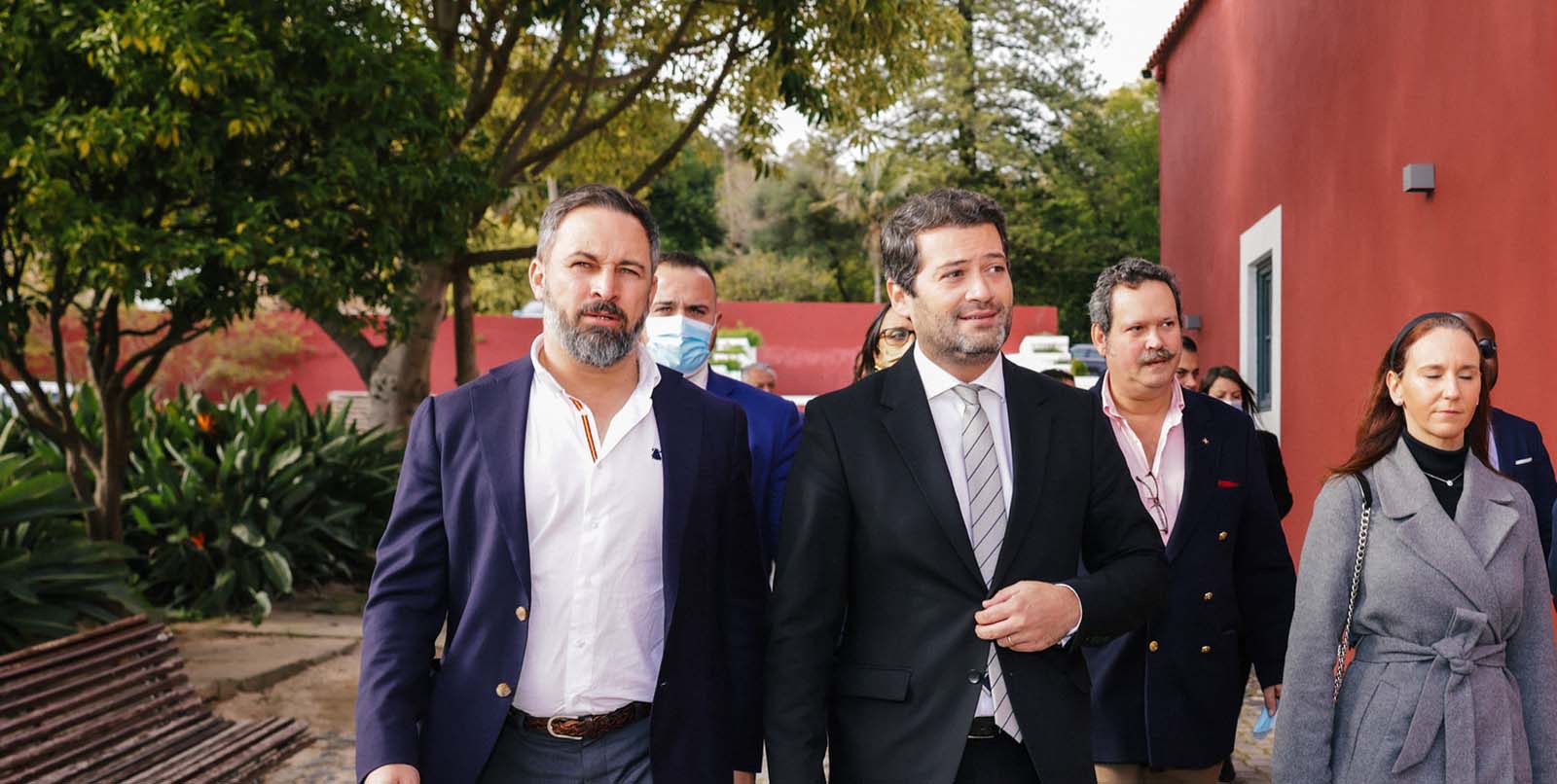
A fascist zeitgeist has replaced the populist one. Luca Manucci explains how, to attract voters, the contemporary far right exploits a widespread saudade for the authoritarian past. The firewall has fallen, the stigma has gone, and the Iberian countries are no longer ‘exceptional’ Read more
Michal Rahimi
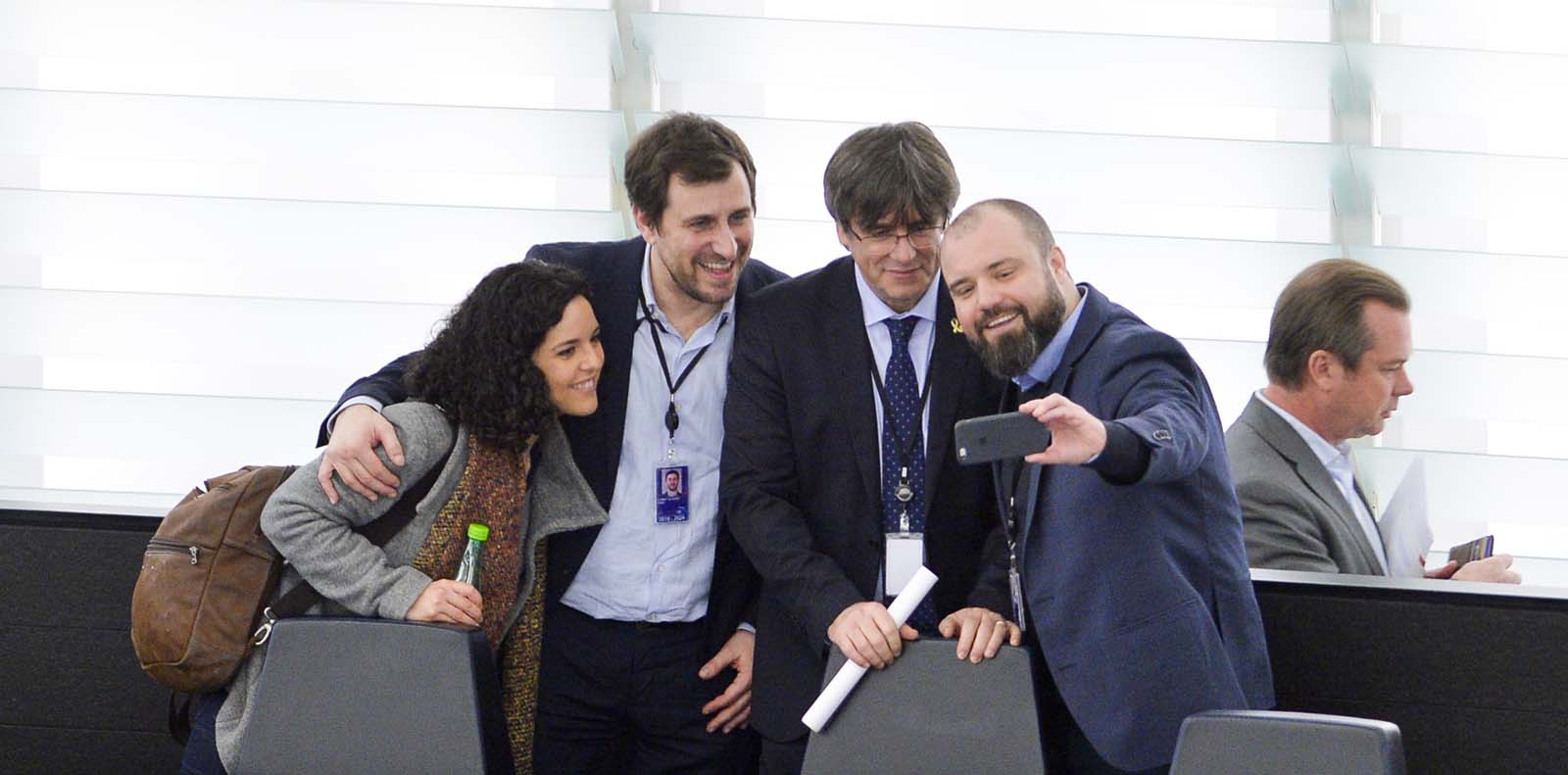
After settling into self-imposed exile in Belgium, Catalan separatist leader Carles Puigdemont had appeared to defy political gravity. That fortuitous era is ending. Explaining his decline, Michal Rahimi predicts the 2027 Spanish general election will deliver the final verdict Read more
Tomas Caprara
The European Union is missing a strategic opportunity to expand its Northern borders, says Tomas Caprara. Before the August referendum in Iceland, Brussels should show openness towards exceptions on fisheries, the thorniest issue for the Union’s Northern neighbours Read more
Romain Biesemans
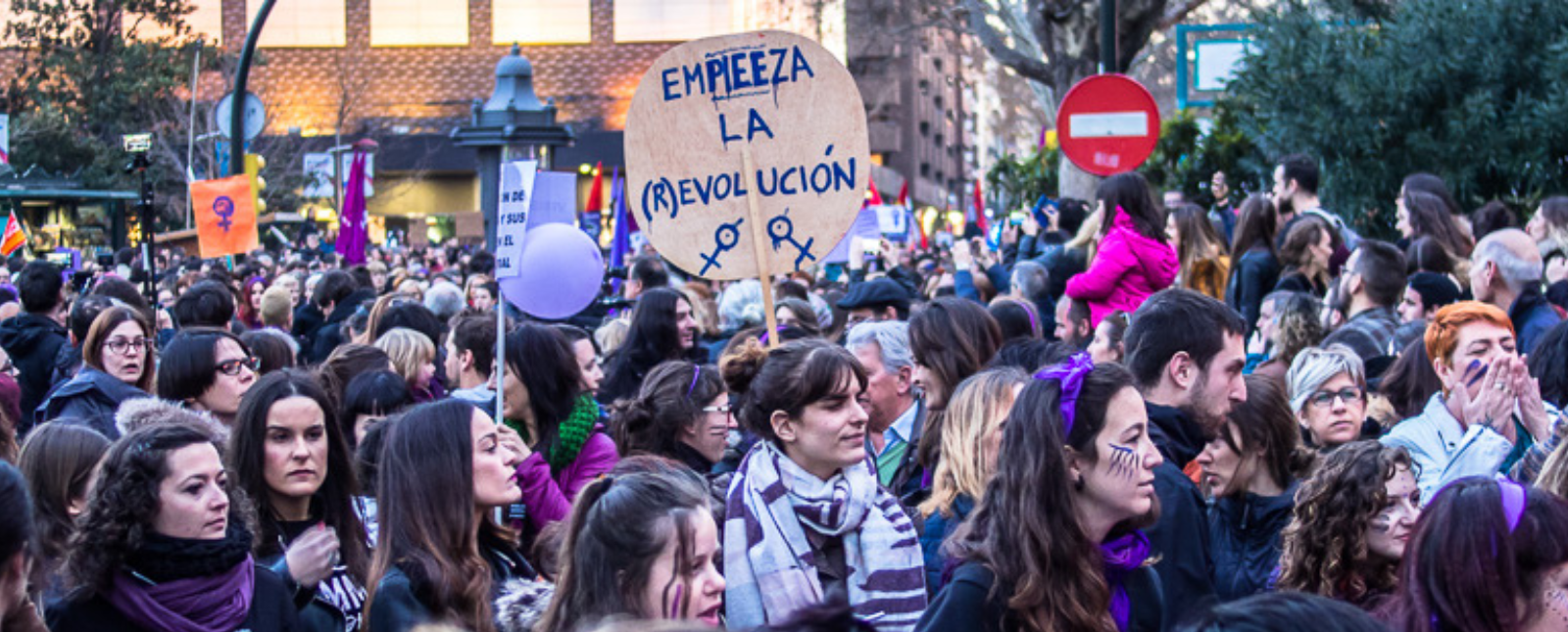
Reactionary gender politics are not the preserve only of the far right. Through a comparison between Belgium and Spain, Romain Biesemans and Archibald Gustin show how conservative and far-right parties converge in their opposition to gender equality Read more
Marta Kołczyńska
Political trust can shape the trajectory of democracy writes Marta Kołczyńska, but its effects are conditional, uneven, and increases in trust may sometimes even be conducive to democratic decline rather than renewal Read more
Maya Ikene
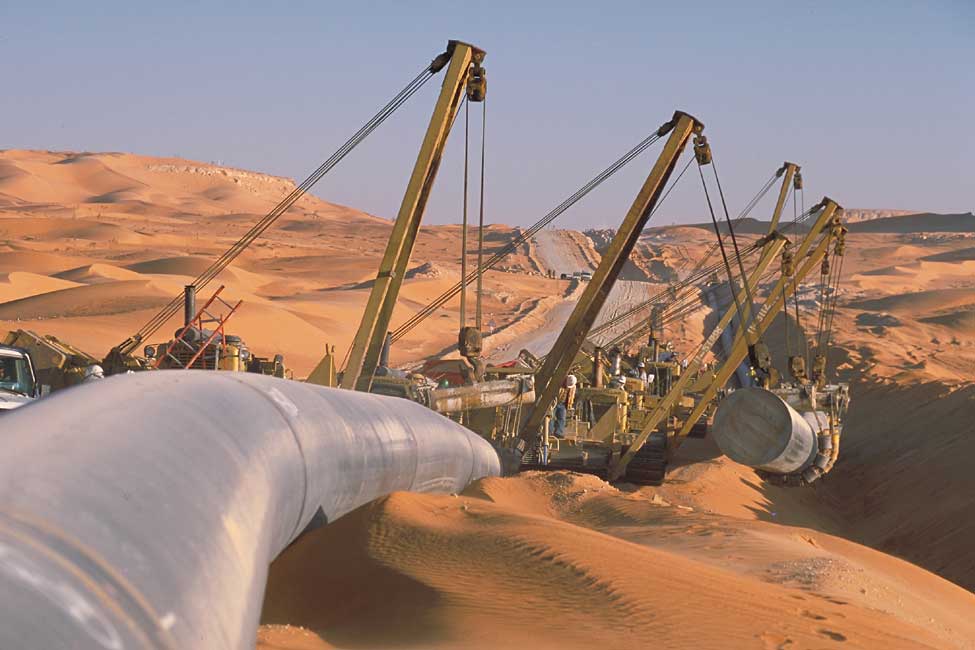
Maya Ikene argues that the Iran war is not just disrupting gas markets, but redrawing Europe's energy alliances. As Italy and Spain both rushed to buy Algerian gas, the scramble reveals an uncomfortable truth: the green transition is underway, but not fast enough to prevent the next crisis Read more
Evelina Staykova
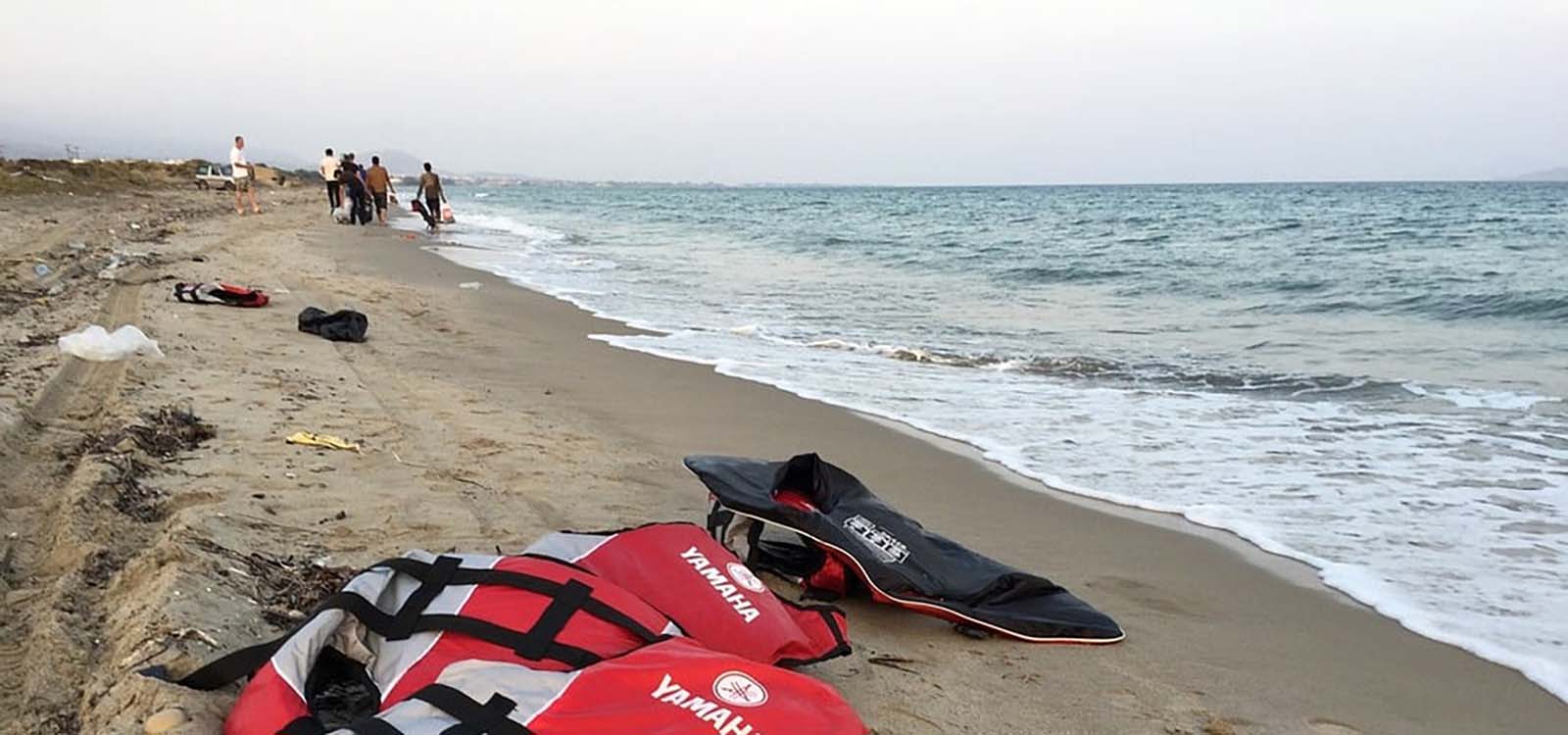
A new Pact on Migration and Asylum is gradually coming into force. As it does so, Evelina Staykova and Ildiko Otova examine its solidarity mechanism, a central — but not new — element of EU migration policy. While the mechanism holds potential for positive change, it also carries significant risks Read more
Francisco Javier Romero Caro
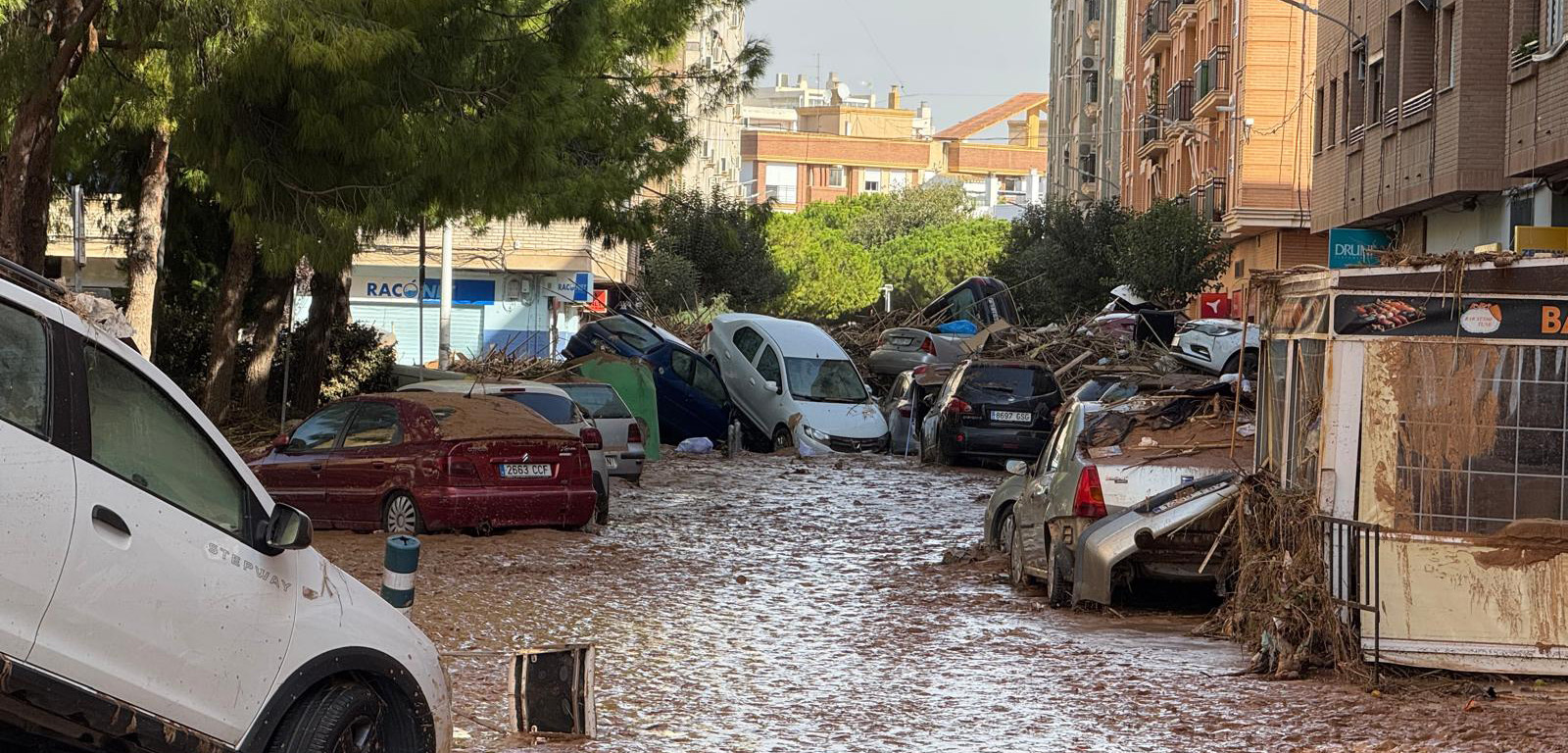
Many regarded the coronacrisis as a shock that would reshape the management of public life, improving Spain's preparedness for future crises. But Francisco Javier Romero Caro explains how, in their disastrous handling of recent floods in Valencia, Spanish politicians seemed to have forgotten the lessons learned during the pandemic Read more
We use necessary cookies to make our site work. We'd also like to set analytics cookies that help us make improvements by measuring how you use the site. These will be set only if you accept.
▼
Strictly Necessary Cookies
Necessary cookies enable core functionality such as security, network management, and accessibility. You may disable these by changing your browser settings, but this may affect how the website functions.
▼
Analytics Cookies
Google Analytics
We'd like to set Google Analytics cookies to help us improve our website by collecting and reporting information on how you use it. The cookies collect information in a way that does not directly identify anyone. For more information on how these cookies work please see our Privacy Notice.