Dmytro Panchuk
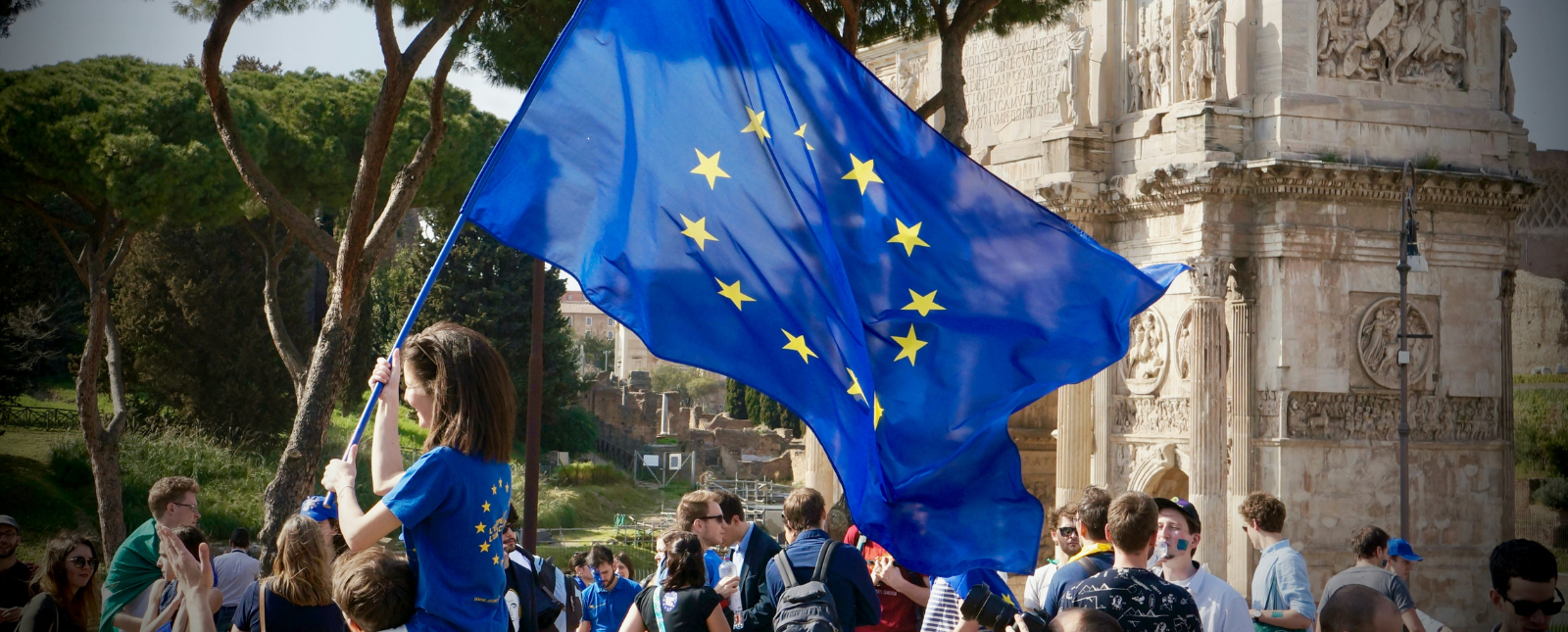
Russian aggression in Ukraine triggered a surge in support for EU enlargement — but public goodwill is beginning to fade. Dmytro Panchuk argues that this moment of elite-public alignment is rare and fragile. To seize it, EU leaders must act decisively before war fatigue and populist rhetoric erode the case for widening Read more
July Decarpentrie
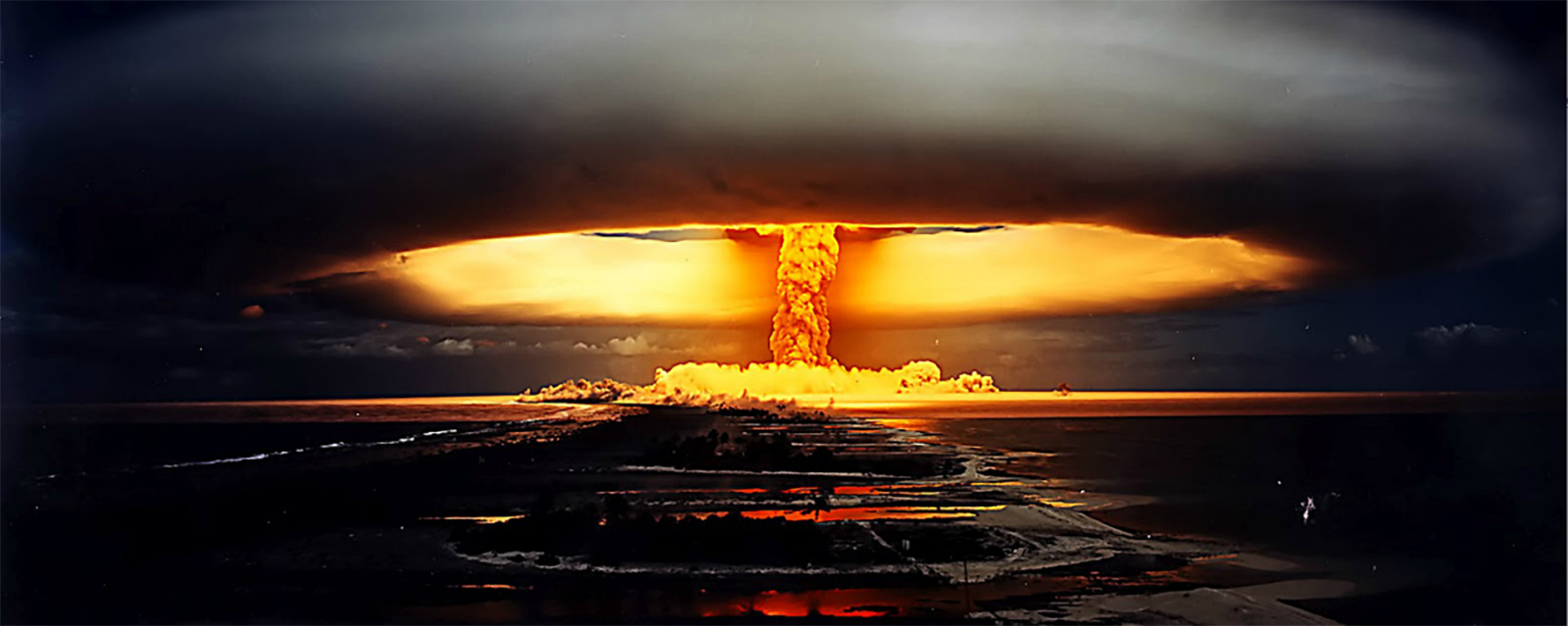
Think Paris agrees on how to handle its nuclear weapons? You are mistaken. July Decarpentrie examines French nuclear strategic debate from 1972 to the present. She argues that what appears to be a continuous doctrine is in fact shaped by ongoing debates to ensure its relevance over time and across changing geopolitical contexts Read more
Mahmoud Javadi
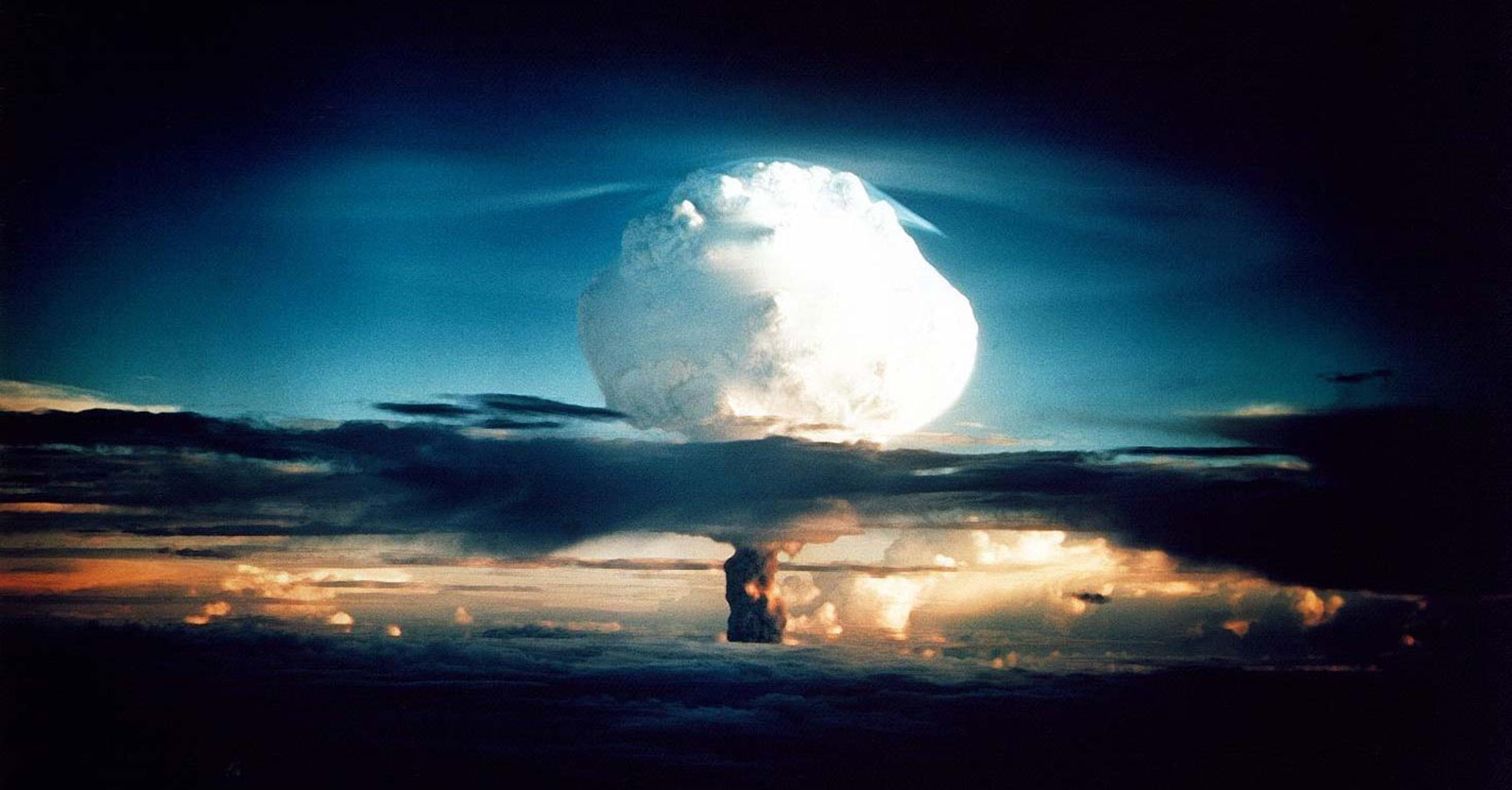
Mahmoud Javadi examines the paradox of nuclear politics as peacekeepers and existential threats. Exploring disarmament efforts, technological disruptions and global rivalries, he reimagines pathways beyond this precarious balance, towards lasting stability Read more
Aly Verjee
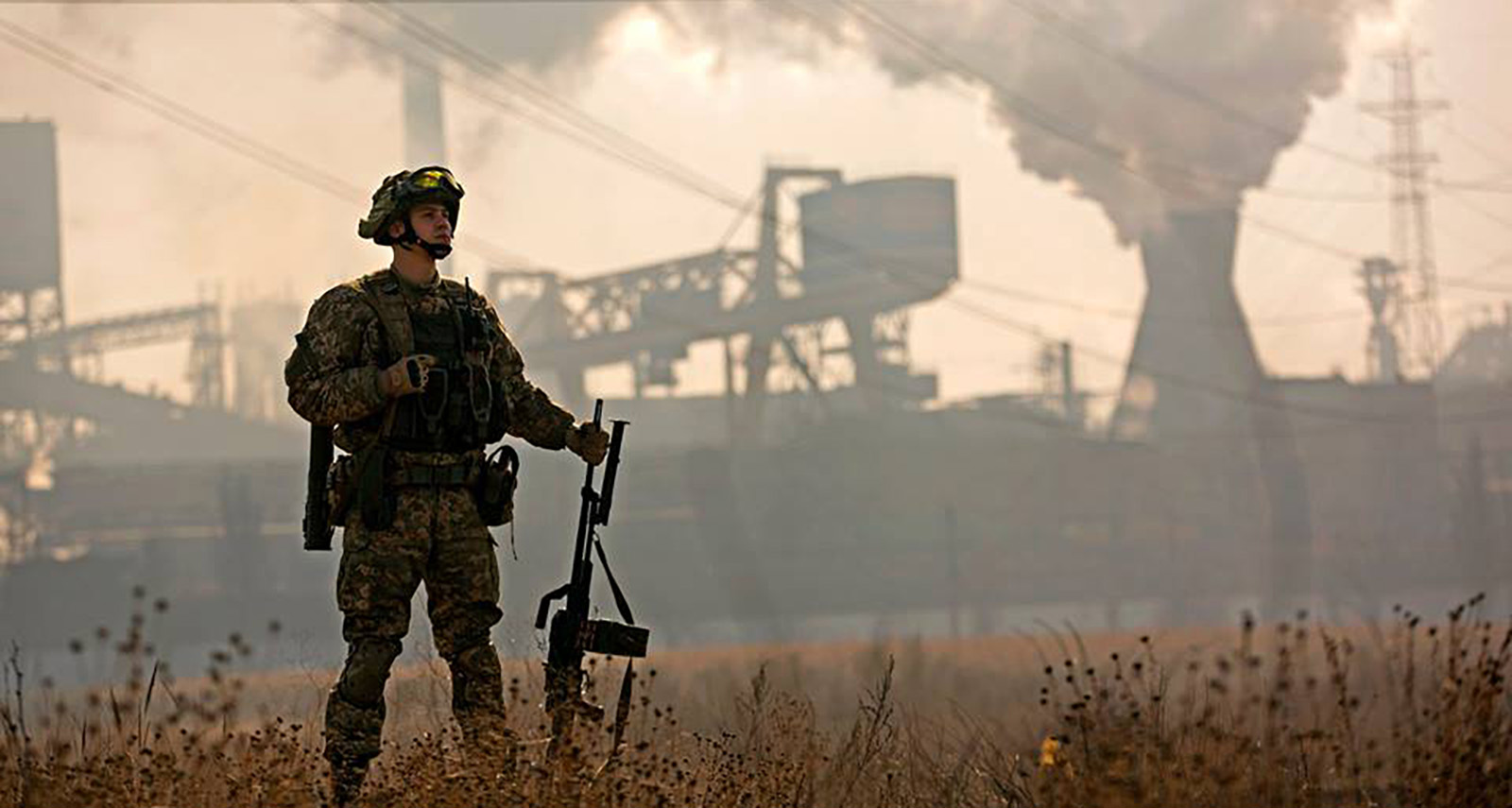
Aly Verjee and Valerie Sticher argue that an international monitoring mission could bolster a ceasefire. But any new ceasefire faces serious challenges, and will hold only if all parties heed the experience of past monitoring efforts in eastern Ukraine Read more
Ümit Seven
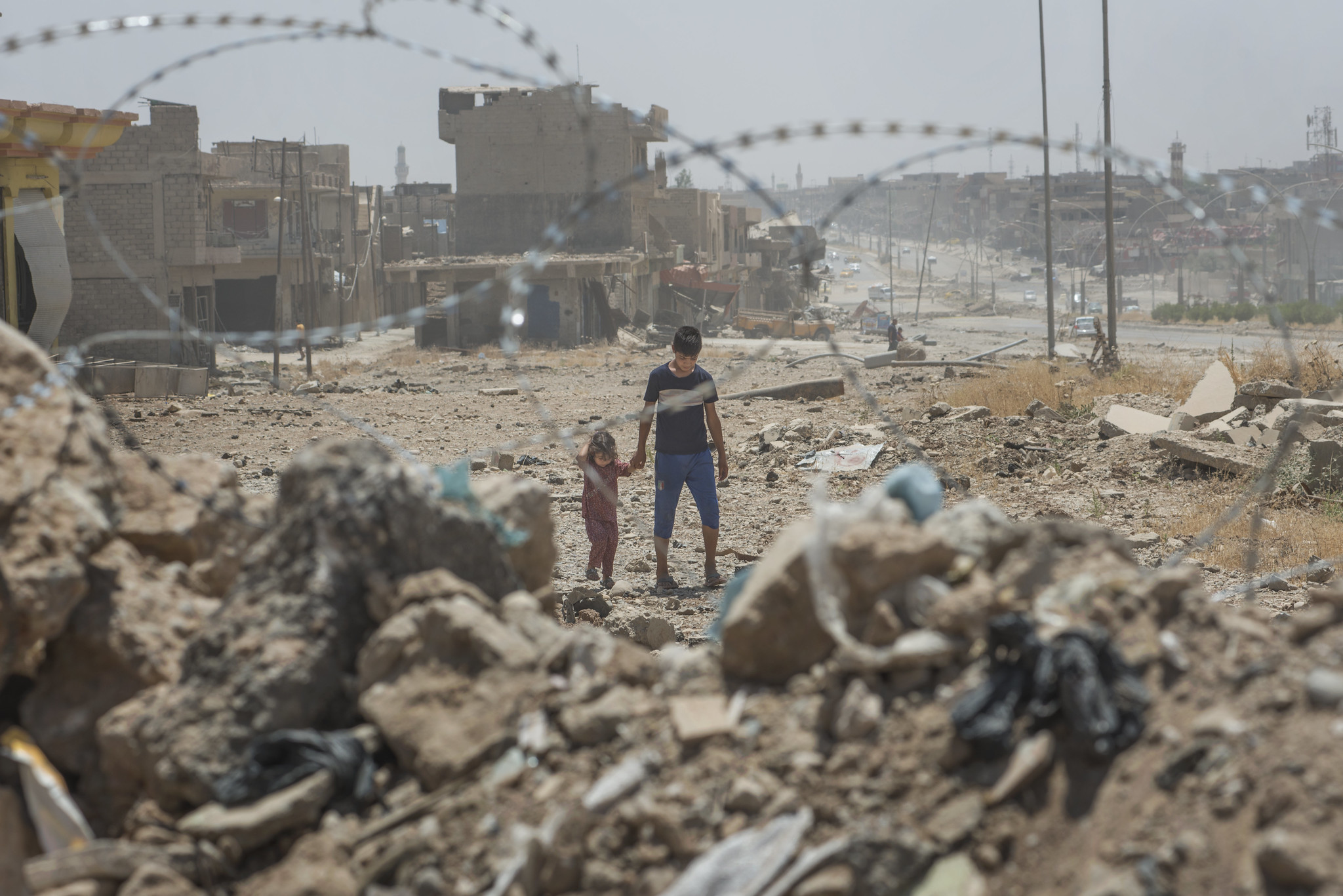
Syrian refugees face multiple challenges in returning to their homeland. The threat of violence may have ended, but the destruction of infrastructure, along with social and economic instability, make return unlikely. Ümit Seven shows how prolonged displacement has led many Syrians to rebuild their lives elsewhere. Many, he argues, have created a 'pragmatic home' in host countries Read more
Francesco Foti
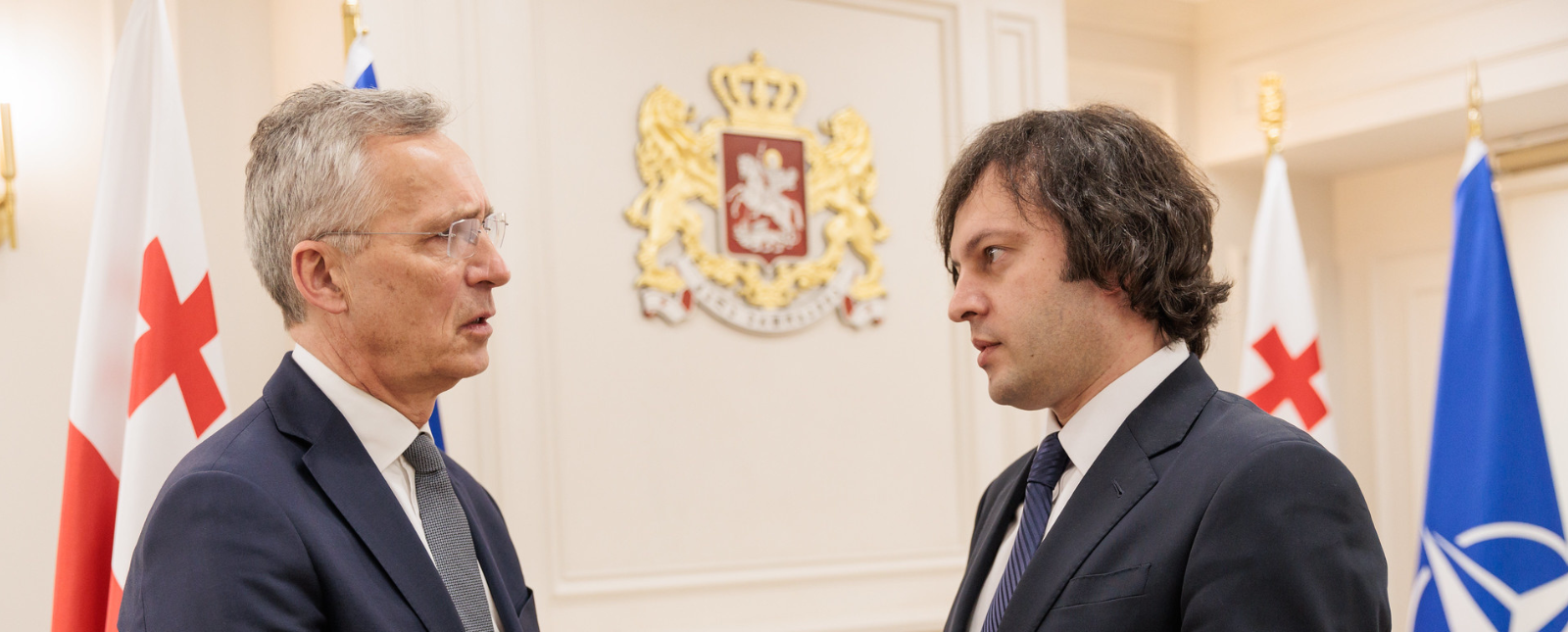
The West is failing to invest against Russian encroachment in Georgia, choosing instead to break relations. Francesco Foti argues that Western disengagement will prove a serious obstacle to Georgia realigning with the West. Read more
Tom Johansmeyer
Russia’s national security strategy shows a change in tone on the issue of foreign technology – from self-reliance to reluctant re-engagement. This, argues Tom Johansmeyer, may not affect the war but could feed a stable peace afterwards. Read more
Loqman Radpey
As we pass the anniversary of the 7 October Hamas attacks, it is crucial we examine the deeper roots of the ongoing crisis in the Middle East. The US Freedom Agenda, designed to promote democracy in the region, has instead created instability. Loqman Radpey reveals how misinterpretations of Middle Eastern dynamics pose profound challenges to peace and security. Read more
We use necessary cookies to make our site work. We'd also like to set analytics cookies that help us make improvements by measuring how you use the site. These will be set only if you accept.
▼
Strictly Necessary Cookies
Necessary cookies enable core functionality such as security, network management, and accessibility. You may disable these by changing your browser settings, but this may affect how the website functions.
▼
Analytics Cookies
Google Analytics
We'd like to set Google Analytics cookies to help us improve our website by collecting and reporting information on how you use it. The cookies collect information in a way that does not directly identify anyone. For more information on how these cookies work please see our Privacy Notice.