Oana-Cosmina Mihalache
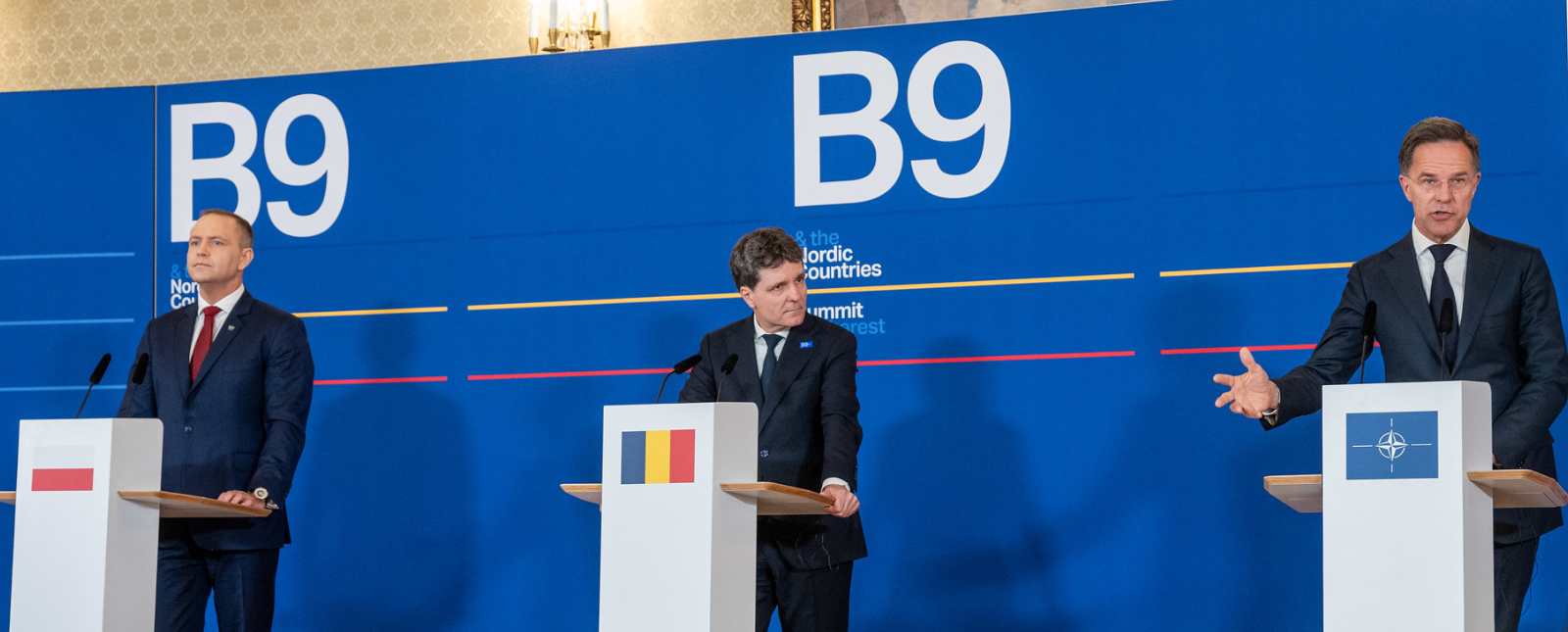
On 13 May 2026, Bucharest hosted the Summit of the Bucharest Nine (B9) and the Nordic countries. Oana-Cosmina Mihalache argues that the reunion’s outcome was indicative of the format’s role in the architecture of European defence cooperation Read more
Fulvio Attinà
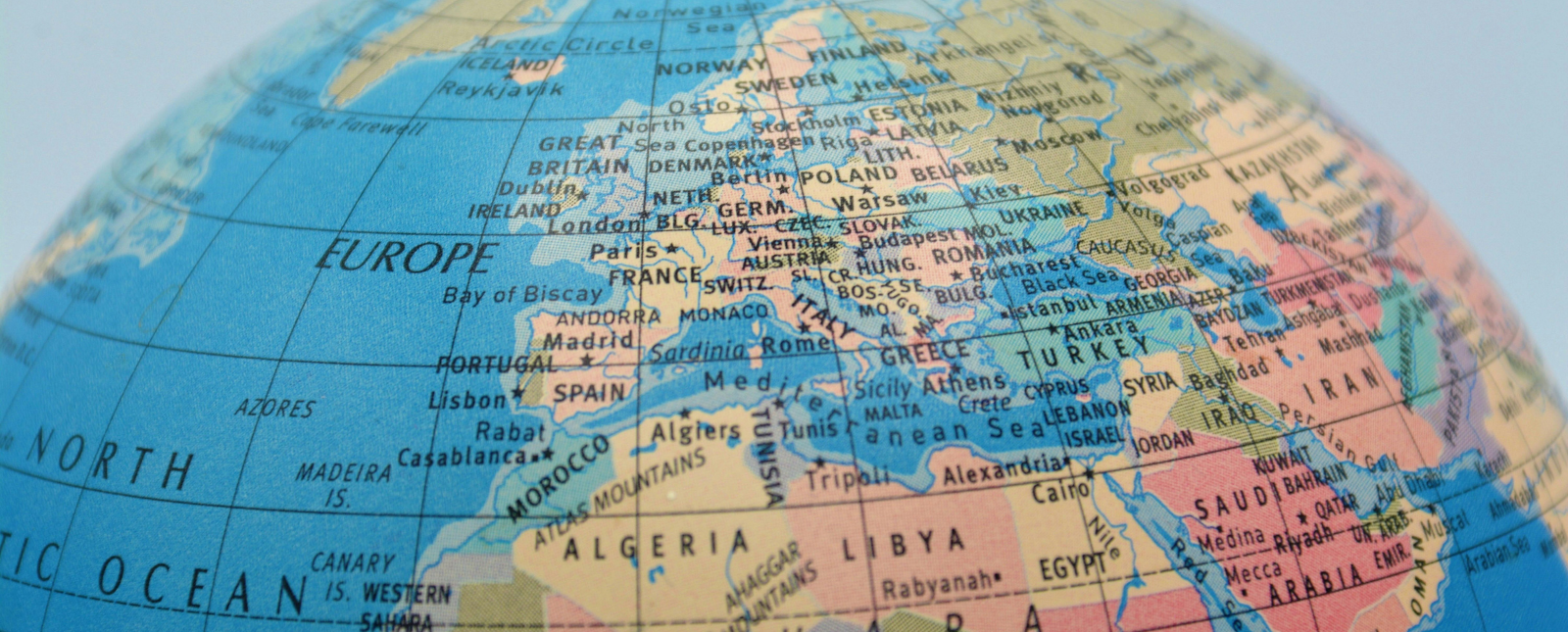
Why do regime-change wars re-emerge when global order is under strain? As multilateral institutions lose effectiveness and legitimacy, Fulvio Attinà argues that states are increasingly turning to unilateral or coalition-based force. Interventions such as those in Iraq, Libya, Ukraine, and Iran reflect not isolated crises, but a deeper process of coalition reconfiguration during systemic transition Read more
Roza Roovers
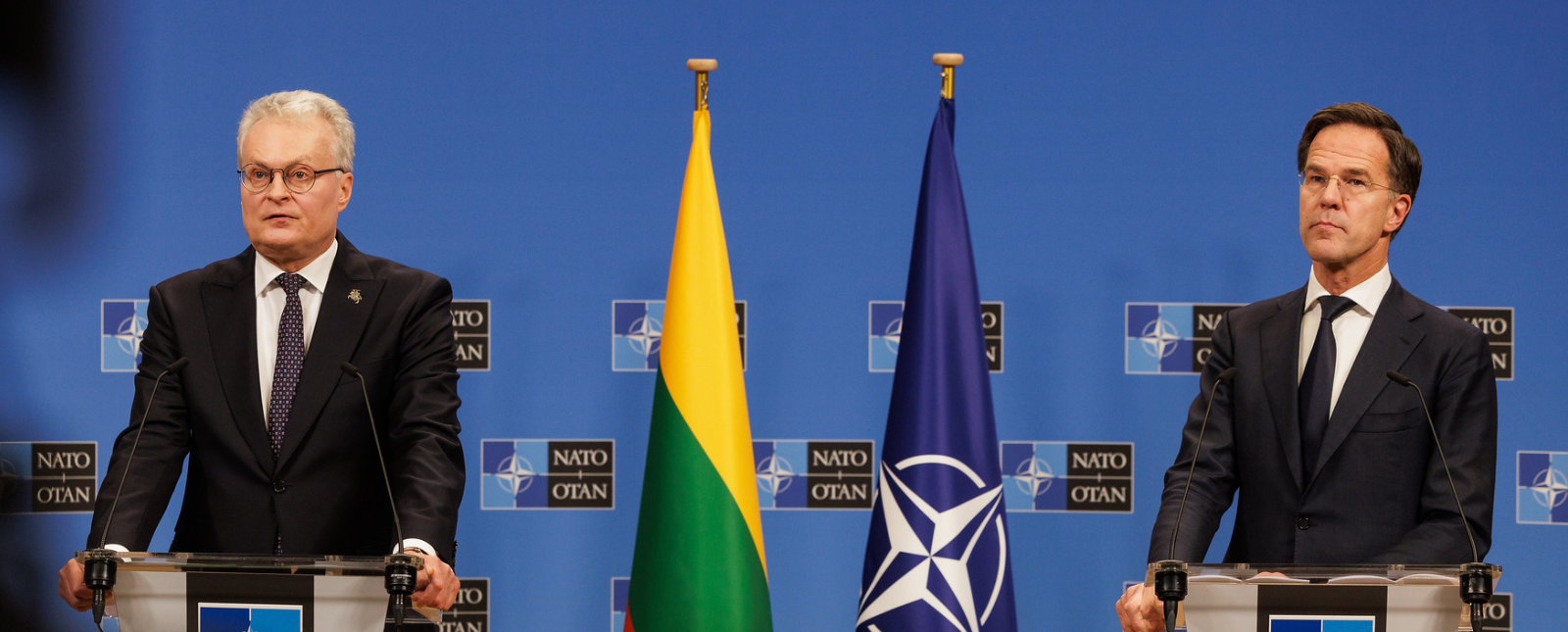
On 28 January 2026, Roza Roovers, Hassan Naderi Far and Gigi Maria Massaro spoke with Lithuanian security expert Margarita Šešelgytė. With global power balance in flux, Šešelgytė suggests that many traditional assumptions in international relations theory no longer explain today’s security environment Read more
Elif Davutoğlu
AI companies often present their technologies as politically neutral. But as frontier models become intertwined with national security strategies, neutrality is giving way to a new reality: AI as a core instrument of state power, writes Elif Davutoğlu Read more
Soumi Banerjee
Tech leaders compare AI’s electricity demand to the energy needed to ‘train a human’. In doing so, they judge people and server racks by the same dehumanising efficiency metric. Soumi Banerjee and Mo Hamza explain how this logic is most brutally realised in planetary AI supply chains; in the hidden work that makes 'intelligent' machines seem autonomous Read more
Andrew Richard Ryder
Andrew Richard Ryder argues that Trump is intent on political vandalism that will undermine the postwar rules-based international order. That order may not have been perfect, but Trump's administration desires a return to interwar dog-eat-dog expansionism and virulent nationalism. Forthcoming elections in Hungary in April, and the USA in November, represent an important opportunity to thwart these regressive ambitions Read more
Konstantin Schendzielorz
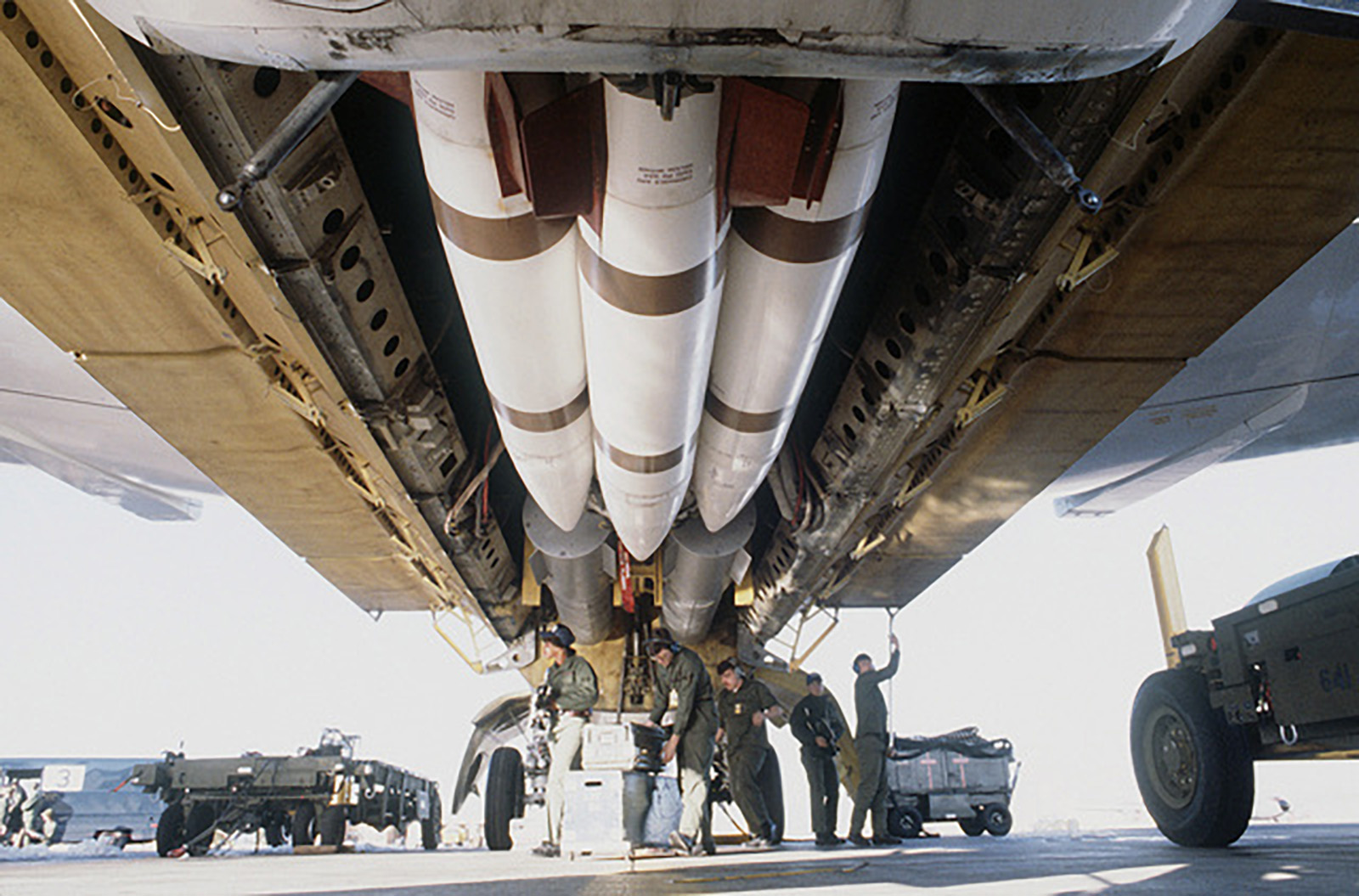
Deterrence is back — but not as we knew it. Once a strategy of nuclear restraint, the term is now being stretched to justify aggressive military actions, at home and abroad. Konstantin Schendzielorz argues that, as meanings shift, so do red lines. The nuclear umbrella may be turning into a very real sword Read more
Sibei Sun
The Trump administration is advancing an illiberal Atlanticism that reimagines the West in manners similar to how Putin imagines Eurasia. Sibei Sun dissects the uncanny parallels between the two geopolitical doctrines and what it all means for future transatlantic relations Read more
We use necessary cookies to make our site work. We'd also like to set analytics cookies that help us make improvements by measuring how you use the site. These will be set only if you accept.
▼
Strictly Necessary Cookies
Necessary cookies enable core functionality such as security, network management, and accessibility. You may disable these by changing your browser settings, but this may affect how the website functions.
▼
Analytics Cookies
Google Analytics
We'd like to set Google Analytics cookies to help us improve our website by collecting and reporting information on how you use it. The cookies collect information in a way that does not directly identify anyone. For more information on how these cookies work please see our Privacy Notice.