Varvara Prodai
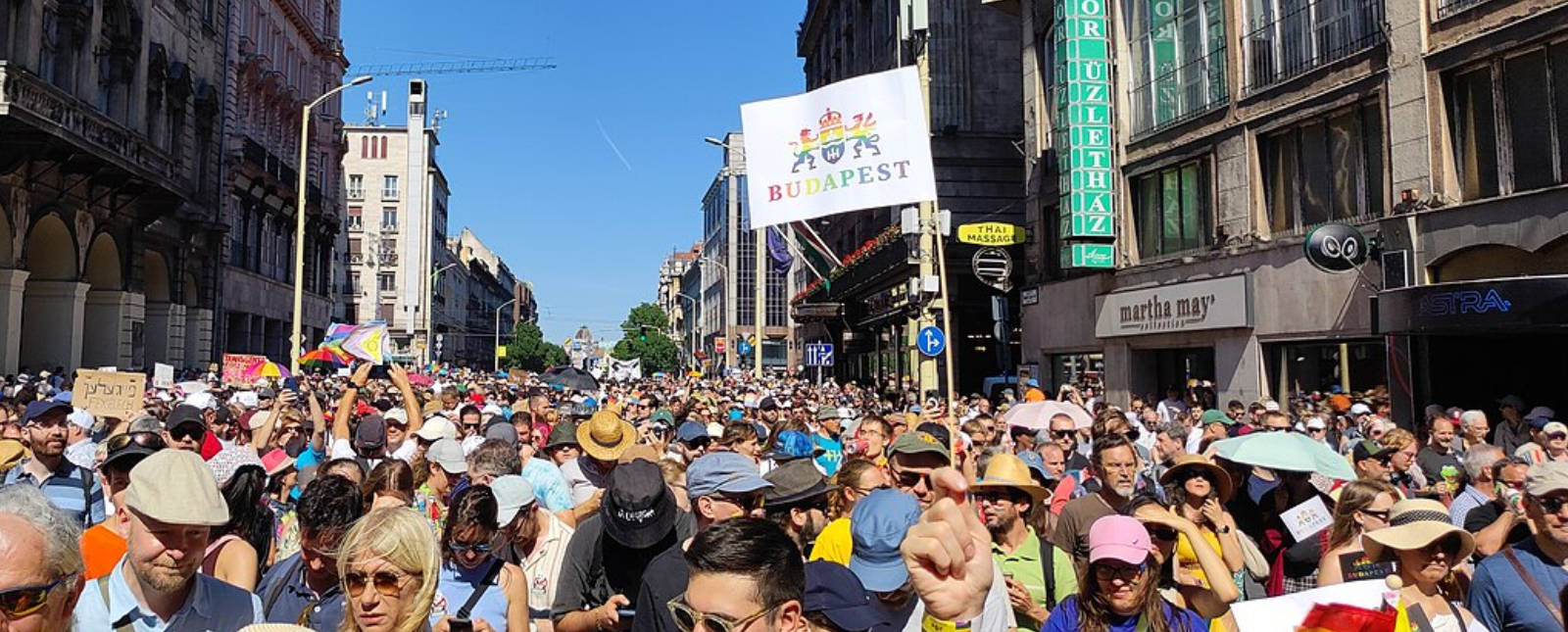
Hungary’s government recast Budapest Pride as a danger to children and national security, then banned the 2025 march. Varvara Prodai’s data show that the 'security threat' framing spiked in Hungarian, while English-language messaging remained legalistic, revealing a two-track playbook that weakens minority rights and narrows civic space Read more
Zeenat Sabur
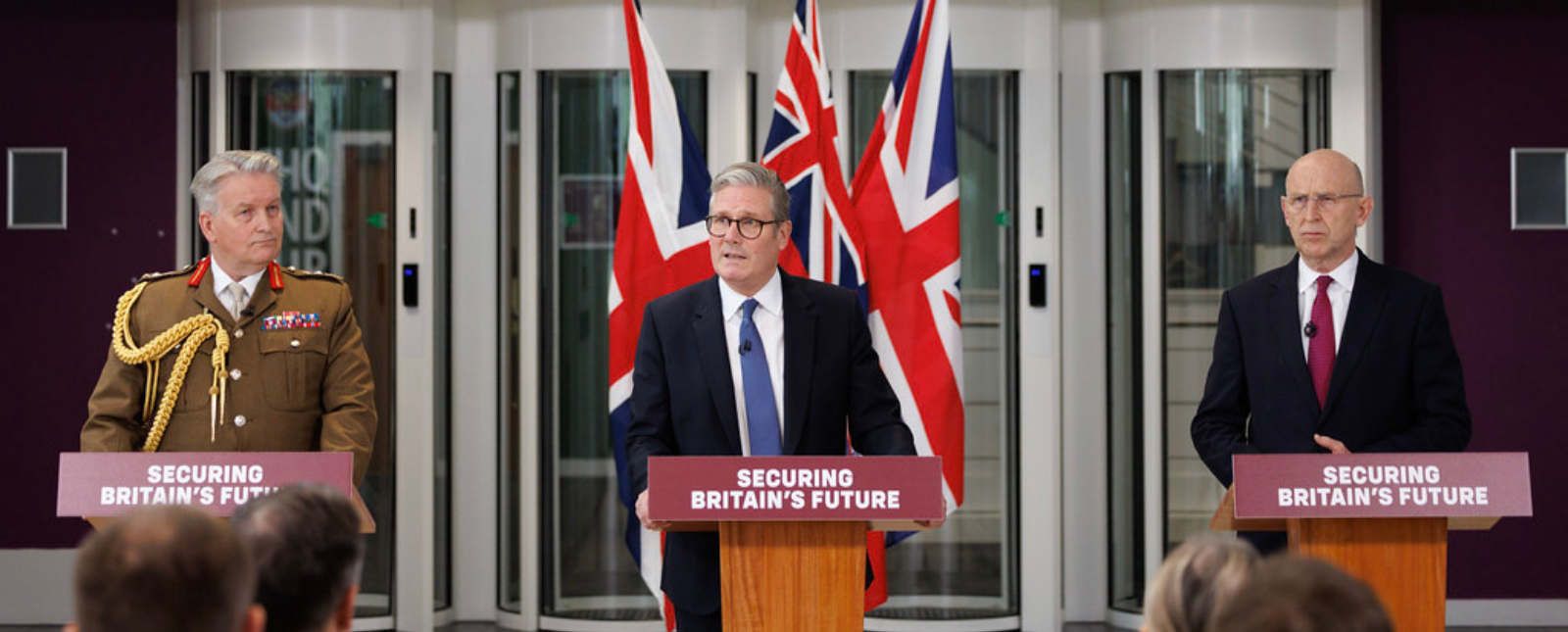
Keir Starmer’s speeches before and after the release of the UK's Strategic Defence Review contain narratives that make nuclear strengthening seem prudent and logical. But Zeenat Sabur argues that these narratives are fallacies, that if poked at, alert us to the insecurity to which nuclear posturing leads us Read more
Nadeem Ahmed Moonakal
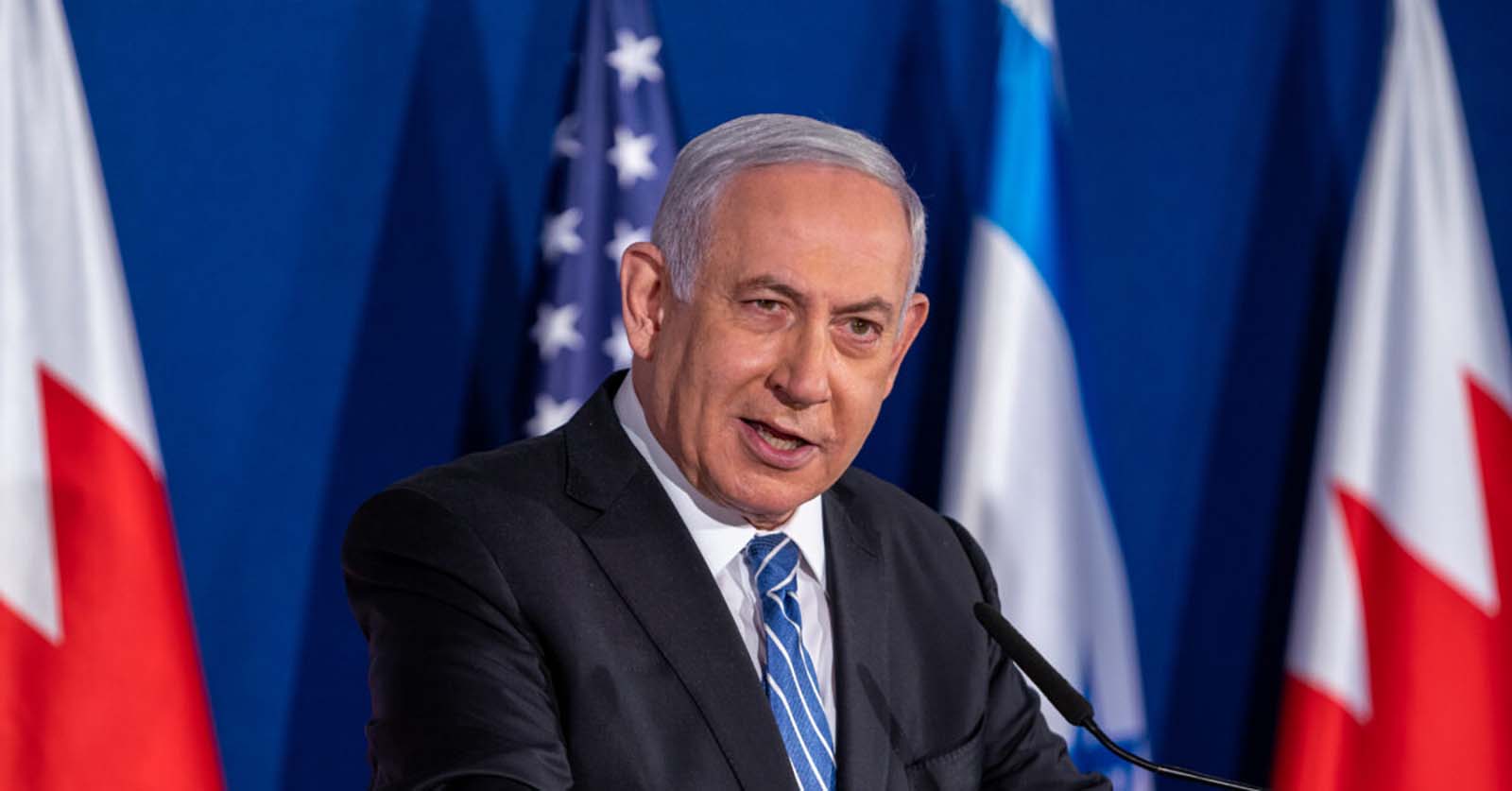
The security situation in the Middle East reflects the hard realities of power struggle and the implications of the quest for regional hegemony. Nadeem Ahmed Moonakal shows how Israel is exploiting instability to entrench dominance, while Iran’s projected restraint masks deep vulnerabilities. With the US’ ambiguous approach adding to tensions, the space for long-term stability is shrinking Read more
Amélie Jaques-Apke
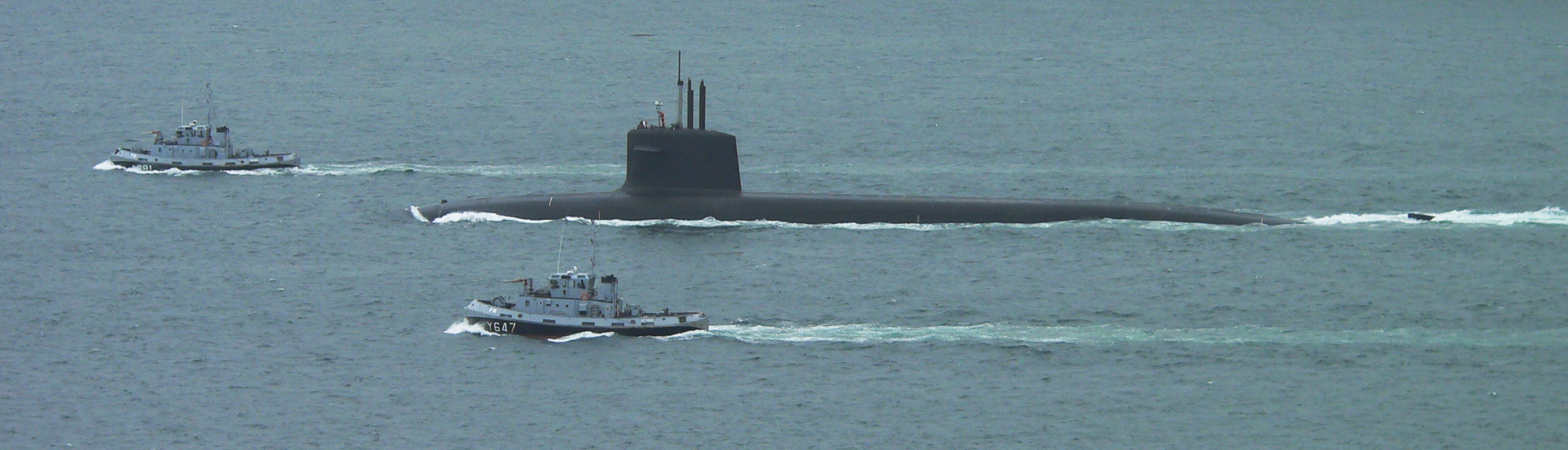
Are we nearing a new incarnation of the French vision of a Gaullist Europe? Focusing on strategic autonomy, nuclear deterrence, coalitions of the willing, threat perception, and defence capability, Amélie Jaques-Apke examines the strategic dilemmas, and conceptual and operational deficiencies, in European defence policy Read more
Tom Johansmeyer
Tom Johansmeyer contends that the damage NotPetya caused in Ukraine is much smaller than many believe. A closer look at the $560 million in harm caused by that infamous cyber attack suggests that cyber attacks may only be of limited effectiveness. This, he argues, changes how cyber sits in the security environment Read more
Yunus Poblome
Right-wing populism has gone beyond the nation state. Analysing JD Vance’s speech at the Munich Security Conference earlier this year, Yunus Poblome describes how US foreign policy under Trump depicts Europe as being led by a corrupt elite which refuses to listen to its conservative people. This, he argues, further legitimise Europe’s own right-wing populists Read more
Jonathan Roll
International Relations theory would predict strong opposition from China and Russia to Israel’s assault on Iranian military and nuclear sites. In practice, says Jonathan Roll, other considerations got in the way, and the role of both powers has been minimal. This suggests US influence may be more durable than expected Read more
Sezen Kaya Sönmez
Turkey's proposed new waterway, 'Canal Istanbul', would connect the Black Sea with the Sea of Marmara. Sezen Kaya Sönmez describes how the project is about more than just transport, but has geopolitical, ecological, and climate aspects. Digging a new maritime corridor, she argues, threatens environmental resilience, regional stability, and long-term security Read more
We use necessary cookies to make our site work. We'd also like to set analytics cookies that help us make improvements by measuring how you use the site. These will be set only if you accept.
▼
Strictly Necessary Cookies
Necessary cookies enable core functionality such as security, network management, and accessibility. You may disable these by changing your browser settings, but this may affect how the website functions.
▼
Analytics Cookies
Google Analytics
We'd like to set Google Analytics cookies to help us improve our website by collecting and reporting information on how you use it. The cookies collect information in a way that does not directly identify anyone. For more information on how these cookies work please see our Privacy Notice.