Azher Hameed Qamar
In the run-up to Sweden's 2026 election, far-right parties treated the hijab as proof that migrants neither belong nor can be assimilated. Azher Hameed Qamar argues that this debate reveals a democratic tension. Does equality demand sameness? Or does it protect participation despite cultural differences Read more
Flora Baumgartner
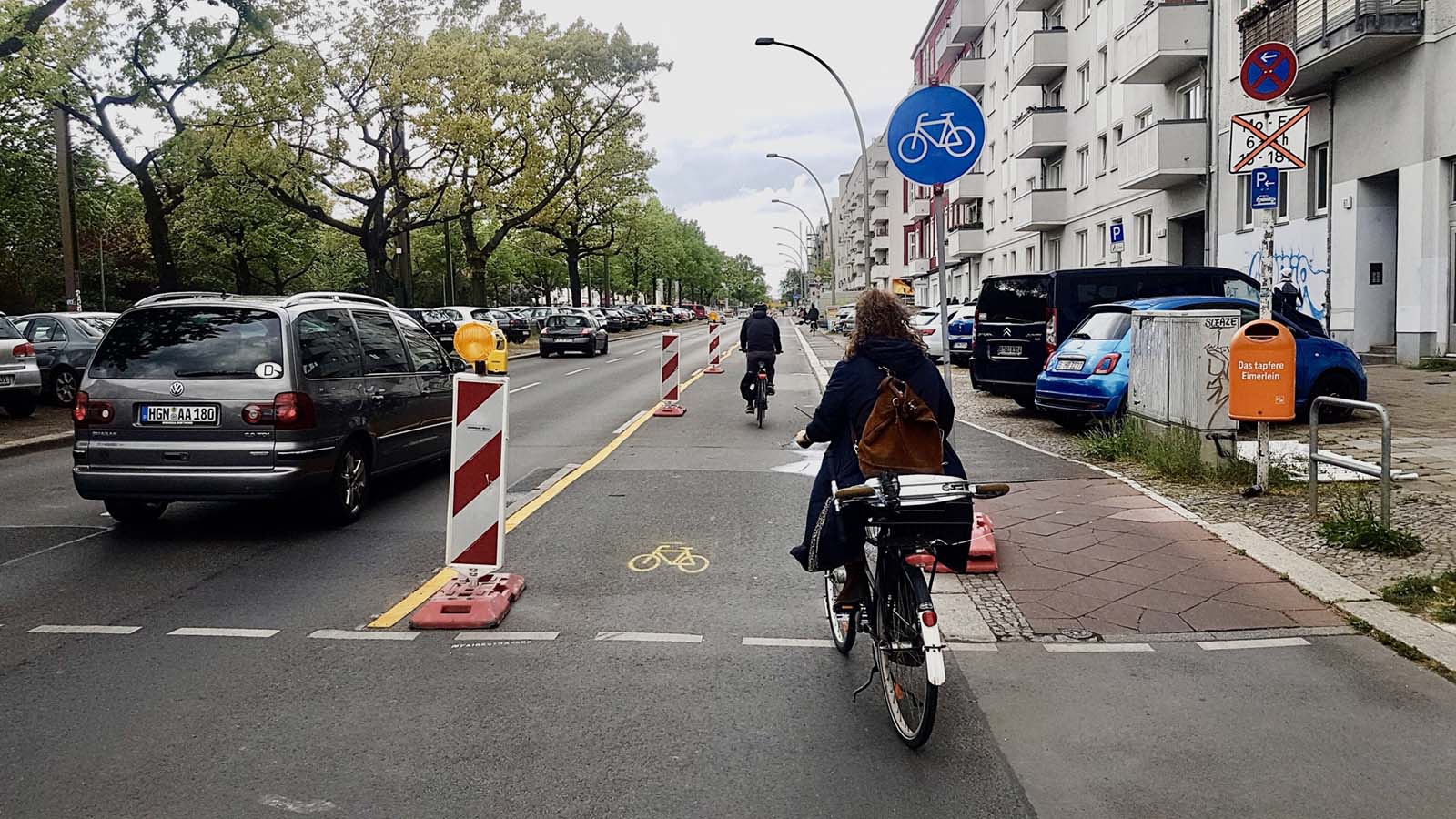
Opposition to sustainable transport projects is growing, because of distributive and identity grievances familiar from broader climate policy. Flora Baumgartner looks at how transport policies are contested locally, and how they act as glue for right-wing parties, locally and at a European level Read more
Anitta Kynsilehto
Chile has elected extreme-right candidate José Antonio Kast as its new president. His victory, argues Anitta Kynsilehto, may reflect a broader process of rewriting political memory in the post-dictatorship era, suggesting that Chileans' memories of 'never again' moments are beginning to fade Read more
Nelson Santos
Nelson Santos, Sofia Serra-Silva, and Tiago Silva analysed voting patterns in Portugal’s parliament. They found that the legislative behaviour of populist radical-right Chega contradicts the party’s anti-system rhetoric. Meanwhile, conflict has reached unprecedented levels in what was historically a consensual parliament Read more
Avery Gozu
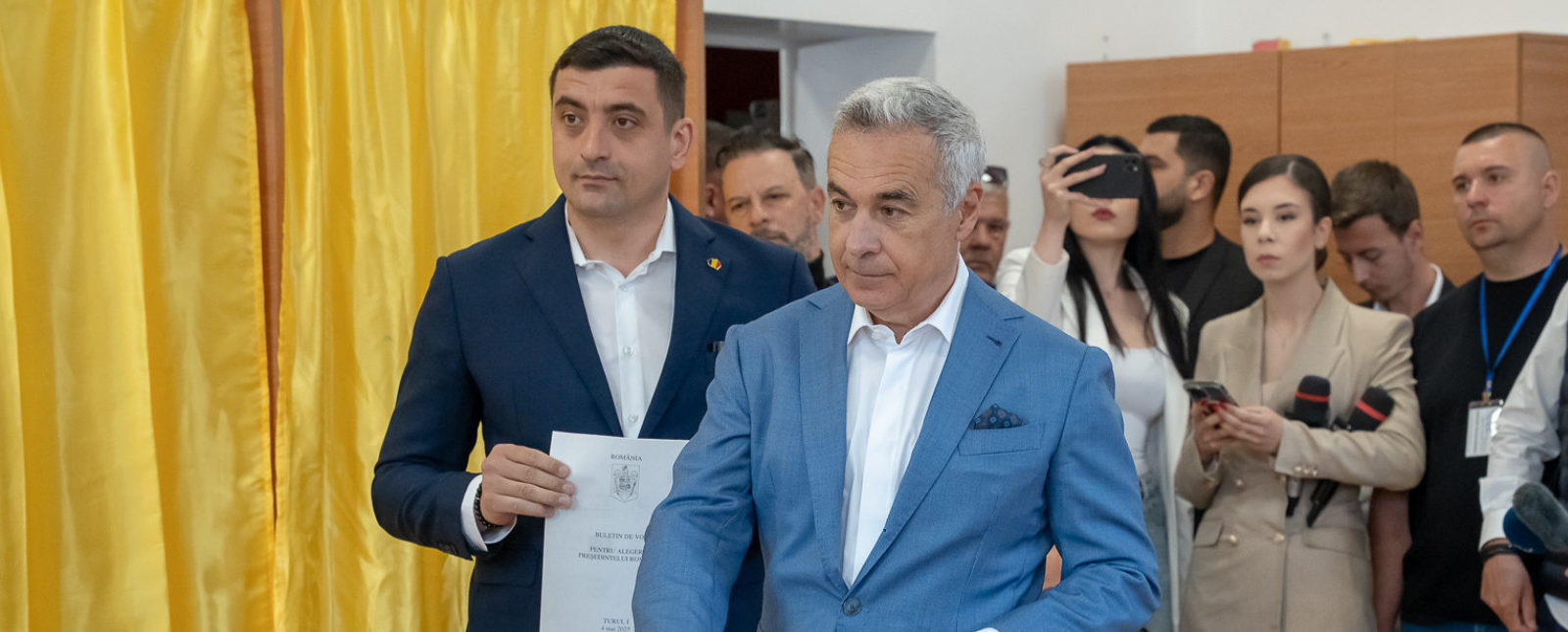
Anti-LGBTQ+ sentiment has surged in Romania, especially since the 2024 presidential elections. Avery Gozu argues that illiberal candidates' weaponisation of homophobia runs deeper than surface-level insults – it is embedded in a socio-cultural web of hetero-nationalism and hegemonic masculinity Read more
Đorđe Milosav
Đorđe Milosav explores how young men are reshaping Europe's political landscape. Drawing on European Election Study data, and based on recent co-authored research, he shows that rising male support for the far right is a generational shift — with potentially serious democratic consequences Read more
Iris B. Segers
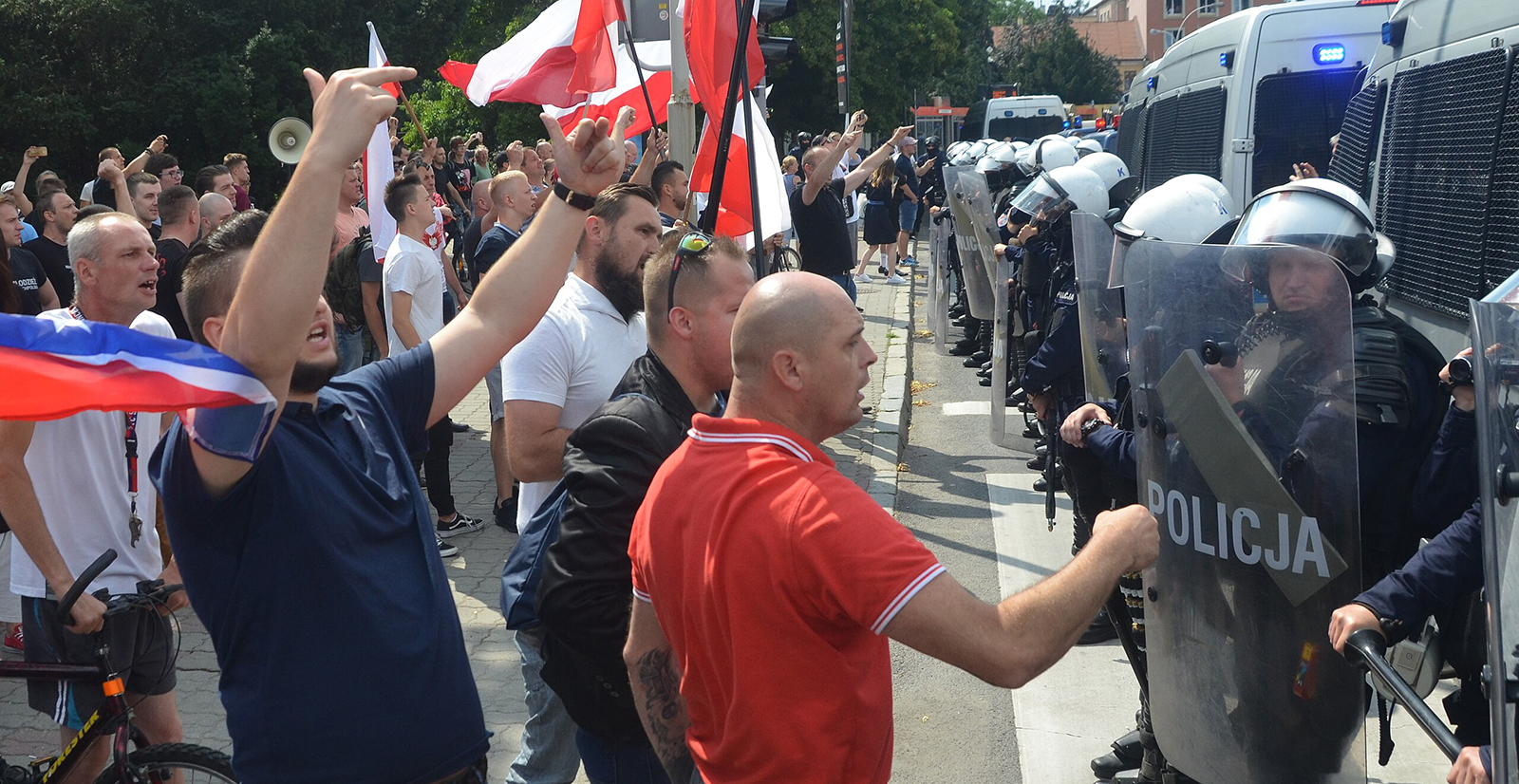
Far-right politicians around the world have mastered the art of epistemic warfare, posing a serious threat to academic freedom. Iris B. Segers reflects on the challenges of feminist resistance to a bizarre political reality rife with lies Read more
Ankita Mukherjee
Right-wing ideology is on the rise in Indian politics. Contemporary citizenship projects such as the National Register of Citizens and the abrogation of Article 370 are increasingly using the law to implement unconstitutional changes. Ankita Mukherjee argues that individuals with intersecting minority identities have become prime targets of these projects Read more
We use necessary cookies to make our site work. We'd also like to set analytics cookies that help us make improvements by measuring how you use the site. These will be set only if you accept.
▼
Strictly Necessary Cookies
Necessary cookies enable core functionality such as security, network management, and accessibility. You may disable these by changing your browser settings, but this may affect how the website functions.
▼
Analytics Cookies
Google Analytics
We'd like to set Google Analytics cookies to help us improve our website by collecting and reporting information on how you use it. The cookies collect information in a way that does not directly identify anyone. For more information on how these cookies work please see our Privacy Notice.