Dmytro Panchuk
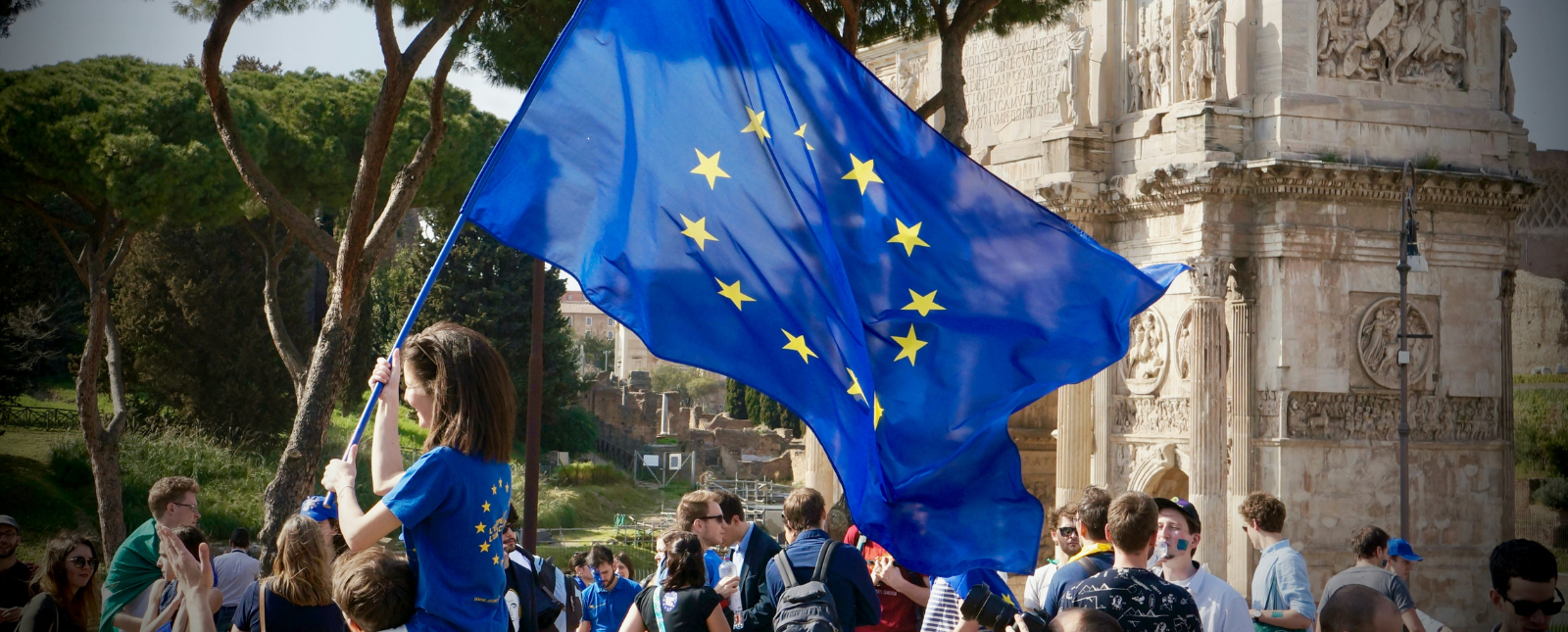
Russian aggression in Ukraine triggered a surge in support for EU enlargement — but public goodwill is beginning to fade. Dmytro Panchuk argues that this moment of elite-public alignment is rare and fragile. To seize it, EU leaders must act decisively before war fatigue and populist rhetoric erode the case for widening Read more
Robert Nordström
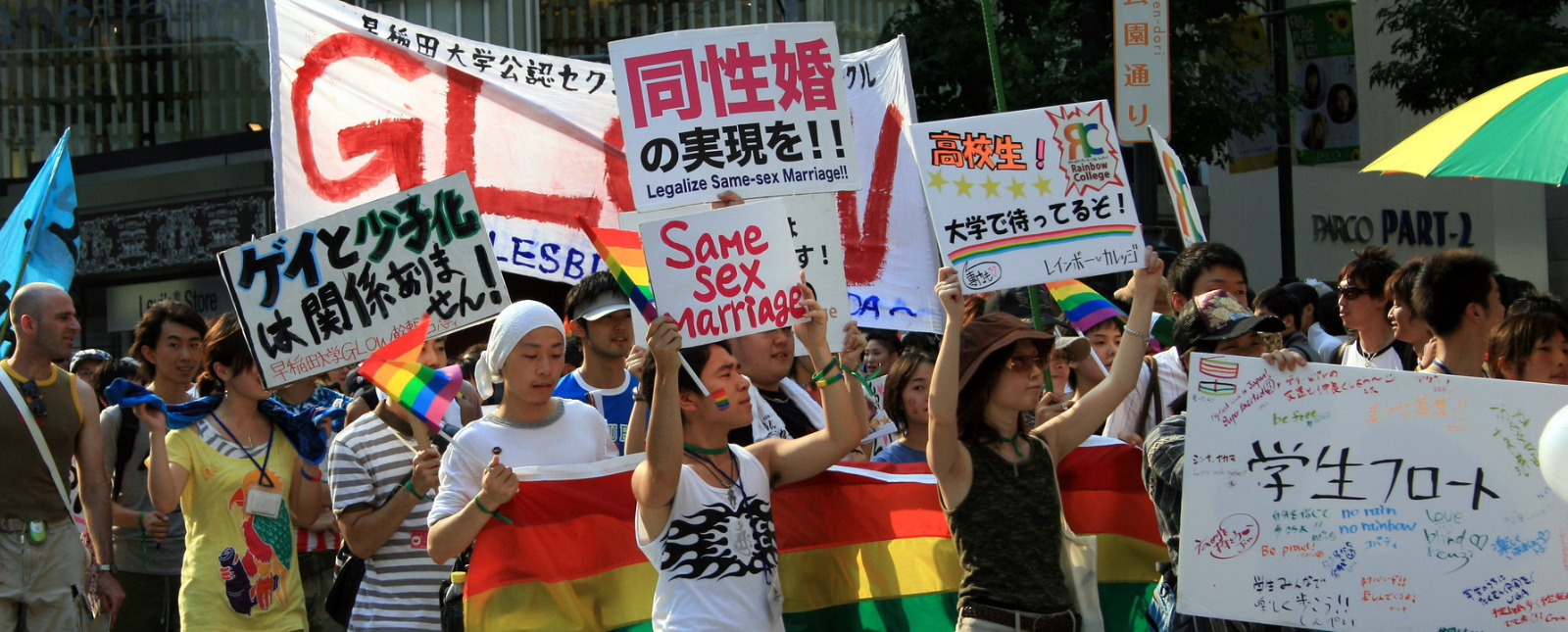
Despite a series of court rulings challenging Japan’s same-sex marriage ban, public opinion remains largely unmoved. Robert Nordström presents evidence from new survey data which reveals the fleeting influence of judicial action in advancing LGBTQ rights in this conservative society Read more
Anja Durovic
Democratic governments conduct extensive public opinion research, but we know little about how they use it. When and why do they seek to find out what the public thinks? Opening the black box of government polling in Germany, Anja Durovic and Tinette Schnatterer find governments exploit polls in a highly strategic way. Read more
Lukas Rudolph
The war in Ukraine has focussed attention on public attitudes to arms exports. New research by Lukas Rudolph, Markus Freitag, and Paul Thurner finds that in France and Germany, while a small minority is in principled opposition, a large majority makes nuanced trade-offs when articulating their positions on the issue of arms exports Read more
Christian F. Rostbøll
We often hear that populist parties offer recognition and make people feel better about themselves. This sounds very innocent. So why does populism often turn into a threat to a pluralist and respectful democracy? Christian F. Rostbøll argues that it is exactly because of the way populism recognises the people Read more
Kostiantyn Yanchenko
Narrative approaches are currently experiencing a golden age in many domains of political science. And yet, when it comes to populism studies, scholars are still rather reluctant to adopt a narrative perspective. Kostiantyn Yanchenko explains why studying populist storytelling can be beneficial for the discipline Read more
Luca Versteegen
Luca Versteegen argues that specific emotions like nostalgia are not limited to populist radical right voters. We should therefore be more careful in ascribing emotions to this group, differentiating emotions and refraining from broad ascriptions like the so-called ‘left behind’ Read more
Christof Nägel
Research suggests that institutional trust increases in times of political crises. Christof Nägel, Amy Nivette and Christian Czymara test this notion for jihadist terror attacks in Europe. Their results imply that political leaders should not take these dynamics for granted Read more
We use necessary cookies to make our site work. We'd also like to set analytics cookies that help us make improvements by measuring how you use the site. These will be set only if you accept.
▼
Strictly Necessary Cookies
Necessary cookies enable core functionality such as security, network management, and accessibility. You may disable these by changing your browser settings, but this may affect how the website functions.
▼
Analytics Cookies
Google Analytics
We'd like to set Google Analytics cookies to help us improve our website by collecting and reporting information on how you use it. The cookies collect information in a way that does not directly identify anyone. For more information on how these cookies work please see our Privacy Notice.