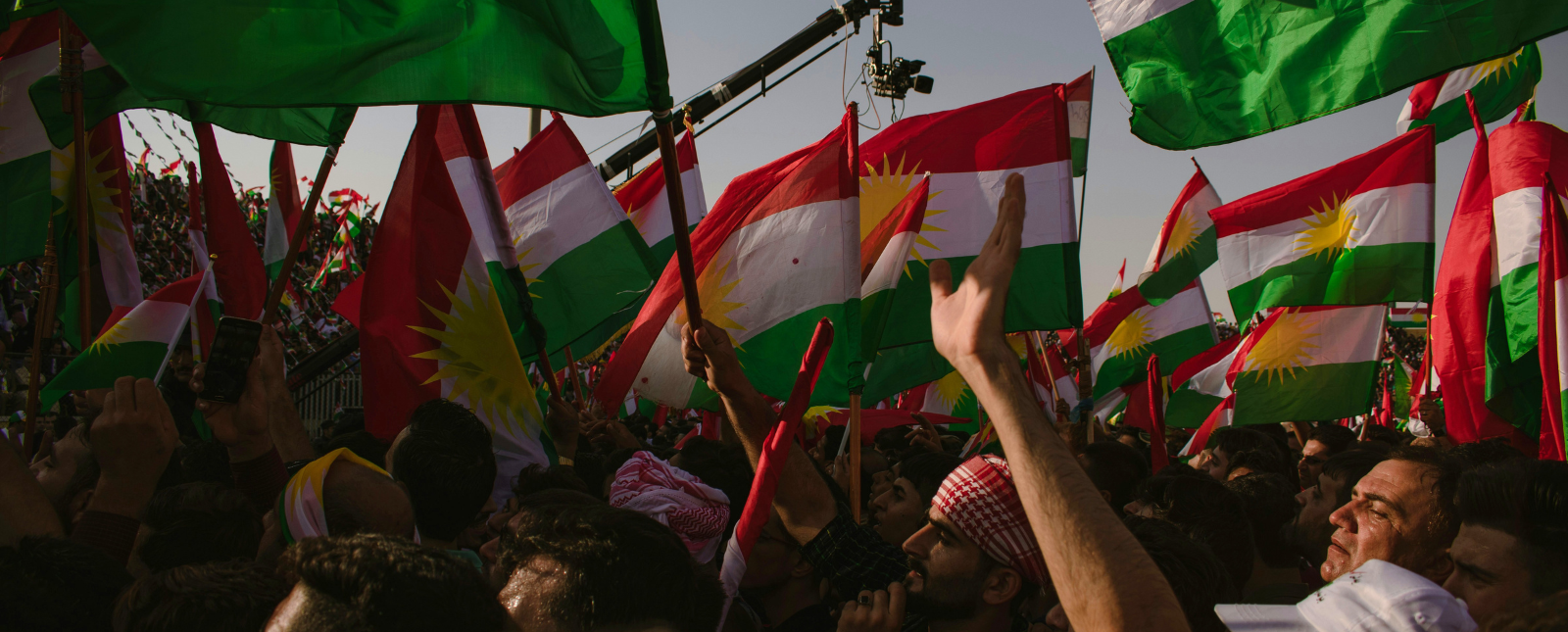
Dana Sofi
Dana Sofi argues that public participation in Iraqi Kurdistan has expanded in form but remained limited in influence. His research shows that new civic forums increased visibility, access and local trust, yet failed to make political institutions more responsive or redistribute power from elites to citizens Read more
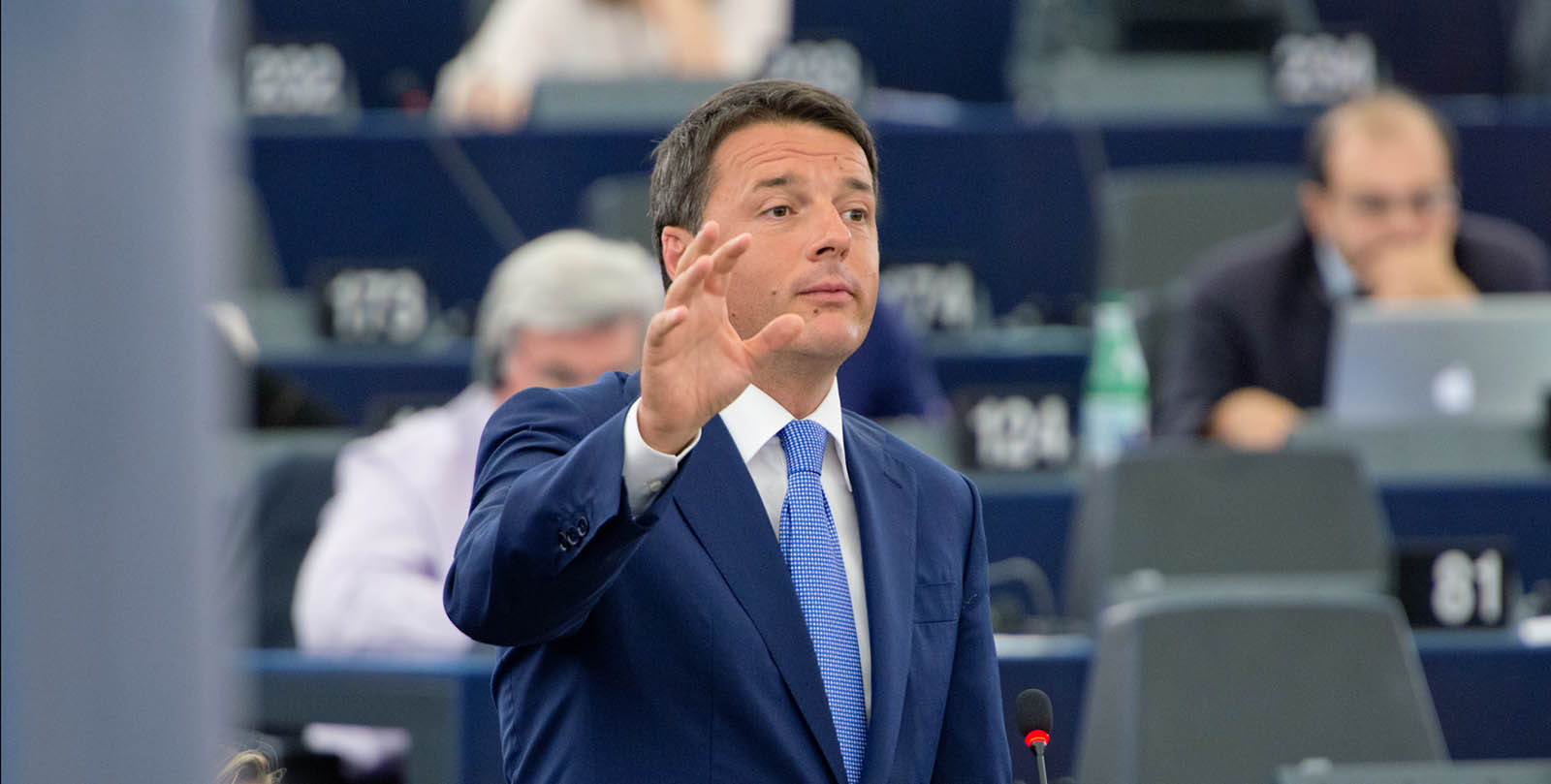
Luca Verzichelli
Luca Verzichelli explores the crisis of democratic representation and the shrinking space for citizen-institution engagement. Launching a series on 'democratic disconnect', he calls for a new democratic pedagogy, fresh analytical tools, and innovative solutions to reconnect actors, strengthen institutions, and adapt democracy to twenty first-century challenges – before it's too late Read more
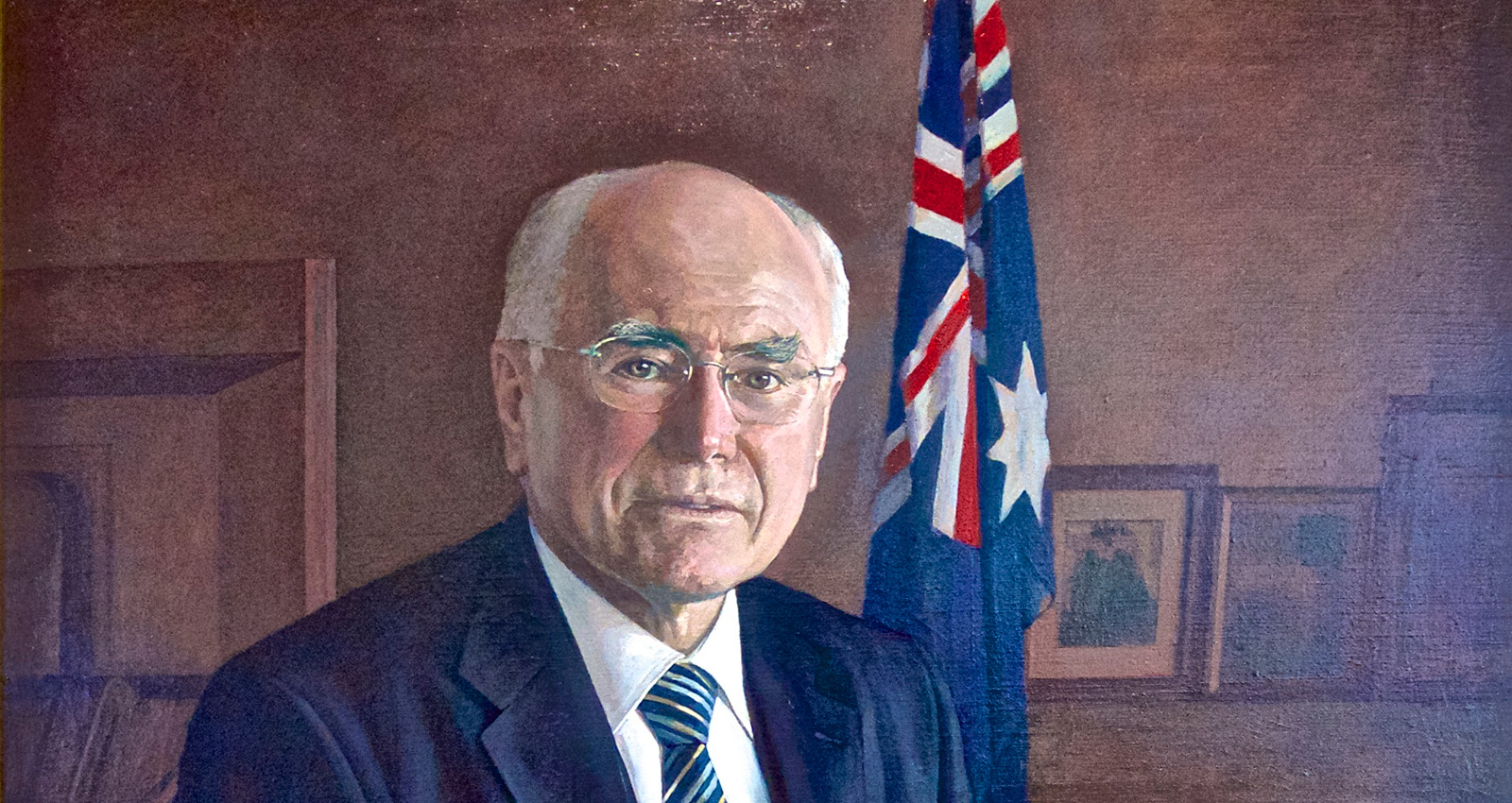
Daniel Casey
Writing to our political leaders is a core part of our democratic rights and traditions, but we know almost nothing about the contents of a leader’s mailbag. Daniel Casey opens the mailbag for one Australian Prime Minister to discover a very different measure of public opinion Read more
Friedel Marquardt
Jean-Paul Gagnon’s endeavour has great potential for bringing unknown or ignored definitions to the fore. However, Friedel Marquardt argues, we hinder understanding and cut its empowering potential short if the communities these definitions are about do not get a chance to speak about their democracies Read more
Andrea Pritoni
Political scientists are typically accused of remaining in their ivory towers. YePolitical scientists are often accused of hiding away in ivory towers, yet their participation could significantly enhance public debate. Andrea Pritoni and Giulia Vicentini analyse one such case, in Italy. In so doing, they discover a missed opportunity to increase the social relevance of the disciplinet their participation could enhance public debate and increase the social relevance of the discipline. Andrea Pritoni and Giulia Vicentini analyse one such case, in Italian public debate, and discover a missed opportunity Read more
The Loop
Cutting-edge analysis showcasing the work of the political science discipline at its best.
We use necessary cookies to make our site work. We'd also like to set analytics cookies that help us make improvements by measuring how you use the site. These will be set only if you accept.
▼
Strictly Necessary Cookies
Necessary cookies enable core functionality such as security, network management, and accessibility. You may disable these by changing your browser settings, but this may affect how the website functions.
▼
Analytics Cookies
Google Analytics
We'd like to set Google Analytics cookies to help us improve our website by collecting and reporting information on how you use it. The cookies collect information in a way that does not directly identify anyone. For more information on how these cookies work please see our Privacy Notice.