Annalisa Quaglia
When we think of democratic innovation, we usually picture citizens voting. But Annalisa Quaglia and Federico De Marco argue that a quiet transformation is underway elsewhere. Faced with the decline of remote areas, local public administrations are becoming the new collaborative arenas for democratic legitimacy – though not without significant challenges Read more
İbrahim Hatipoğlu
Algorithms can help governments manage complexity. But they cannot settle disputes over fairness, dignity and responsibility. İbrahim Hatipoğlu argues that so-called 'wicked' policy problems require political judgement before technical optimisation Read more
Nayara F. Macedo de Medeiros Albrecht
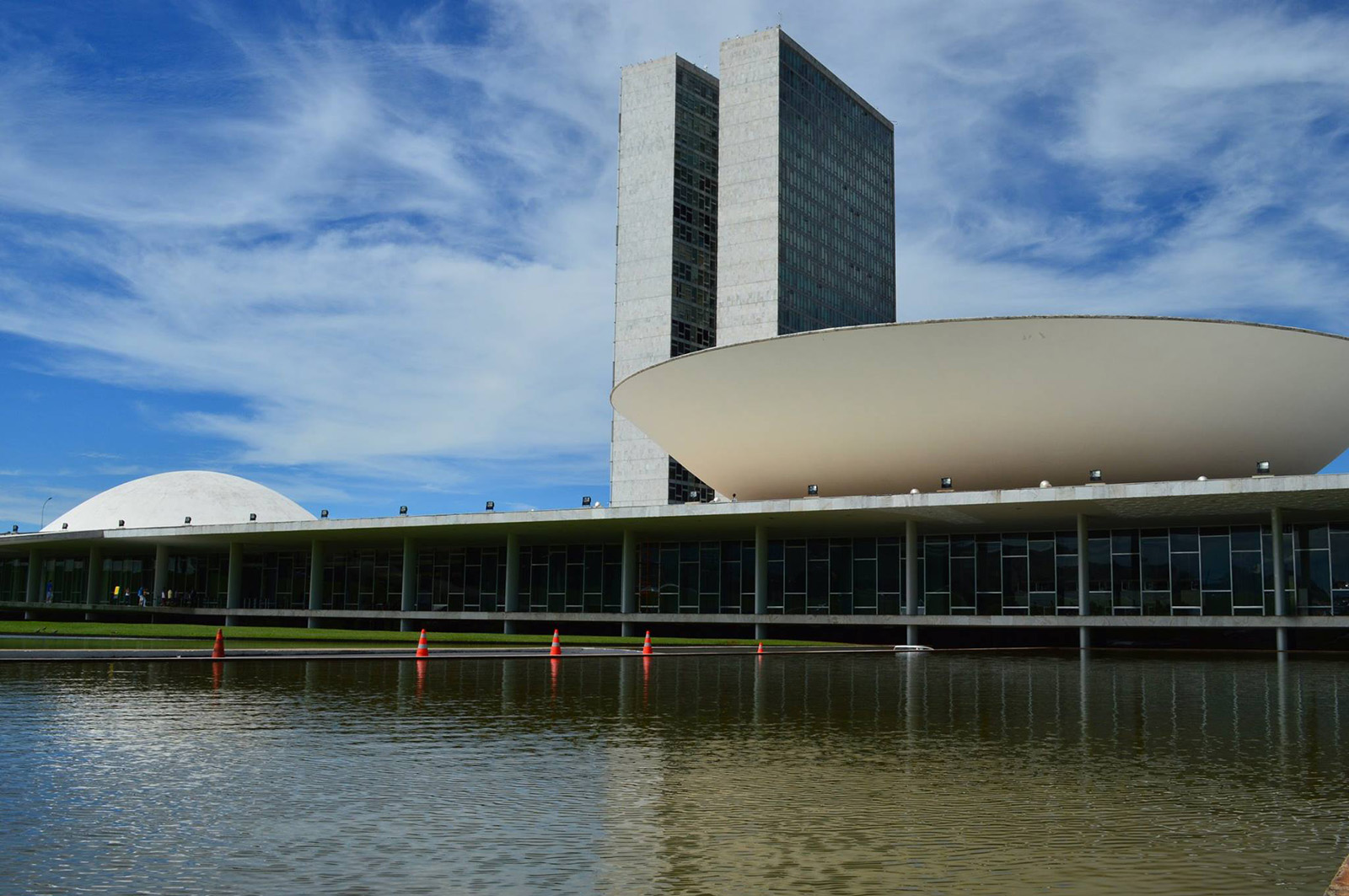
The Brazilian parliament recently resumed debates on a reform proposal for public administration. Nayara Albrecht argues that although the proposal claims to target privileges, it risks undermining the integrity of public administration. She suggests that the agenda should also address disparities within the public sector Read more
Bert Fraussen
How do think tanks establish a unique position in a saturated policy advisory landscape? Bert Fraussen and Valerie Pattyn show that Belgian think tanks set themselves apart from other actors by prioritising long-term, evidence-based policy advice. Aligned with the nation’s administrative tradition, they also adopt consensual strategies Read more
Anna Longhini
Anna Longhini argues that in the relationship between citizens and bureaucrats, we find the seeds of populist ideology, which characterises the former as the 'pure people' and the latter as the 'corrupt elite'. Italy is a useful case in point. There, attempts to reform the public sector have failed to stem the spread of populist ideology Read more
Mauricio I. Dussauge-Laguna
Little by little, scholarship on populism and public policy and administration has shown that populists in government cause significant damage to government institutions and policy processes. Mauricio I. Dussauge-Laguna argues that Mexico’s experience under president López Obrador reinforces these findings and adds fresh (if discouraging) evidence to the argument Read more
Stephen P. Turner
Stephen Turner argues that for democracy to prevail, we must transform the vague idea of 'the will of the people' into legal procedure. This issue is more important than ever in situations where bureaucracies, such as those of the United States, are suffocating democratic action Read more
Catherine Owen
Catherine Owen argues that understanding how regime type influences public sector performance can illuminate varieties of ‘authoritarian public policy’ and the resilience of authoritarian states. To do so, she calls on the fields of public administration and comparative politics to work together Read more
The Loop
Cutting-edge analysis showcasing the work of the political science discipline at its best.
We use necessary cookies to make our site work. We'd also like to set analytics cookies that help us make improvements by measuring how you use the site. These will be set only if you accept.
▼
Strictly Necessary Cookies
Necessary cookies enable core functionality such as security, network management, and accessibility. You may disable these by changing your browser settings, but this may affect how the website functions.
▼
Analytics Cookies
Google Analytics
We'd like to set Google Analytics cookies to help us improve our website by collecting and reporting information on how you use it. The cookies collect information in a way that does not directly identify anyone. For more information on how these cookies work please see our Privacy Notice.