Luis Schenoni
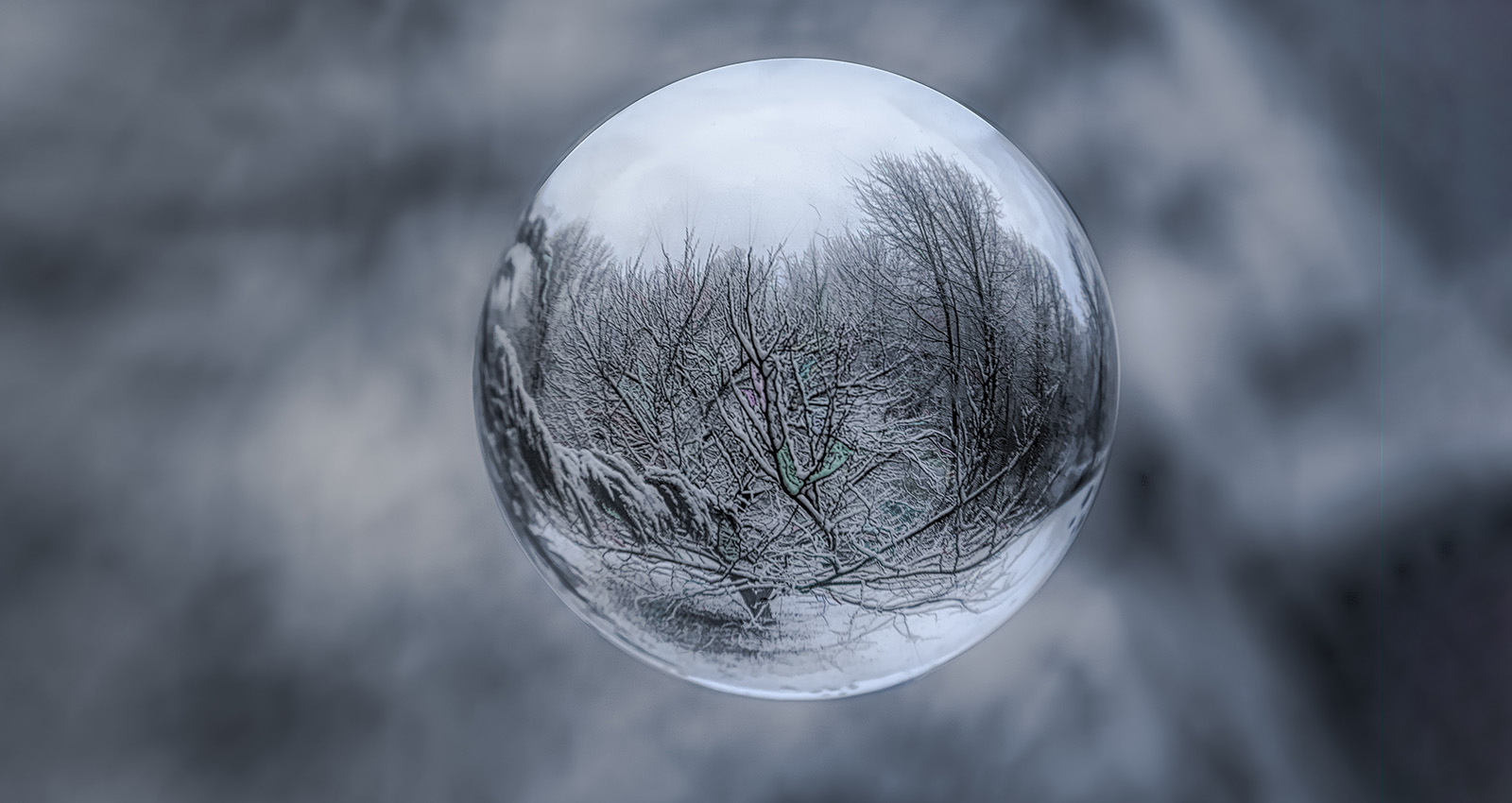
Once the Russia-Ukraine war ends, perceptions of victory and defeat will affect not only the stability of those states' political regimes but the capacity of the state in the long term, says Luis Schenoni. Using examples from nineteenth-century Latin America, he argues that the effects of war outcomes on security and the rule of law will endure for decades Read more
Polina Zavershinskaia
Russia-friendly parties are exploiting Europe’s war-torn past to justify Russia’s aggression and undermine Europe’s support for Ukraine. Polina Zavershinskaia argues that there is evidence in Germany and Italy that the strategy is working. Read more
David Arter
Looking back should be the future direction of populism research, insists David Arter, who holds that political scientists would benefit from using a longer lens when viewing the genealogy of the populist party family Read more
Kandida Purnell
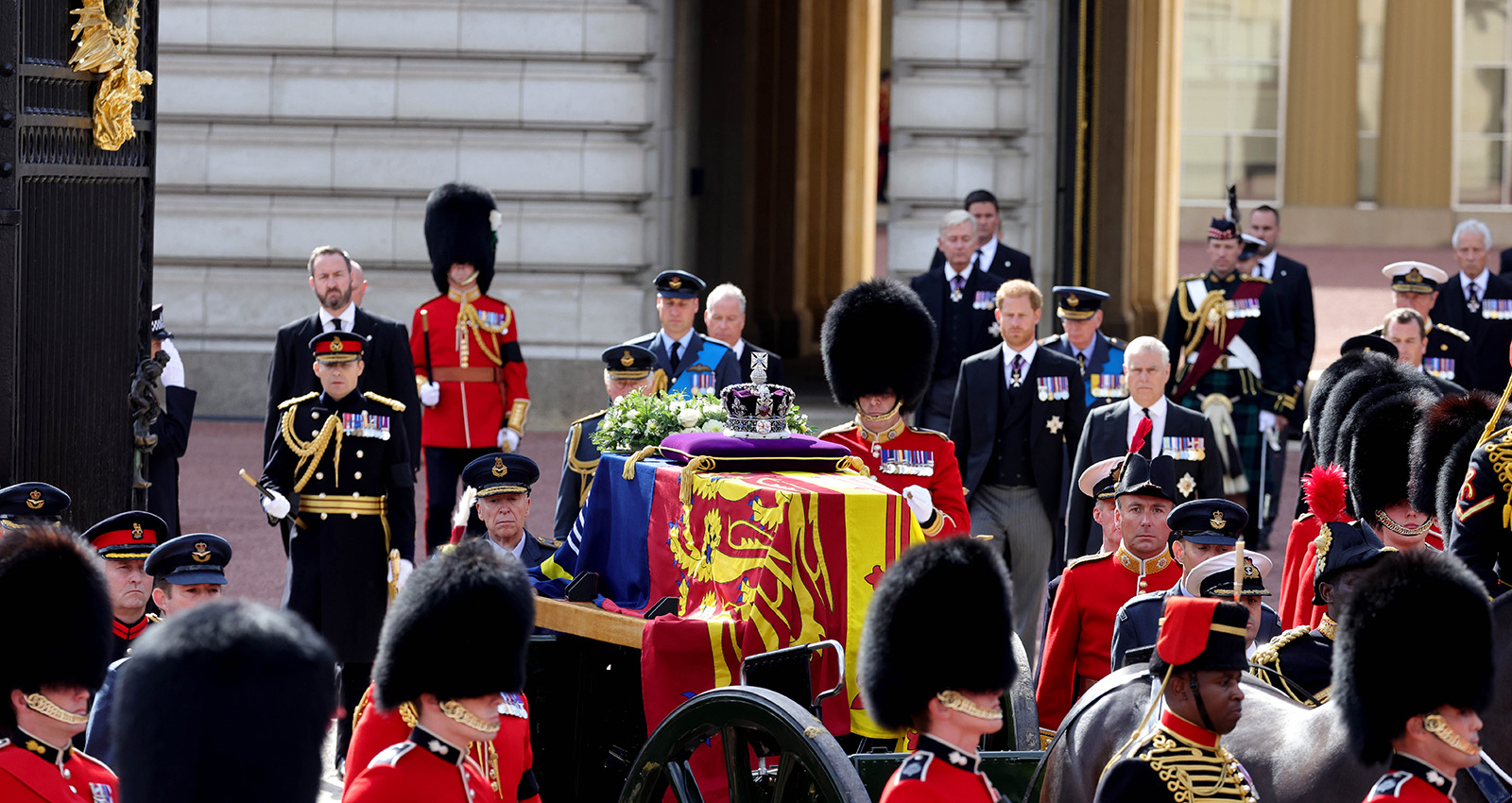
Kandida Purnell explains the significance of the transition between the death of Queen Elizabeth II and the crowning of King Charles III. There is a strange (yet strategic) legal-theological history and tradition which gives the UK's monarch two ‘bodies’. In doing so, it breathes life into the still commonly deployed metaphorical ‘body politic’ Read more
Ayşe Zarakol
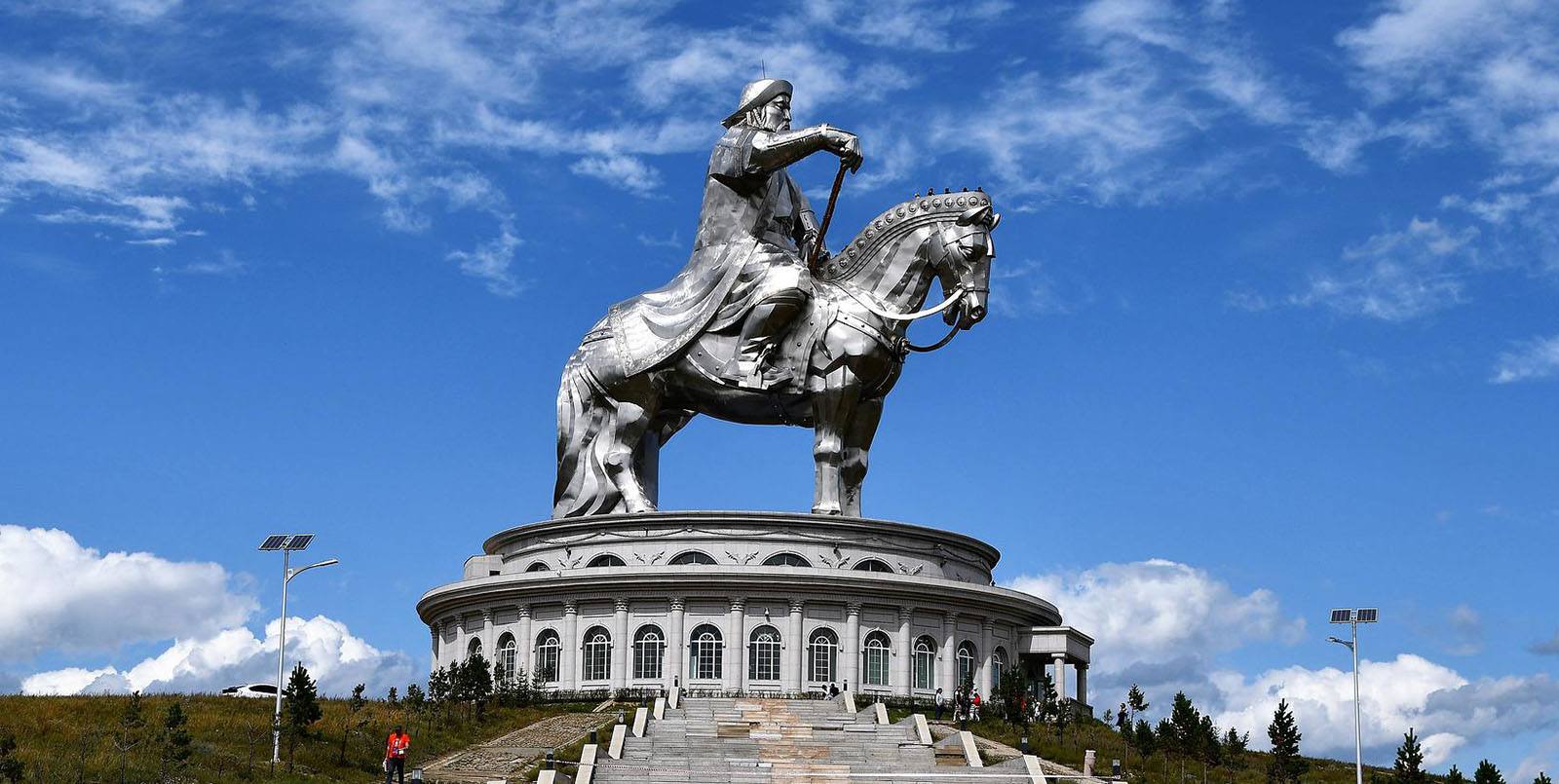
Ayşe Zarakol argues that Europeans were not the first ones to create (international) orders with universal aspirations. Parts of Eurasia were disconnected from each other before the arrival of European colonialism. (Eur)asia had long been a connected space, with its own experiments in sovereignty and order construction Read more
The Loop
Cutting-edge analysis showcasing the work of the political science discipline at its best.
We use necessary cookies to make our site work. We'd also like to set analytics cookies that help us make improvements by measuring how you use the site. These will be set only if you accept.
▼
Strictly Necessary Cookies
Necessary cookies enable core functionality such as security, network management, and accessibility. You may disable these by changing your browser settings, but this may affect how the website functions.
▼
Analytics Cookies
Google Analytics
We'd like to set Google Analytics cookies to help us improve our website by collecting and reporting information on how you use it. The cookies collect information in a way that does not directly identify anyone. For more information on how these cookies work please see our Privacy Notice.