Dragomir Stoyanov
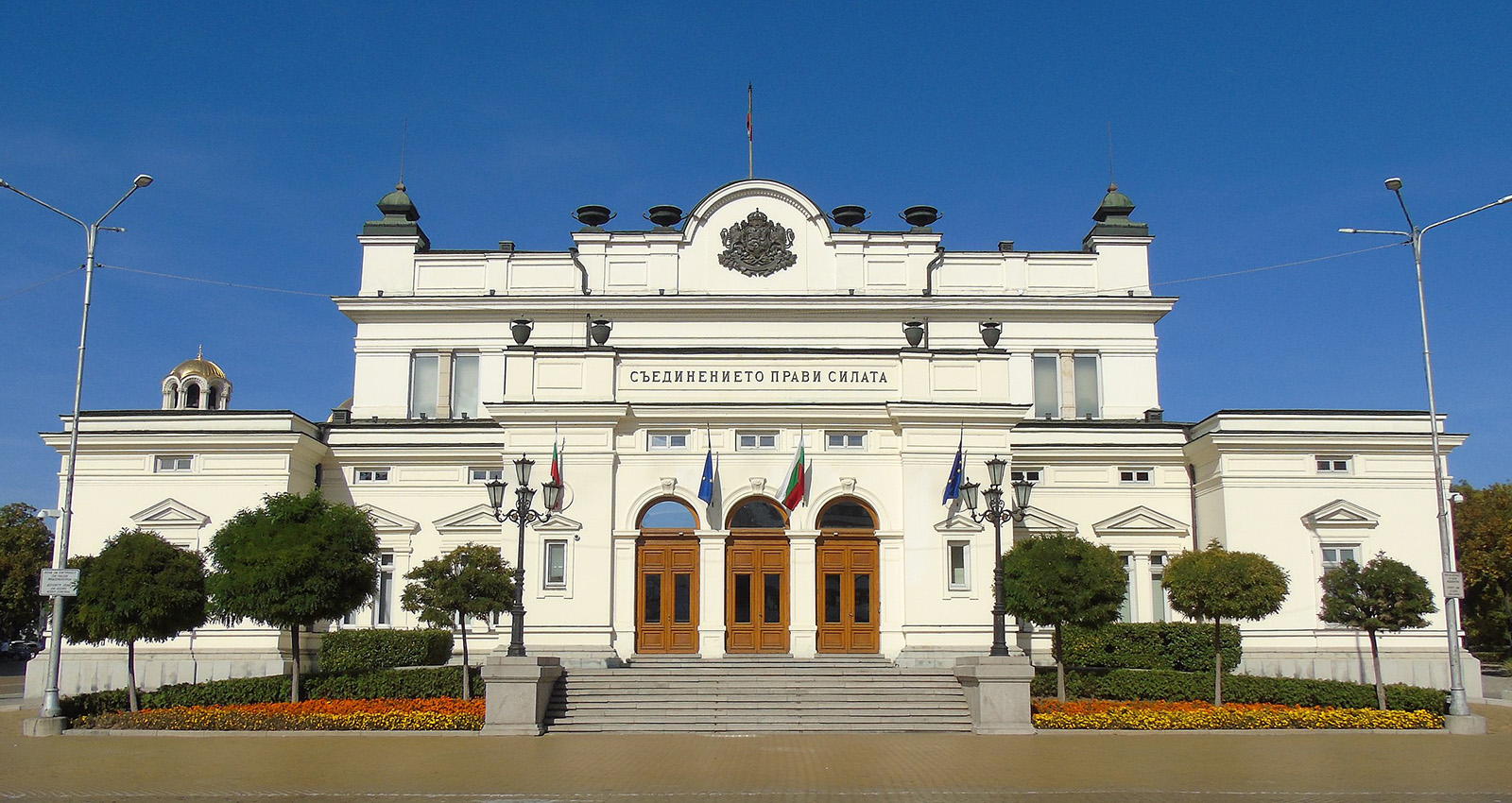
The snap Bulgarian general election of 2 October has failed to resolve the ongoing political stalemate in the country caused by polarisation between two opposing political camps. Dragomir Stoyanov writes that the new government will be characterised by instability, with the prospect of further snap elections next year Read more
Massimo D'Angelo
Next June, in Turkey, Recep Tayyip Erdoğan will seek election as President of the Republic for the third time. Massimo D’Angelo explains the opposition parties' joint strategy to defeat Erdoğan, including a pact to overhaul institutions and restore the rule of law Read more
Kees Terlouw
Global relations are increasingly regulated by states which strengthen control over their national territory. But delegitimation of neoliberalism does not signal the end of the global order or capitalism, says Kees Terlouw. It simply marks another shift between ‘relational’ and ‘territorial’ perspectives on legitimacy Read more
Christoph Arndt
Recent European elections have revealed that voters are increasingly polarised on environmental protectionism. Christoph Arndt, Daphne Halikiopoulou and Christos Vrakopoulos contend that local opposition to climate change measures is reinforcing a centre-periphery cleavage in Western Europe Read more
Balázs Böcskei
Balázs Böcskei and Eszter Farkas analyse the influence of partisan alignment on public health issues related to coronavirus. Their findings suggest that even in such a highly polarised country as Hungary, the significance of the pandemic over time is suppressing the influence of party alignment on Covid-related issues Read more
Matt Polacko
The rich are more likely to vote than the poor. This, along with income inequality, are increasing phenomena across the West. Matt Polacko introduces supply-side logic to reveal that higher levels of income inequality are indeed associated with reduced voting rates, and a wider income gap in turnout. However, it is possible to mitigate both […] Read more
We use necessary cookies to make our site work. We'd also like to set analytics cookies that help us make improvements by measuring how you use the site. These will be set only if you accept.
▼
Strictly Necessary Cookies
Necessary cookies enable core functionality such as security, network management, and accessibility. You may disable these by changing your browser settings, but this may affect how the website functions.
▼
Analytics Cookies
Google Analytics
We'd like to set Google Analytics cookies to help us improve our website by collecting and reporting information on how you use it. The cookies collect information in a way that does not directly identify anyone. For more information on how these cookies work please see our Privacy Notice.