Francesca Romana Ammaturo
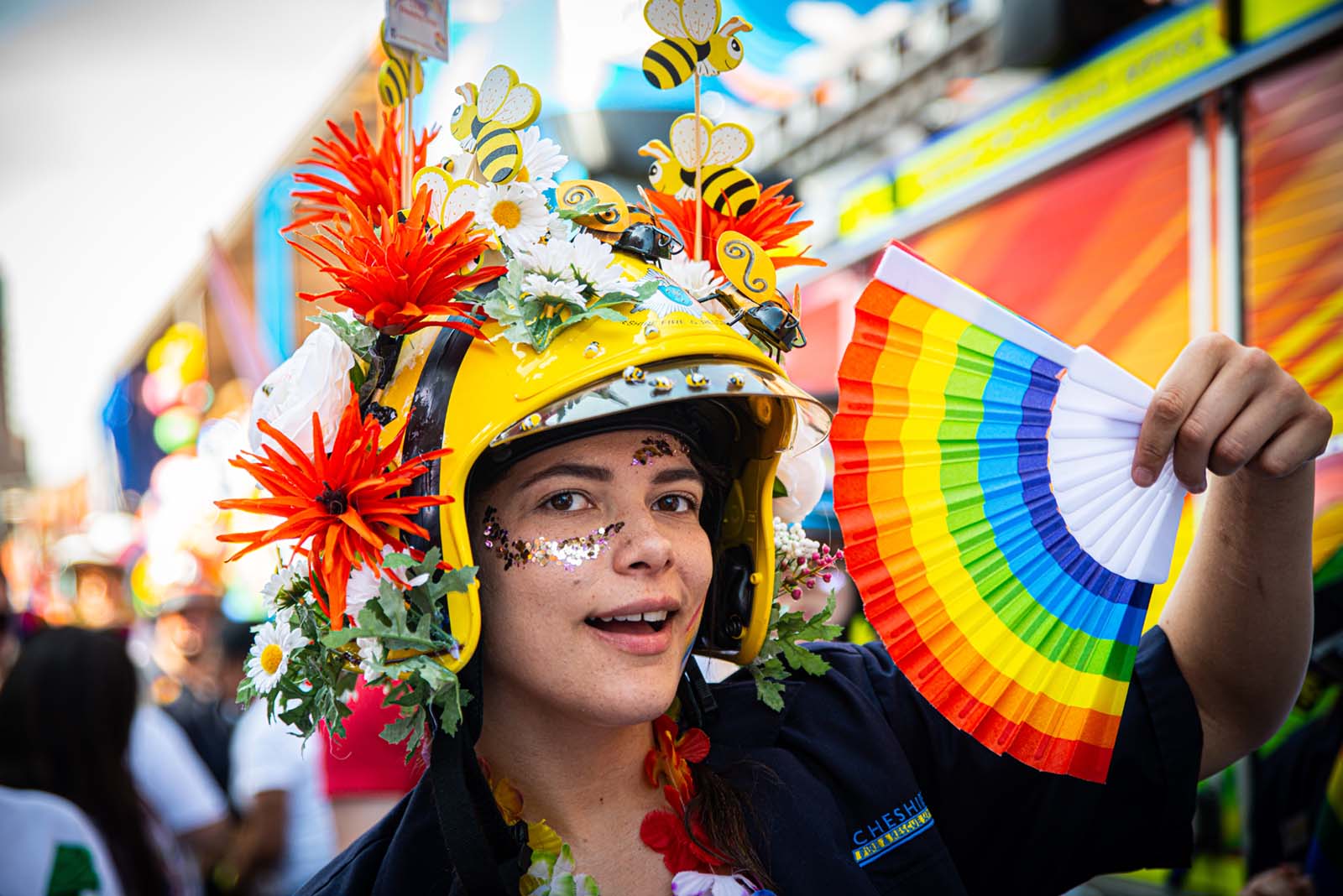
Amid the rise of far-right and anti-gender movements, and given growing internal conflicts and divisions, many LGBTQAI+ people worry about the future of Pride events. But Francesca Romana Ammaturo reveals that throughout its history, Pride has reflected many different visions of activism and community Read more
Fubu Ngubu
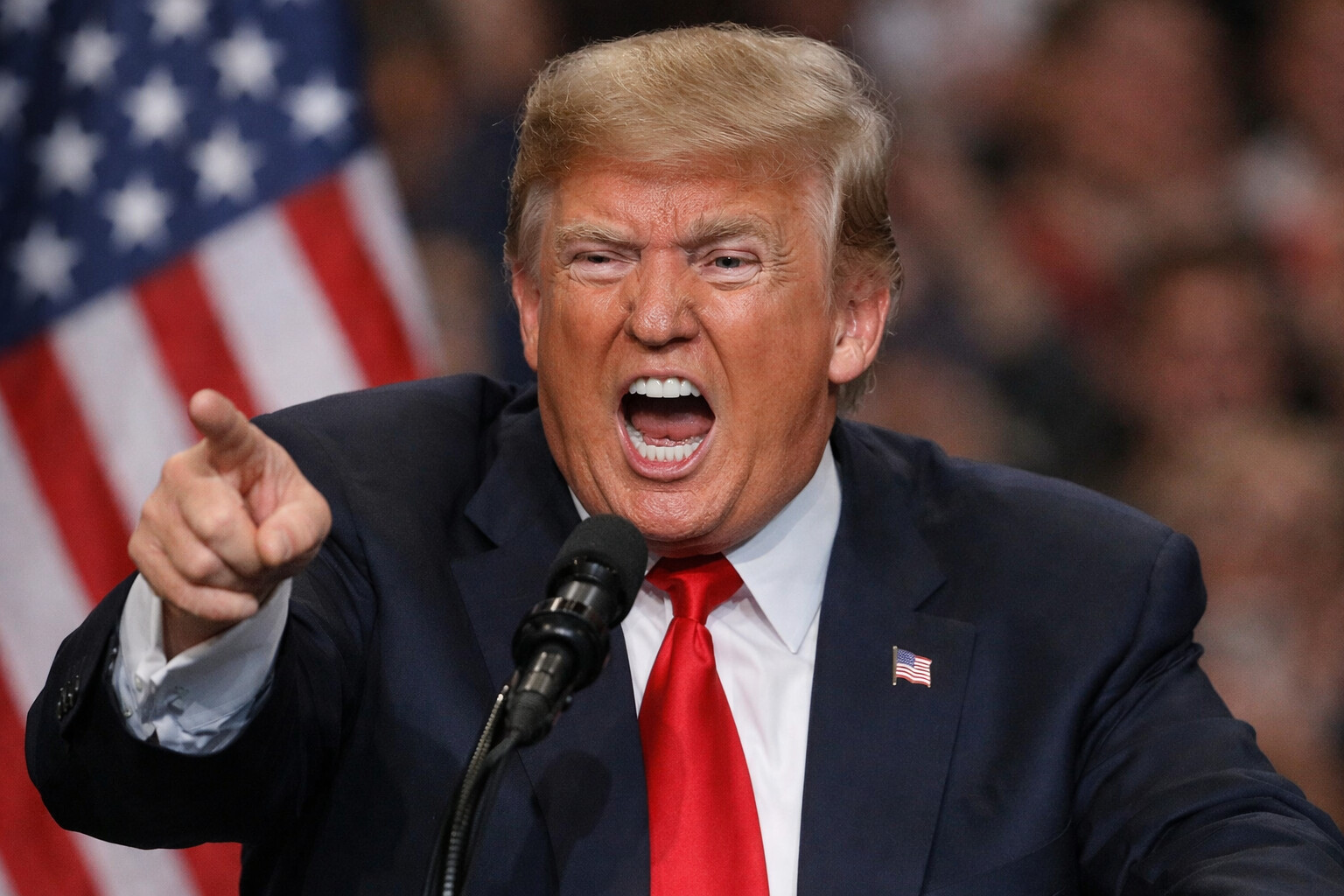
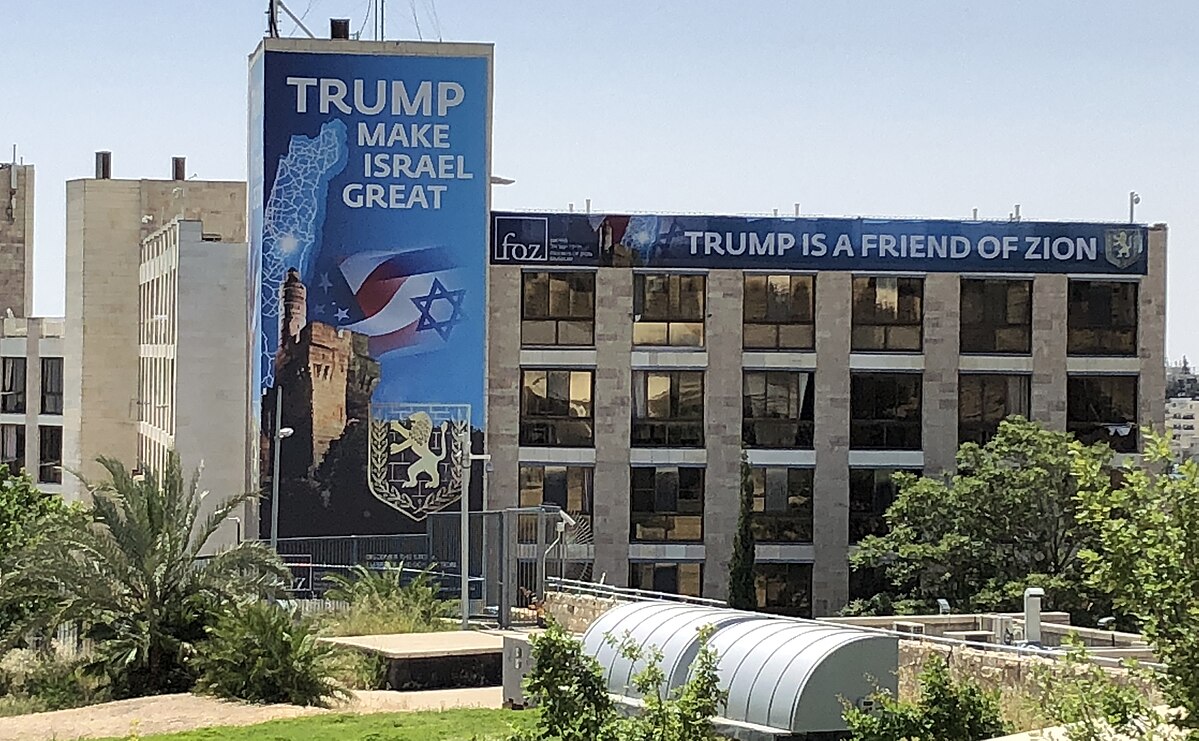
When the US repeatedly bluffs and backs down, it no longer looks like strategy and starts to look like a pattern. Fubu Ngubu argues that Europe has begun to recognise this pattern of retreat, and is adjusting accordingly Read more
Sonia Sarkar
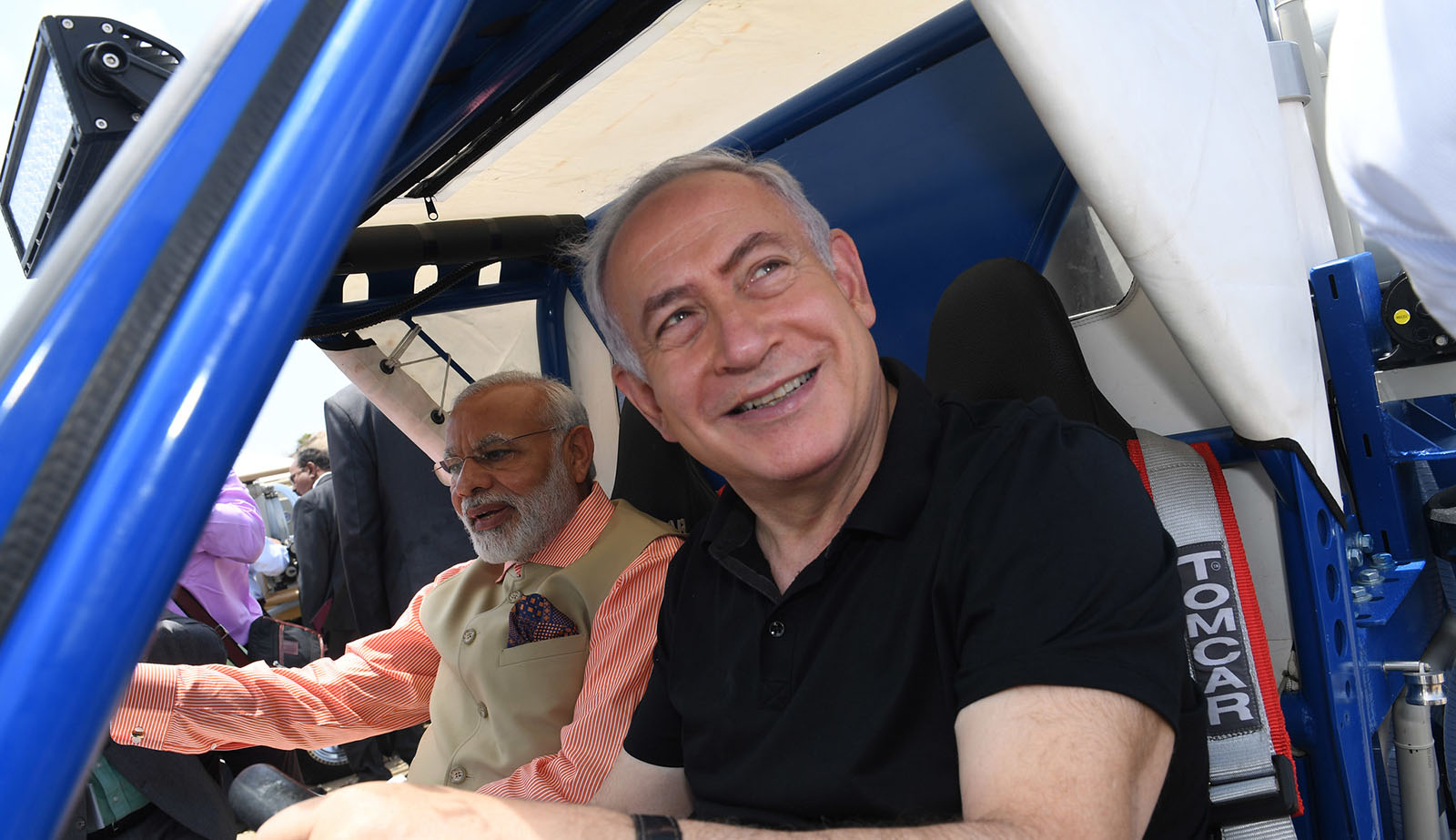
India sits precariously in this US-Israel-led war against its old regional partner Iran. This, says Sonia Sarkar, is because of Hindu supremacist Prime Minister Narendra Modi’s proximity to Israel's leader Benjamin Netanyahu Read more
Serena Fraiese
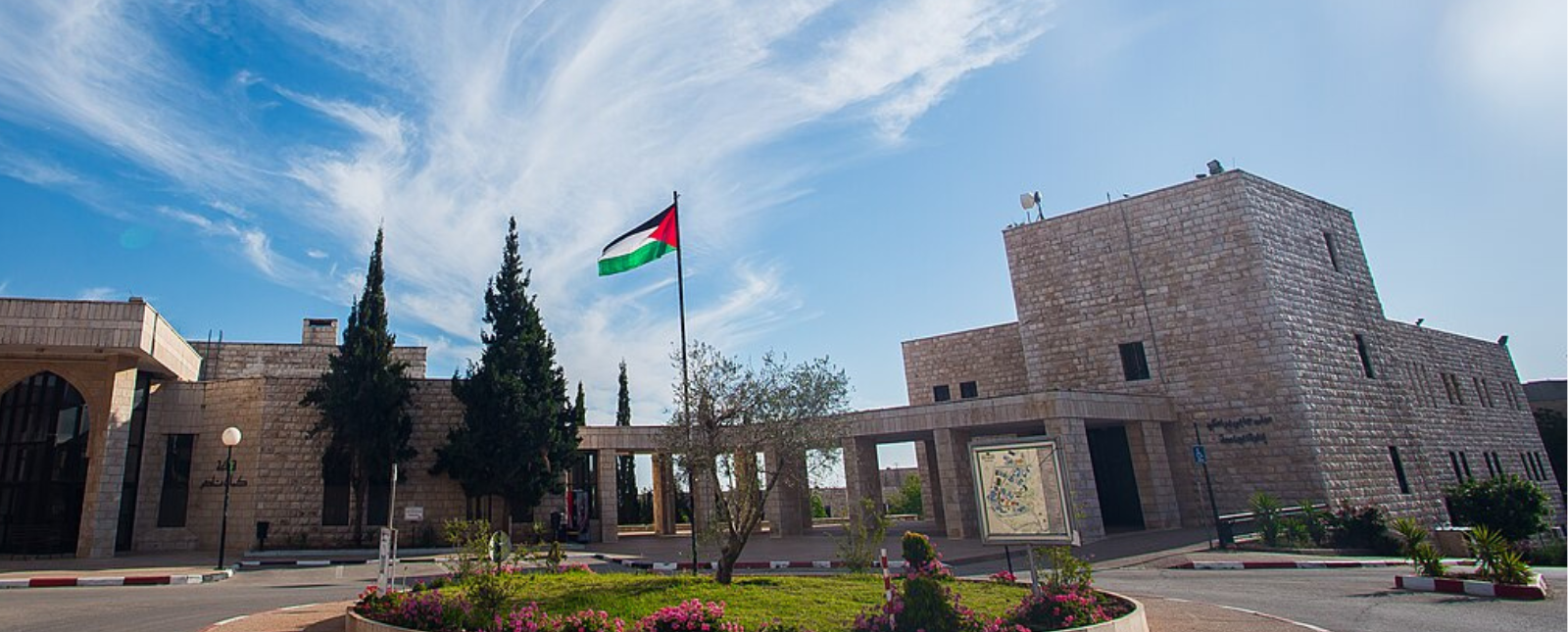
On 23 November 2025, Birzeit University in the Palestinian West Bank halted all teaching to mourn one of its law students, killed by Israeli gunfire in a nearby village. The case, says Serena Fraiese, reveals how freedom crumbles in the world outside academe before it even reaches campus Read more
Paul Whiteley
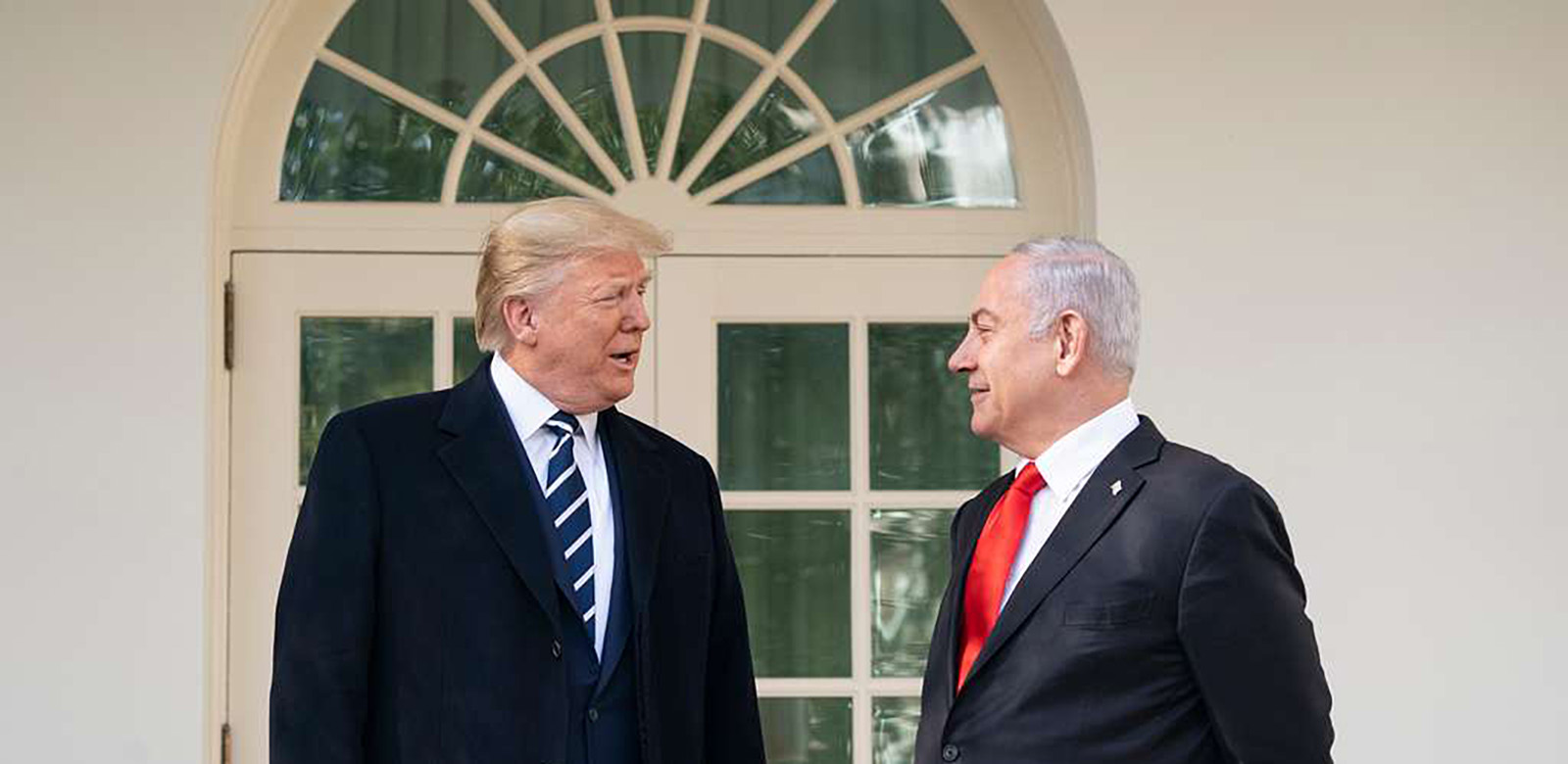
Israeli Prime Minister Benjamin Netanyahu has accepted Trump's plan for peace in Gaza in principle – though he is likely to try and sabotage it. Paul Whiteley warns that this is a dangerous strategy given Netanyahu's woeful approval ratings among ordinary Israelis Read more
Süleyman Güngör
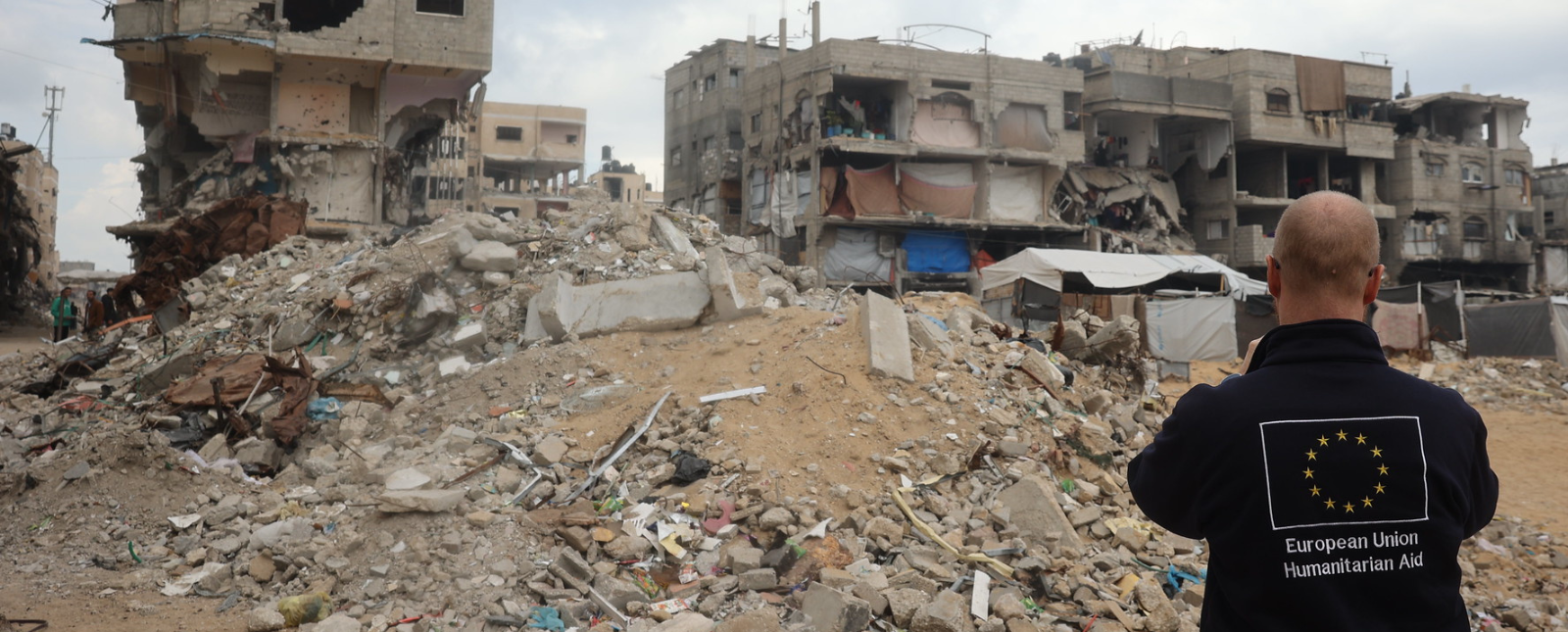
From Atatürk’s homeland — where 'peace at home, peace in the world' still resonates — Süleyman Güngör argues that Gaza is Palestinian land. The violence there, and between Israel and Iran, we must recognise as war under international law — and urgently bring it to an end Read more
Michael Walsh
The Biden administration and 118th Congress failed to adequately reform and modernise the organisation of US diplomatic posts. Michael Walsh argues that Trump should urgently reassess the US Foreign Affairs Manual's conceptual model for organising such positions Read more
Catherine Moury
One of the reasons political scientists are silent on the Israel-Gaza conflict is the fear of being marginalised by the community, writes Catherine Moury. She suggests concrete actions scholars could take to avoid normalising what she – and many fellow academics – consider is nothing short of genocide. Read more
We use necessary cookies to make our site work. We'd also like to set analytics cookies that help us make improvements by measuring how you use the site. These will be set only if you accept.
▼
Strictly Necessary Cookies
Necessary cookies enable core functionality such as security, network management, and accessibility. You may disable these by changing your browser settings, but this may affect how the website functions.
▼
Analytics Cookies
Google Analytics
We'd like to set Google Analytics cookies to help us improve our website by collecting and reporting information on how you use it. The cookies collect information in a way that does not directly identify anyone. For more information on how these cookies work please see our Privacy Notice.