Saima Afzal
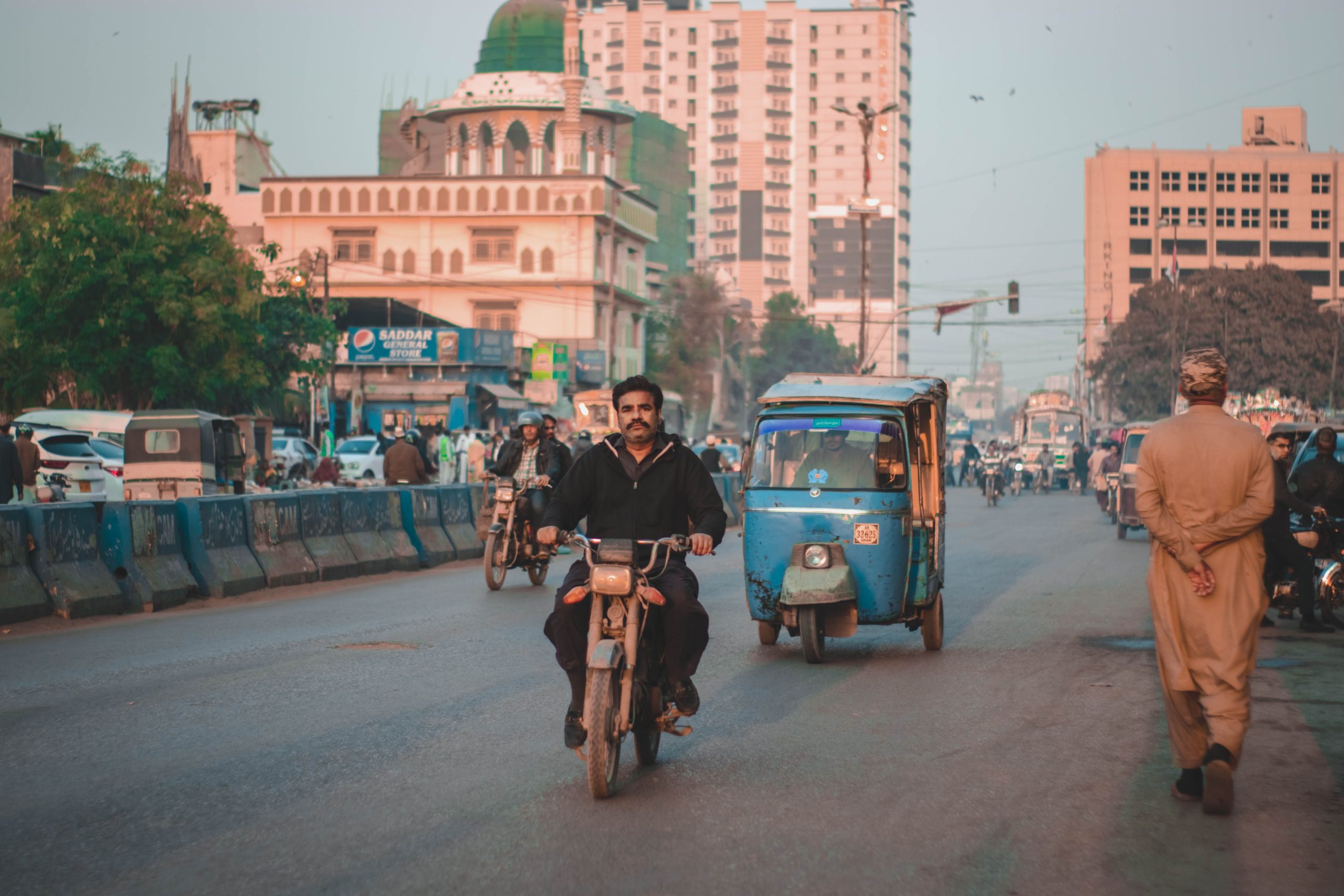
US-Pakistan ties have repeatedly deepened during geopolitical crises and weakened when the emergency passed. Saima Afzal argues that the latest opening may prove more durable precisely because it is less ambitious: trade, technology, critical minerals and counterterrorism can each sustain cooperation without requiring grand strategic alignment Read more
Saima Afzal
Pakistan has emerged as an important diplomatic channel between Iran and the United States. Saima Afzal explains why Islamabad’s relationships with Iran, Washington and the Gulf often seen as a difficult balancing act have instead become a source of diplomatic leverage Read more
Alia Qaim Bukhari
Alia Qaim Bukhari argues that Pakistan's merger of its Federally Administered Tribal Areas did not replace older land authority. Legal procedures, customary shares, oral histories and British records have accumulated, leaving the state to determine which forms of evidence should count when competing claims collide Read more
Syeda Saba Batool
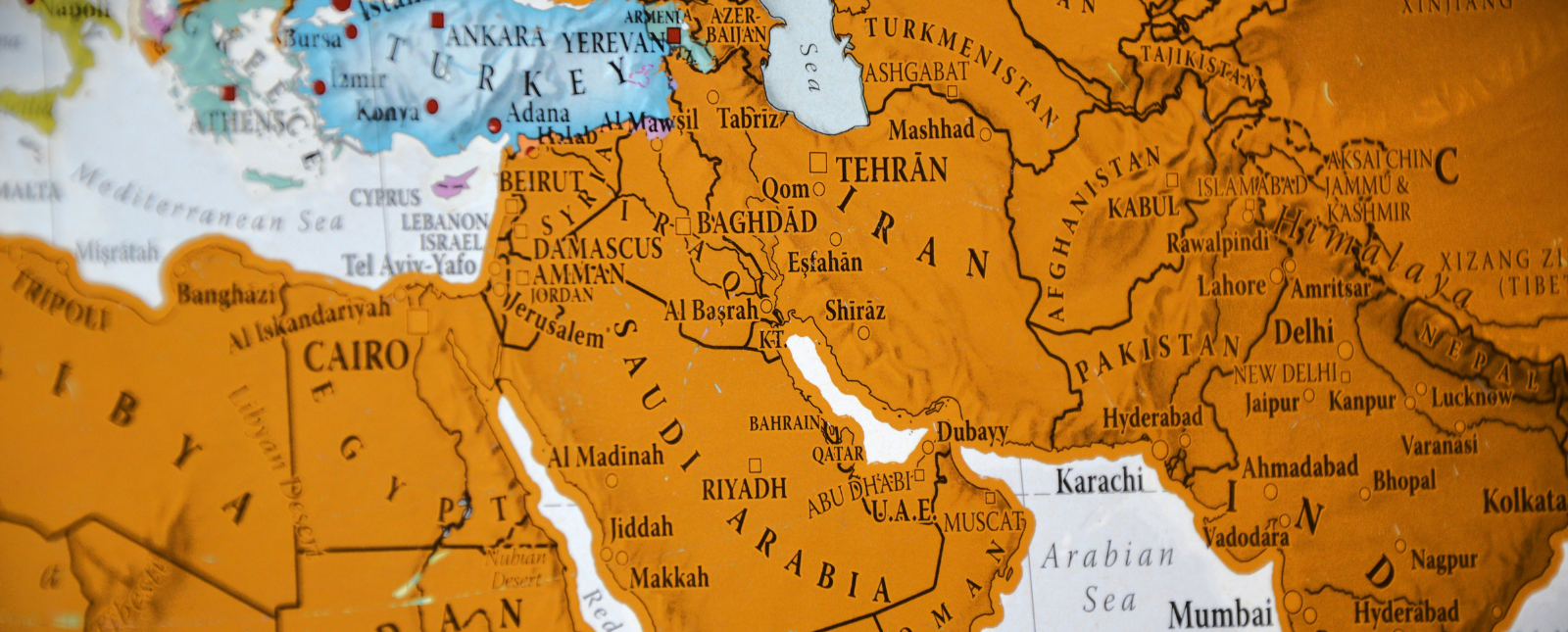
Syeda Saba Batool argues that a new defence agreement between Pakistan, Türkiye and Saudi Arabia could diversify regional security options. It may also strengthen collective deterrence, and reshape the security architecture of West and South Asia Read more
Sonia Sarkar
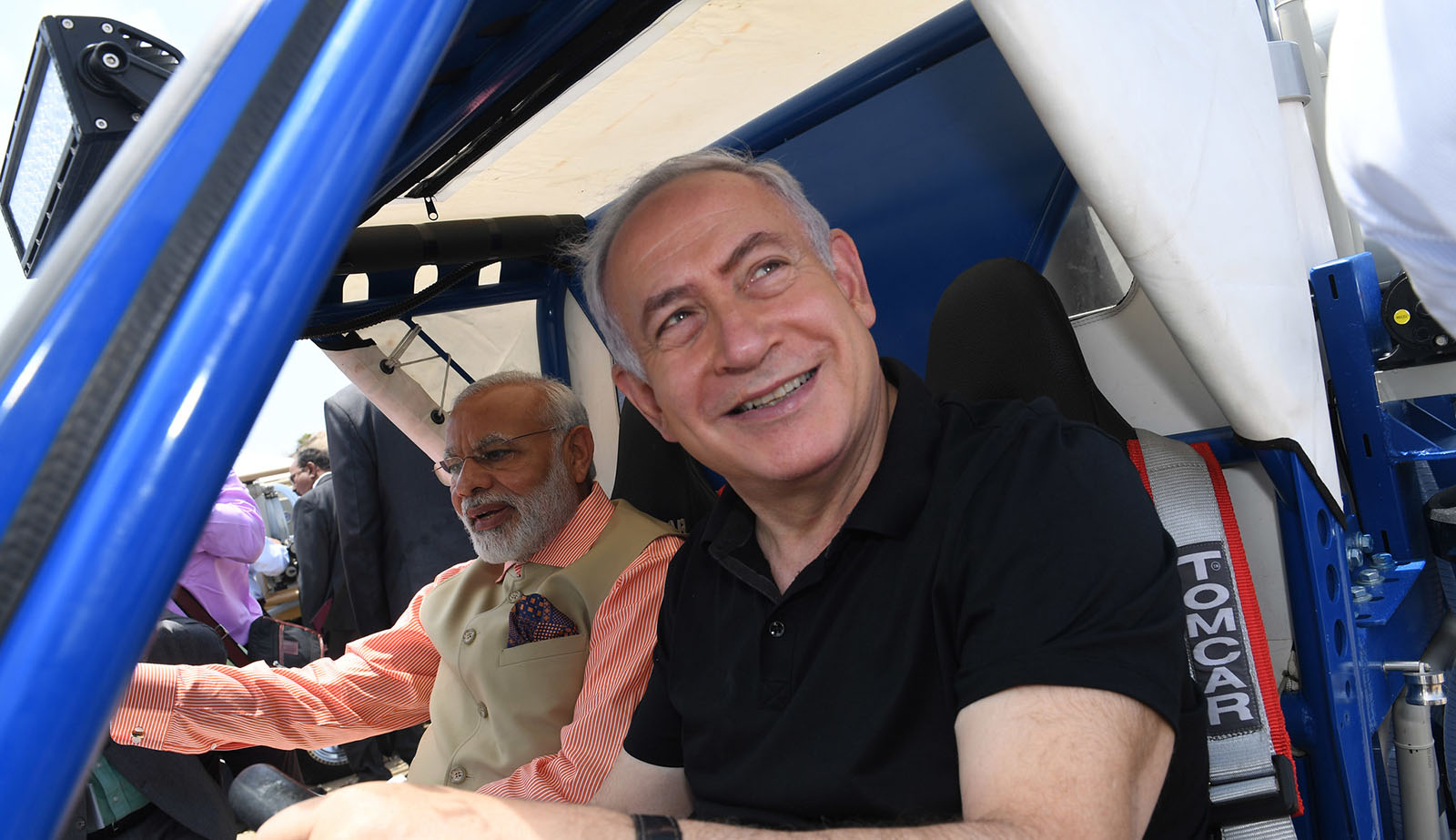
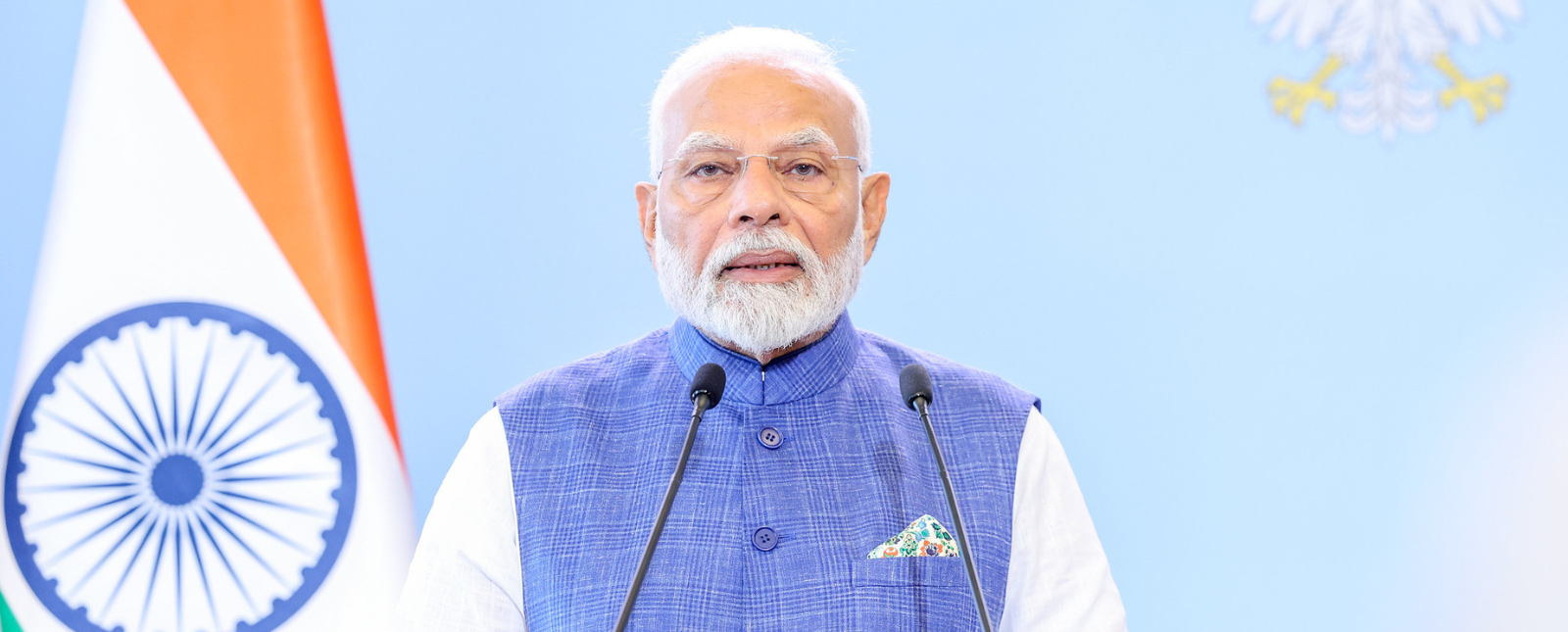
India sits precariously in this US-Israel-led war against its old regional partner Iran. This, says Sonia Sarkar, is because of Hindu supremacist Prime Minister Narendra Modi’s proximity to Israel's leader Benjamin Netanyahu Read more
Sonia Sarkar
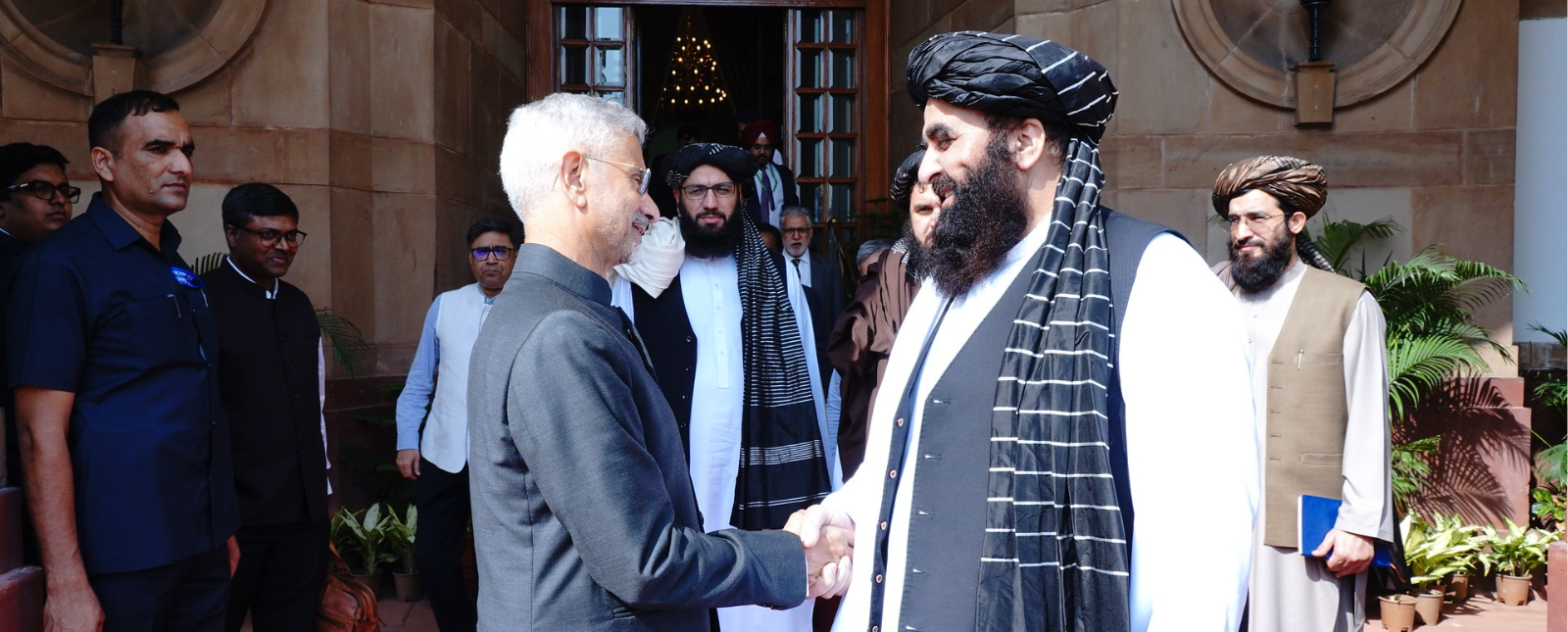
Four years after it cut all ties with Afghanistan, the Indian government’s strategy towards the Taliban regime is undergoing a transformation. Sonia Sarkar argues that India’s deteriorating relationship with Pakistan appears to have prompted this, and suggests it damages India’s pluralist reputation Read more
Sterre Van Buuren
Nuclear weapons come with a hidden cost: they erode democracy. In every nuclear state, secrecy, executive powers and stifled debate cut the public off from their government’s nuclear decision-making. Sterre van Buuren explains why this is – and why citizens must still push for more accountability Read more
Sonia Sarkar
In May 2025 India launched a military assault against Pakistan to avenge the terrorist killings of Hindu men. Putatively carried out in the name of avenging the victims' widows, Sonia Sarkar argues that it was laden with patriarchal symbolism, the ruling Hindu nationalist BJP failing to conceal its anti-Muslim sentiment Read more
We use necessary cookies to make our site work. We'd also like to set analytics cookies that help us make improvements by measuring how you use the site. These will be set only if you accept.
▼
Strictly Necessary Cookies
Necessary cookies enable core functionality such as security, network management, and accessibility. You may disable these by changing your browser settings, but this may affect how the website functions.
▼
Analytics Cookies
Google Analytics
We'd like to set Google Analytics cookies to help us improve our website by collecting and reporting information on how you use it. The cookies collect information in a way that does not directly identify anyone. For more information on how these cookies work please see our Privacy Notice.