Gusta Harris
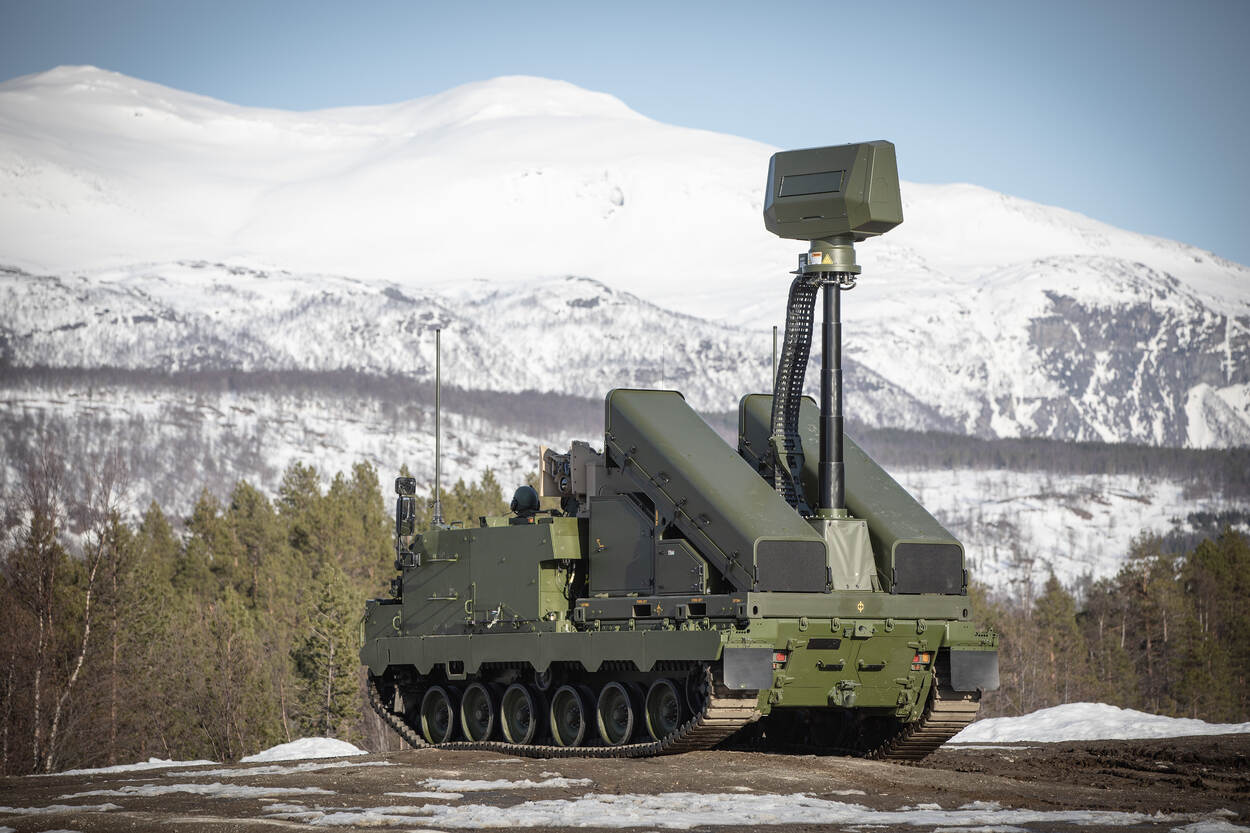
Long celebrated as a global humanitarian donor, Norway is now being pulled towards prioritising Europe’s front line, writes Gusta Harris. Russia’s war on Ukraine has not simply redirected Oslo’s aid, rhetoric, and defence priorities – it has started to change Norway’s international role. As military support for Kyiv grows and global aid budgets come under pressure, Norway faces a new dilemma: how to become a 'Good European' without losing its 'Good Samaritan' role Read more
Tomas Caprara
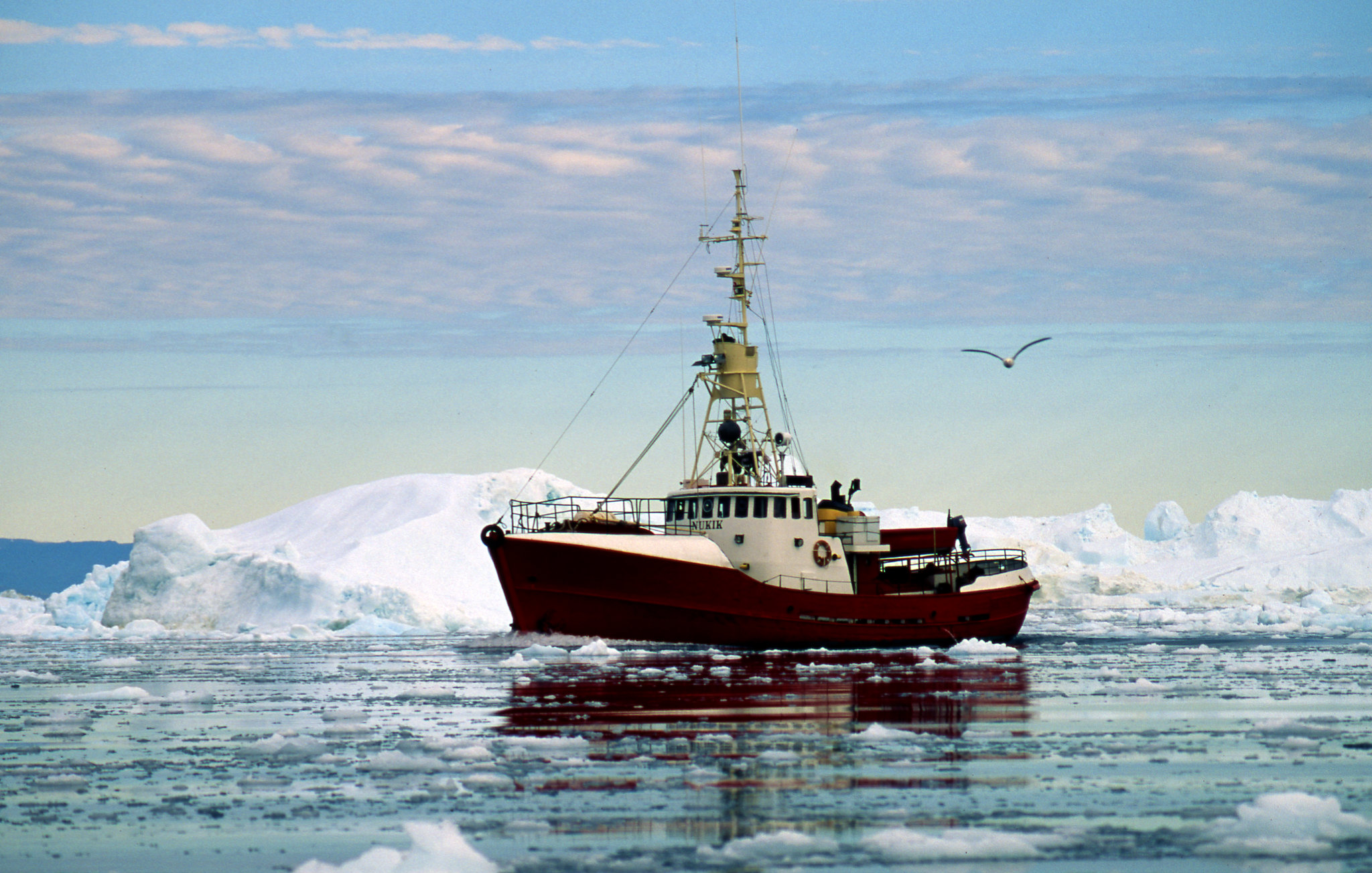
The European Union is missing a strategic opportunity to expand its Northern borders, says Tomas Caprara. Before the August referendum in Iceland, Brussels should show openness towards exceptions on fisheries, the thorniest issue for the Union’s Northern neighbours Read more
Aslak Veierud Busch
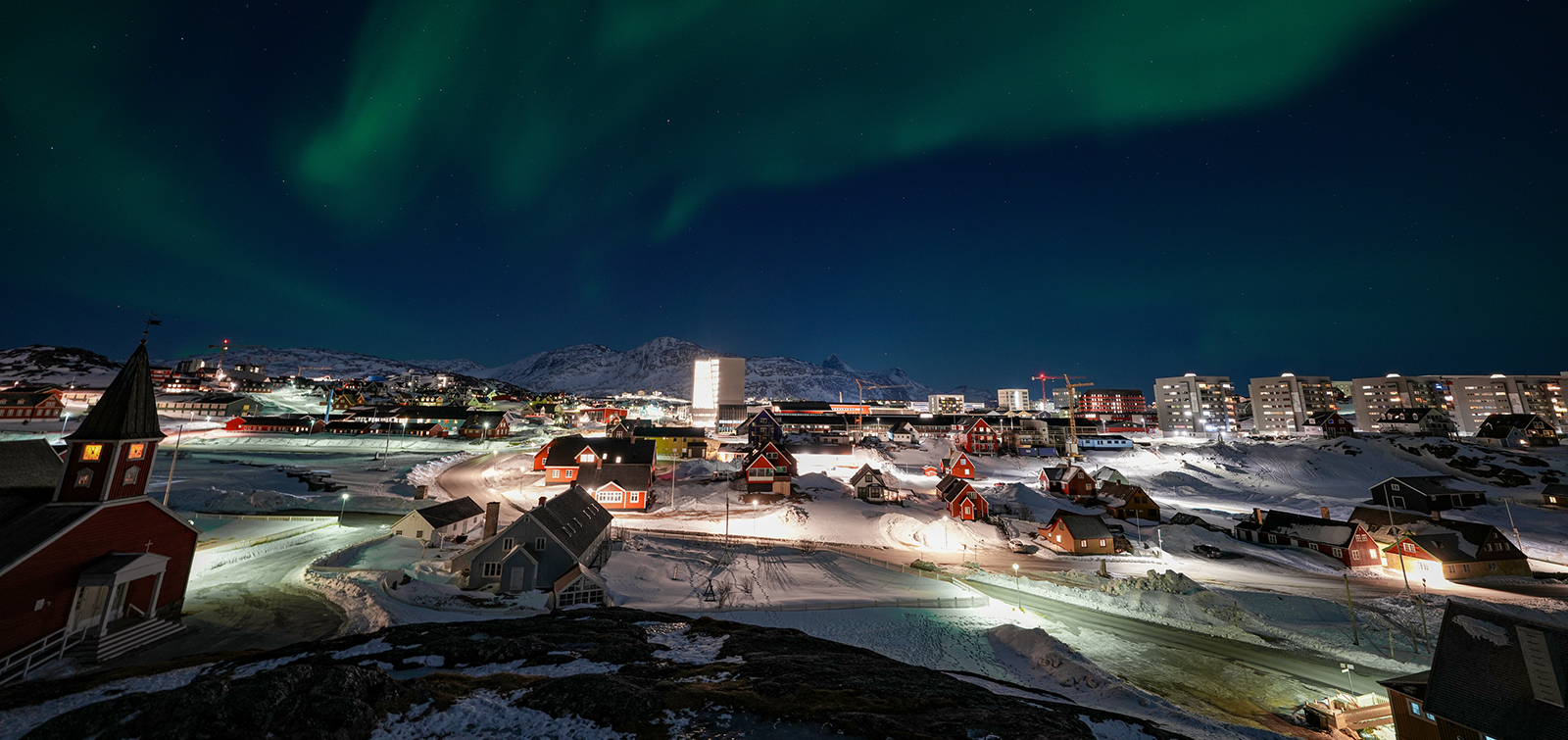
Donald Trump’s sabre-rattling over Greenland has alienated allies and weakened, not strengthened, the US’ position in the Arctic. If the US is serious about solidifying its Arctic position and rebuilding bridges, it should draw some lessons from the EU’s experience, argues Aslak Veierud Busch Read more
Marco Improta
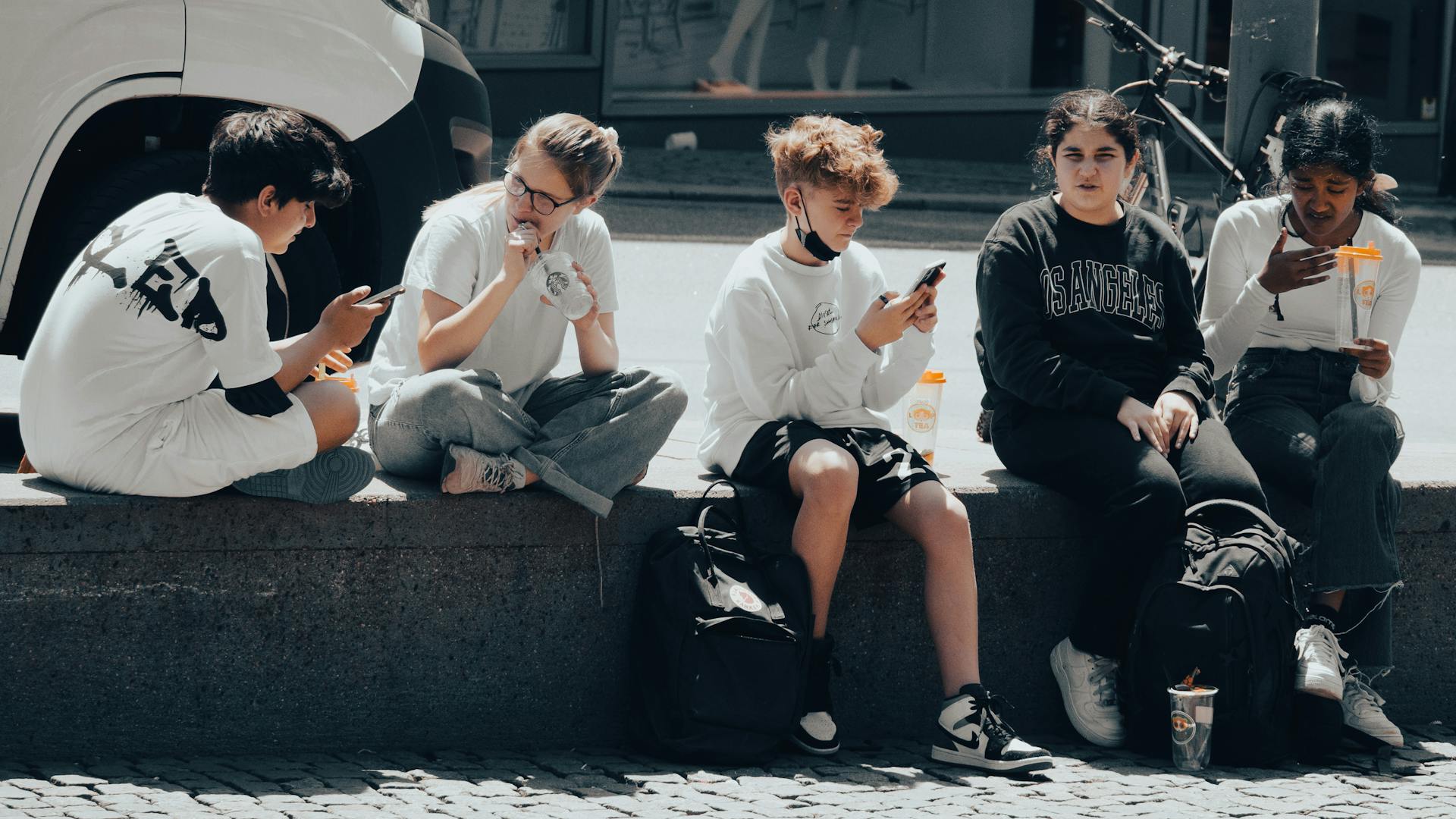
Who benefits from feminism, and who loses from it? Marco Improta and Elisabetta Mannoni reveal an ideological gap between young men and women across Europe. This gap – strong in the UK, but absent in Norway – may relate to perceptions of the 'winners and losers' of feminism Read more
Geoffrey Swenson
Promoters of the rule of law stress the importance of non-state justice for security, stability, and access to justice in the Global South. But as Geoffrey Swenson highlights, actual foreign policy tells a different story. Risk aversion – rather than results – drives foreign policy. Successful rule of law promotion ultimately demands greater risk Read more
Mehmet Haşim Çevik
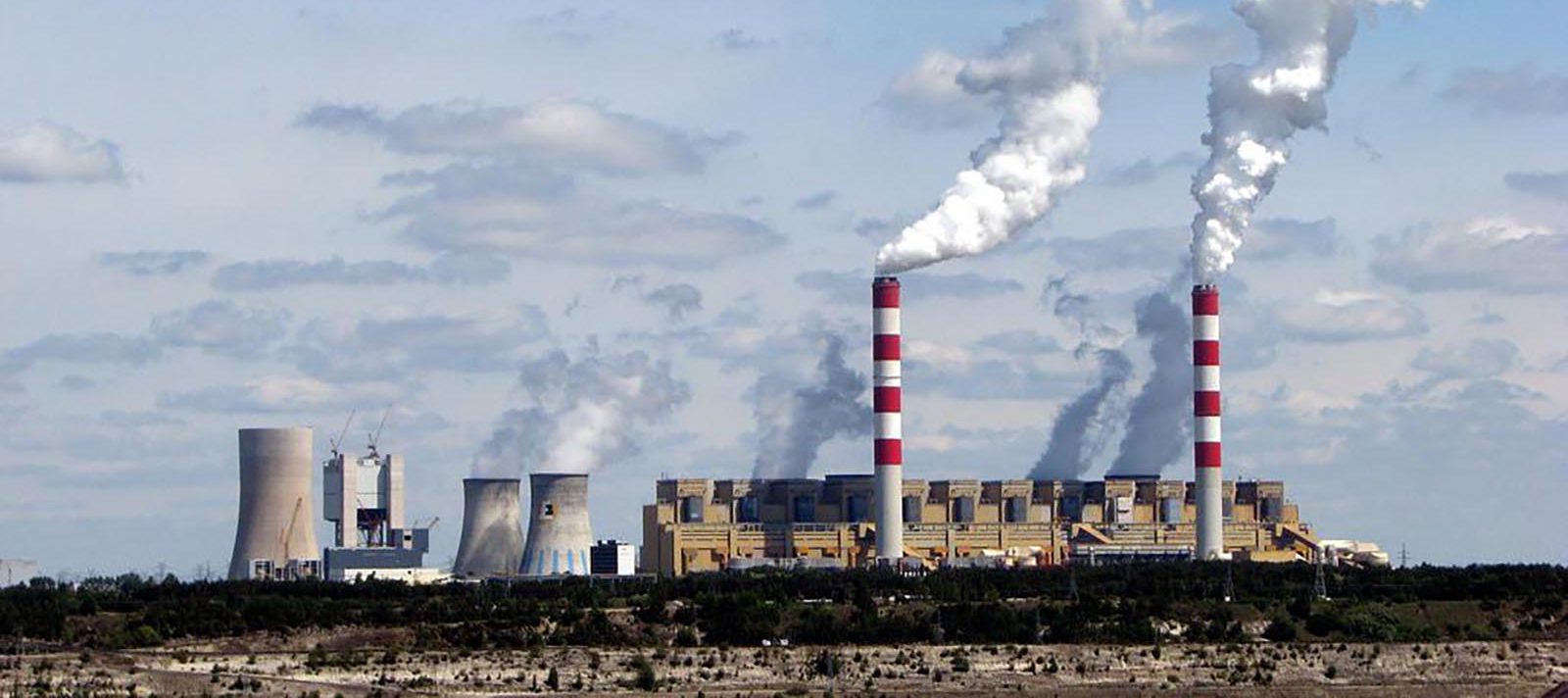
Right-wing populist parties have divergent positions on policies that seek to combat climate change. Key to understanding why, writes Mehmet Haşim Çevik, is whether the country relies on domestic fossil fuels Read more
Ragnhild Louise Muriaas
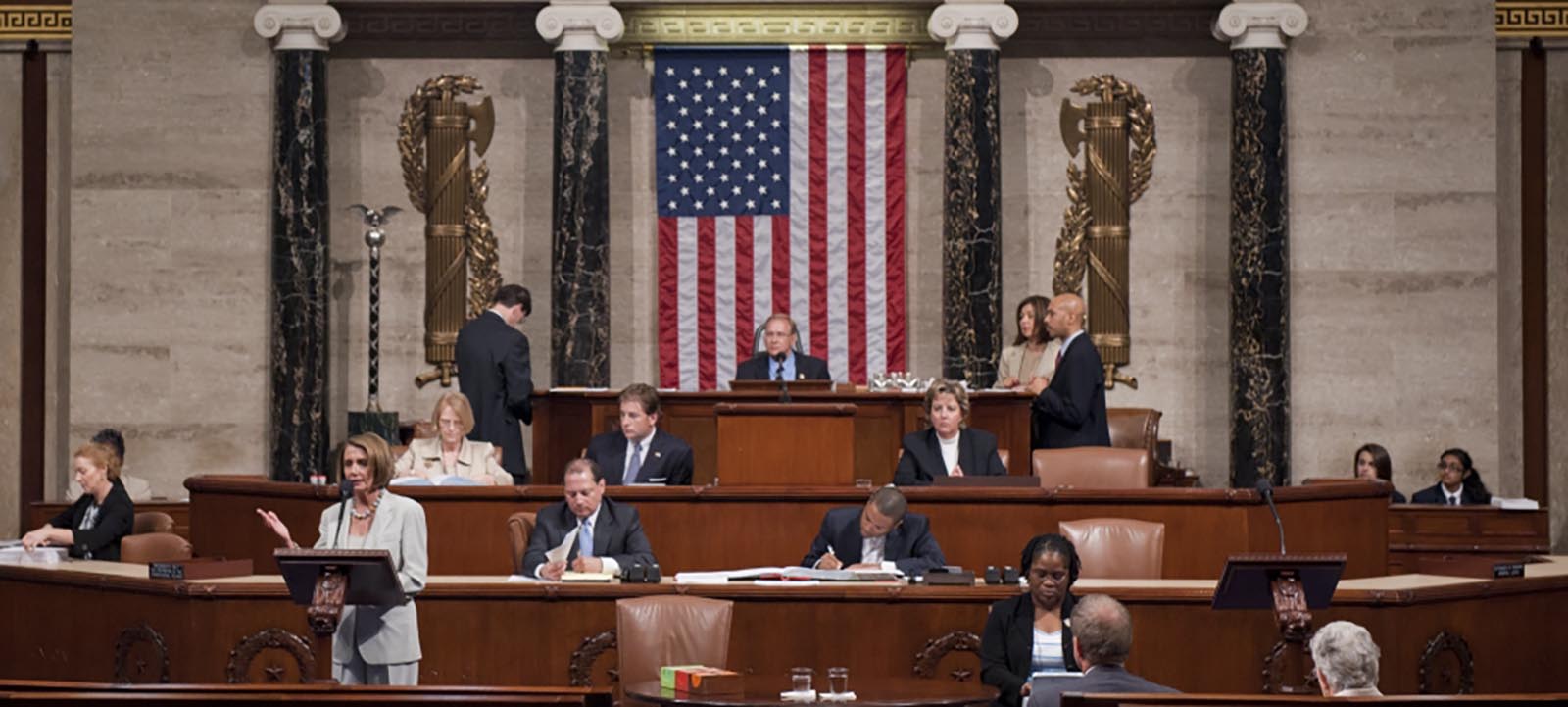
Women have made great strides towards equal representation in parliaments across the world. Their short parliamentary careers, however, still stop them from representing their constituents as effectively as men colleagues, write Ragnhild L. Muriaas and Torill Stavenes, guest editors of The Loop’s blog series to mark International Women’s Day on Friday 8 March Read more
Stefano Braghiroli
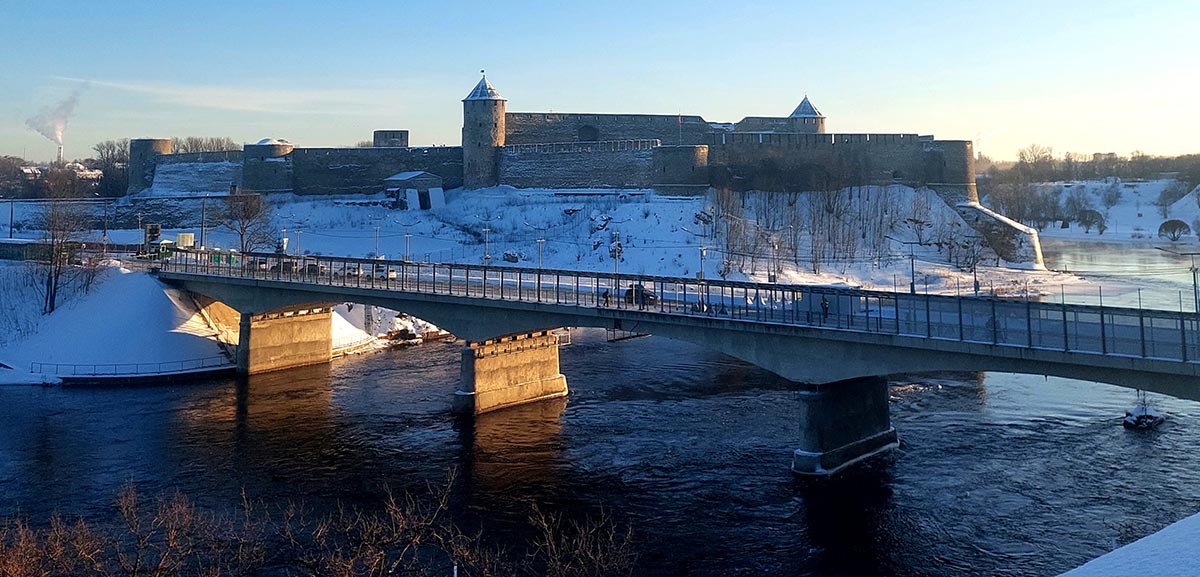
Traditionally, Nordic and Baltic elites hold divergent views on migration. Despite this, they have presented a united front in their response to recent border crises with Belarus and Russia, write Stefano Braghiroli and Sandra Hagelin Read more
We use necessary cookies to make our site work. We'd also like to set analytics cookies that help us make improvements by measuring how you use the site. These will be set only if you accept.
▼
Strictly Necessary Cookies
Necessary cookies enable core functionality such as security, network management, and accessibility. You may disable these by changing your browser settings, but this may affect how the website functions.
▼
Analytics Cookies
Google Analytics
We'd like to set Google Analytics cookies to help us improve our website by collecting and reporting information on how you use it. The cookies collect information in a way that does not directly identify anyone. For more information on how these cookies work please see our Privacy Notice.