Michael Zeller
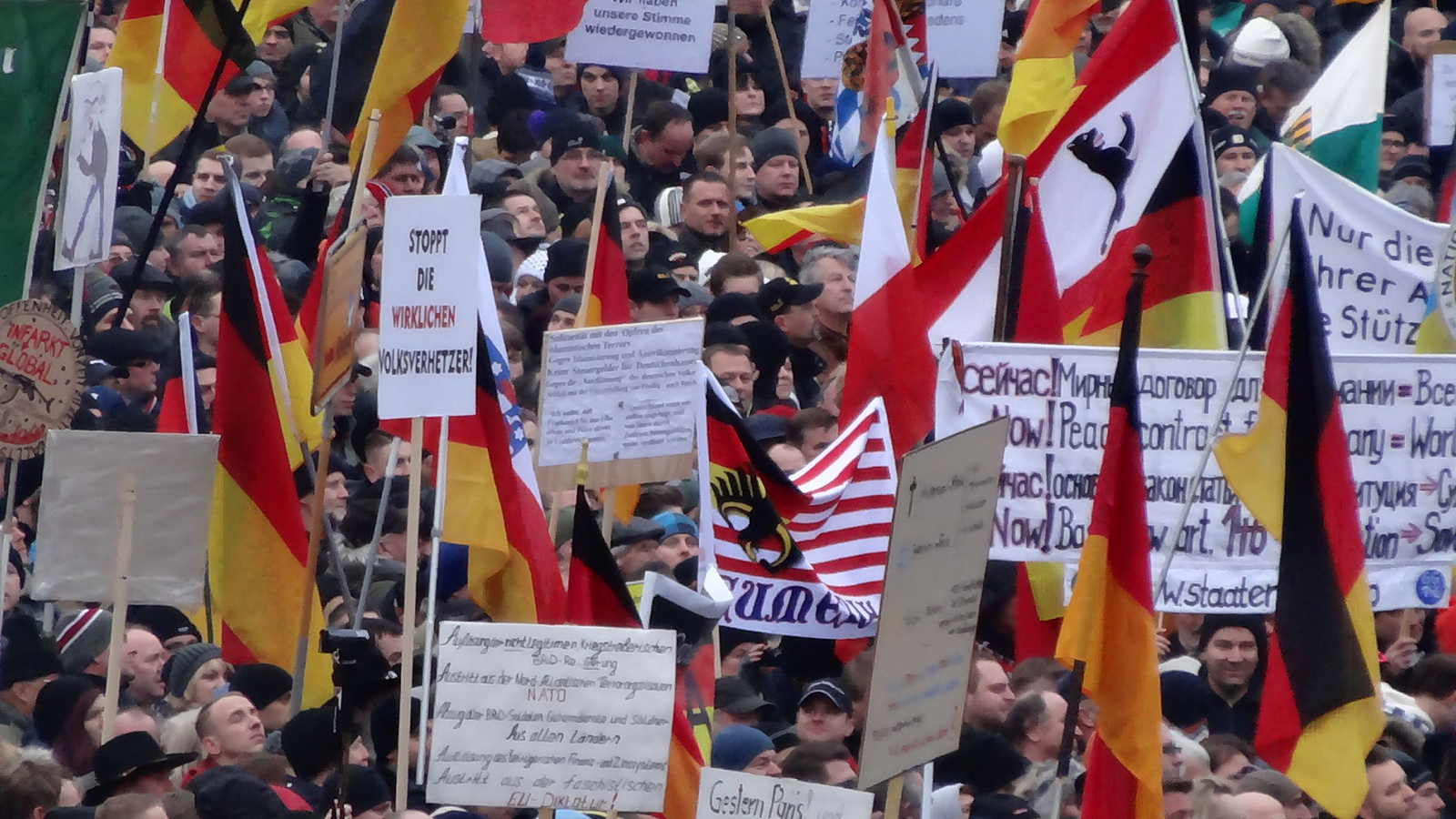
Many extremist organisations exist and operate in democratic societies. Some get banned by democratic authorities; others don’t. Why? Using data on far-right organisations from Germany, Michael Zeller explains why governments ban only some of the organisations working to undermine Germany’s constitutional democracy Read more
Ivo Kesler
In its 2024 election manifesto, the far-right Austrian Freedom Party sets out its plan to curb migration and naturalisations. Ivo Kesler argues that the party is also advocating for a two-tiered völkisch – ethnic – nationalist conception of citizenship Read more
Andreea Tănasie
Memory is a buzzword in many political and cultural debates, for building a shared identity to legitimising right-wing populism. Andreea Tănasie explores the institutionalisation of memory through museums across Europe, revealing how curatorial choices hide broader dynamics of legitimacy and exclusion Read more
Amit Singh
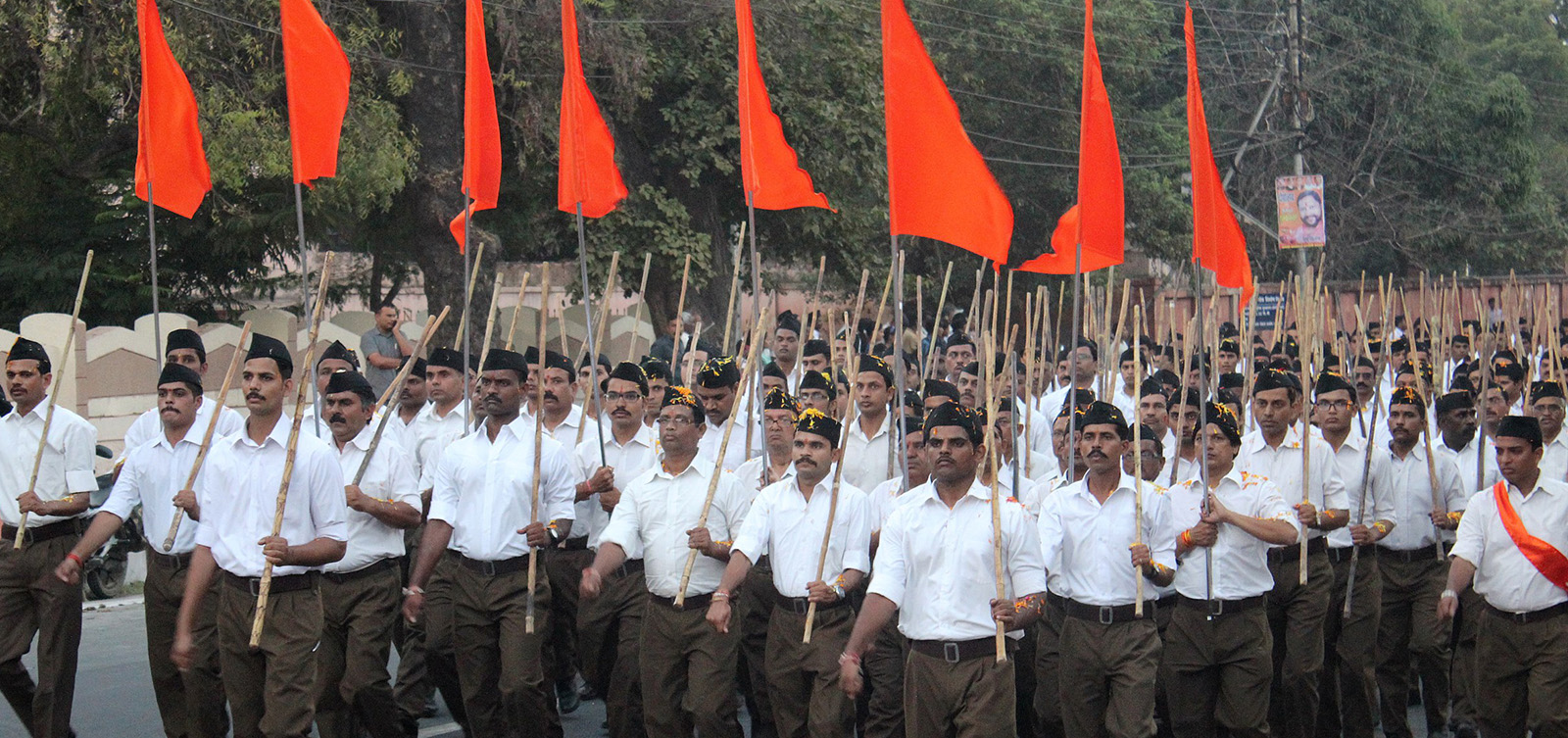
Emboldened by the support of the State, Hindu nationalists have unleashed violent attacks on religious minorities in India. Constant state propaganda and communal violence have led to the development of a ‘Nazi conscience’ among the Hindu majority, which now perceives violence to be morally righteous, argues Amit Singh Read more
Ildiko Otova
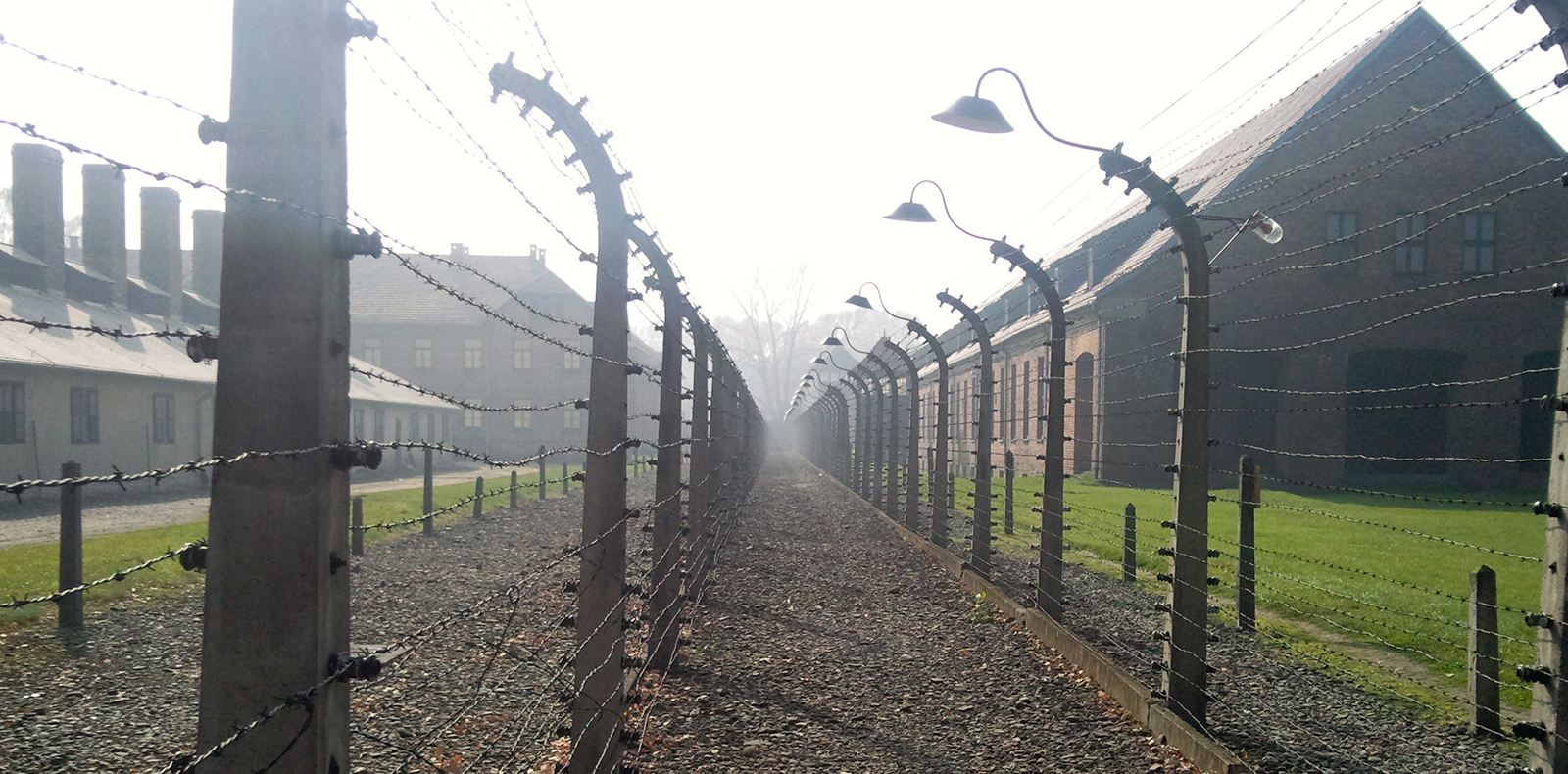
Bulgaria recently celebrated the 80th anniversary of the State rescuing 48,000 Jews from deportation and death in Nazi concentration camps. On the surface, this reads like a nation-affirming narrative. But Ildiko Otova argues that the celebrations were merely another attempt to construct a mythology of Holocaust denial Read more
Amit Singh
In India, fascism is reinventing itself. It has crept through Hindu nationalism – Hindutva – and now poses a serious threat to Indian democracy, writes Amit Singh Read more
Luca Manucci
Luca Manucci argues that illiberalism and autocratisation have too readily been labelled as ‘populism’, an all-embracing concept which simply helps to provide cover to the neo-fascist cause. This has led to surprise when a politician like Giorgia Meloni, leading a party with neo-fascist roots, reaches the brink of power Read more
Julian G. Waller
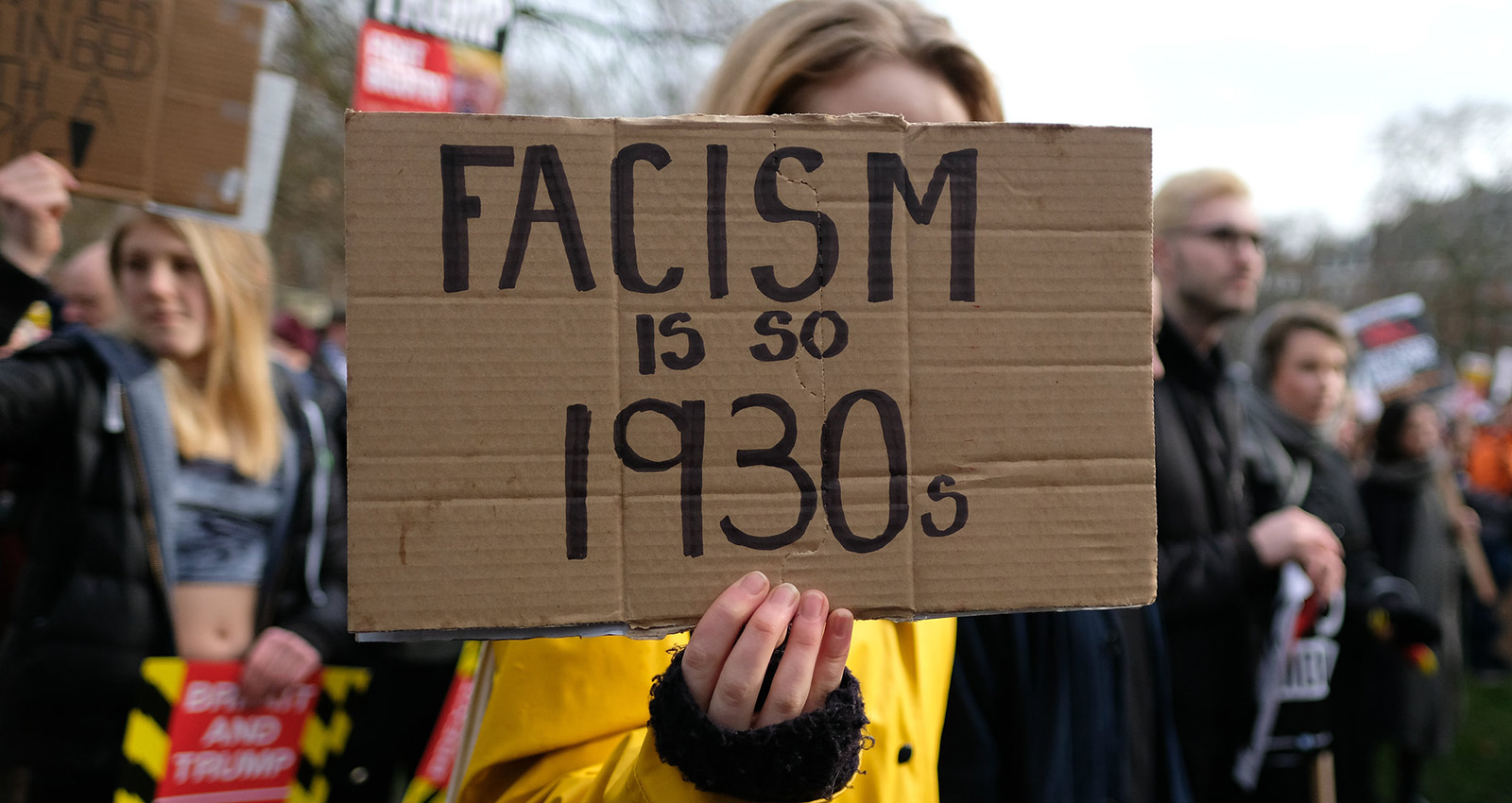
Some contemporary political developments take inspiration from fascism. But analogies between modern anti-liberal reaction and earlier totalitarian ideologies tend to obscure more than they enlighten. The concept of illiberalism allows us to make cross-national, ideational comparisons – especially transhistorical ones, writes Julian G. Waller Read more
We use necessary cookies to make our site work. We'd also like to set analytics cookies that help us make improvements by measuring how you use the site. These will be set only if you accept.
▼
Strictly Necessary Cookies
Necessary cookies enable core functionality such as security, network management, and accessibility. You may disable these by changing your browser settings, but this may affect how the website functions.
▼
Analytics Cookies
Google Analytics
We'd like to set Google Analytics cookies to help us improve our website by collecting and reporting information on how you use it. The cookies collect information in a way that does not directly identify anyone. For more information on how these cookies work please see our Privacy Notice.