Vera Tika
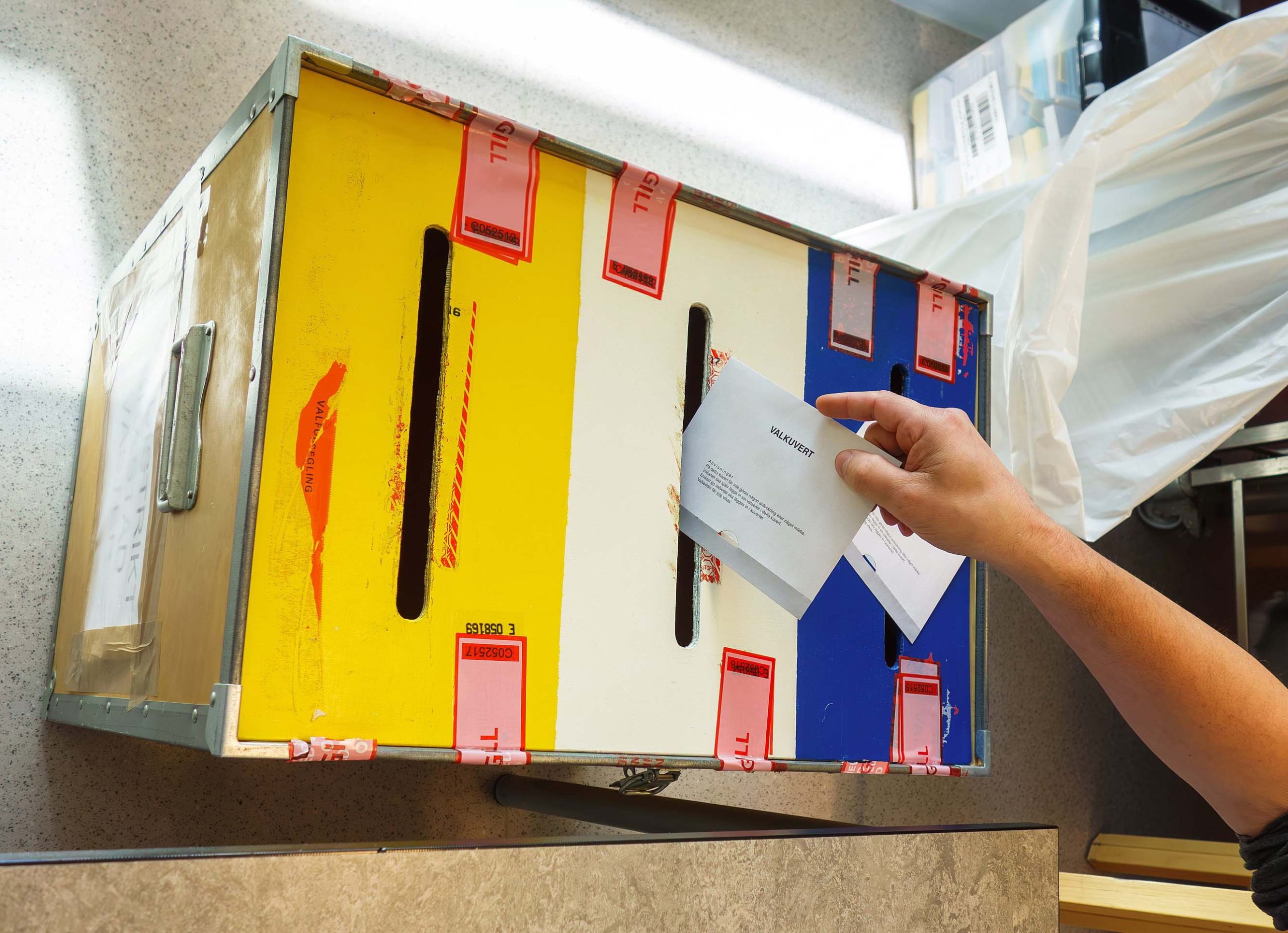
Sweden's election defeated the Tidö bloc and blocked the Sweden Democrats' route into government. Yet the restrictive political settlement they helped construct may endure. Vera Tika argues that far-right normalisation is not automatically reversed by electoral defeat: once institutionalised, illiberal change can acquire a political life of its own Read more
Akash Shah
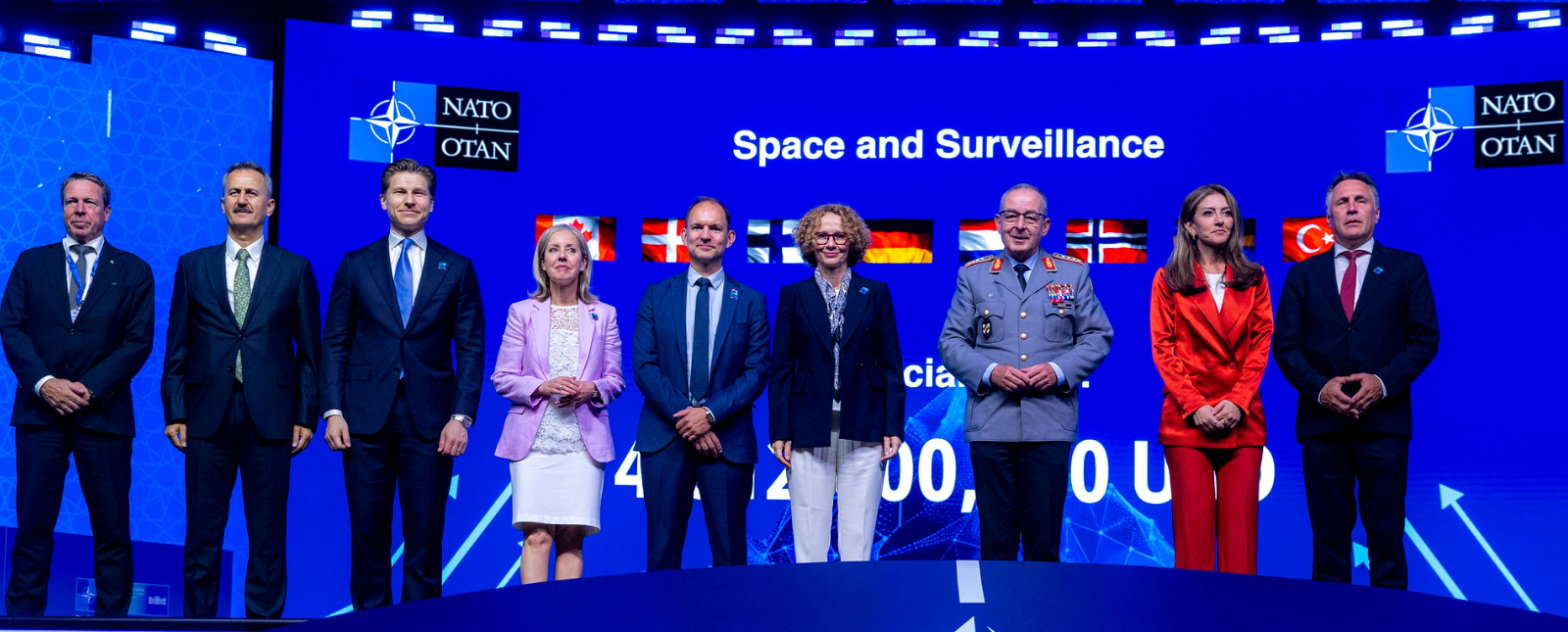
Akash Shah analyses the necessity of HALO for NATO’s integration of space architecture. Here, he suggests that President Trump’s push for European self-reliance, data sovereignty and technical challenges could all explain the US absence from this initiative Read more
Syeda Saba Batool
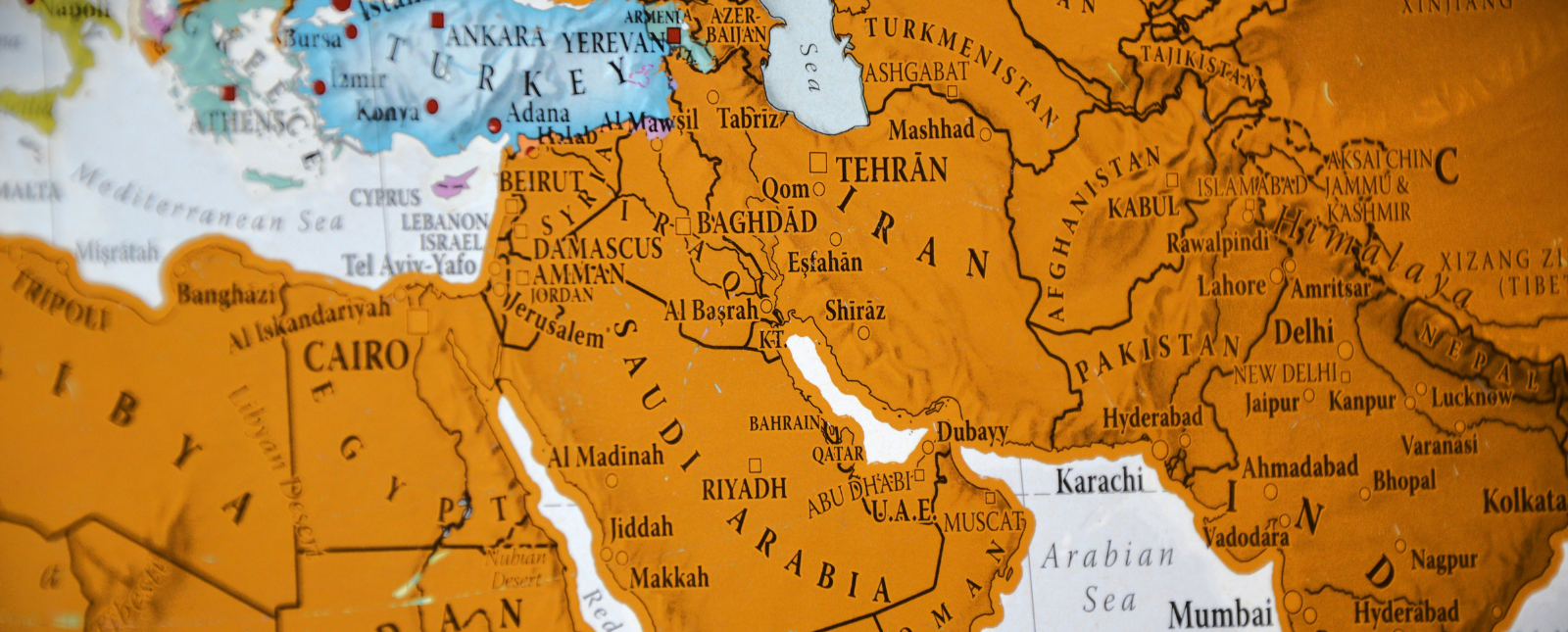
Syeda Saba Batool argues that a new defence agreement between Pakistan, Türkiye and Saudi Arabia could diversify regional security options. It may also strengthen collective deterrence, and reshape the security architecture of West and South Asia Read more
Adam Kola
EU institutions, policymakers and many expert debates often frame enlargement as a test for candidate countries. Adam Kola argues that it is equally a test for the European Union. The accession of Ukraine, Moldova and the Western Balkans will also reshape the EU by forcing it to reform and redefine itself Read more
Oana-Cosmina Mihalache
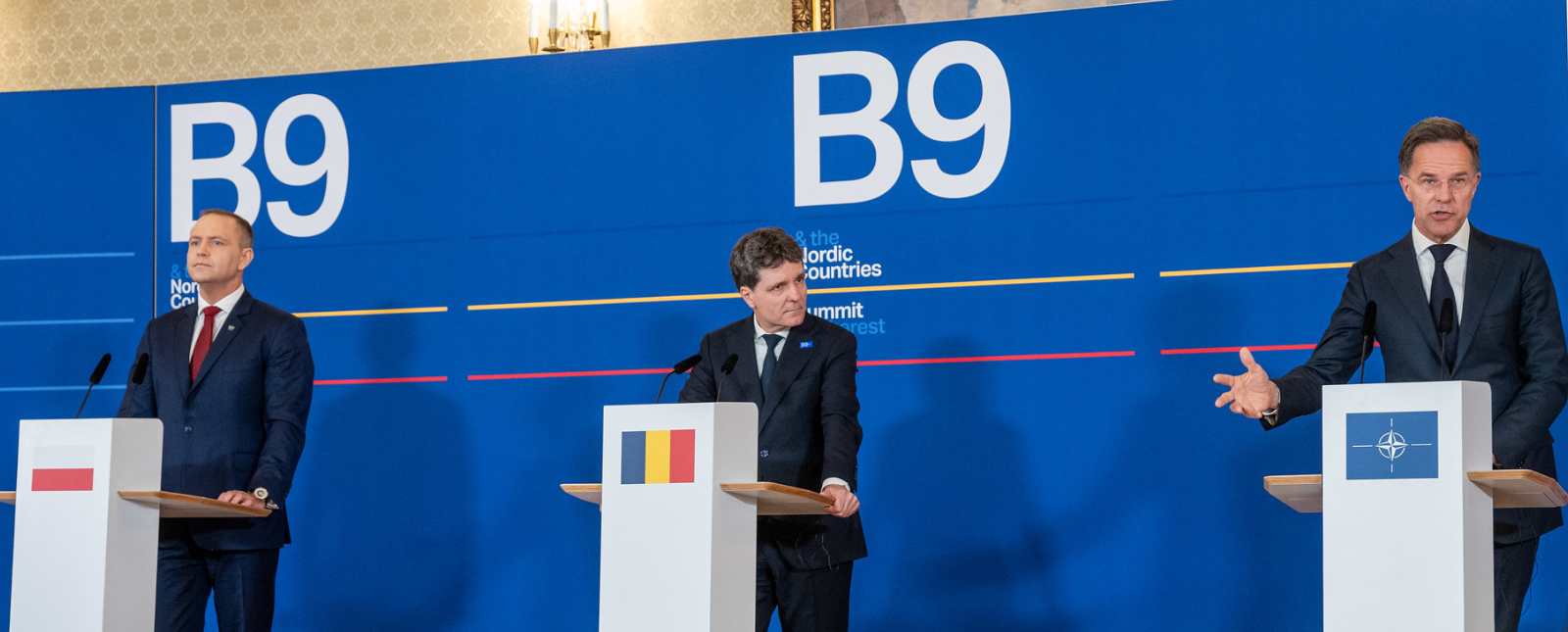
On 13 May 2026, Bucharest hosted the Summit of the Bucharest Nine (B9) and the Nordic countries. Oana-Cosmina Mihalache argues that the reunion’s outcome was indicative of the format’s role in the architecture of European defence cooperation Read more
Roza Roovers
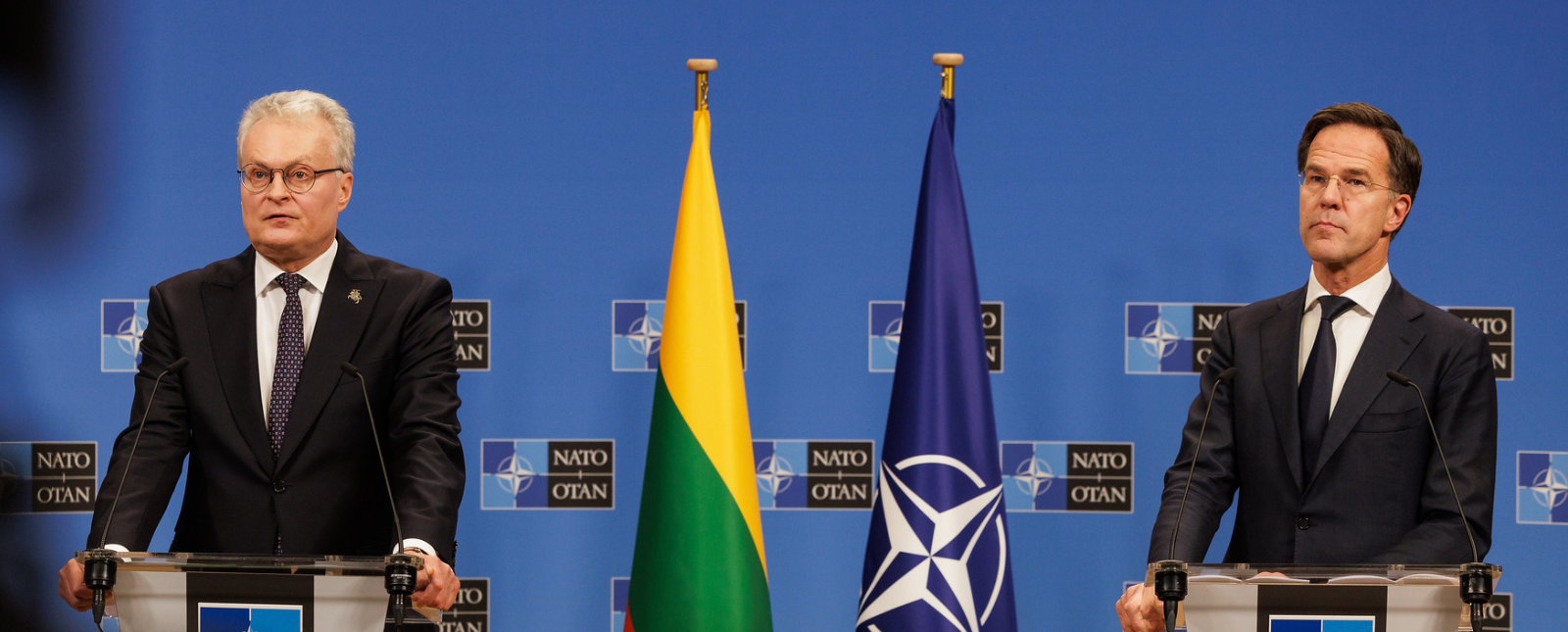
On 28 January 2026, Roza Roovers, Hassan Naderi Far and Gigi Maria Massaro spoke with Lithuanian security expert Margarita Šešelgytė. With global power balance in flux, Šešelgytė suggests that many traditional assumptions in international relations theory no longer explain today’s security environment Read more
Shamsoddin Shariati
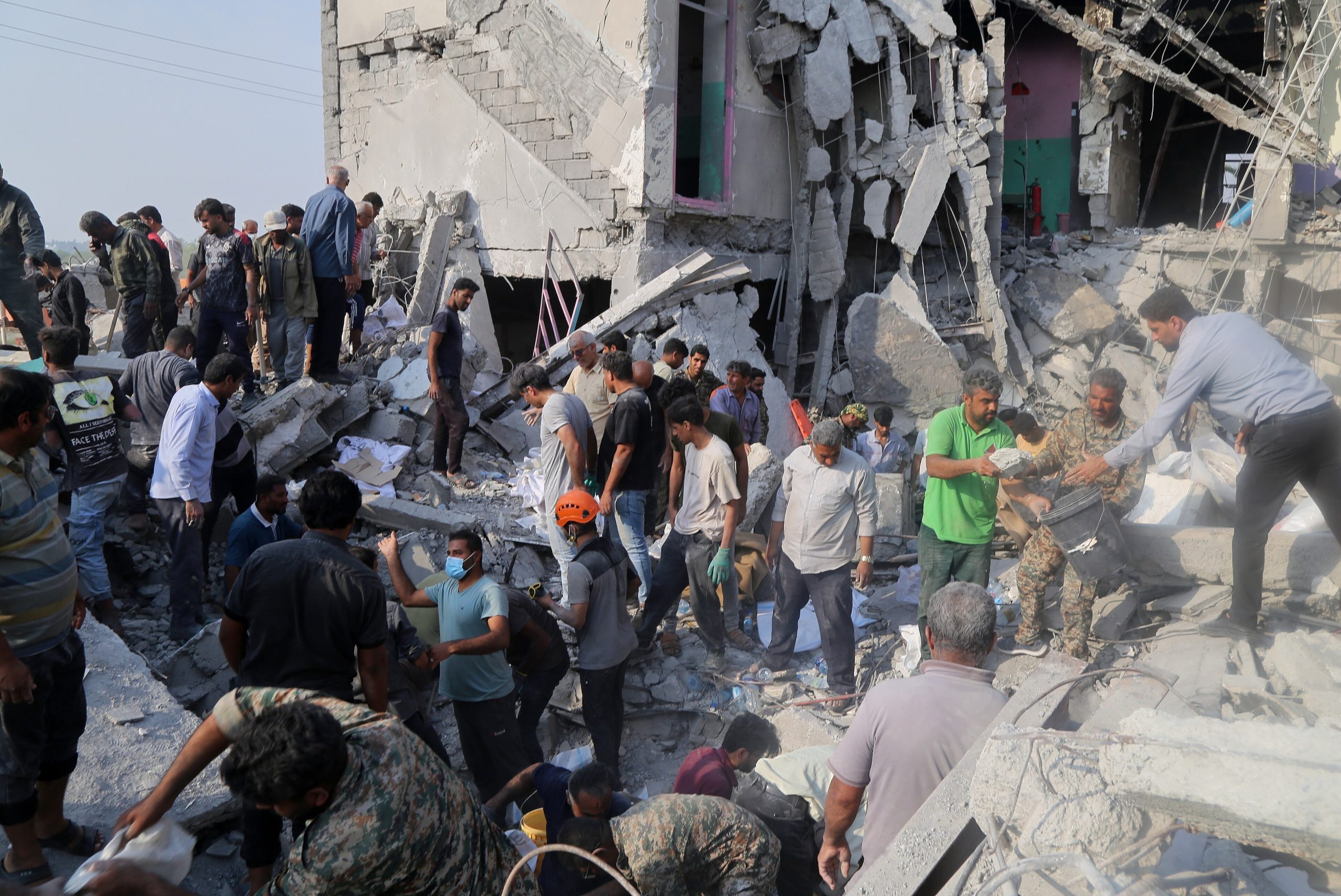
Europe’s support for the US-Israeli war on Iran, in the hope of securing American backing for Ukraine, is a strategic mistake, argues Shamsoddin Shariati. Rather than buying goodwill in Washington, European leaders are undermining their own security, credibility, and strategic autonomy Read more
Josefin Graef
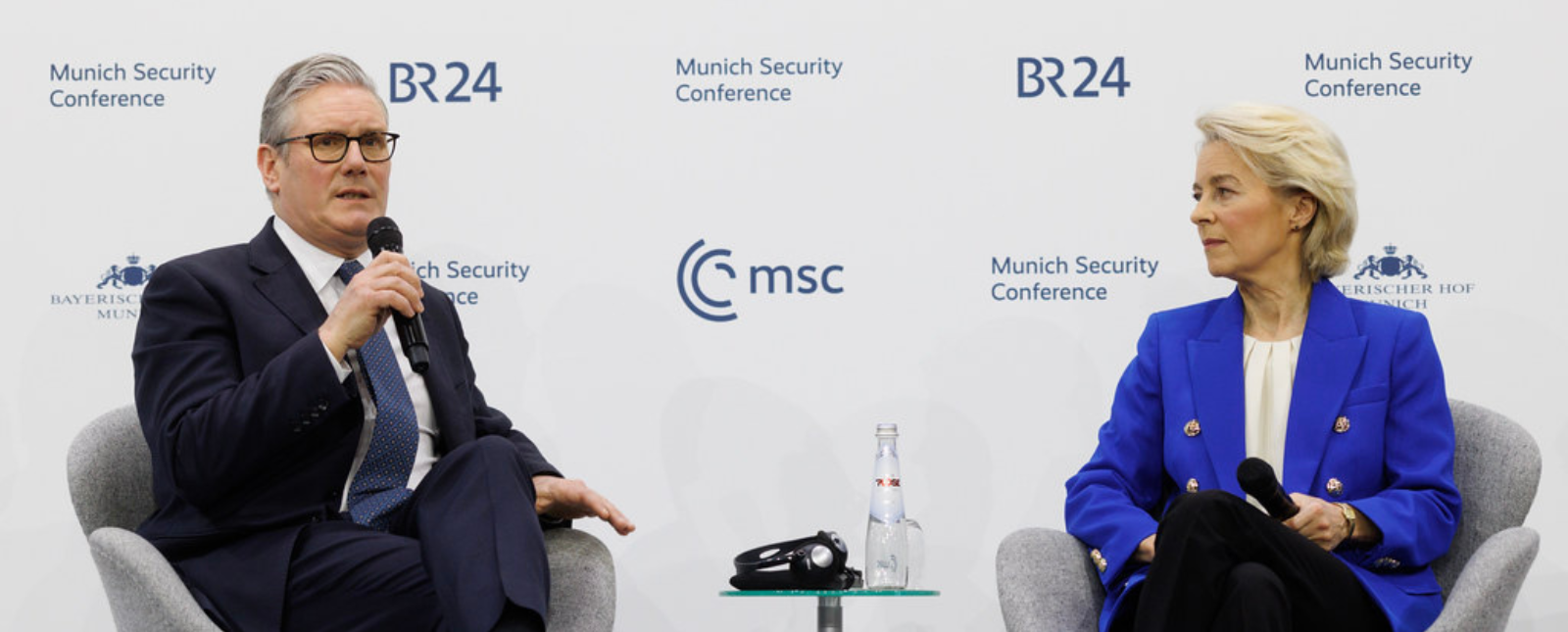
In 1963, the Munich Security Conference was founded to strengthen West Germany’s integration into NATO. The 62nd annual Conference, which took place 13–15 February 2026, shows the increasing influence of civilisationist politics on transatlantic security, argues Josefin Graef Read more
We use necessary cookies to make our site work. We'd also like to set analytics cookies that help us make improvements by measuring how you use the site. These will be set only if you accept.
▼
Strictly Necessary Cookies
Necessary cookies enable core functionality such as security, network management, and accessibility. You may disable these by changing your browser settings, but this may affect how the website functions.
▼
Analytics Cookies
Google Analytics
We'd like to set Google Analytics cookies to help us improve our website by collecting and reporting information on how you use it. The cookies collect information in a way that does not directly identify anyone. For more information on how these cookies work please see our Privacy Notice.