Matthew E Bergman
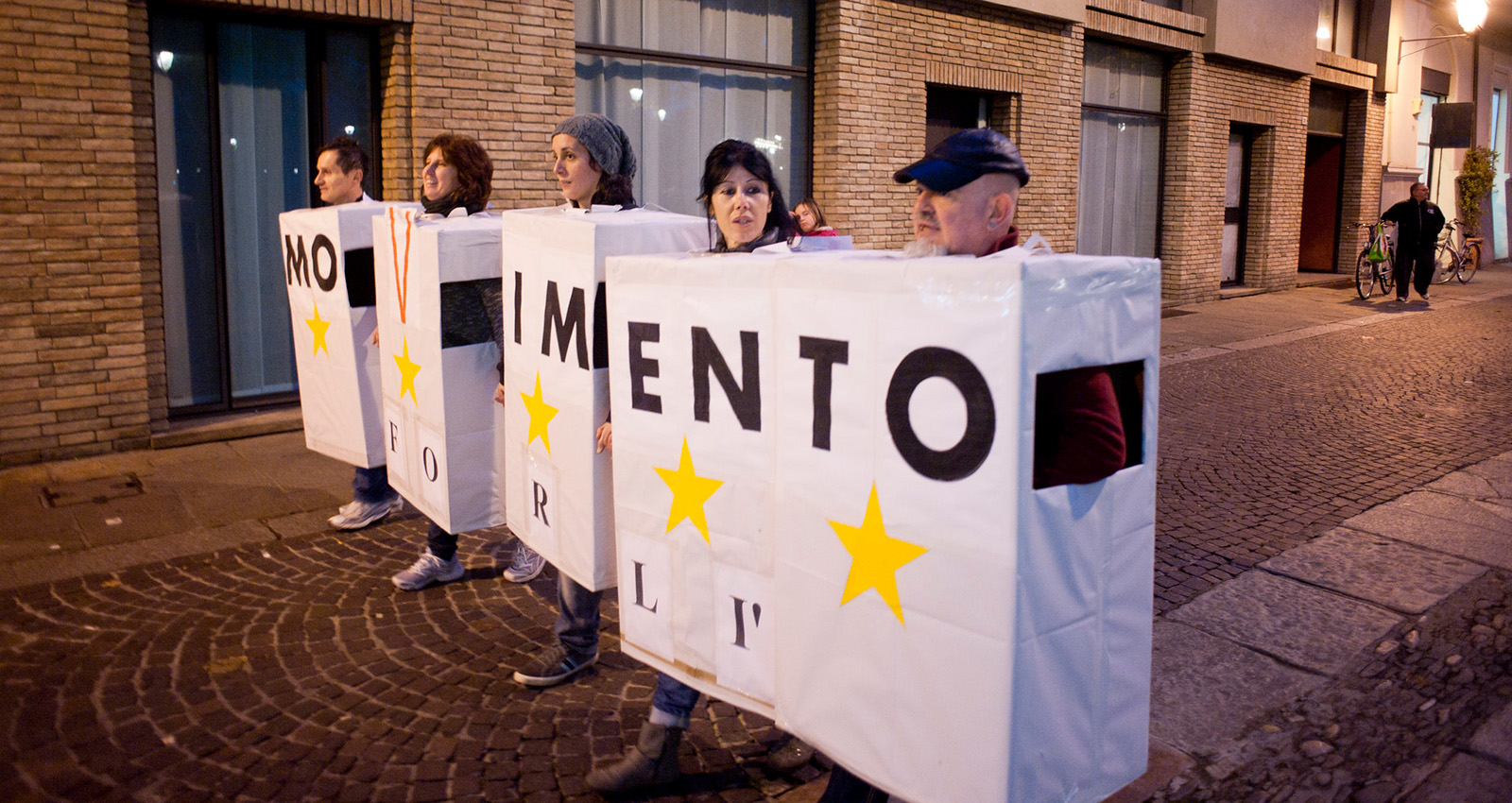
Matthew E Bergman reveals how so-called valence populism (populism focused on competence and good governance rather than ideology) has a potential electoral disadvantage. While non-ideological messages that focus on good governance may broaden electoral appeal, lacking an ideological core can also cost votes. The fortunes of Italy’s Five-Star Movement offer a cautionary tale Read more
Andrea Ceron
Analysing posts on Facebook and Twitter-X, Andrea Ceron, Silvia Decadri, and Fedra Negri highlight how Italian politicians use populist rhetoric to generate engagement. They find that such rhetoric does indeed increase the likelihood of posts going viral, even among non-populist voters Read more
Mattia Zulianello
Mattia Zulianello and Petra Guasti explore and rebut three die-hard myths about populism. This, they argue, on the one hand guards against overestimating populism as a phenomenon. On the other, it warns that we must not underestimate the political strength of the so-called populist radical right Read more
Valerio Alfonso Bruno
Russia’s war on Ukraine has split the Italian centre-left opposition between pacifists and those arguing in favour of arming Ukraine. Disunity on how to respond to the crisis, write Valerio Alfonso Bruno, James F. Downes and Alessio Scopelliti, will likely weaken these parties and strengthen Meloni's right-wing coalition Read more
Arianna Giovannini
A right-wing coalition won the Italian general election in September, but not all the parties within it fared well. After a boom in votes in 2018–19, support for Salvini’s League has collapsed. This, argue Arianna Giovannini and Davide Vampa, is the price for selling the party’s soul Read more
Giovanni Capoccia
The Italian general election produced a clear majority for the right-wing coalition headed by the Brothers of Italy, following a significant shift of votes within the coalition. The parties of the centre-left failed to forge an electoral alliance to stop the right. The political landscape remains volatile, says Giovanni Capoccia Read more
Martin Bull
The resignation on 21 July 2022 of Italian Prime Minister, Mario Draghi, was a classic example of the machinations of Italian politics, argues Martin Bull. The outcome of a manufactured crisis and a manipulation of events by the parties of the right, Draghi’s fall was neither inevitable nor expected Read more
Martin Bull
The Italian Five Star Movement has undergone a formidable split, with former leader Luigi di Maio walking out with 60 parliamentarians and forming a new party. This, and declining popularity in opinion polls, marks the twilight of Five Star’s decade-long success – and possibly the end of populist politics in Italy, writes Martin Bull Read more
We use necessary cookies to make our site work. We'd also like to set analytics cookies that help us make improvements by measuring how you use the site. These will be set only if you accept.
▼
Strictly Necessary Cookies
Necessary cookies enable core functionality such as security, network management, and accessibility. You may disable these by changing your browser settings, but this may affect how the website functions.
▼
Analytics Cookies
Google Analytics
We'd like to set Google Analytics cookies to help us improve our website by collecting and reporting information on how you use it. The cookies collect information in a way that does not directly identify anyone. For more information on how these cookies work please see our Privacy Notice.