Nicolás E. Salvoni
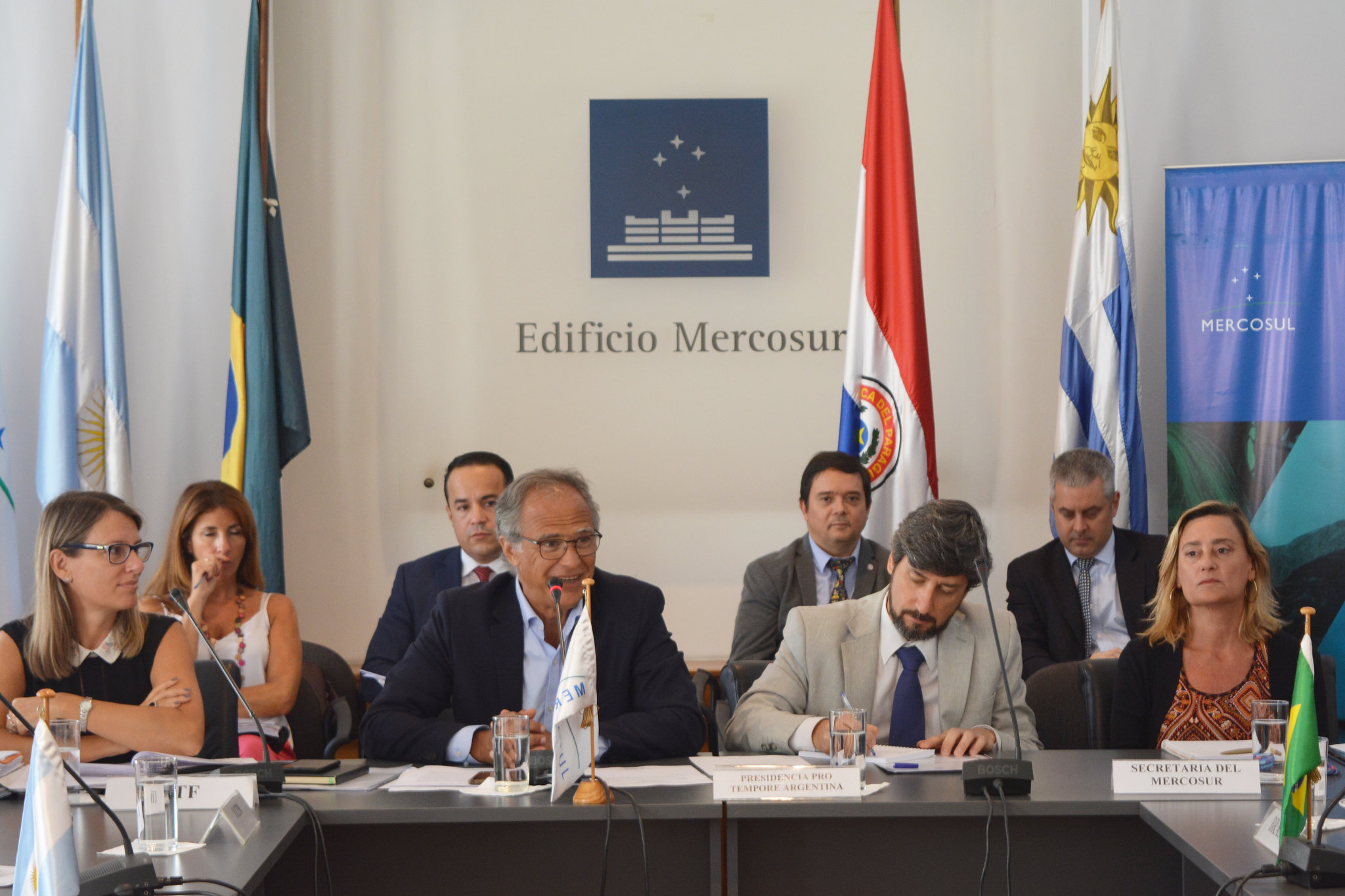
Tensions between Argentina and Brazil after Javier Milei's remarks warning Brussels not to 'restrict' the newly signed EU-Mercosur trade deal with safeguards have revived speculation about Mercosur's future. But Nicolás Salvoni explains why withdrawal remains unlikely. Here, he uses trade data to show why smaller economies – and Argentina's auto industry – would bear the sharpest costs, while Brazil's would be lower Read more
Zoé Perko
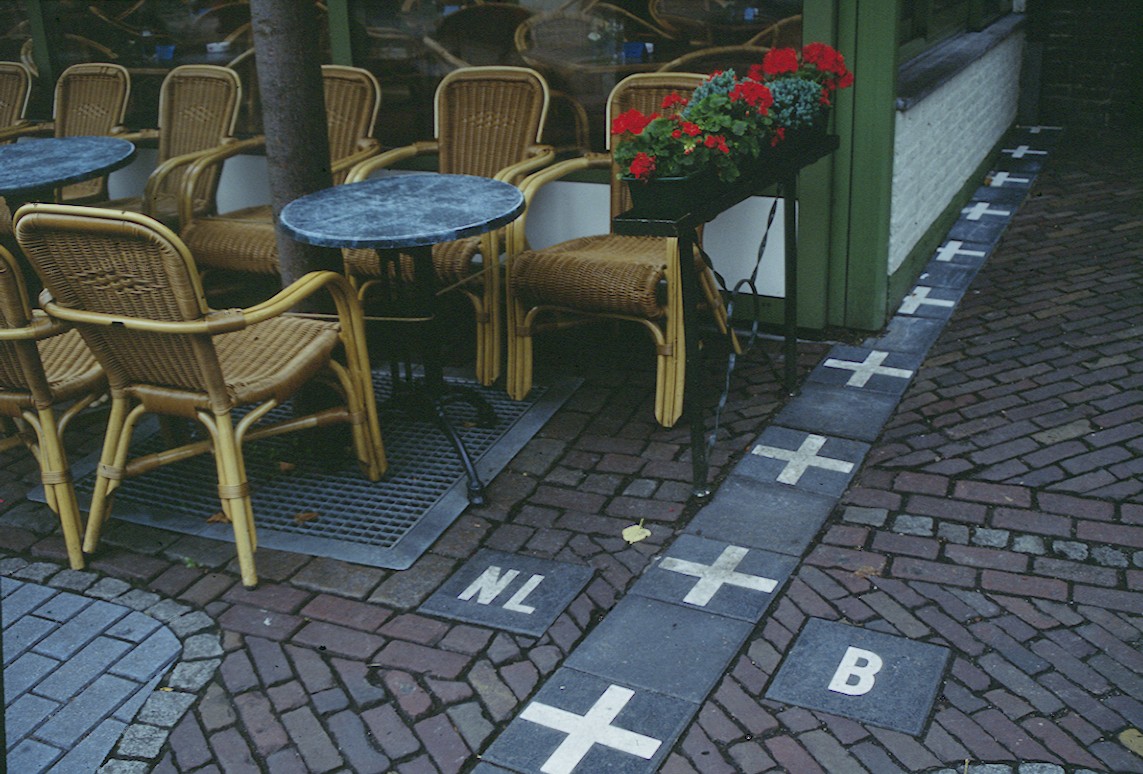
We tend to regard free movement as a legal and institutional achievement, but this view overlooks the lived realities in the Global South. Drawing on research in West Africa and South America, Zoé Perko shows how informal practices and historical networks redefine how ‘free movement’ really works Read more
Renata Mieńkowska-Norkiene
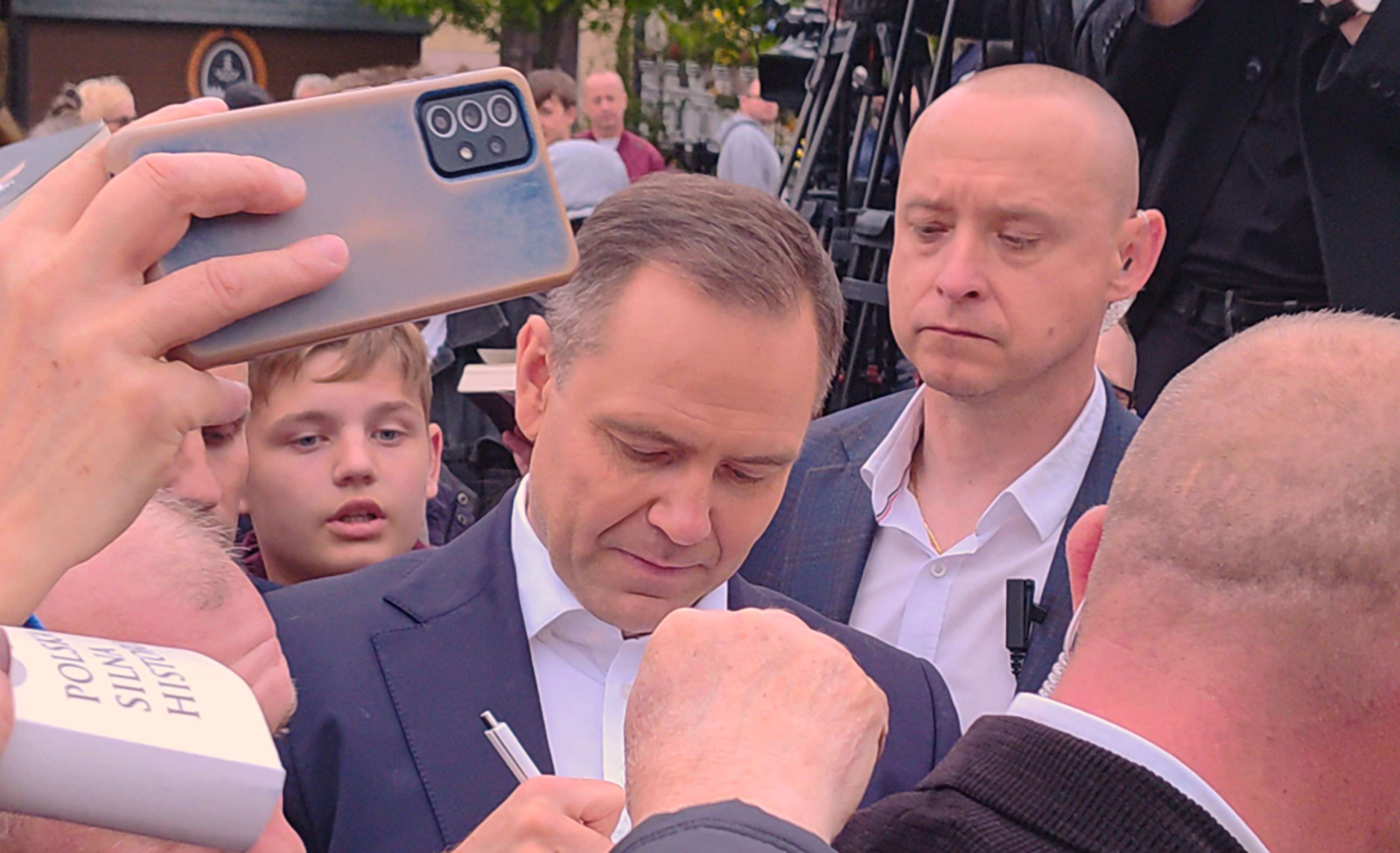
Poland's presidential election resulted in surprise defeat for centrist Civic Coalition candidate Rafał Trzaskowski. Renata Mieńkowska-Norkiene describes how Donald Tusk's governing coalition misjudged the public mood – and how the right-wing Karol Nawrocki convinced the Polish electorate that he is a 'man of the people' Read more
Juan Cruz Díaz
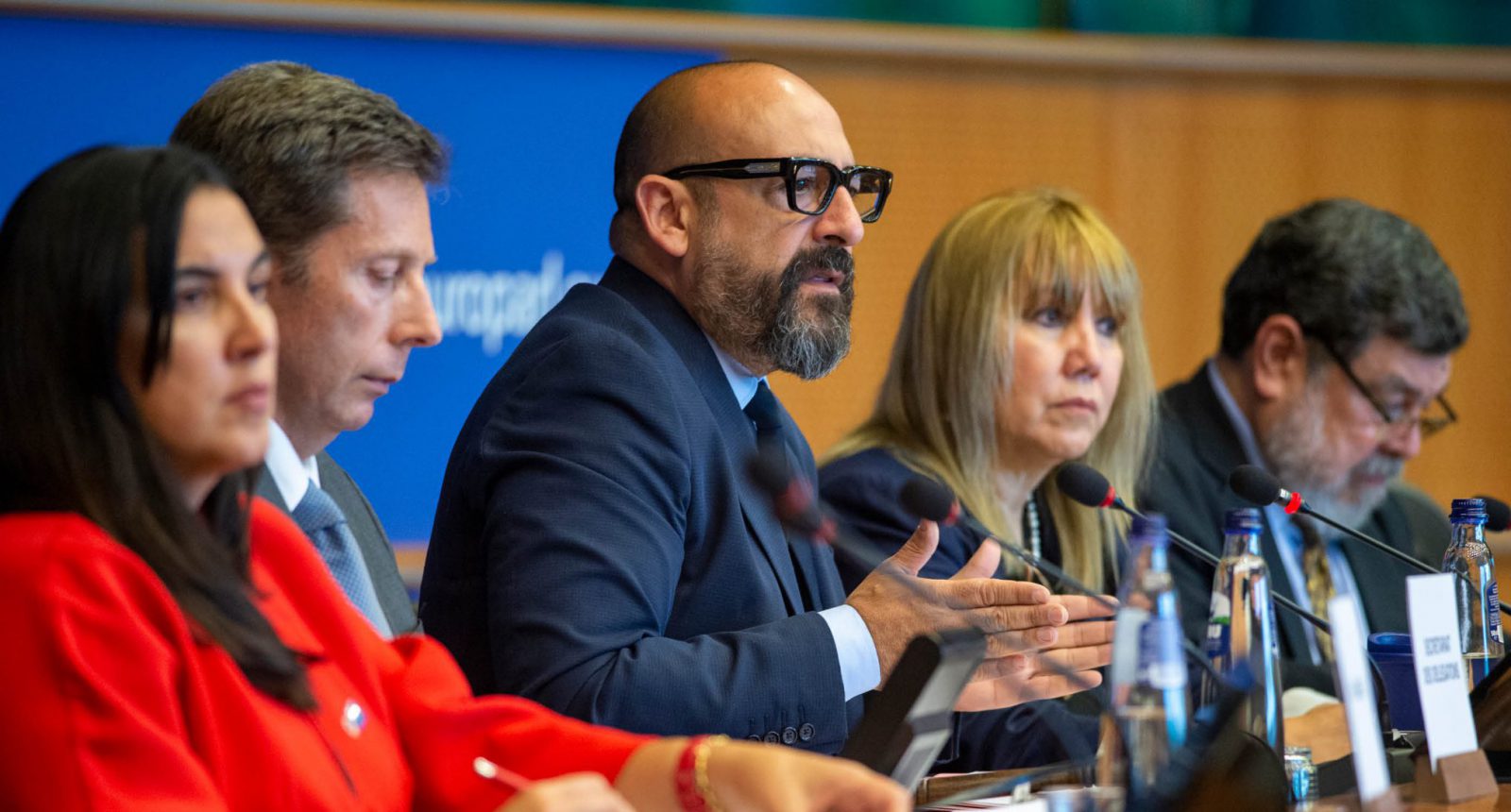
Long-running negotiations between the European Union and Mercosur, aimed at forming an Association Agreement and liberalising trade, have faced numerous hurdles. As the December deadline for signature approaches, doubts loom over the pact’s future, write Juan Cruz Díaz and Carlos José Cruz Infante Read more
Carlos José Cruz Infante
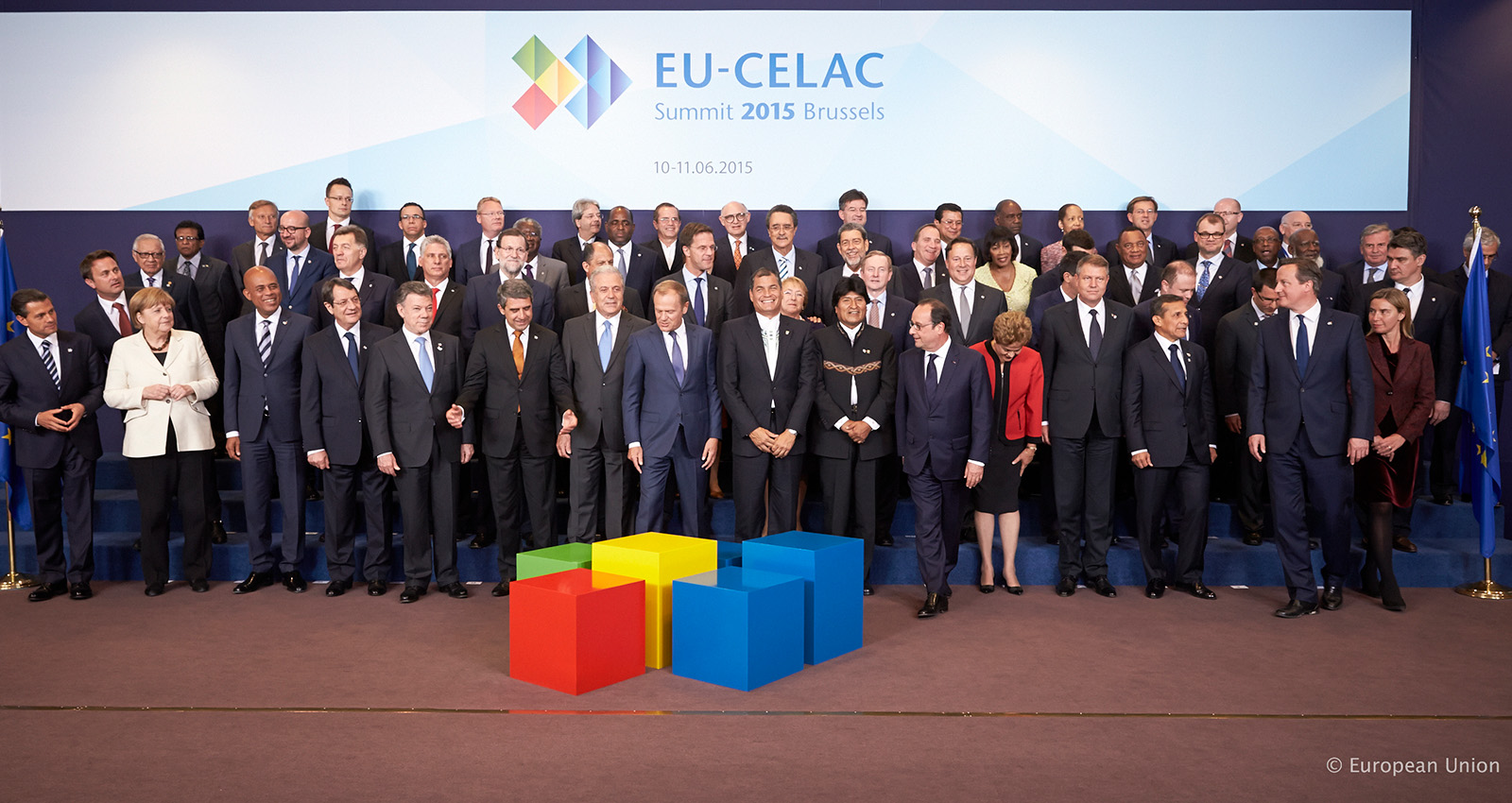
Heads of state from Europe and Latin America and the Caribbean meet on 17 and 18 July in Brussels for the long-awaited EU-CELAC summit. Despite facing a credibility crisis in the region, the EU has the tools to build a credible and strategic partnership going forward, write Carlos Cruz Infante and Johanne Døhlie Saltnes Read more
Philipp Bien
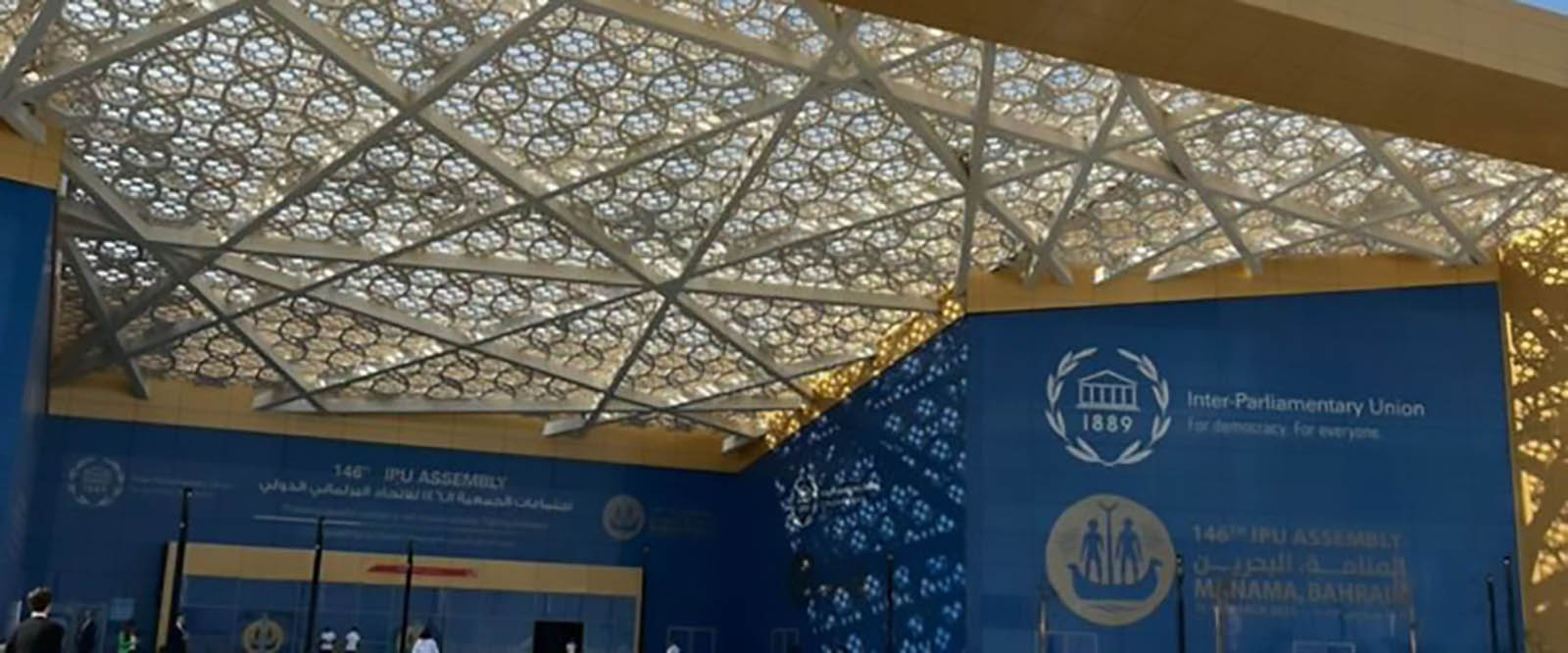
When we consider national parliaments, we think of the domestic arena. However, there are rarely observed foreign dimensions to the work of national legislators. Philipp Bien, Meray Maddah and Thomas Malang argue that, through fora like the Inter-Parliamentary Union, national legislators have become an important group in international politics Read more
Johanne Døhlie Saltnes
Lula’s presidential election victory in Brazil has the potential to re-set EU-Latin American relations through ratification of the EU-Mercosul agreement. Yet, writes Johanne Døhlie Saltnes, there remain competing European and Brazilian demands that must be balanced Read more
Mădălin-Cătălin Blidaru
The regional dimension of international relations is more significant today than ever before, argues Mădălin-Cătălin Blidaru. In the current crisis, regional cooperation and institutionalised regional organisations are delivering important solutions. The network of external relations being developed by regional organisations takes us beyond a state-centred world Read more
The Loop
Cutting-edge analysis showcasing the work of the political science discipline at its best.
We use necessary cookies to make our site work. We'd also like to set analytics cookies that help us make improvements by measuring how you use the site. These will be set only if you accept.
▼
Strictly Necessary Cookies
Necessary cookies enable core functionality such as security, network management, and accessibility. You may disable these by changing your browser settings, but this may affect how the website functions.
▼
Analytics Cookies
Google Analytics
We'd like to set Google Analytics cookies to help us improve our website by collecting and reporting information on how you use it. The cookies collect information in a way that does not directly identify anyone. For more information on how these cookies work please see our Privacy Notice.